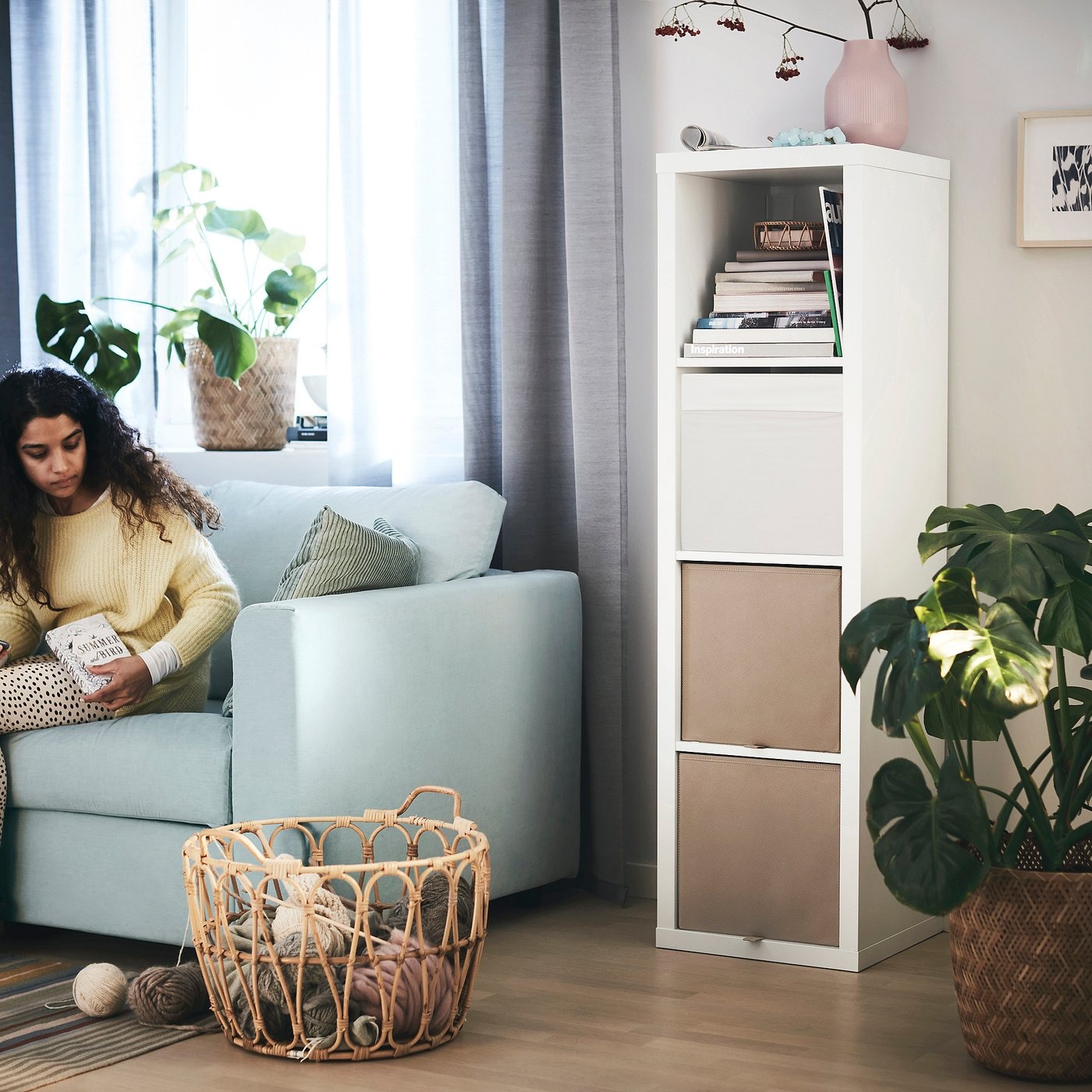
IKEA BILLY Bookcase Weight Limit: How Much Each Shelf Actually Holds (And How to Reinforce It)
By Sam Hollis · Updated July 2026
Independent editorial guide. We never accept payment for coverage, though we may earn a commission if you purchase through our links.
Quick Take
IKEA rates each BILLY shelf at 66 lbs (30 kg). In practice that's about 25-35 standard hardcovers, or 18-25 large art books or RPG manuals. The bottom shelf takes a bit more thanks to its additional support panel, and the narrow BILLY (15-inch wide) is meaningfully stronger per shelf than the wide BILLY (31-inch wide), because shorter spans flex less. Nothing collapses. What happens is slow sag in the middle of overloaded shelves over months and years. Two ways to prevent it: keep heavy books on the bottom shelf and load smaller spans, or reinforce the back of each shelf with a 1x3 wood strip and wood glue. Both work, and the reinforcement buys real extra capacity. Jump to our picks for the wall-anchor kits that belong on every BILLY, plus the wood-glue and bookend products that handle heavy-load reinforcement. See picks ↓

The BILLY is the world's bestselling bookcase. IKEA has shipped more than 60 million of them since 1979, so of course one of the most-asked questions in furniture is how much a BILLY shelf holds before it starts to sag. IKEA's number is 66 lbs per shelf.
What happens in your living room depends on which BILLY you bought (narrow or wide), how you spread the load, and whether you've reinforced the back. This guide pulls the math from IKEA's spec sheets, owner reports from a decade of r/IKEA and r/ikeahacks threads, and the reinforcement techniques heavy-load owners rely on.
The official IKEA spec, and what it assumes
IKEA rates the BILLY at 30 kg / 66 lbs per shelf, and that rating carries three assumptions: the unit is assembled correctly, it sits on a level floor, and it's anchored to the wall with the included anti-tip hardware. Take away any one of the three and the number stops meaning anything.
Two details the spec sheet buries. First, the rating is for the wide BILLY, 31 inches across. The narrow BILLY, 15 inches, is structurally stronger per linear foot because the span is half as long. Second, the bottom shelf carries an additional support strip underneath that the upper shelves lack, so it takes marginally more before it bows. Reddit user ShadowRider11 on r/IKEA: "The bottom shelf is likely to have the best weight capacity, since the little pan has extra support."
How many books is 66 lbs?
Standard hardcovers run about 1.5-2 lbs each. Large-format art books, RPG manuals, omnibus comics, and reference books run 2.5-4 lbs each. Doing the math against the 66-lb rating:
Standard hardcovers: about 25-35 per shelf if you're being careful, 35-44 if you're pushing it. A typical row of novels on the wide BILLY (31 inches) holds about 30 books.
Art books and large RPG manuals: about 18-25 per shelf. This is where the sag complaints pile up. Art book collectors and RPG players keep reporting that a full row hits or blows past the spec rating.
Vinyl LPs: don't. The shelf width is wrong (a 12-inch sleeve won't fit front-to-back) and the depth is wasted. If you have vinyl, use a KALLAX. We cover the KALLAX vinyl math in a separate guide.
The sag pattern
BILLY shelves don't blow out the way cheap particle-board shelves can. They sag, slowly and visibly, in the middle of the overloaded shelf, over months. The first sign is a slight downward bow at the center. Leave the load on for a year and that bow can set permanently, so the shelf stays bent even after you empty it. Nothing dramatically fails; it just quietly gives.
Reddit owners who've kept BILLYs for 7+ years confirm the pattern. r/IKEA user TheSlowLorax: "Owned multiple Billy bookcases for a period of 7 years. They were relocated to different apartments five times and were full of books and other items. Never had an issue. Would buy again." That's the well-managed load. The opposite case, the Reddit user with visible sag after loading a single shelf with art books, is the documented failure point.
The narrow BILLY, with its 15-inch span, almost never sags even packed full. The wide BILLY and its 31-inch span is where nearly all the reports come from. Loading heavy items? Buy two narrow BILLYs instead of one wide BILLY. Multiple Reddit threads land on the same advice.
Reinforcement method 1: back strips (~$15, 30 minutes)
The most-cited fix on r/ikeahacks is wood strips screwed and glued to the back of each shelf. The strips brace the shelf against the back panel and cut sag way down. Reddit user Comfortable-Author lays out the working method: "I just added two 1x3 to the back of the bookshelf and screw in a 2.5in screw in each shelf (2 screw per shelf, one per 1x3) + glued everything. Super solid."
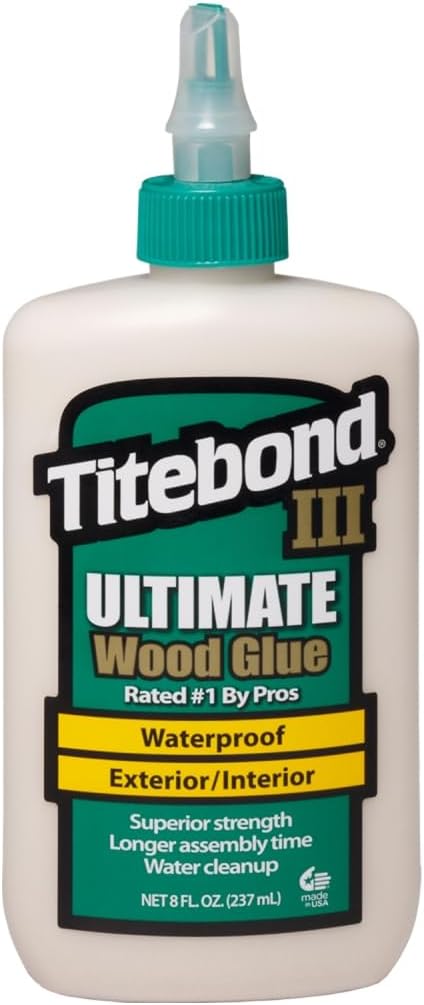
Materials: 1x3 wood strips cut to the interior height of the BILLY, wood glue (Titebond III is the standard pick), and 2.5-inch wood screws. Apply glue along each strip, hold it vertical against the back panel, and drive screws through each shelf into the strip. About $15 in materials, plus about 30 minutes per BILLY.
Reinforcement method 2: U-channel or MDF replacement (~$40, 1 hour)
For a wide BILLY carrying heavy art-book loads, go further: replace the particleboard shelves with MDF cut to size, or add 3/4-inch U-channel along the back edge of each existing shelf. Reddit user MrBigFeathers: "I put 3/4 inch U channel on the backside of my shelves on the wide Billy. Have been holding strong for a few years with no noticeable sagging."
MDF beats IKEA's particleboard on strength, but it's heavier and more involved to finish. Most owners who go this route end up with a hybrid: IKEA shelves for the normal-load rows, MDF for the heavy art-book or RPG-manual rows. Figure $40-60 in materials per BILLY depending on how many shelves you upgrade.
The wall anchor is non-negotiable
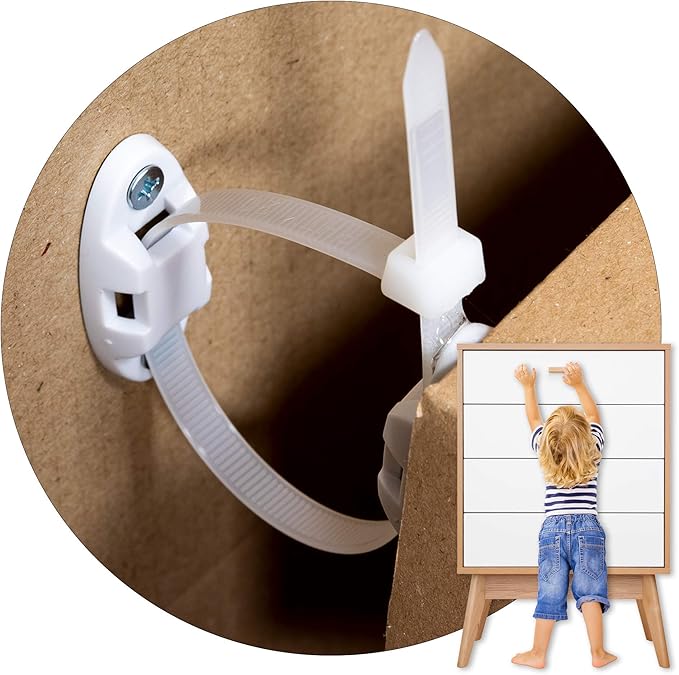
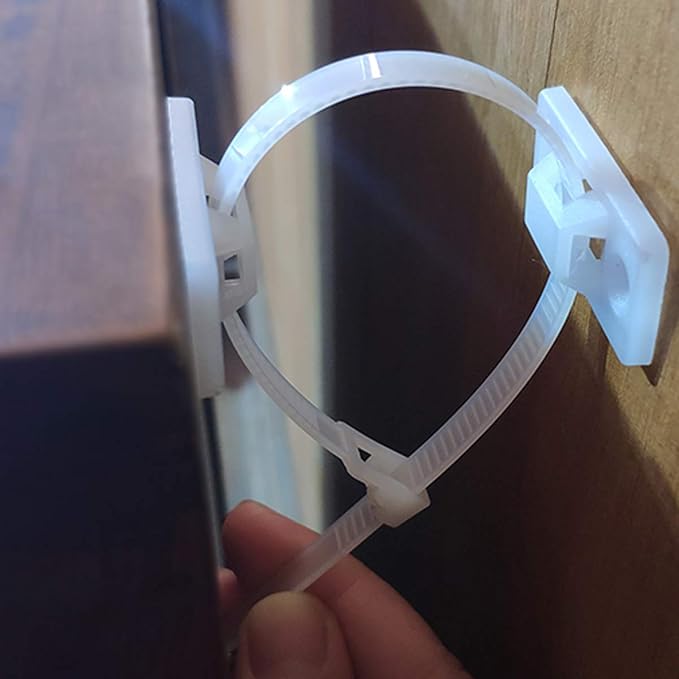
Whatever you load a BILLY with, anchor it to the wall. IKEA puts anti-tip hardware in every box for a reason: a fully loaded bookcase tipping onto a child can kill. The CPSC has documented multiple BILLY tip-over fatalities over the years.
The included IKEA anchor strap is fine for normal loads, but it's a single point of failure. For a heavily loaded BILLY, or any household with kids, upgrade to a heavy-duty wall anchor kit with multiple straps rated for 400+ lb pull. The Inaya 400-lb anchor kit linked below is the typical pick. Two things to verify when you install it. The anchor goes into a wall stud, not drywall alone (use a stud finder, or 50-lb-rated drywall anchors as the minimum if there's no stud). And the strap has to be taut, not slack. A loose strap doesn't catch the bookcase until it's already partway over.
Load order, the cheapest reinforcement
Before you spend a dollar on reinforcement materials, reorganize the load. Three rules that cost nothing.
Rule 1: heaviest items on the bottom shelf. It has the most structural support and the lowest center of gravity. Art books, RPG manuals, atlases, anything over 3 lbs, put it there.
Rule 2: don't fully load every shelf. With every shelf sitting at 60+ lbs, the cumulative load on the BILLY's side panels is meaningful. Alternate heavy shelves with lighter ones so the load distributes.
Rule 3: use bookends to bridge gaps. A long, unsupported row sags more than a fully packed one, because each book leans inward and the row collapses toward the middle. Bookends every 12-15 inches keep the row vertical and push the load out toward the shelf supports.
BILLY vs KALLAX vs other options for heavy books
If weight is your worry, the narrow BILLY is the standard answer. Cheapest unit per linear shelf-foot, a shelf depth of 11 inches that fits standard books, and a short span that resists sag. Multiple r/OmnibusCollectors threads explicitly recommend narrow BILLY over KALLAX for heavy book collections.
KALLAX is structurally stronger per cube and worse for books overall. The cube format wastes vertical space with standard books, and the depth is too deep for typical paperbacks. KALLAX earns its place with a mixed collection, vinyl, comics, photo binders, where the cube format works.
Step up to solid wood and the Pottery Barn Toscana or West Elm Mid-Century bookshelves take dramatically more weight, at 6-10x the price of a BILLY. Per stored pound, BILLY still wins by a wide margin, reinforcement costs included.
Recommended
Products related to this guide.
What owners say
Real owner reports from the threads and editorial sources we drew on for this guide.
“We have many Billy's full to the brim with books, inc. lots of heavy art books. I have never weighed the books, but I have to imagine that they are at least the weight limit. There is no sagging and they look great.”
— r/IKEA / gilgi19
“Owned multiple Billy bookcases for a period of 7 years. They were relocated to different apartments five times and were full of books and other items. Never had an issue. Would buy again.”
— r/IKEA / TheSlowLorax
“The fixed shelf in the middle MIGHT hold a little more weight than the removable ones, especially if you put some nails across the back at that time when you assembled the bookcase. But these shelves are particleboard and they are NOT designed to hold a lot of weight. The bottom shelf is likely to have the best weight capacity, since the little pan has extra support.”
— r/IKEA / ShadowRider11
“I just added two 1x3 to the back of the bookshelf and screw in a 2.5in screw in each shelf (2 screw per shelf, one per 1x3) + glued everything. Super solid.”
— r/ikeahacks / Comfortable-Author
“I put 3/4 inch U channel on the backside of my shelves on the wide Billy. Have been holding strong for a few years with no noticeable sagging. I wanted the dark blue bookcases which don't come in anything but wide.”
— r/OmnibusCollectors / MrBigFeathers
“I recently changed out all of my Kallax style shelves for narrow Billy shelves. I wish I had bought these first. They are the perfect shelves, in my opinion. I attached them all to the wall, then bought some small sliding brackets to attach each one together.”
— r/OmnibusCollectors / john_doe_297_
“The Billy is fine and yeah it will eventually start to sag but in my experience most bookcases made from particle board do. I used to keep manga on my shelves and it was doing that then.”
— r/IKEA / Crispy_Creams