IKEA KALLAX Weight Limit: How Many Vinyl Records Per Cube Can It Actually Hold?
By Maya Chen · Updated July 2026
Independent editorial guide. We never accept payment for coverage, though we may earn a commission if you purchase through our links.
Quick Take
IKEA rates each KALLAX shelf at 28.7 lbs (13 kg), but only when the unit stands vertically on the floor and is anchored to the wall. For vinyl that works out to roughly 50-80 records per cube depending on pressing weight.
Weight isn't the failure mode, though. The famous "KALLAX collapse" photos on Reddit come almost entirely from running the unit with the long shelf boards vertical instead of horizontal. Get the orientation right, anchor it to the wall, and a properly built KALLAX holds your collection for 20 years. The owner reports back that up.
Jump to our recommended outer sleeves, dividers, and reinforcement brackets that keep a KALLAX-stored vinyl collection in good shape. See picks ↓

Every vinyl collector runs into the KALLAX question eventually. It's cheap (~$80 for a 4x4), it fits 12-inch records by accident of dimension, and it's been the unofficial standard for record storage for a decade and a half. You've also seen the Reddit collapse photos. So what's the weight limit, and how many records does each cube really hold?
This guide pulls together IKEA's official load specification, owner reports from r/vinyl and the Steve Hoffman Forum, and the math on record weight by pressing type. It also answers the orientation problem straight, which matters far more than the weight number does.
The official IKEA spec
Per IKEA's own load-capacity FAQ, each KALLAX shelf is rated for 13 kg / 28.7 lbs. The top surface of the unit is rated for 55 lbs.
Both numbers assume two things: (1) the unit is standing vertically on the floor in its intended orientation, and (2) it's anchored to the wall with the included anti-tip hardware. Skip either and the rating stops applying. That's not IKEA being cute with the warranty, it's the literal structural assumption the shelf was engineered against.
The math on records per cube
Vinyl record weight depends on the pressing. Standard LPs are 130-140g. Heavier records (180g audiophile pressings, gatefold doubles) run 200g and up. Add ~30g for sleeves and outer poly sleeves. Average a typical mixed collection at about 0.4 lb per record with sleeves and you get:
Conservative (heavy 180g pressings, full sleeves, gatefolds): 28.7 lb ÷ 0.5 lb ≈ 57 records per cube.
Optimistic (lighter standard 130g LPs): 28.7 lb ÷ 0.35 lb ≈ 82 records per cube.
Weight usually isn't the binding constraint, though. Physical fit is. A KALLAX cube is 13.25" wide internally, and a 12" record sleeve plus an outer sleeve is about 12.75". You can pack roughly 70-80 records per cube before they get genuinely jammed and start damaging covers. Collectors who flip through their shelves regularly land at 50-60 records per cube, tight enough to be efficient, loose enough to browse.
Quick capacity guide:
• 2x2 KALLAX (4 cubes): ~200 records safely, ~280 maxed out
• 4x4 KALLAX (16 cubes): ~800 records safely, ~1,100 maxed out
• 5x5 KALLAX (25 cubes): ~1,250 records safely, ~1,750 maxed out
The failure mode is orientation, not weight
The spec sheet won't tell you this, but every r/vinyl thread will: KALLAX collapses happen almost exclusively when the unit runs with the long shelf boards oriented vertically, a narrow 1x4 standing tall, for instance. In that configuration the long boards buckle laterally under the weight of records pressing outward.
Run the same shelves horizontally, wider than tall, or square, and the load sits across the short axis of every board. That's the engineered case, and it's where the 28.7 lb per shelf rating applies. The 2x2, 4x4, and 5x5 KALLAX configurations are all in that safe zone.
So when you see "KALLAX is garbage, it collapsed under my records" posts, scroll back through the thread. Those posts are accurate and still misleading. Almost always: tall-and-narrow configuration, no wall anchor, and the unit had been moved at least once after assembly. Those three factors together explain nearly every documented failure.
Reinforcement, worth it or overkill?
For a properly oriented 2x2 or 4x4 with a wall anchor: none needed. Owners regularly report 10-20 years of trouble-free use on those configurations.
For a 5x5 or larger, especially if you'll pack it full of 180g audiophile pressings, optional reinforcement is reasonable. The most-cited DIY upgrades on r/vinyl:
• 1/4" plywood or MDF backer panel screwed across the entire back face, replaces the flimsy cardboard backing and stiffens the whole unit
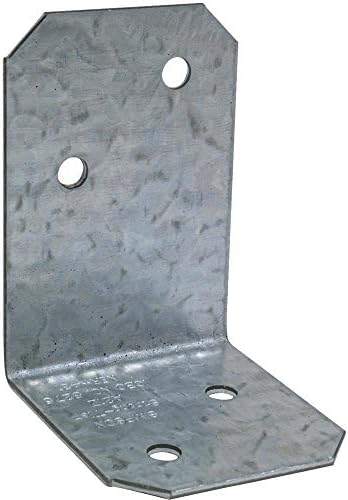
• Right-angle metal brackets (Simpson Strong-Tie A21Z is the most commonly recommended size) at the corner joints, screwed into the wood from outside
• Wall anchor: non-negotiable on any KALLAX, period. Use the included anti-tip strap or upgrade to a heavier-duty bracket if you have kids or pets
KALLAX is famously not built to be taken apart and put back together. The cam-lock fasteners lose grip after one cycle. If you have to move a heavily loaded unit, unload it completely first, or the joints loosen during the move.
KALLAX versus Expedit, and why old owners say the predecessor was better
Spend any time on r/vinyl and you'll hit the Expedit nostalgia. Expedit was KALLAX's predecessor, discontinued in 2014, same cube grid format, but built with thicker boards and slightly more substantial construction. KALLAX is the cost-engineered replacement: lighter, cheaper, marginally less structurally sound.
Owners with old Expedits routinely report them holding up better than newer KALLAX units. If you can find a used Expedit on Facebook Marketplace or Craigslist at a reasonable price, it's the better buy for vinyl. The cube dimensions are identical, so all the accessories (dividers, inserts, outer sleeves) interchange.
Accessories that matter for vinyl in KALLAX
Three accessory categories make a measurable difference in how a KALLAX-stored collection holds up over years:
Outer sleeves. Records slide in and out against the cube walls hundreds of times over a collection's life. Without outer poly sleeves the cover artwork wears at the opening edge, visible white-line marks within a few years. With them, the record glides on the sleeve material and the cardboard cover stays pristine. Highest-leverage single buy for any new vinyl collector.
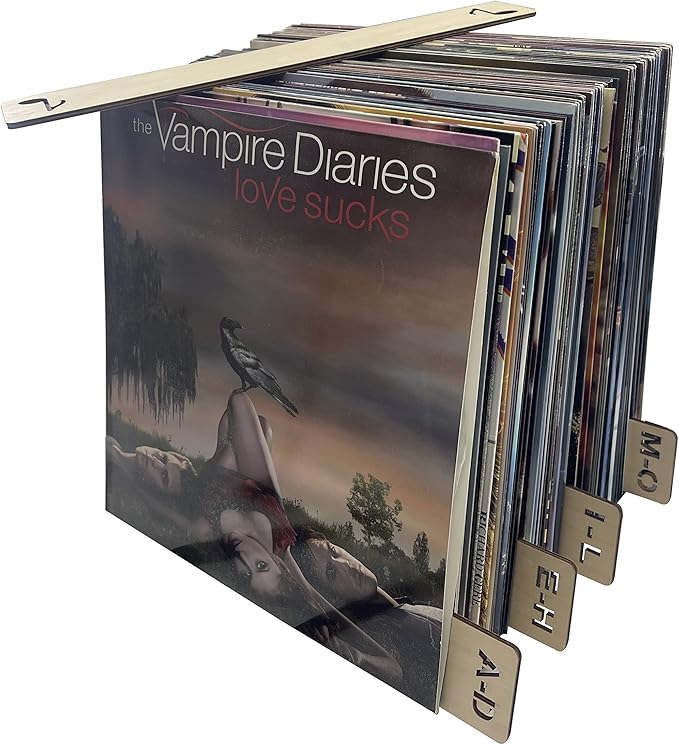
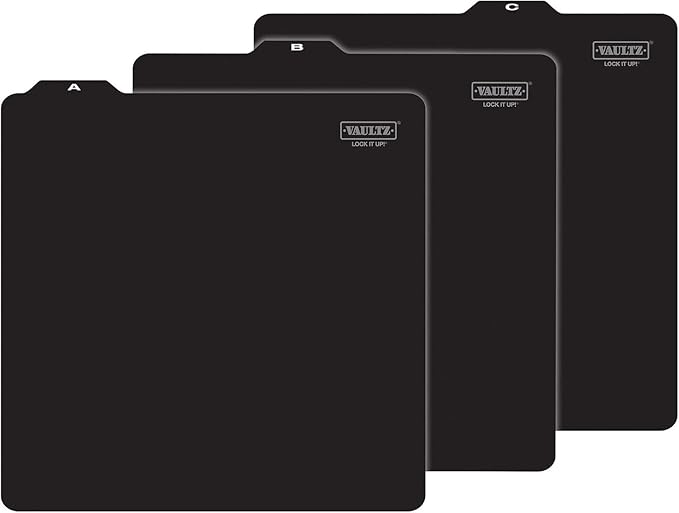
Dividers. KALLAX cubes come with no vertical separators, so without dividers the records lean and stack. Dedicated A-Z or genre dividers keep the collection organized and stop the leaning damage. Several KALLAX-fit options exist, see the picks below.
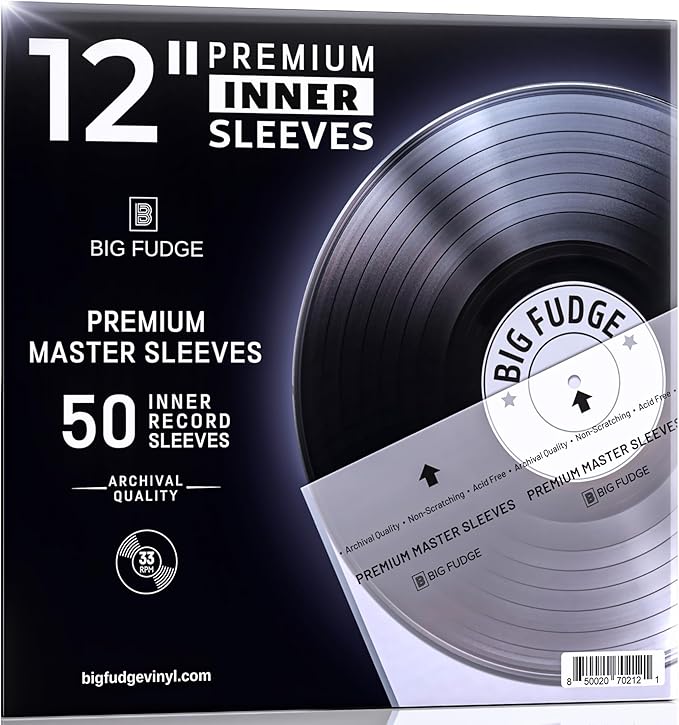
Inner anti-static sleeves. Original paper sleeves shed fibers and build static. Rice-paper anti-static inner sleeves prevent both. Mid-priority accessory, but cheap insurance.
See "Recommended" below for the products we've verified for KALLAX fit and quality.
When KALLAX isn't the right answer
KALLAX cubes are sized for 12-inch LPs. If you collect 7-inch 45s or 78s exclusively, the cubes are oversized and inefficient. Dedicated 45-rpm storage exists and fits better.
If you're growing past ~1,500 records, you're at the practical maximum of a 5x5 KALLAX, and the next step up is dedicated cabinetry from Crosley, Symbol Audio, or custom millwork. That's a meaningful price jump.
If your floor isn't level, or you can't anchor to a wall (rentals, plaster walls without studs), the tip-over risk on a fully loaded KALLAX is real. Don't load up a 4x4 in those conditions.
For most vinyl collectors under 1,500 records, a properly oriented and wall-anchored KALLAX (or an Expedit, if you find one) is the right answer at the right price. The bigger investment isn't the shelf. It's the sleeves and dividers that protect the collection inside it.
Recommended
Products related to this guide.

What owners say
Real owner reports from the threads and editorial sources we drew on for this guide.
“They have never sagged or shown any signs of failing in the many years I've had them. You simply can't get that much reliable record storage for that cheap anywhere else.”
— r/vinyl / jay_skrilla
“Apart from stopping the records from sliding all the way back I can't see how this has done anything in terms of structural reinforcement? A few brackets between the top and the wall would have been sufficient. You're absolutely right that it's when people run the full shelves vertically instead of horizontally that leads to failure.”
— r/vinyl / knd_86
“I have had the same unit for about 20 years. It's a lot more tightly packed than yours, and still feels solid.”
— r/vinyl / Apprehensive_Leg1414
“I don't think anyone is claiming that the Kallax shelves are great. We all know they're made of sawdust and cardboard. What makes them attractive is their availability. There aren't a whole lot of easy-to-find options for a lot of folks.”
— r/vinyl / Kmjerz
“Kallax used to be MUCH MUCH better. My current new one sucks. I reinforced the back with wood boards.”
— r/vinyl / jcrreddit
“The be all and end all is actually the Expedit, which they sadly do not make anymore. The Kallax is ok, but the Expedit is the king.”
— r/vinyl / customguitars878
Sources
IKEA: KALLAX shelf load capacity (official) · r/vinyl: "Kallax — Not the be all and end all of vinyl storage" (thread) · r/vinyl: "IKEA Kallax 5x5 with Horizontal Support" (DIY reinforcement thread) · Steve Hoffman Forums: "Getting the best out of Kallax for record storage" · The Furnished Review: IKEA KALLAX Shelf Review (full review)