West Elm
West Elm Telluride Dining Table Reviews + Our Verdict
By Erin Mitchell · Updated June 2026
Independent editorial review. We never accept payment for coverage, though we may earn a commission if you purchase through our links.
Verdict
The Telluride comes up more than most outdoor tables in West Elm Reddit threads, mostly because an extension function is uncommon at this design level and people want to know whether it works reliably. Owners say the mechanism works well when it's kept lubricated and clean, and that it gets stiff and awkward to operate after long outdoor exposure when it isn't. Most rate the aesthetics highly and like the flexibility the extension buys them. The criticism is consistent and it's about price: competitors sell similar extension tables for less.
Read full take ↓Similar dining tables
An outdoor dining table that grows with your guest list
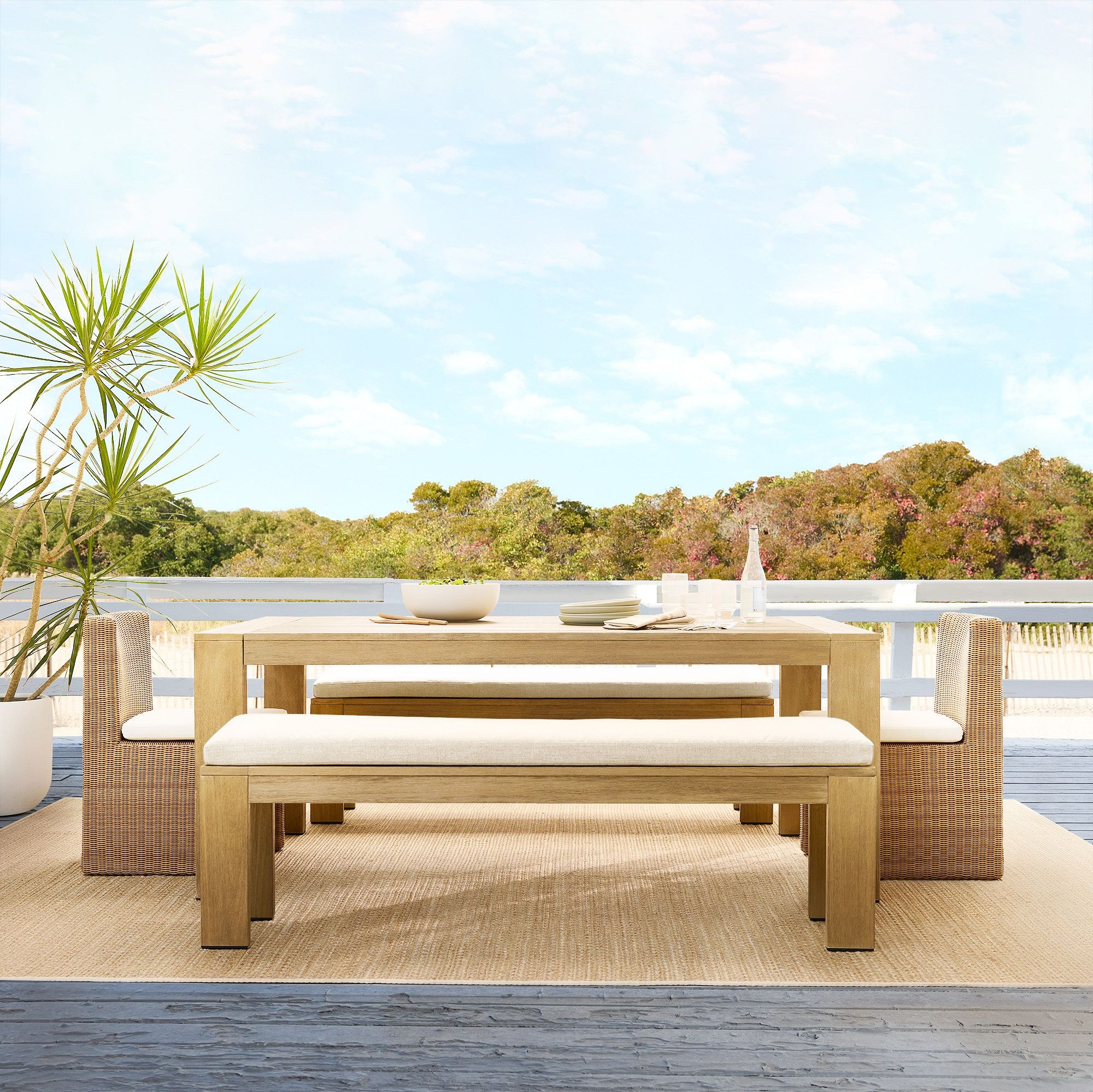
Finding an outdoor dining table with an extension mechanism you can trust is harder than it sounds. Most outdoor furniture assumes you pick a size and live with it. The West Elm Telluride Outdoor Extendable Dining Table argues otherwise: it seats six comfortably in its standard form and stretches to seat eight with the extension leaf in place. Priced from $799 to $999, the Telluride sits at a real premium over fixed-size alternatives. That premium buys the extension function and the look, an FSC-certified acacia top on a powder-coated aluminum base, the modern-meets-natural design language West Elm has made its signature. The result reads considered and expensive without the full-teak price tag.
The extension is a butterfly leaf hidden inside the table body. Separate the two halves of the tabletop at the center seam and the folded leaf unfolds from underneath to fill the gap. It takes roughly 30 seconds with two people and leaves an almost unbroken surface across the full extension width, which beats external leaves you have to store somewhere else.
The extension mechanism in practice
The butterfly extension earns its keep in households that entertain variable-size groups. If your patio hosts dinners for six most of the time but needs to seat eight for holidays or events, the Telluride gets you out of the usual choice: buy for six and be cramped at eight, or buy an 8-person table that dominates the patio the rest of the year.
The mechanism does need attention outdoors. The metal slides and pivot hardware that operate the extension see the same moisture and temperature swings as the rest of the table. Clean the slide channels periodically, hit them with a light silicone-based lubricant, and the extension keeps working smoothly. Owners who skip that report the mechanism getting progressively stiff, especially after winters in colder climates where thermal expansion and contraction cycles cause binding.
Wood top and frame construction
The tabletop is FSC-certified acacia, finished in the same teak-look treatment West Elm uses across its outdoor wood line. Slat construction lets the wood expand and contract without the cupping or warping risk of a solid panel top. The powder-coated aluminum base handles weather without the upkeep a wood base would demand. Like any acacia outdoor furniture, the top wants seasonal oiling to hold its tone and surface integrity.
The extension leaf lives inside the table body, so it doesn't weather the way the main top does, and over time it can drift to a slightly different tone. West Elm applies the finish uniformly before delivery, but exposed and stored sections age differently, and that's a characteristic to expect rather than a defect.
How the extension holds up over the years
Extension mechanisms on outdoor tables fail in predictable ways, and the Telluride's butterfly leaf is no exception. Long-term ownership reports point to two failure modes: slide stiffness, where corrosion or grit in the metal track makes the leaf hard to deploy, and alignment drift, where the leaf stops sitting flush with the surrounding tabletop after several seasons of expansion and contraction in the wood. Maintain the table and both are recoverable. Neglect it and both become permanent.
The routine that prevents both is simple. Wipe down the metal slides at the start and end of each use season, apply a light dry-film lubricant to the rails, and re-oil the acacia top on the same schedule you'd use for a non-extending outdoor table. Owners who treat the extension as a once-a-year move for hosting season, and keep the table covered or indoors otherwise, get the most reliable long-term performance. This isn't a daily-deployment mechanism, and nothing in the community reports suggests it would take that duty cycle gracefully.
Size, value, and verdict
The standard configuration is 71 inches long by 36 inches wide by 30 inches tall. Extended, it reaches approximately 95 inches. At $799 to $999 you're paying a real premium for the extension functionality and the acacia-plus-aluminum material combination. Comparable extendable aluminum-top outdoor tables from competitors run $400 to $650. The Telluride's case rests on the acacia aesthetic paired with the extension function. If you don't need the extension, the Portside from the same West Elm outdoor line is the better-value choice.
Seating capacity and real-world use
The Telluride seats six comfortably in its standard configuration and eight when extended, but the realistic numbers depend on how it's set. Six adults at the 71-inch length works out to roughly 23 to 24 inches of edge per guest, fine for a casual outdoor meal, tight for a formal one. The extended 95-inch length opens that to a more comfortable 28 inches per guest at eight, which is the configuration the table is really sold for.
At 36 inches, the width is narrow for a dining table this long, and that shapes how you use it. Family-style serving with multiple platters down the center works, barely; a single centerpiece and individual plates is the more natural pattern. Think of it as a dinner table that seats eight comfortably, not a buffet-style gathering surface. The proportions suit seated meals, not spread-out outdoor brunches.
The Telluride makes sense for households that already entertain often enough for the extension to be a real-use feature rather than a hypothetical one. Buyers who picture eight-person dinners they rarely host are paying for a mechanism they won't use, and a fixed-length acacia table at the same design level costs meaningfully less. The math works only when the extension gets deployed regularly.
One thing in its favor: closed, the Telluride works as a fixed-length table with no visual penalty. The seam where the leaf joins is finished cleanly enough that the top reads as a single surface. So the extension capability isn't a daily-use compromise. The table looks and functions normally as a six-seater on ordinary evenings and takes the bigger footprint only when a larger gathering calls for it.
Construction details
The tabletop uses acacia slats assembled into two matching halves that meet at the center extension line. The slat ends are precision-cut and sanded to align cleanly in the closed position, so the surface looks continuous with no obvious gap at the center. The butterfly leaf mechanism sits in a folded panel that lives in the gap between the two table halves when closed.
The aluminum base is welded at the cross-brace junctions and powder coated in graphite or natural silver. Adjustable leveling feet and recessed fasteners handle the base-to-top connection and minor ground unevenness. Frame rigidity is good, and the table doesn't wobble meaningfully when loaded.
Extension mechanism specifics
Extension type: butterfly leaf (built into table body, no external storage needed) Extension operation: pull halves apart from center to reveal unfolding leaf Time to extend: approximately 30 seconds with two people Seam quality: near-flush when extended; slight height variation possible with humidity changes Lubrication: silicone-based lubricant recommended for slide channels annually
Material summary
Top: FSC-certified acacia slats, outdoor stain and sealer finish Base: powder-coated aluminum, welded construction Hardware: stainless steel fasteners at critical structural connections Closed dimensions: 71 inches wide by 36 inches deep by 30 inches tall Extended dimensions: approximately 95 inches wide by 36 inches deep by 30 inches tall
Care and longevity
Oil the tabletop with teak or hardwood oil annually, or more often if the table lives in high sun or on the coast. Clean the extension mechanism channels at the start of each season: brush out debris with something soft, then apply a thin coat of silicone spray or dry lubricant to the metal slide surfaces. Don't use oil-based lubricants on the extension, since they attract particulates and turn sticky over time.
The aluminum base needs nothing beyond periodic cleaning. In coastal environments with high salt air exposure, rinse the base with fresh water now and then to stop salt crystallization, which causes cosmetic corrosion on powder-coated surfaces over time.
Our Ratings
Overall score
Options Worth Checking Out
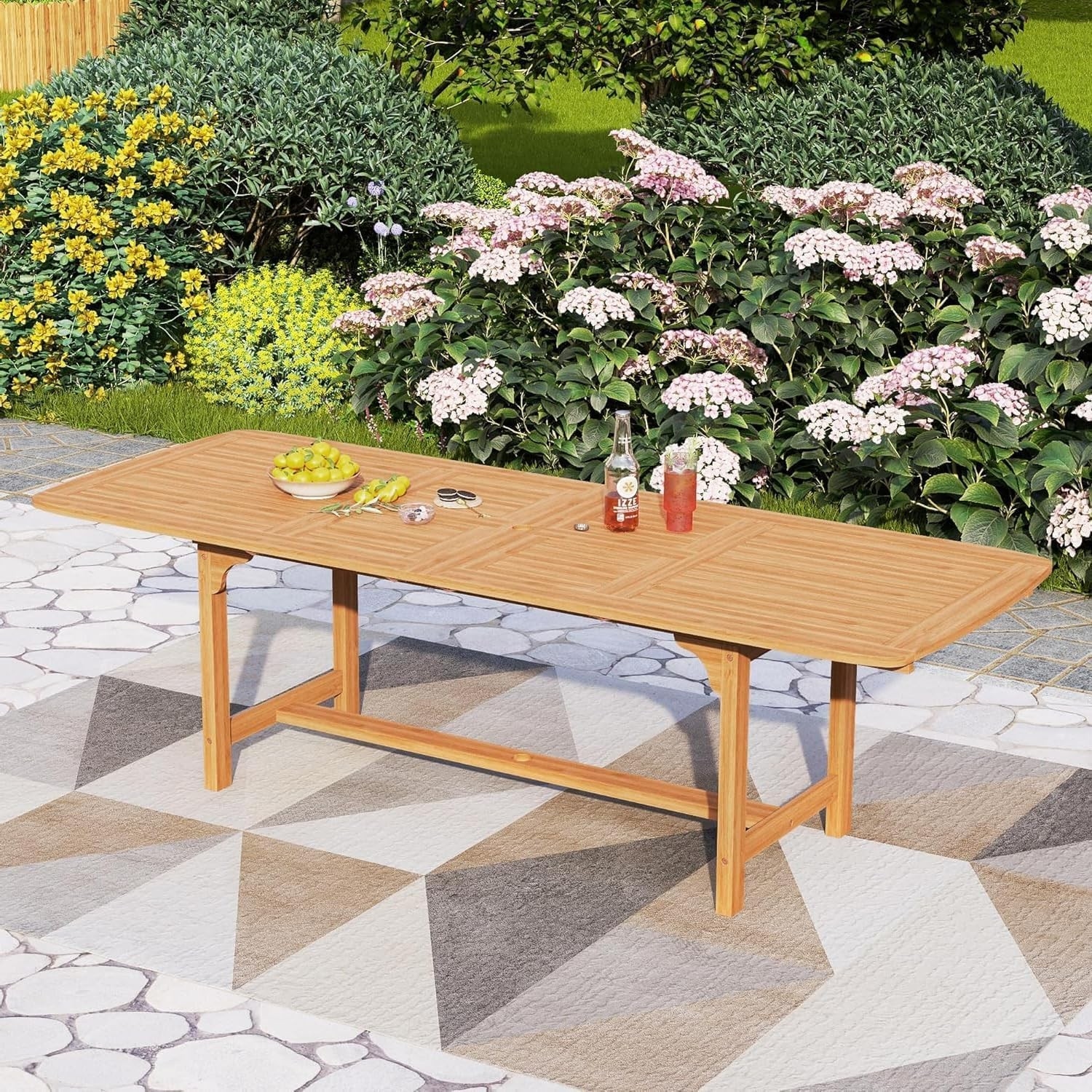
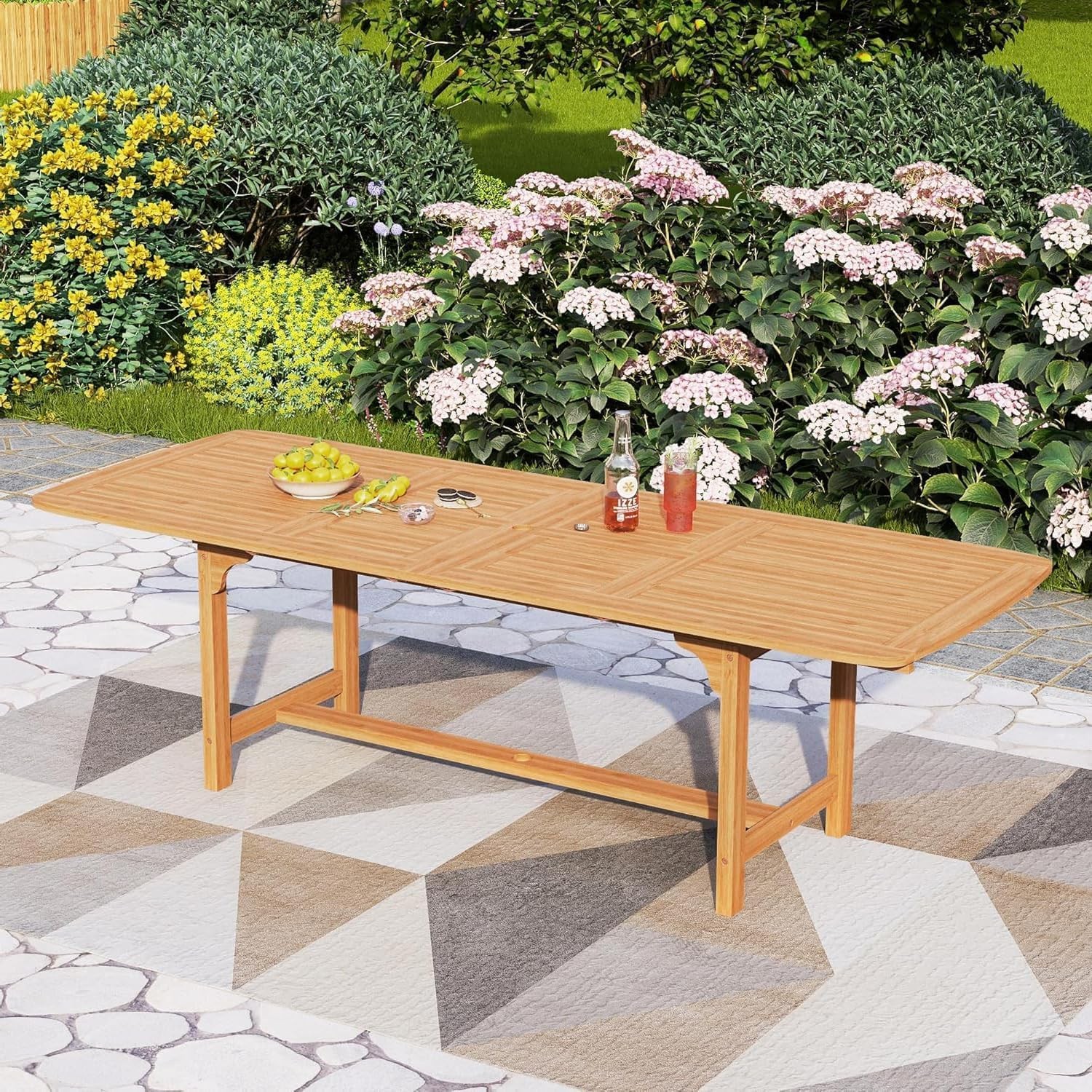
PHI VILLA Extendable Rectangular Outdoor Dining Table
Extendable outdoor table with thick wood-look legs and a weather-resistant top. Rectangular farmhouse profile that handles seating expansion like the Telluride for less.
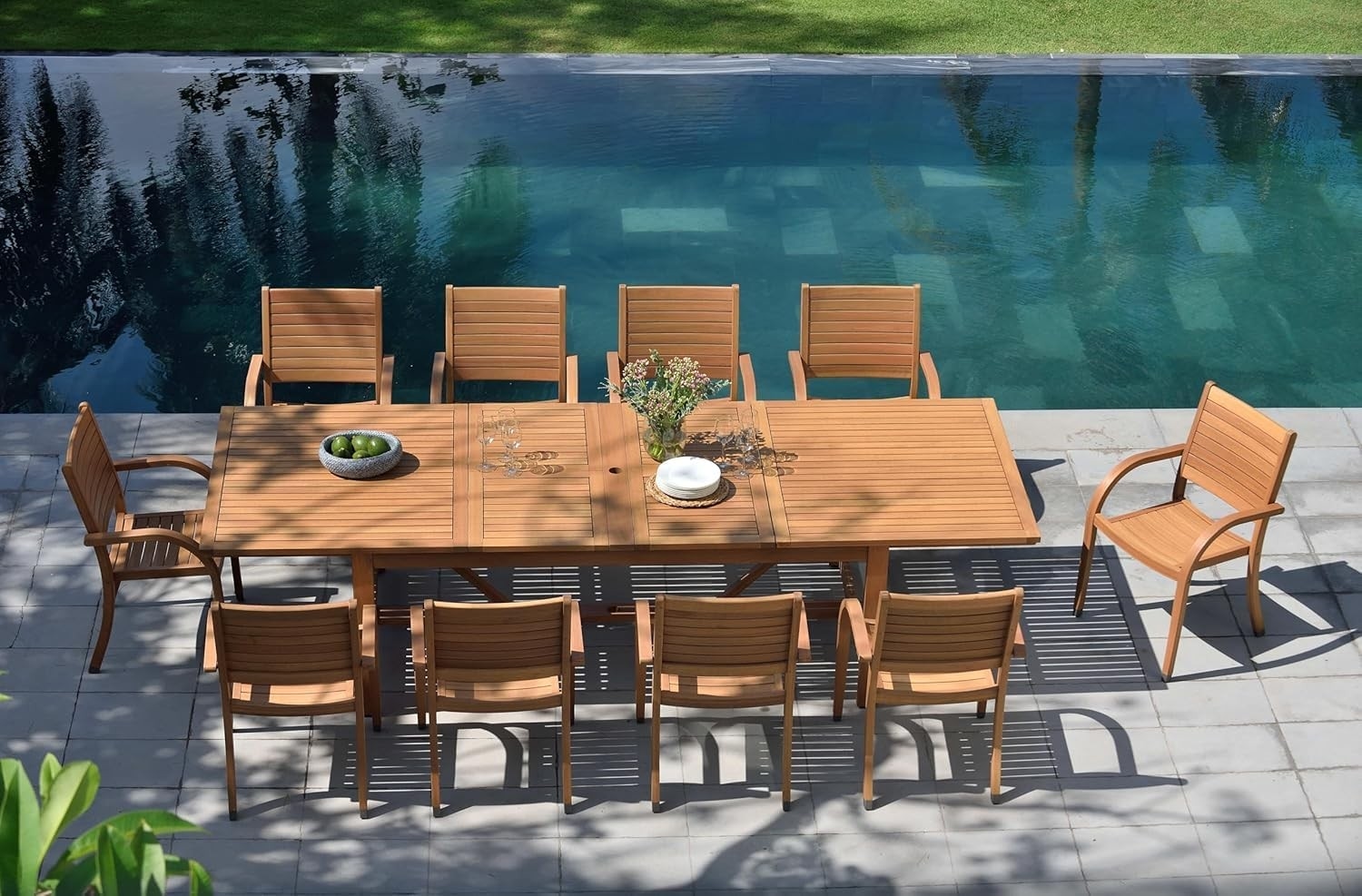
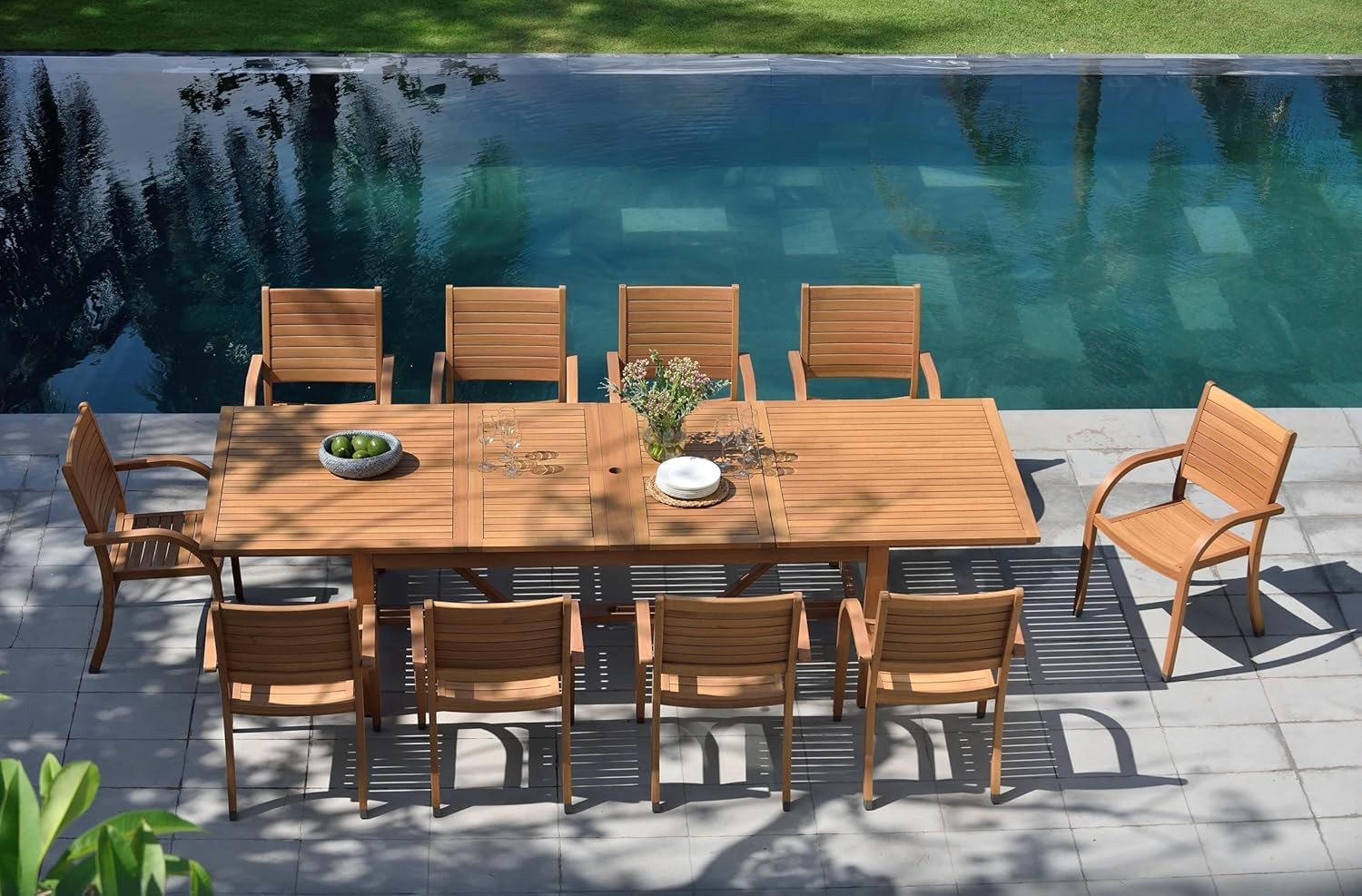
Amazonia Extendable Outdoor Dining Table
Amazonia extendable table in eucalyptus or teak-finish wood, suitable for indoor or outdoor use. Durable build at a friendlier price than the Telluride.
More West Elm Reviews
See all →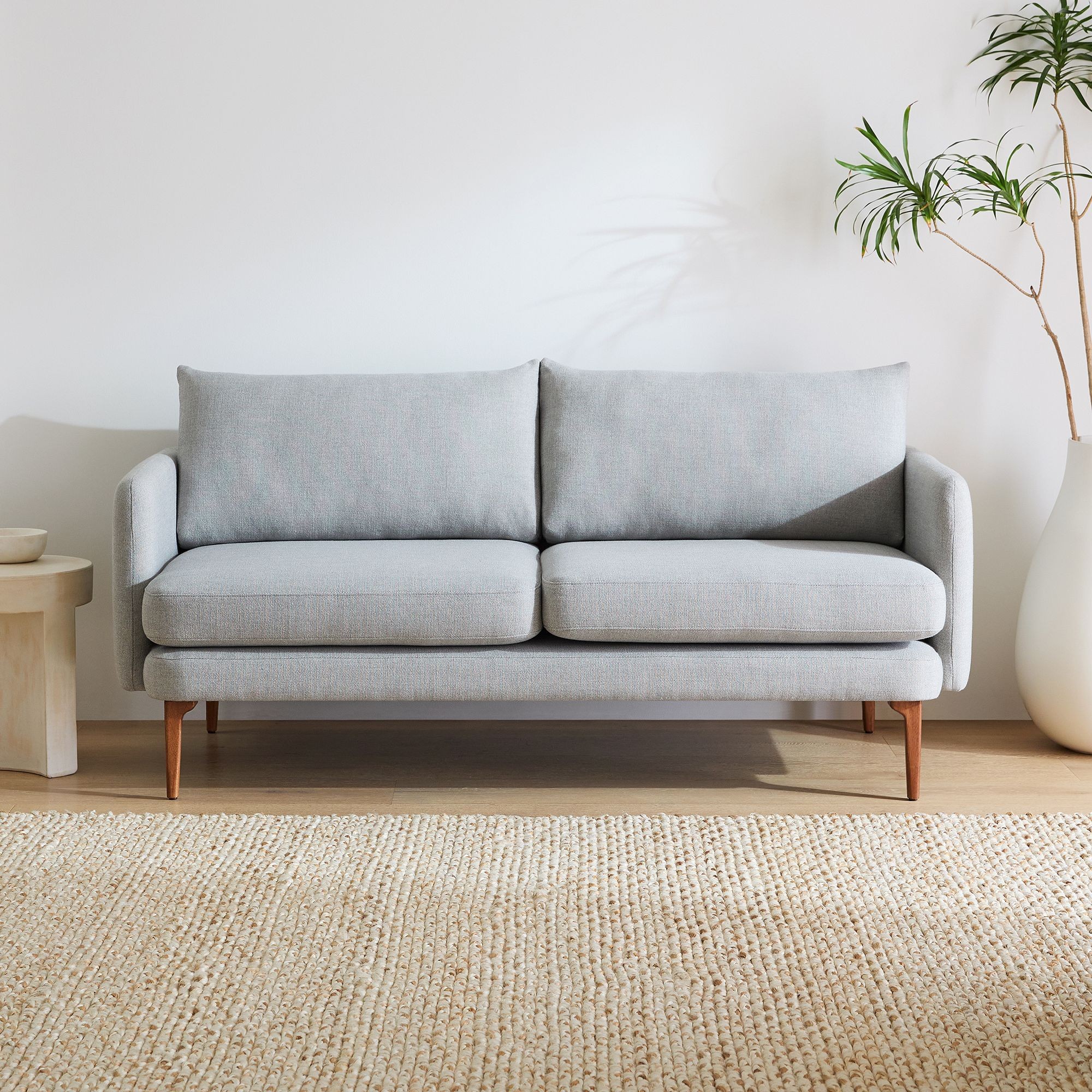
West Elm Auburn Sofa Review: Compact Build + Our Honest Verdict
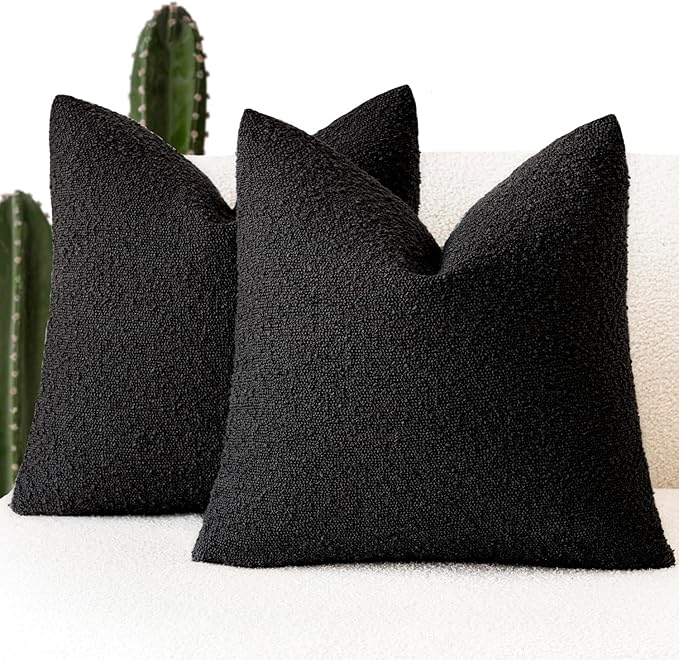
Best Throw Pillows for a West Elm Harmony Sofa: Sizes, Texture, and Layering
West Elm Harmony Cushions Sagging? The $40 DIY Fix (And When to Give Up)
West Elm Peggy Sofa Reviews + Our Honest Verdict
How Does It Compare?
Side-by-side breakdowns featuring this product