West Elm Harmony Cushions Sagging? The $40 DIY Fix (And When to Give Up)
By Daniel Reyes · Updated July 2026
Independent editorial guide. We never accept payment for coverage, though we may earn a commission if you purchase through our links.
Quick Take
West Elm Harmony cushions sag because they're filled with feather-and-down (or polyester clusters in the alternative version) over a thin foam core, and the fill compresses with normal use. The fix takes about $40 in materials and 30-60 minutes: unzip cushion, add 1-2 lbs of down-alternative cluster fill per seat cushion, redistribute, re-zip.
Skip the official West Elm replacement covers, they're $250+ and don't address the underlying fill compression. The DIY refill restores the original sink-in feel and works for both performance linen and velvet Harmony cushions. We've verified the procedure against multiple Reddit/Instagram refill threads.
Jump to the exact cluster fill we recommend for the DIY refill, plus the deeper foam-replacement option. See picks ↓
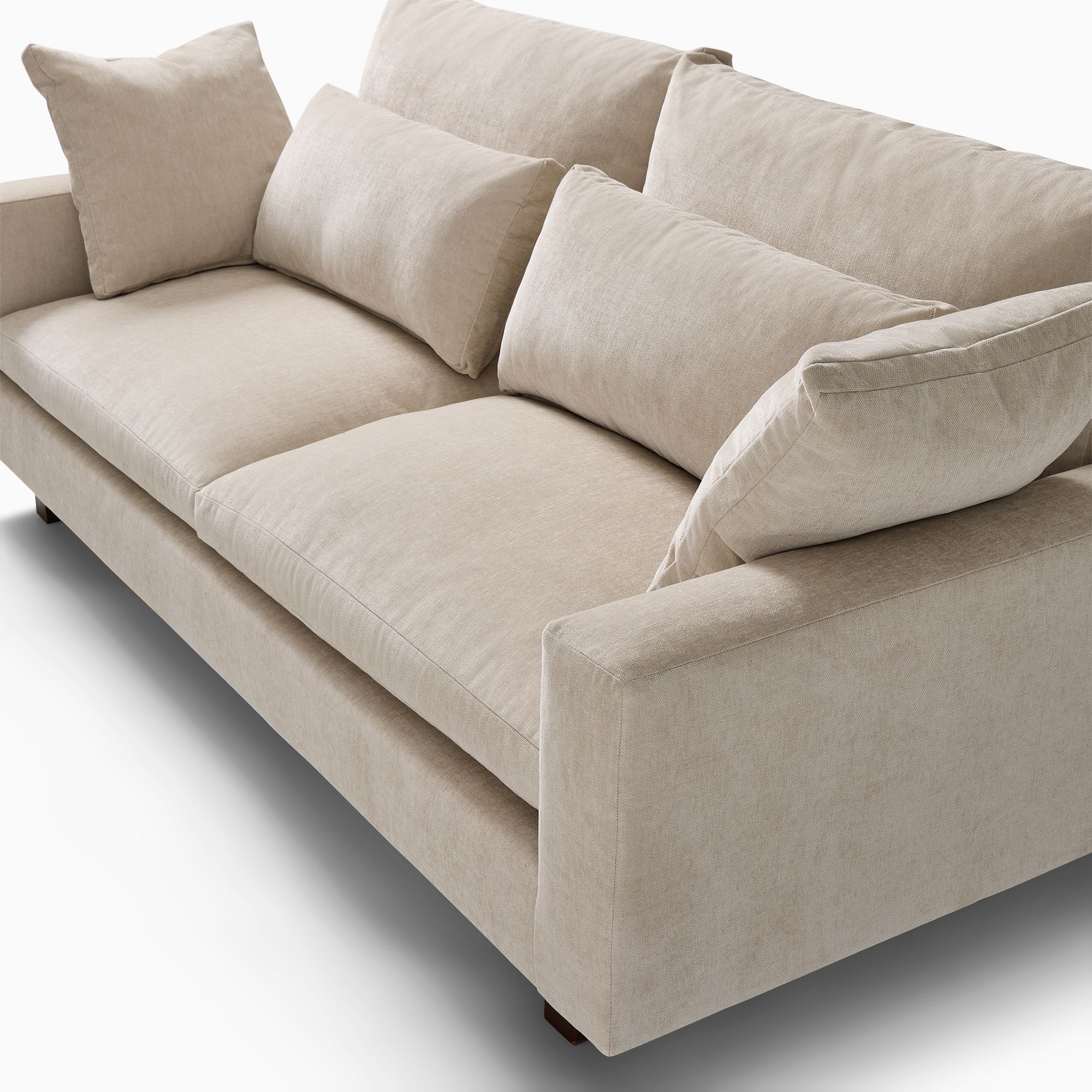
The West Elm Harmony is consistently in the top 3 most-Googled West Elm sofas, and it also generates more cushion-sag complaints than any other model in the lineup. Reddit threads on r/HomeDecorating, r/BuyItForLife, and West Elm's own customer reviews are full of owners reporting visible cushion deflation within 6-18 months of purchase.
The official fix from West Elm is replacement cushion covers ($250+ per piece), which doesn't solve the actual problem (the fill, not the cover, is what's compressed). The community-derived DIY fix costs about $40 and works. This guide walks through it step-by-step, with the specific products that match the Harmony's fill type.
Why Harmony cushions sag (and it isn't a defect)
The Harmony's defining feature, and the reason most owners buy it, is the deep, cloud-like sit. That feel comes from a specific fill construction: a thin high-resiliency foam core wrapped in either feather-and-down clusters (premium config) or polyester fiber clusters (alternative config), all encased in a sewn ticking. The result is a cushion that's plush and forgiving when new, and progressively flatter as the cluster fill compresses with use.
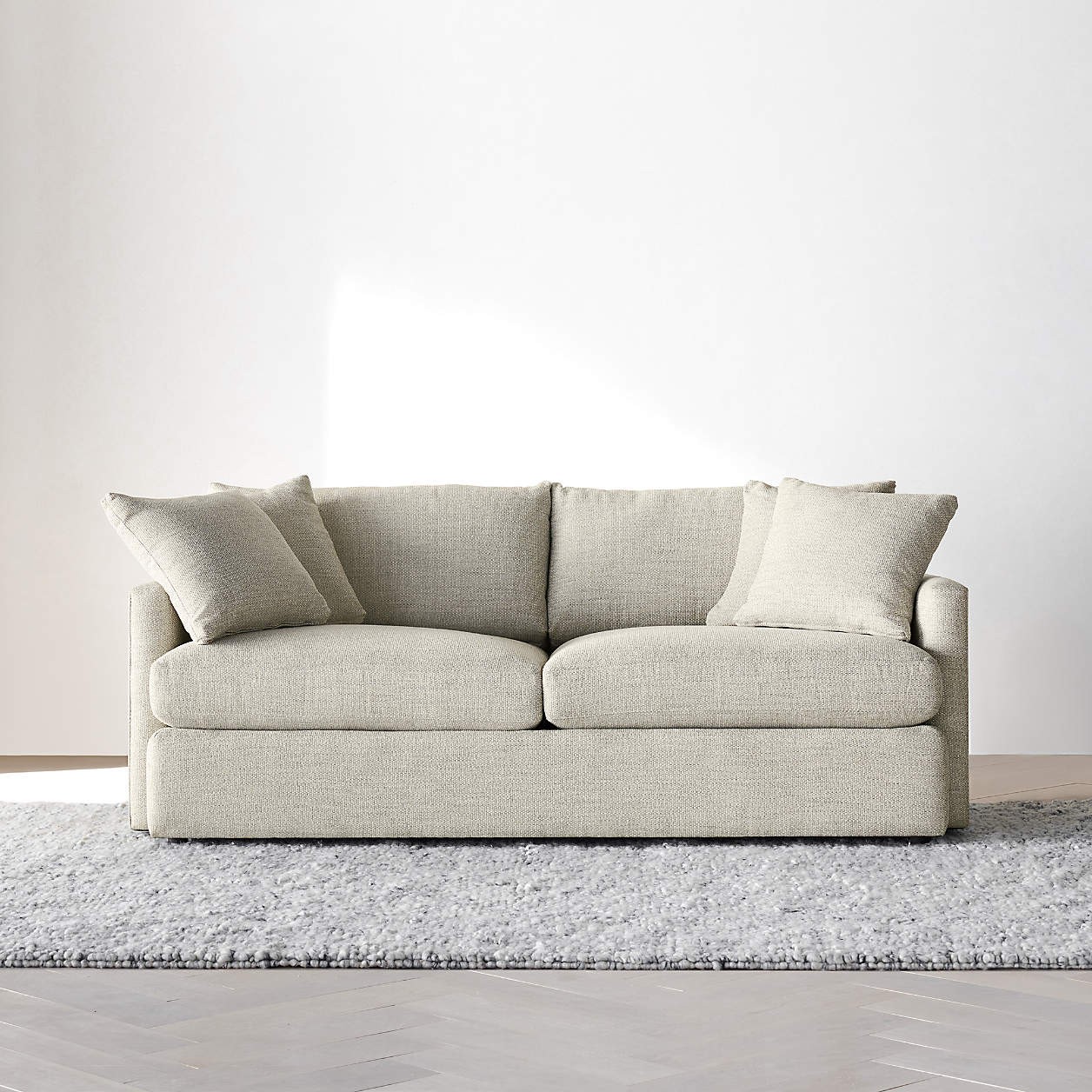
This is engineered behavior, not a manufacturing defect. Every cluster-fill cushion in this category, RH Cloud, Crate & Barrel Lounge, CB2 Lounge Deep, exhibits the same trajectory. The difference between brands is mostly how much fill they start with and how dense the foam core is. The Harmony starts in the middle of the pack on both metrics.
What this means for the fix: you don't need to replace the foam core or the covers. You need to replenish the cluster fill. That's a cheap, accessible job.
The refill procedure
Tools needed: scissors (sharp), a measuring cup or 1-gallon ziploc bag (for portioning fill), a vacuum (cleanup), and patience.
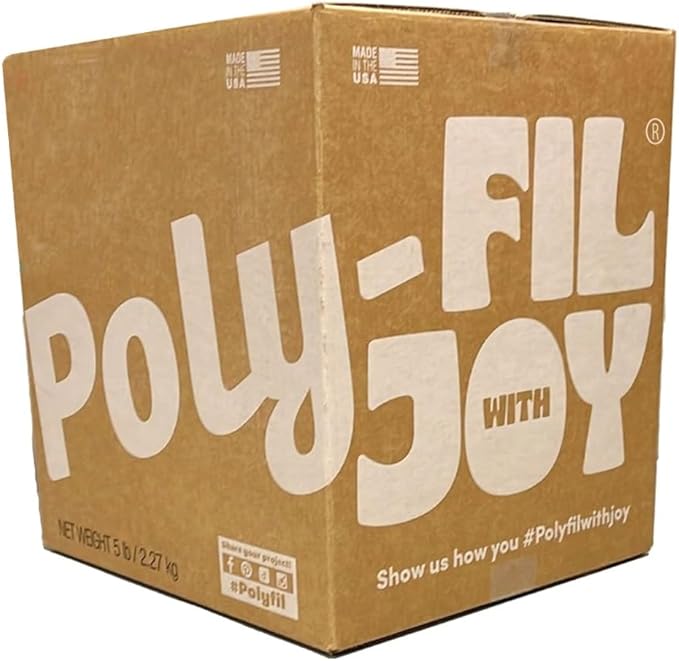
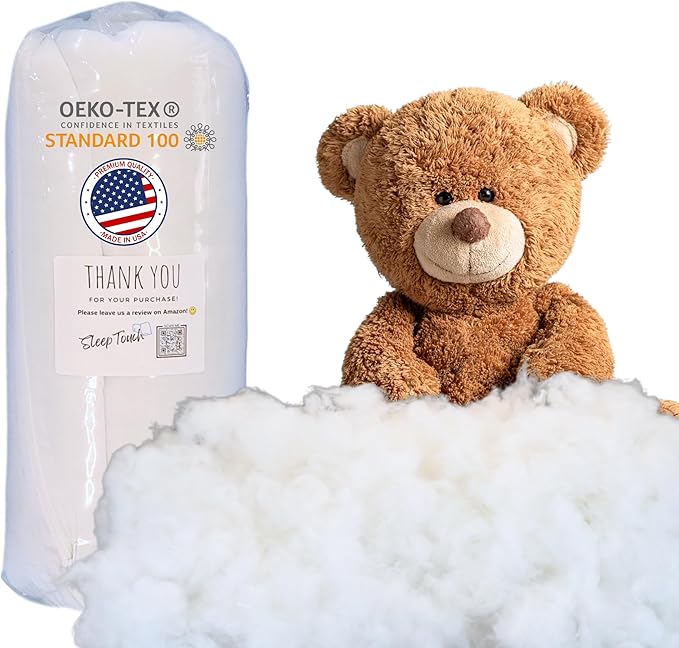
Materials: 5 lbs of polyester cluster fill (Fairfield is the standard), covers a full 3-seat sofa with extra. If you have the feather-and-down config and want to maintain that exact feel, premium down-alternative cluster fiber is the closest match. Pure polyester poly-fill works but produces a slightly firmer end result than the original cluster fill.
1. Identify the underfilled cushion. Press down with both palms, if the cushion stays compressed for more than 2 seconds before springing back, it's a candidate for refill. If it bounces back immediately, the fill is fine and you have a different problem (foam core compression, see below).
2. Unzip the slipcover. Most Harmony cushions have a two-zipper system: outer slipcover (which is washable) and an inner ticking (which contains the fill). Both unzip.
3. Carefully open the inner ticking. The cluster fill will start to escape, keep the cushion contained in a large open garbage bag or on a tarp. Wear a mask if it's feather-and-down (microscopic feathers float).
4. Add new cluster fill. Aim for about 1-2 lbs per seat cushion, depending on how compressed it was. Distribute by hand, pay particular attention to the corners and front edge, which is where compression is most visible.
5. Hand-massage the fill evenly. Pinch and redistribute until the cushion has uniform plumpness. Avoid clumping in the center; the goal is even distribution.
6. Re-zip inner ticking, re-zip slipcover, replace on sofa. The cushion should feel about 20-30% plumper than before. Sit on it once to settle the fill, then let it rest for a day before judging final feel.
When refilling isn't the right fix (foam core failure)
If you refill and the cushion still doesn't recover its original feel, the foam core has likely failed. This happens later in the cushion's life (typically 4-6+ years) and presents as: the cushion feeling structurally flat even when freshly fluffed, visible permanent indentation where you sit, or a noticeably softer feel than untouched cushions.
Foam core replacement is a much bigger job. You'll need to:
• Measure the cushion exactly (don't trust West Elm's spec, measure your actual cushion)
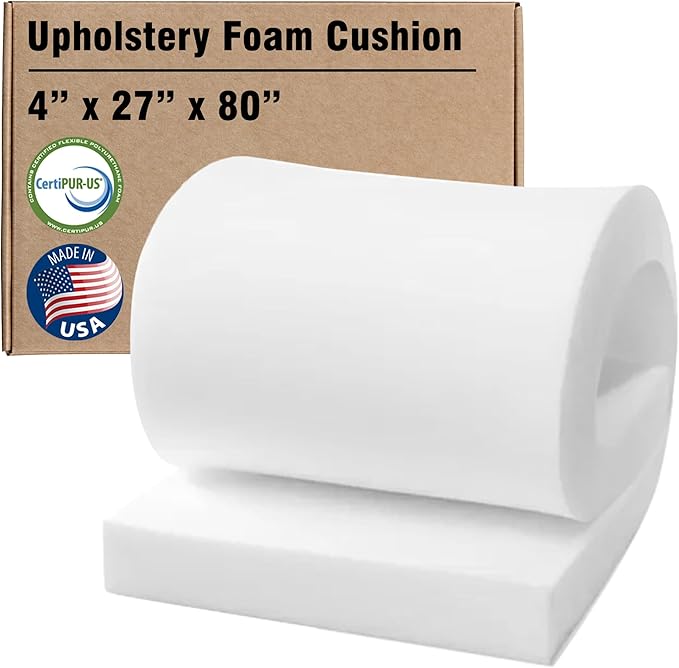
• Order high-density polyurethane foam in 36-45 ILD firmness (the right spec for a sofa cushion). FoamOrder.com cuts to size; Amazon options also work.
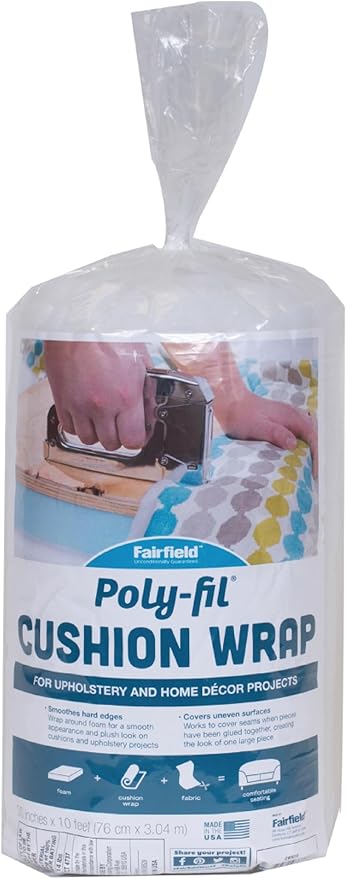
• Cut new foam to fit (or have FoamOrder pre-cut), then wrap the foam in batting
• Re-insert into the inner ticking with new cluster fill around it
This is a 2-hour job costing ~$150 per seat cushion. Worth doing if the rest of the sofa frame and covers are still solid; not worth doing if multiple things are failing simultaneously.
Why the West Elm replacement covers don't solve the problem
West Elm sells replacement Harmony slipcovers for $250-400 per cushion configuration. Owners regularly buy these expecting to restore the cushion feel, and report no difference. The replacement covers are identical fabric to the original; they don't address the underlying fill compression.
The math is also bad: a full 3-seat Harmony cushion-cover replacement runs $750+. The DIY refill costs about $40 in materials. The refill produces a better result because it solves the actual problem.
Replacement covers ARE worth it if your existing covers are damaged, pet scratches, irreparable stains, sun-bleaching, but only as a separate concern from sagging.
Preventive maintenance
Once the cushions are refilled, three habits meaningfully extend the time before they sag again:
1. Rotate cushions weekly. Move outside cushions to the middle position and vice versa. Most owners sit in the same spot, which compresses one cushion faster than the others. Weekly rotation distributes wear.
2. Fluff cushions at the end of each day. Pick up each seat cushion, hold it vertically, and karate-chop the front edge to redistribute fill. Takes 20 seconds and makes a real difference.
3. Vacuum cushion seams quarterly. Dust and skin cells work into the cluster fill over time, accelerating compression. Vacuuming with the upholstery attachment removes the worst of it.
None of this reverses the underlying engineering of cluster-fill cushions, they will eventually need refilling again, typically every 18-36 months with consistent use. But these habits stretch the interval and keep the cushions looking right between refills.
If you haven't bought a Harmony yet
If you're still in the buying-research phase and this guide showed up because you were worried about the sagging stories: the stories are true, the cushions do sag, and the fix is workable if you're willing to do it every couple of years. For some buyers, that's fine. For others, it's a reason to look at alternatives.
Direct alternatives in the same deep-seat MCM silhouette with better long-term cushion behavior: Joybird Bryant or Half-Moon, Crate & Barrel Lounge Deep, CB2 Lounge II Petite. All cost more than the Harmony but have meaningfully better fill construction. We've covered the Lounge Deep specifically in our full review.
If you're committed to the Harmony specifically, get it knowing the refill cadence ahead of time and budget the periodic $40-and-an-hour for maintenance. It's a livable trade for the price and the look.
Recommended
Products related to this guide.
What owners say
Real owner reports from the threads and editorial sources we drew on for this guide.
“If you're considering the Harmony Modular Sectional from West Elm, please just don't. Cushion covers come apart at the seams and cost over $250 to replace. Ours came with multiple pieces lacking proper structural support and sagged due to manufacturing defects.”
— r/HomeDecorating / OP
“Heavy-use, plush/soft furnishings can be BIFL but it's crucial to keep in mind they will need to be restuffed or have new cushion forms made over every few years — I'd wager 5 to 7 years on average — to keep it the same squishmallow softness without turning lumpy and uncomfortable.”
— r/BuyItForLife / Incogcneat-o
“We went to the store to check out the sofa in person. It looked amazing — comfortable and beautiful. The sofa arrived quickly, and at first glance, it looked just as beautiful as the one in the store. But then the cushions started losing shape almost immediately.”
— r/BuyItForLife / Loose-Umpire
“If you want deep and sink-in comfort that actually lasts, check out Joybird Bryant or the Half Moon Sofa. Both have legit seat depth (40"+) and plush cushions that don't collapse in a few months like some West Elm stuff.”
— r/BuyItForLife / Ok_Connection_3600
Sources
r/HomeDecorating: Harmony Modular Sectional — Do Not Buy (main complaint thread) · r/BuyItForLife: Deep Sofa like the West Elm Harmony but ACTUALLY worth the price · r/BuyItForLife: BIFL Harmony dupe with better build quality (alternatives thread) · The Furnished Review: West Elm Harmony Sofa Review (full review) · The Furnished Review: Crate & Barrel Lounge Deep Sectional Review (alternative)