West Elm
West Elm Pebble Coffee Table Reviews + Our Honest Verdict
By Sam Hollis · Updated October 2026
Independent editorial review. We never accept payment for coverage, though we may earn a commission if you purchase through our links.
Verdict
The Pebble is one of the more talked-about coffee tables in West Elm discussions, largely because the form breaks so hard from the brand's usual right angles. Reddit threads often show it in room photos alongside sofas like the Harmony and Haven, where its smooth rounded shape softens more linear pieces. Critical feedback lands on the material, since the concrete-look composite doesn't have the tactile quality of natural stone or solid wood, but most owners who bought it for the silhouette are happy with the result.
Read full take ↓Similar alternatives
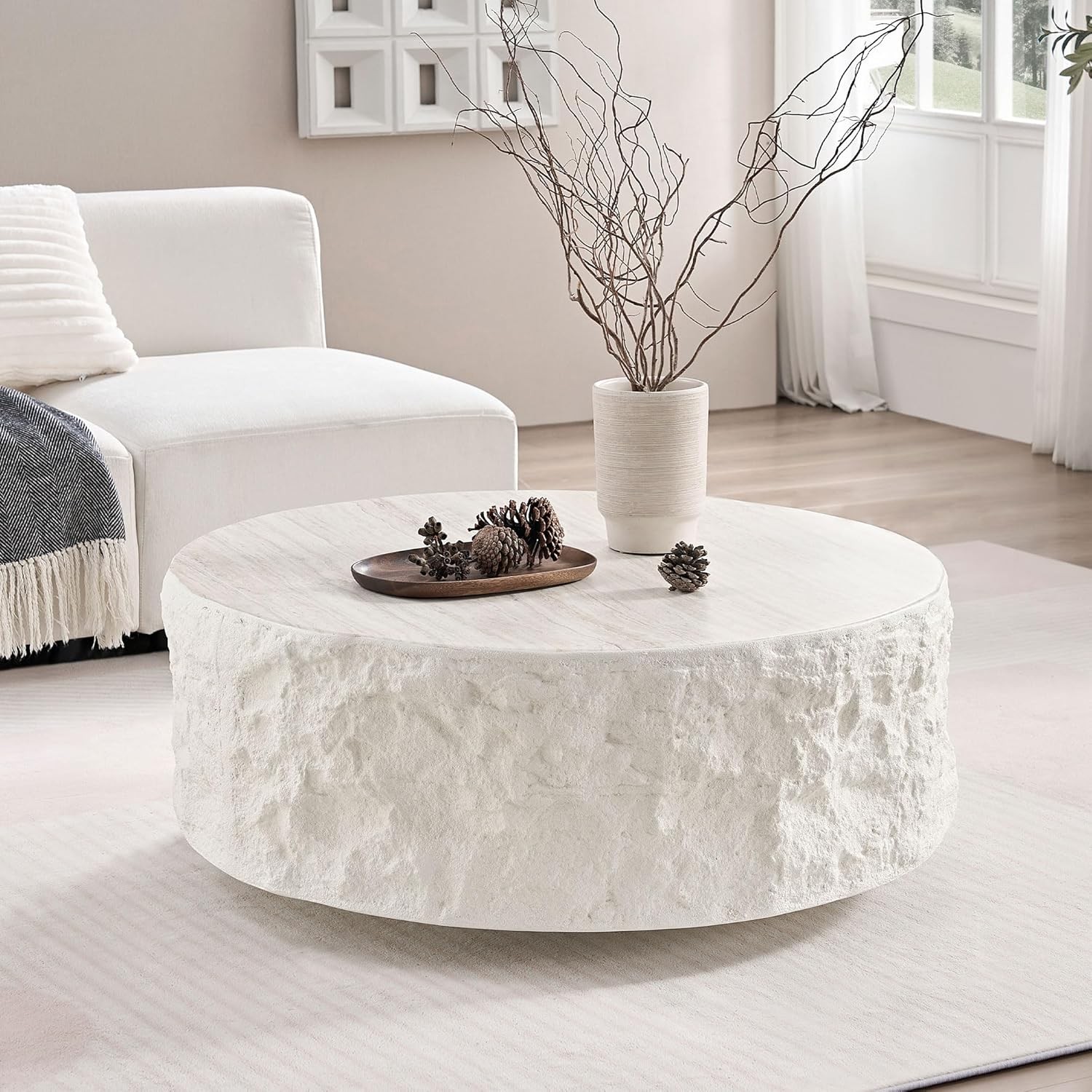
Quick Take
A concrete-aggregate composite top and legs, cast over an engineered substrate, which gives you the look of concrete with dimensional precision the smooth form needs. The threaded-insert leg connections are solid with no wobble. It is heavy, which suits a table that stays put, and it works outdoors as readily as inside.
A smooth-form coffee table that works as well outdoors as in
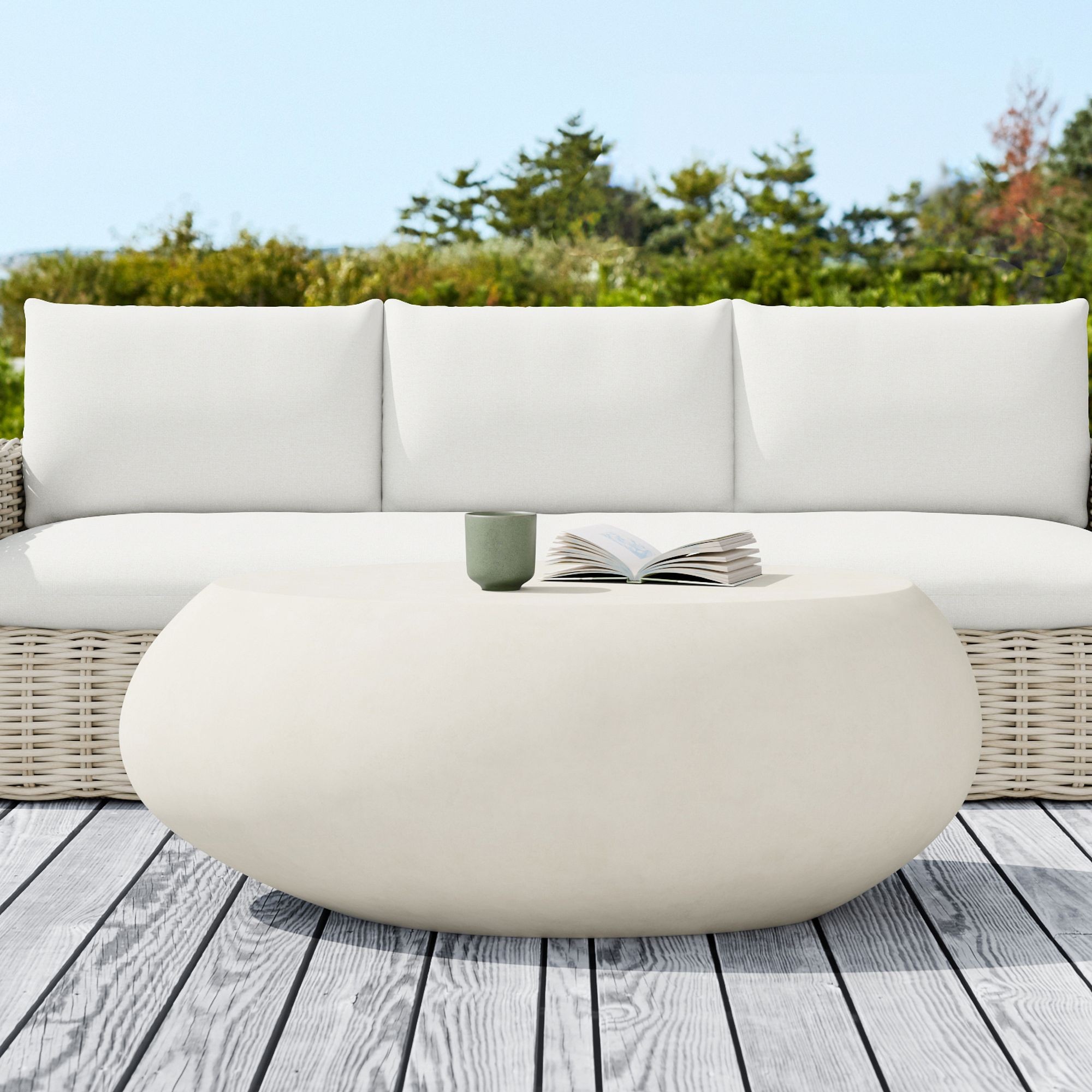
The West Elm Pebble Coffee Table takes its design premise seriously. The form is what the name says: a smooth, rounded oval with a subtly undulating surface that references a water-worn stone more than any conventional furniture geometry. The legs are short tapered cylinders that tuck under the top with minimal visual interruption, keeping your eye on the continuous curve from edge to center.
Priced from $499 to $599, the Pebble is sold as an indoor coffee table with outdoor capability. The composite material, a concrete-aggregate blend over an engineered core, is weather-resistant enough for covered patios and outdoor spaces, though West Elm markets it mostly in living room settings. If you want a coffee table that migrates between an enclosed porch and a living room by season, the Pebble handles both without losing its look.
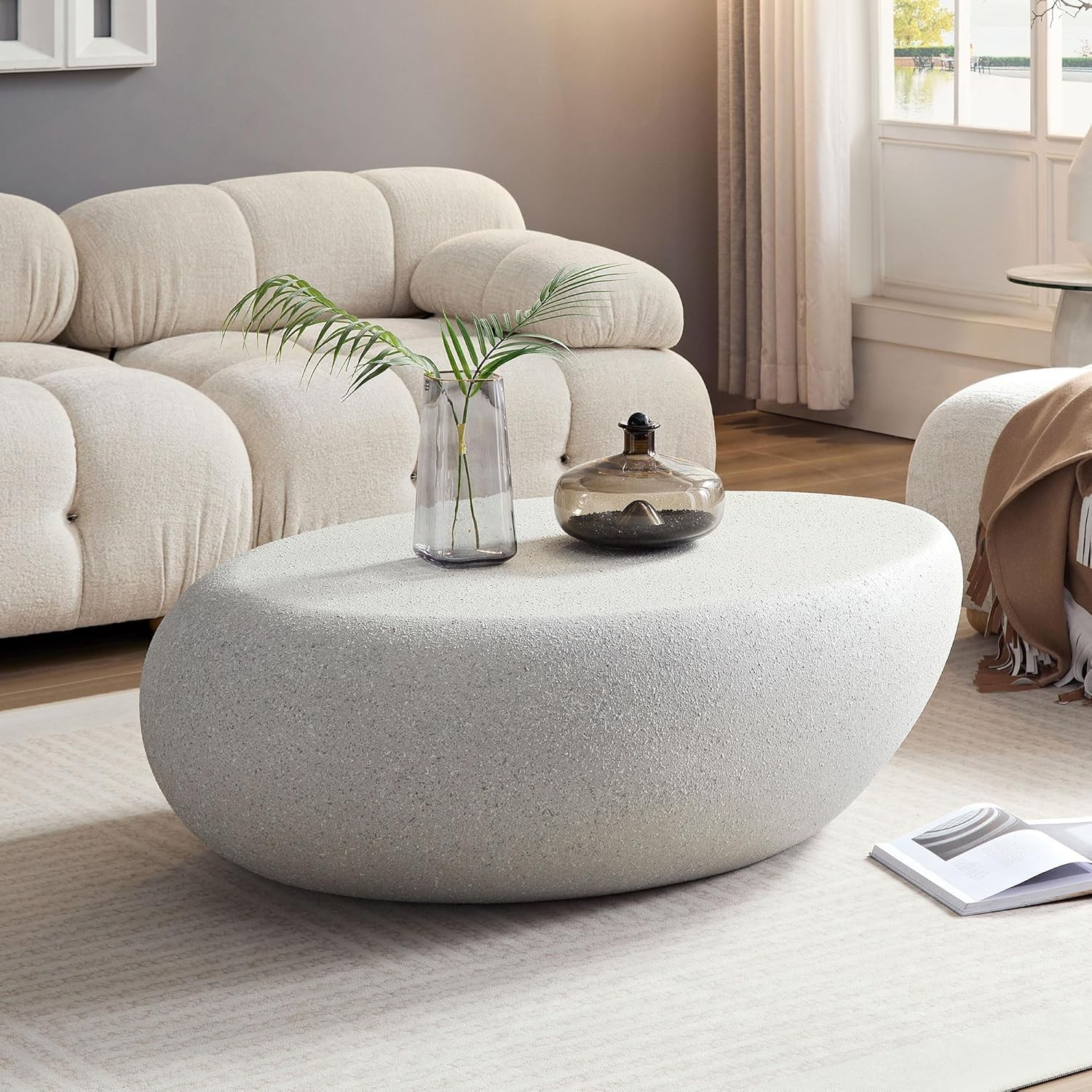
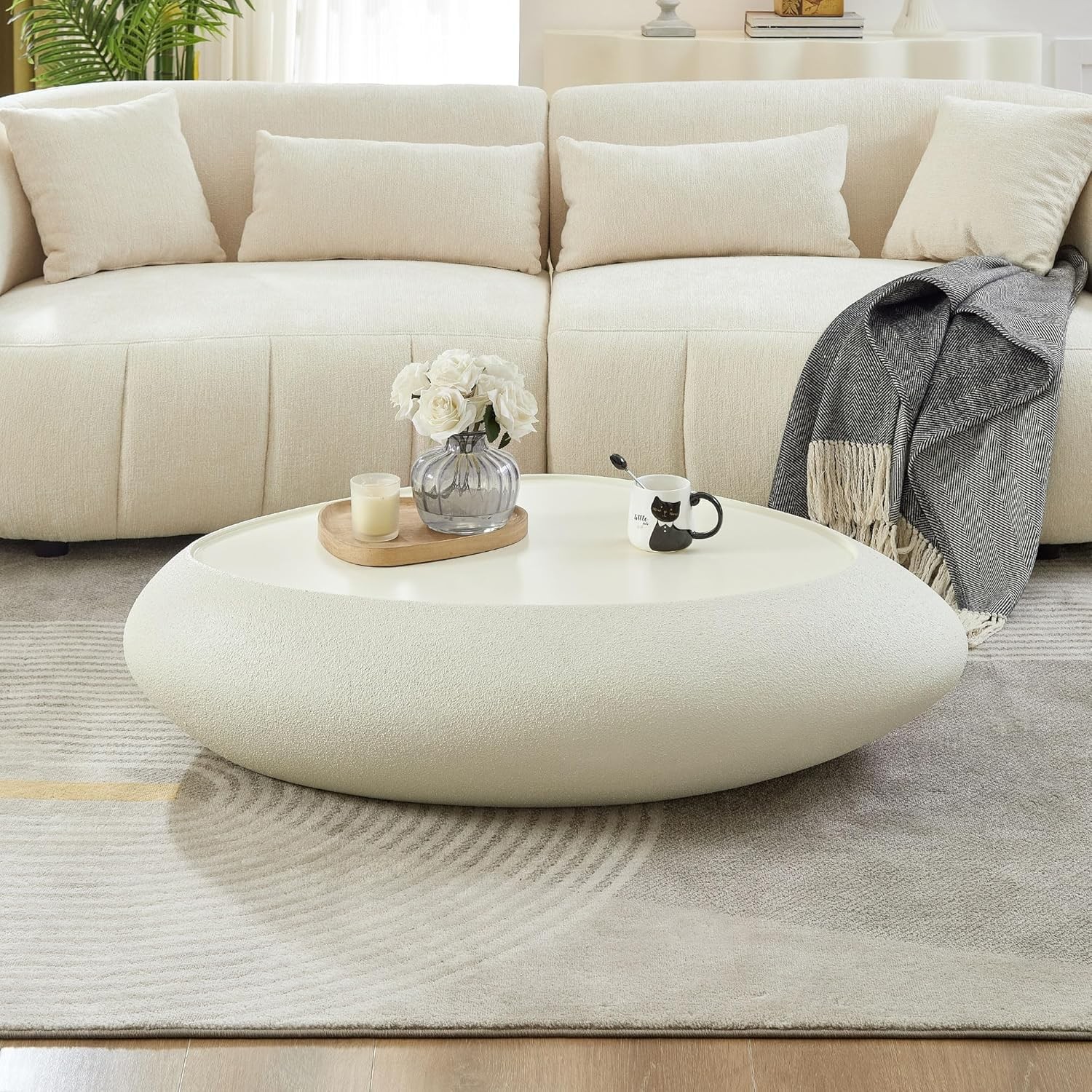
It comes in a warm grey and a more ivory-white tone. Both are the same material and construction, and the color difference comes from the aggregate mix and pigment in the composite. The surface has a light texture, not polished-stone smooth, not heavily rough either. From across the room it reads matte and soft, which is a big part of the organic quality.
Form as function
The rounded edge profile does practical work beyond looks. If you have young children, a table with no sharp corners is genuinely preferable. The continuous curve also makes the table easier to get around in tight spaces, since you're less likely to walk into a Pebble than into a square-cornered table with the same footprint.
Surface area is generous for the footprint. An oval maximizes usable area for a given perimeter compared to a rectangle, and the flat center plateau gives you a workable surface for books, trays, and drinks despite the slight curvature at the outer edges.
Material considerations
The concrete composite is heavier than wood alternatives at similar sizes, so expect 50 to 70 lbs depending on configuration. That weight buys stability and presence. The table doesn't shift when you lean on it or when a dog or a kid bumps it from the far side of the sofa. The tradeoff is that this isn't a table you'll want to move often.
The composite surface resists scratching better than natural wood and chips more easily at the edges if something hits it hard. The smooth organic form leaves no sharp edges to chip, and the outer curve of the top is the most exposed part and the most likely to show impact damage from furniture moving or an accidental collision.
Outdoors, the composite handles moisture, UV, and temperature cycling better than a wood surface. No finish to maintain, no oiling schedule, no worry about the surface material breaking down over long exposure. A covered patio is the best place for it, though the material takes incidental weather without immediate damage.
Living with the surface day to day
The concrete composite behaves differently from both wood and stone in daily use, and the differences matter before you buy. Cold drinks set straight on the table leave faint moisture rings that fade as the surface dries. Acidic spills, wine, citrus, vinegar-based dressings, etch the surface if they sit more than a few minutes. It's more forgiving than honed marble and less forgiving than a sealed wood top, so treat it as a surface that wants coasters and prompt wipe-downs rather than one you can ignore.
The other practical note is weight. The Pebble is heavy for its size and doesn't get rearranged casually. Owners who like to shift the living-room layout by season find that frustrating. Owners who pick a spot and commit find the heft reassuring, since the table doesn't move when you prop your feet on it and it doesn't slide on rugs the way lighter pieces do. Weight matters for second-floor apartments and walk-up moves too. Place it once and leave it.
Alternatives and value
At $499 to $599, the Pebble is strong value for a genuinely distinctive piece with a durable surface. The design is hard to match for less, since smooth organic forms in composite cost more to manufacture than rectangular wood or glass-top tables. If you want an organic form for less money, solid wood alternatives with carved edge profiles run $200 to $350, with a warmer material character than the Pebble's stone look.
Living-room pairing and sizing
The organic shape and matte composite pair best with soft, textured upholstery: bouclé sofas, slipcovered seating, washed-linen sectionals where the textures play off the table's smoothness. It doesn't sit as well with high-gloss furniture or sharp-line modern leather, where the visual languages share no vocabulary and the Pebble ends up reading as an out-of-place gesture.
Sizing is simple, and think it through anyway. The oval gives you more usable surface than a round table of the same nominal width, and it also reads visually larger in the room than its dimensions suggest. In a living room with a sofa under seven feet, the Pebble can dominate. In a room sized for a sectional, it settles in as the primary table. Buyers who measure to the inch and assume standard coffee-table proportions sometimes end up with more presence than they planned for. Buyers who choose the table after the seating is in place tend to be happier with the balance.
The Pebble is also one of the few coffee tables at this price that really works as an indoor-outdoor crossover. If you expect to move the table between a covered patio and a living room across seasons, you get more range out of it than from a wood or metal alternative at the same money, and the composite makes the transition without the seasonal acclimation solid wood needs.
Material and construction details
The Pebble's top is a concrete-aggregate composite, a mix of Portland cement, fine aggregate, and pigment cast over an engineered substrate. The process gives you a surface with the visual character of concrete at a weight and dimensional precision that lets the smooth curved form come out consistently in production.
The legs are the same composite, formed separately and attached to the top through threaded inserts set in the casting. The connection is solid, with no wobble in the assembled piece. The whole thing is heavier than wood alternatives, which suits a piece that stays put rather than one that gets moved around.
Material specifications
- Tabletop: concrete-aggregate composite, cast form
- Surface finish: matte, light texture, unsealed (moisture-resistant by material composition)
- Legs: matching composite material, tapered cylinder profile
- Available tones: warm grey, ivory-white
- Dimensions: approximately 42 inches long by 28 inches wide by 16 inches tall (larger version: 48 by 30 by 16)
- Weight: approximately 55-70 lbs depending on size
Weather and surface durability
Concrete composites are moisture-resistant in the sense that the material doesn't swell, rot, or delaminate from water exposure. The surface picks up a patina outdoors over time, a slight darkening from accumulated environmental particulates, while the structural material is unaffected. On a covered patio, no surface treatment is necessary. For uncovered outdoor use where freeze-thaw cycles happen, a sealer adds some protection against freeze-expansion damage in micro-cracks over long time scales.
The surface is far more scratch-resistant than wood. Concrete aggregate has a Mohs hardness of 5 to 7, higher than most metals used for sharp objects, so spilled drinks, pet claws, and keys won't scratch it in normal use. The vulnerability is impact from hard, heavy objects that can chip the composite, and a heavy object dropped at the edge of the table worries me more than any surface abrasion.
Maintenance
The Pebble needs no regular maintenance. Clean it with a damp cloth and mild soap. Outdoors, an annual rinse with fresh water covers it. If tannin-containing drinks leave staining, a diluted bleach solution (10:1 water to bleach) applied briefly and rinsed thoroughly clears most discoloration without hurting the finish. Skip abrasive cleaners, which dull the matte texture.
Our Ratings
Overall score
A cast concrete-aggregate top and matching legs joined through threaded inserts set into the casting, solid with no wobble. The material does not swell, rot or delaminate, and at a Mohs hardness of 5 to 7 it shrugs off keys, claws and spilled drinks. Its one vulnerability is impact: a heavy object dropped on an edge can chip it.
A smooth rounded form that reads as a water-worn stone rather than furniture, on short tapered legs that keep your eye on the top. Warm grey or ivory-white, and it works on a covered patio as readily as indoors.
No maintenance at all on a covered patio, which is rare in this category and most of the value. It is heavy at 55 to 70 pounds, so treat it as a piece that stays put. For uncovered use through freeze-thaw cycles, a sealer is worth adding.
Frequently asked questions
Is the West Elm Pebble Coffee Table worth it?
A concrete-aggregate composite top and legs, cast over an engineered substrate, which gives you the look of concrete with dimensional precision the smooth form needs. The threaded-insert leg connections are solid with no wobble. It is heavy, which suits a table that stays put, and it works outdoors as readily as inside.
How is the West Elm Pebble Coffee Table built?
A cast concrete-aggregate top and matching legs joined through threaded inserts set into the casting, solid with no wobble. The material does not swell, rot or delaminate, and at a Mohs hardness of 5 to 7 it shrugs off keys, claws and spilled drinks. Its one vulnerability is impact: a heavy object dropped on an edge can chip it.
What styles does the West Elm Pebble Coffee Table work with?
A smooth rounded form that reads as a water-worn stone rather than furniture, on short tapered legs that keep your eye on the top. Warm grey or ivory-white, and it works on a covered patio as readily as indoors.
Options Worth Checking Out
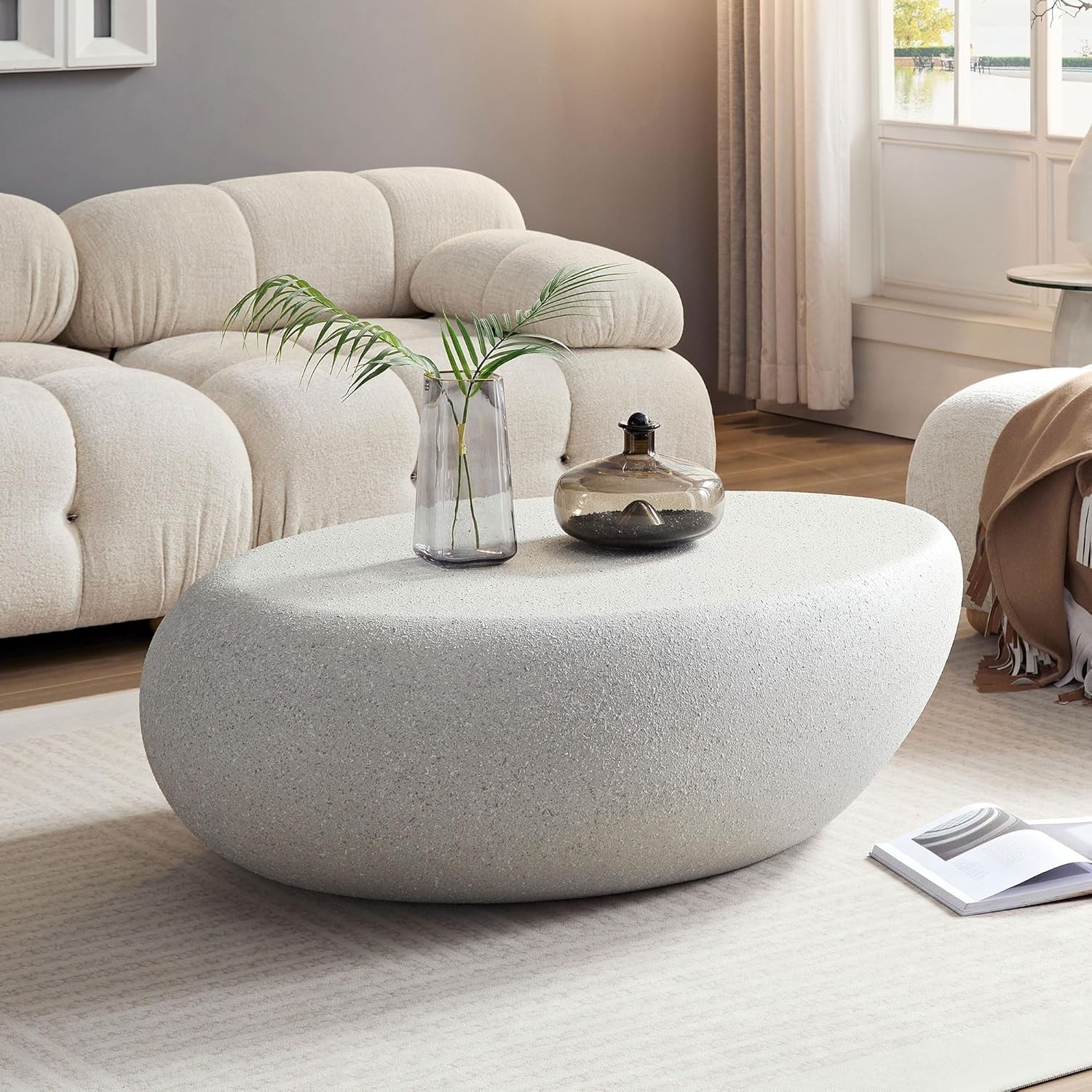
Fiberglass Oval Outdoor Coffee Table
Fiberglass oval table rated for indoor and outdoor use. Lightweight and weather-resistant, with none of the assembly complaints aimed at the Pebble.
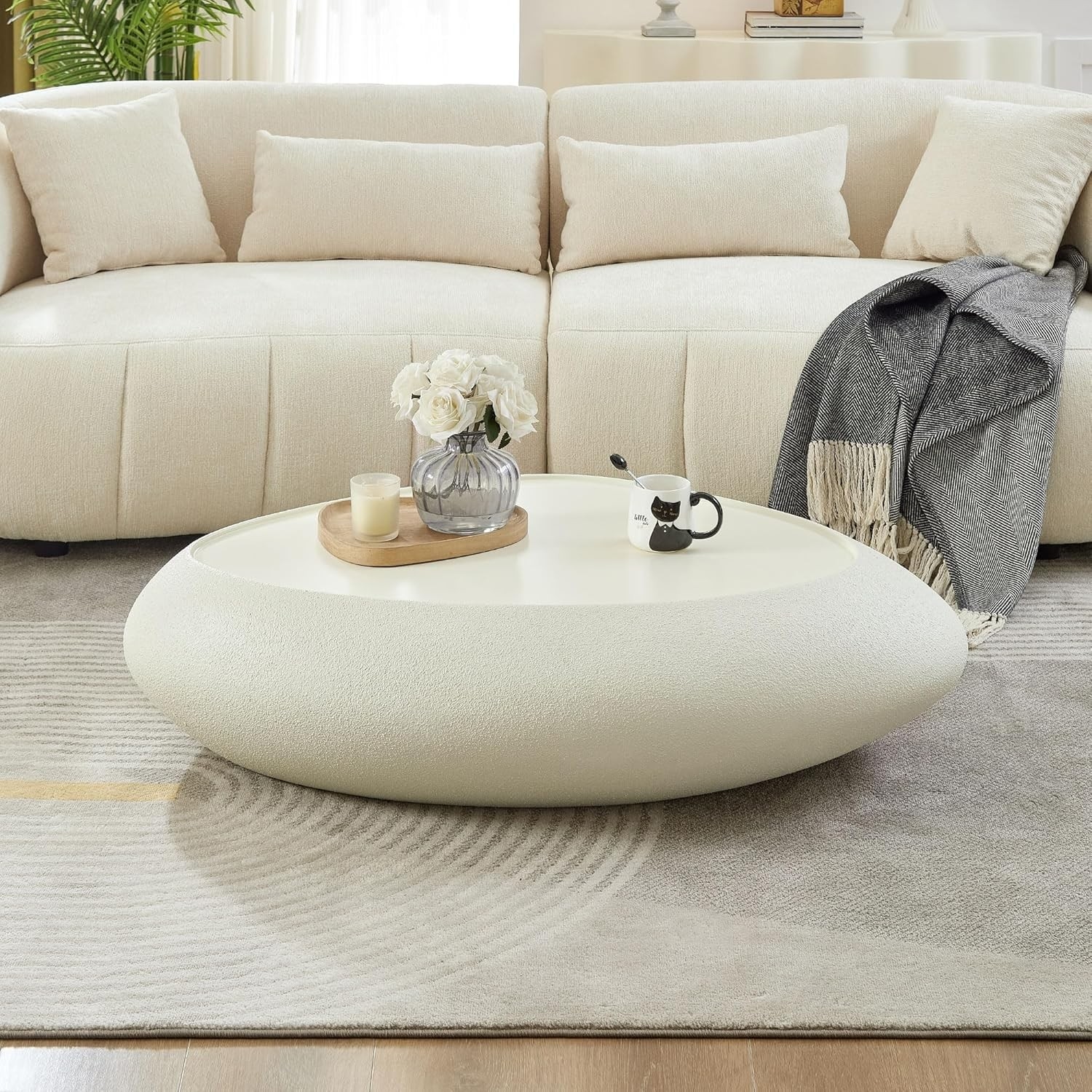
KEIKI Fiberglass Irregular Oval Coffee Table
Organic-form fiberglass table with an irregular oval silhouette and stone-look finish. Closest direct stand-in for the Pebble's sculptural profile.
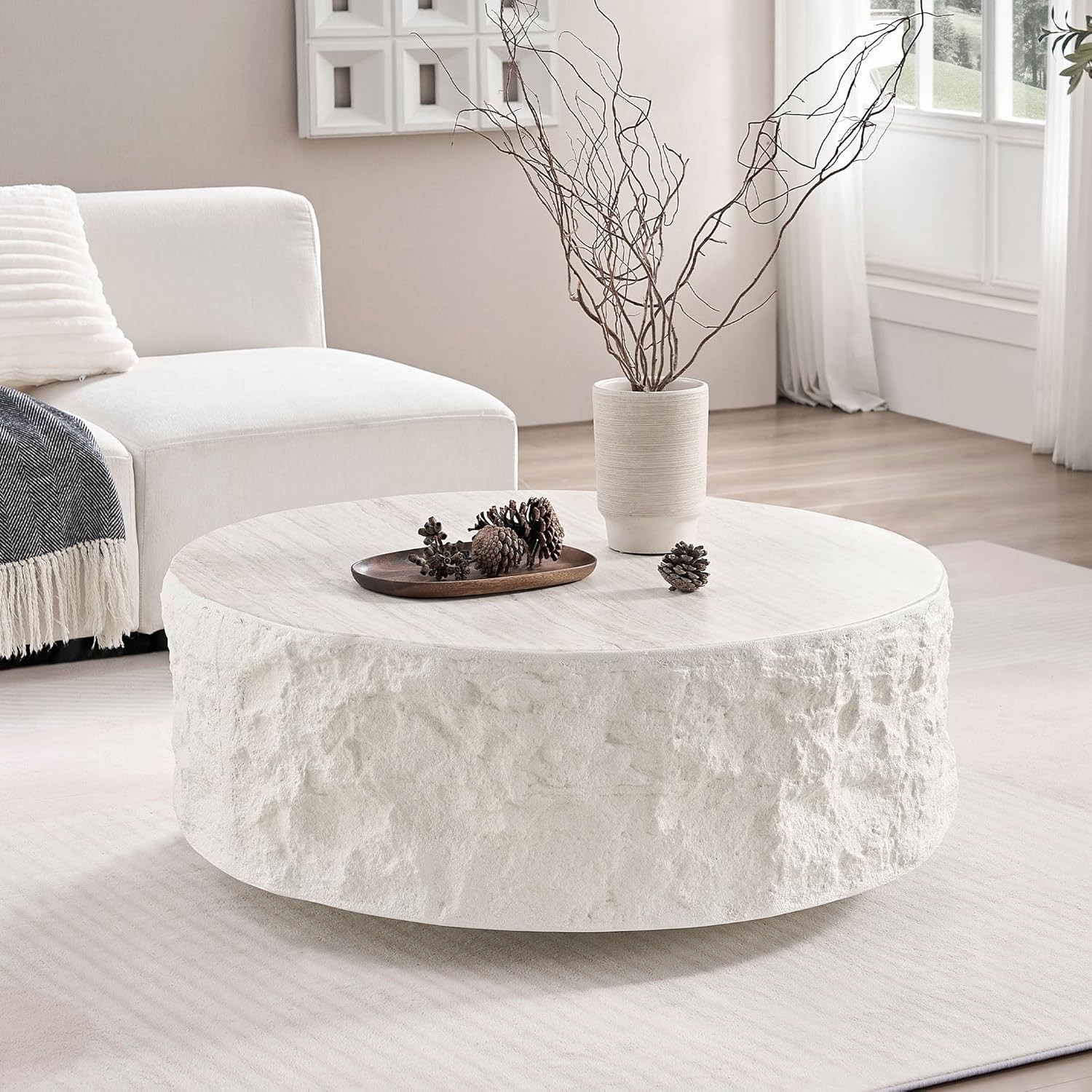
HanStrong Fiberglass Stone-Look Coffee Table
Imitation-stone fiberglass table that's lightweight despite the look. Apartment-friendly and mostly preassembled, sidestepping the Pebble's construction concerns.
More West Elm Reviews
See all →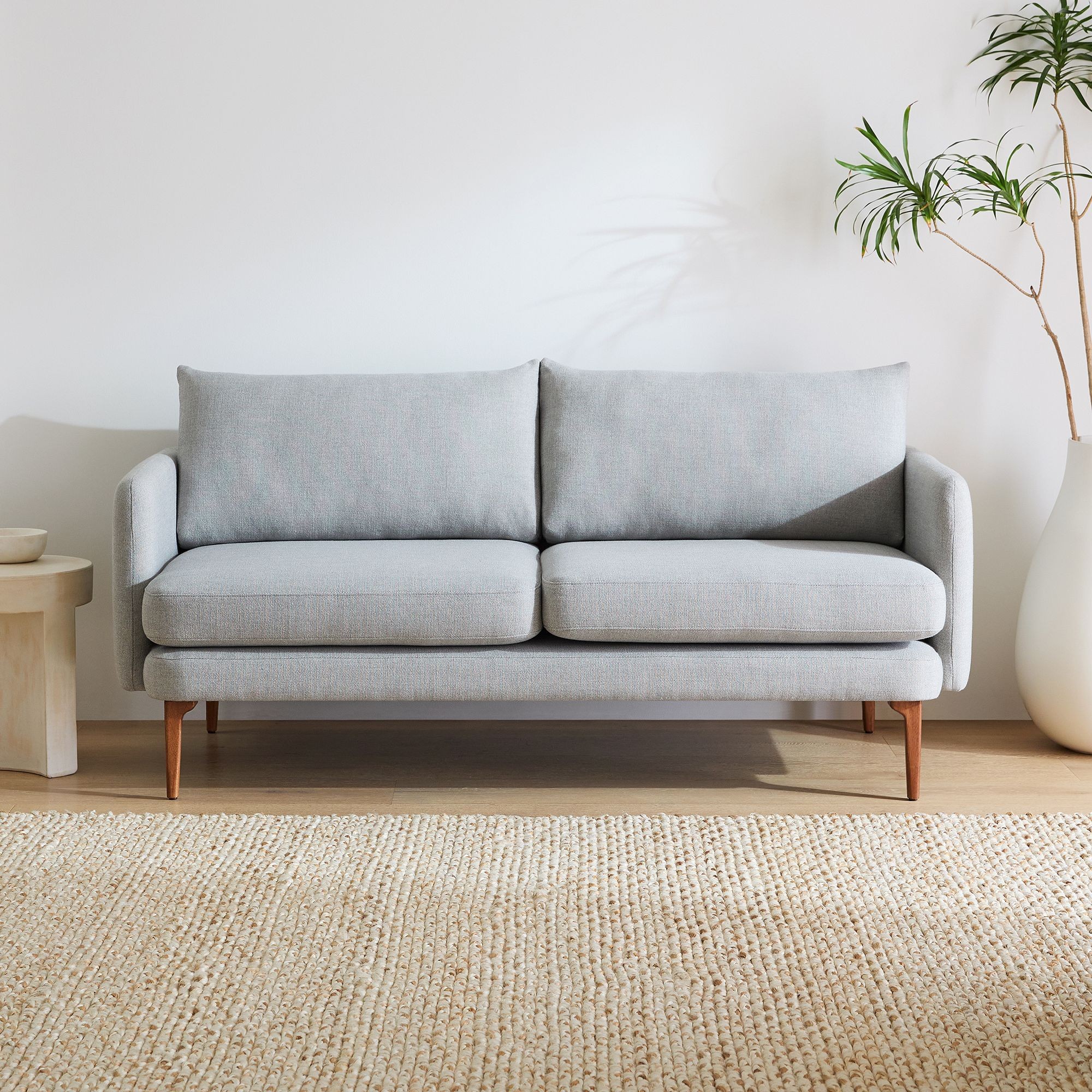
West Elm Auburn Sofa Review: Compact Build + Our Honest Verdict
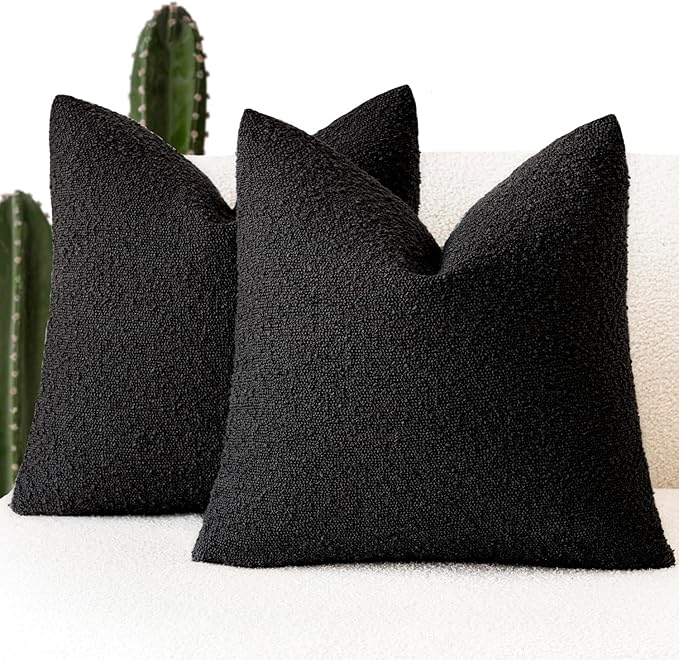
Best Throw Pillows for a West Elm Harmony Sofa: Sizes, Texture, and Layering
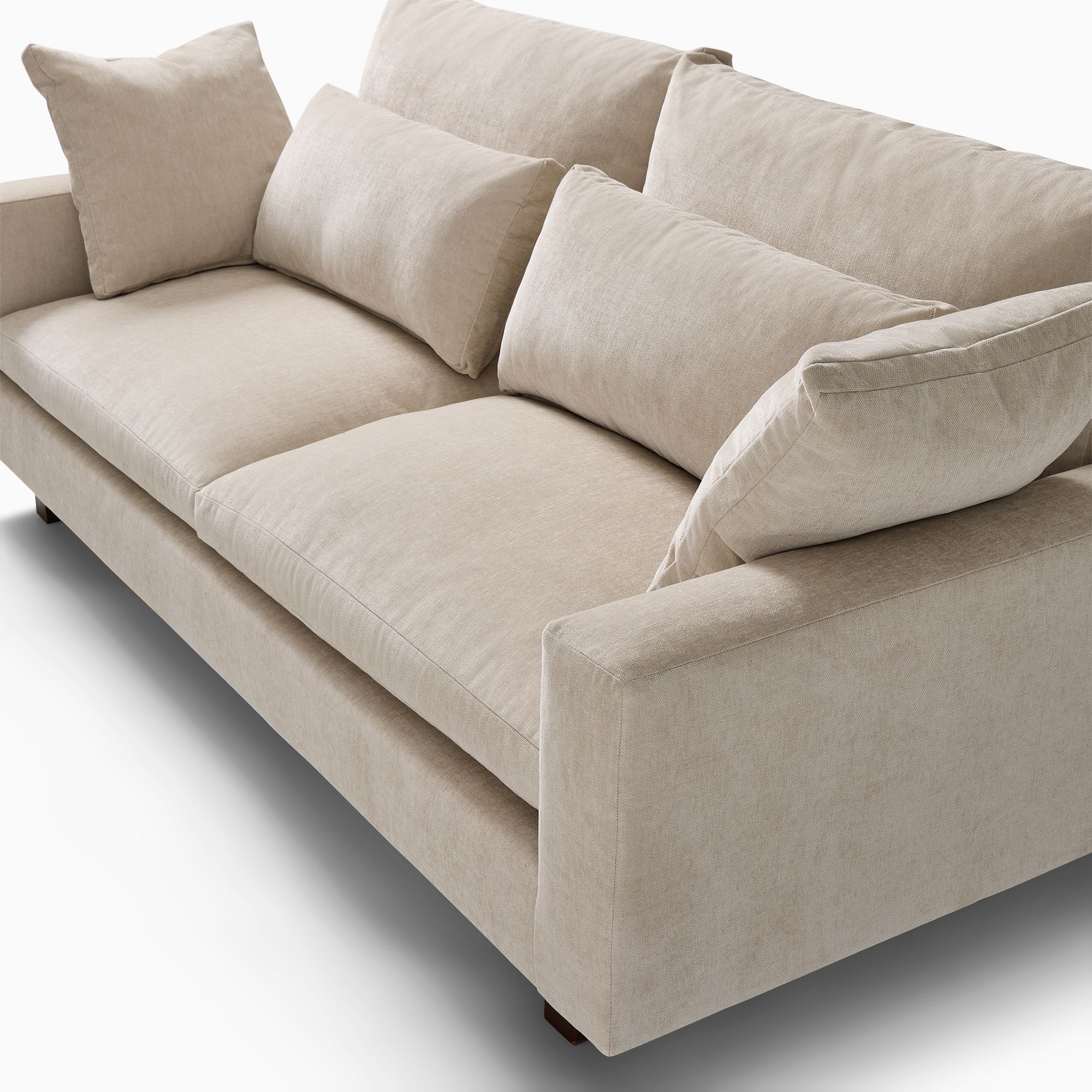
West Elm Harmony Cushions Sagging? The $40 DIY Fix (And When to Give Up)
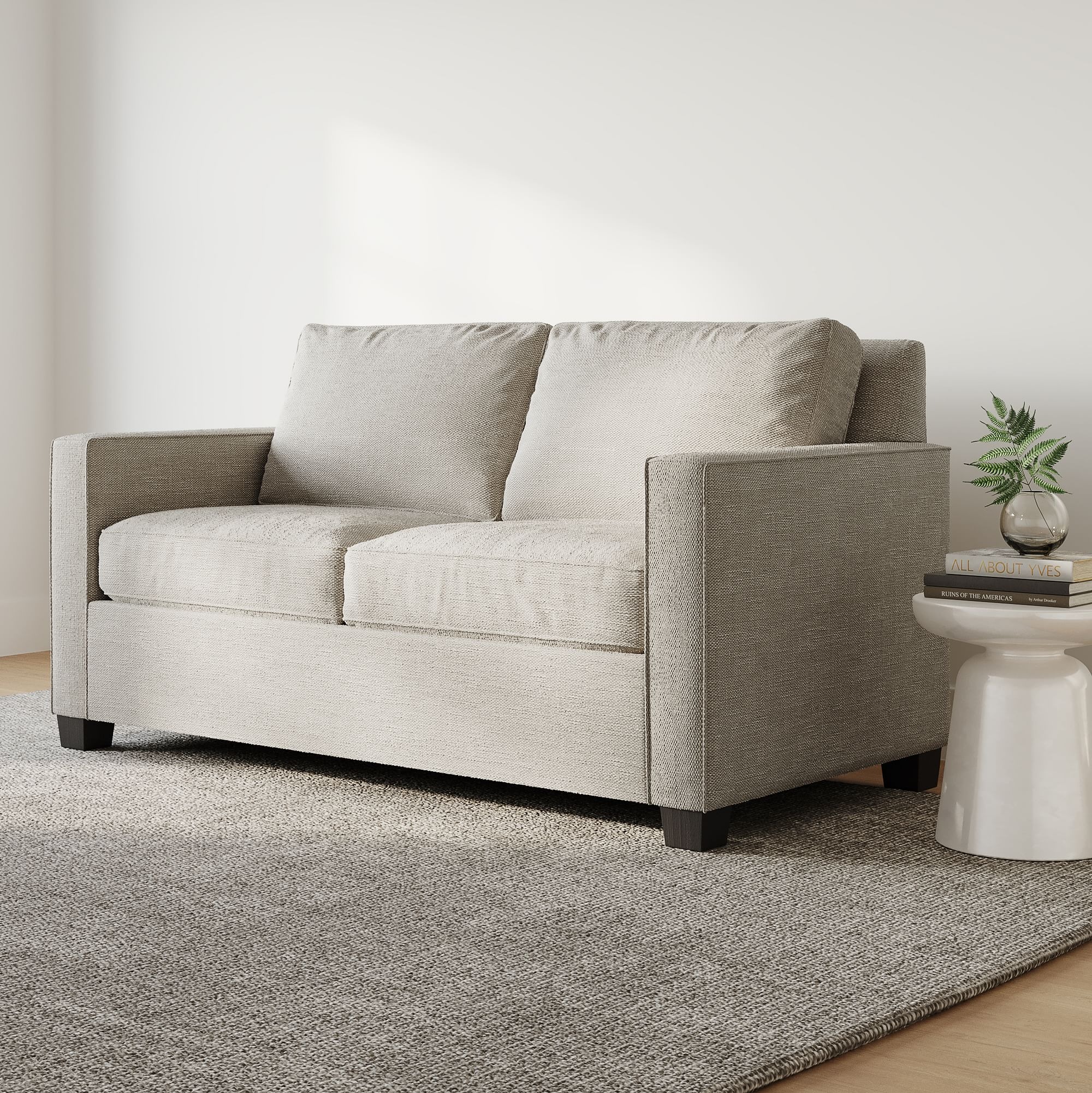
West Elm Peggy Sofa Reviews + Our Honest Verdict
How Does It Compare?
Side-by-side breakdowns featuring this product