West Elm
West Elm Industrial Pop-Up Coffee Table Reviews + Our Take
By Sam Hollis · Updated October 2026
Independent editorial review. We never accept payment for coverage, though we may earn a commission if you purchase through our links.
Verdict
The West Elm Industrial Storage Pop-Up Coffee Table has a well-documented thread presence in r/DIY and r/HomeImprovement, almost entirely centered on one topic: the lid-not-closing-flat issue. A single r/DIY thread has accumulated years of replies from owners with the same problem, the spring tension overwhelms the magnetic closure, leaving the lid slightly raised at the back. The community-sourced fix (u/AUS_1992_PILOT: 'I just took the spring off on the side that was not level... works like new. Magnets work well now') has been confirmed by dozens of subsequent owners, with u/yourhandsarecold noting they'd been dealing with the problem for four years before finding the solution. The mango wood finish is a secondary thread topic, multiple owners in r/woodworking and r/furniturerestoration report the factory lacquer stripping under acetone and nail polish remover, and several have refinished the table successfully with Danish oil or wipe-on poly. The consensus on refinishing is positive: the solid wood underneath takes new finish well. Offsetting the mechanism complaints is genuine affection for the design, the table resells briskly on Facebook Marketplace and appears regularly in apartment setup posts in r/malelivingspace and r/femalelivingspace. People who get the mechanism working correctly tend to keep the table for years.
Read full take ↓Similar alternatives
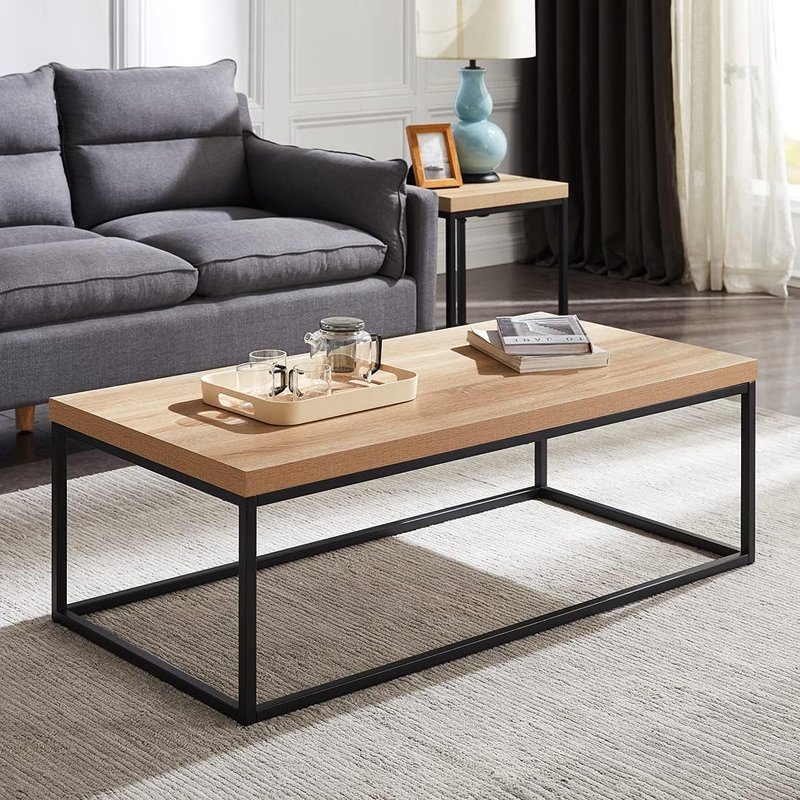
Quick Take
Solid mango wood throughout, where most lift-top tables at this price use MDF or veneer, and it sands and refinishes rather than chipping. The blackened steel legs are welded and bolted so they re-tighten. The drag is the mechanism: a lid that will not close flat is a daily irritation, so inspect it on arrival.
The pop-up mechanism
The West Elm Industrial Storage Pop-Up Coffee Table is built around a simple premise: a flat coffee table surface is inefficient. The pop-up lid converts the table into a workspace or casual dining platform at 25 inches, useful height for a laptop, a bowl of pasta, or a board game, while the storage compartment underneath absorbs the remotes, coasters, and books that would otherwise occupy the surface. It's a functionally smarter design than a standard coffee table, and West Elm executes it in solid mango wood and blackened steel at $499.
That mechanism, however, has a documented failure pattern. The pop-up uses two metal springs at the hinge point to assist the lift. Over time, through repeated use and the normal seating and unseating of the springs, the spring tension begins to exceed what the magnetic closures can counteract. The result is a lid that won't sit fully flush: slightly raised at the back, which is noticeable in everyday use and a persistent minor frustration. A single Reddit thread in r/DIY about this exact issue has accumulated years of replies from owners encountering the same problem.
The fix is well-documented in the DIY community and doesn't require special tools. Removing one of the two springs reduces the tension imbalance; the magnets then close the lid cleanly. Dozens of owners have confirmed it works, and the repair takes under 20 minutes once you understand the hinge. What it requires, opening the mechanism and recognizing which spring to remove, assumes a level of mechanical comfort not every buyer has. On a $499 table from a brand that positions itself as premium, the fact that buyers are expected to diagnose and repair their own mechanisms is a product quality gap, even if the fix is accessible.
Mango wood
The table body is solid mango wood throughout, no particleboard core, no veneer over engineered wood. Mango is a genuine hardwood with a Janka hardness of approximately 1,070 lbf, denser than pine and comparable to teak in weight and durability. It's harvested from fruit trees after their productive years, which gives West Elm a credible sustainability credential: the mango wood sourcing is a real practice, not a marketing label applied to a standard supply chain.
At $499, solid hardwood is not the default. Most competing lift-top coffee tables in this price range use MDF (medium-density fiberboard, an engineered wood board) or veneered particleboard for the body, materials that can look good for a few years but don't refinish, don't improve with age, and aren't structurally comparable to solid wood under the stresses of a table that opens and closes daily. The mango wood body is the primary reason this table is worth taking seriously at its price point.
The factory lacquer finish is the mango wood's weak link. It's thin relative to what a proper hardwood finish can provide, and it strips easily under acetone, nail polish remover, and harsh chemical cleaners. Multiple owners in r/woodworking have documented solvent damage and then successfully refinished the table, the solid wood underneath takes new finish well, but the factory coating isn't protective enough for its price tier. Wipe spills immediately, keep solvents away from the surface, and avoid alcohol-based cleaners.
The Fair Trade story
The table is made in a Fair Trade Certified factory in India. This is an audited certification: factories must meet standards for worker wages, safety conditions, and community investment to maintain it. West Elm has carried Fair Trade Certified products since 2013 and is among the largest purchasers of Fair Trade Certified home goods globally. The certification on this table is meaningful, not a sticker applied to a standard supply chain.
The mango wood sourcing from post-fruit trees is a legitimate sustainability practice. The trees are repurposed rather than grown specifically for timber, which means they're not displacing food production or primary forest. West Elm's sustainability claims on this table hold up to scrutiny better than most furniture brands' environmental marketing.
Style
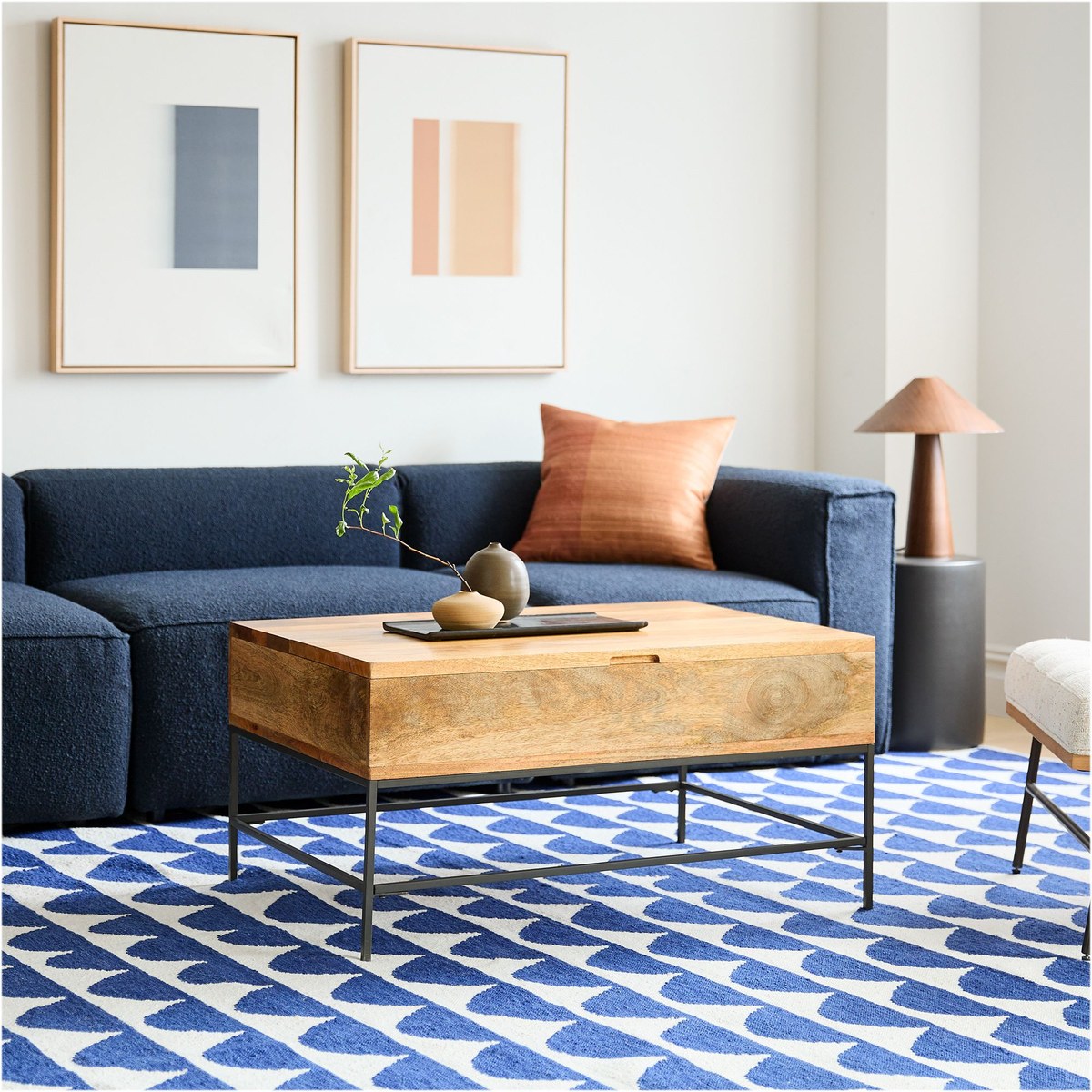
Blackened steel legs against warm mango wood is a combination that reads as industrial without being cold. The proportions, 36 inches wide by 26 deep by 17.75 inches tall, suit apartment-scale living rooms without dominating them. The table appears regularly in room setup posts across r/malelivingspace and r/femalelivingspace, usually in rooms that mix mid-century, industrial, and transitional elements. It photographs well and translates well to real spaces.
At 36 inches wide, this table is narrower than the typical sectional-scale coffee table (which often runs 48 inches or wider). This reads as either appropriately scaled or slightly undersized depending on your sofa length. The 26-inch depth is standard. If your living room is sized around a large sectional, measure before buying, the table may look small in proportion.
The pop-up surface adds a visual interest point that flat-top tables don't have: the slight reveal of the interior compartment reads as designed-in rather than improvised. With the mechanism working correctly, the open position is as intentional-looking as the closed one. The table resells briskly on Facebook Marketplace, which is a real-world signal that owners value it enough to sell rather than discard.
Value
At $499, the Industrial Storage Pop-Up is the realistic option for buyers who want solid hardwood in a storage coffee table. Article, CB2, and comparable direct-to-consumer brands either don't make lift-top tables, use engineered wood at similar prices, or charge $700 and up for solid wood alternatives. West Elm's Key Rewards membership and persistent 20-30% sale events mean most buyers pay $350-$400 effective price. At that number, with the spring mechanism caveat understood going in, this is a strong buy.
The condition is mechanical comfort. Buyers who are comfortable with a brief DIY fix when the spring issue appears, and the evidence strongly suggests it will appear for most owners, get a well-made solid wood table with genuine storage at a price the market doesn't often offer. Buyers who expect premium furniture to work indefinitely without intervention should either avoid this table or budget for a $5 spring from a hardware store and 20 minutes of their time.
Solid mango, and a mechanism that sticks
Top and body
Solid mango wood throughout, no engineered wood core or veneer. Mango is a hardwood with a Janka rating of approximately 1,070 lbf. The full-thickness solid wood construction means the table can be sanded and refinished when the factory finish wears. Natural grain variation between pieces is expected and characteristic of the material.
Finish
Factory lacquer/oil over raw mango. Thin relative to what hardwood can support, strips easily under acetone, nail polish remover, and harsh solvents. Wipe spills immediately; avoid alcohol-based cleaners. The solid wood underneath refinishes well with Danish oil or wipe-on poly if the factory finish is damaged or removed.
Base
Blackened steel legs, powder-coated finish. Welded construction. Legs bolt to the wood body rather than pinning, a more durable connection that allows re-tightening if legs loosen over time.
Pop-up mechanism
Spring-assisted lift top with magnetic closures. Two metal springs mounted at the hinge point assist the lid lift. Known issue: spring tension can develop beyond what the magnetic closures counteract over time, leaving the lid slightly raised at the back. Community fix: remove one spring to balance tension. Interior storage cavity: approximately 32"w × 22"d × 6.5"h. No interior dividers included.
Dimensions & weight
36"w × 26"d × 17.75"h. Pop-up working height: 25". Weight: not published by West Elm; estimated 45-55 lbs based on comparable solid mango tables at this size.
Certifications & sourcing
Fair Trade Certified™ factory (India). Mango wood sourced from post-fruit trees. Both credentials are audited and verified, not self-reported marketing claims.
Warranty
West Elm's standard return policy applies (varies by purchase channel). No specific long-term structural warranty is published for this item. Mechanism issues that develop after the return window are not covered under any published warranty.
Our Ratings
Overall score
Solid mango wood throughout, a genuine hardwood that sands and refinishes, where most lift-top tables this cheap use MDF or veneer; the blackened steel legs are welded and bolted so they re-tighten. Fair Trade Certified production and post-fruit-tree sourcing are audited, not marketing. The weak point is the lift mechanism: the springs outmuscle the magnets over time, so the lid sits slightly raised at the back, fixable with a cheap spring swap.
Blackened steel legs contrast cleanly against warm mango, and the boxy 36-by-26 proportions suit apartment-scale rooms, though they can read undersized beside a long sectional. The grain varies from light amber to dark chocolate within one slab, so two of the same table can look different, which most owners treat as a feature. Fits mid-century, industrial, transitional, and Scandinavian rooms, less so ornate or maximalist ones.
At $499 it sits between buy-once and replace-later furniture, and the solid, refinishable mango argues for buy-once, backed by Fair Trade production. The mechanism issue is the drag: a lid that won't close flat is a daily irritant, and while the fix is a cheap 20-minute job, not every buyer is handy enough to want it. West Elm runs frequent 20-30% sales, so aim to pay $350-400, where this becomes a strong buy.
What People Are Saying
The West Elm Industrial Storage Pop-Up Coffee Table has a well-documented thread presence in r/DIY and r/HomeImprovement, almost entirely centered on one topic: the lid-not-closing-flat issue. A single r/DIY thread has accumulated years of replies from owners with the same problem, the spring tension overwhelms the magnetic closure, leaving the lid slightly raised at the back. The community-sourced fix (u/AUS_1992_PILOT: 'I just took the spring off on the side that was not level... works like new. Magnets work well now') has been confirmed by dozens of subsequent owners, with u/yourhandsarecold noting they'd been dealing with the problem for four years before finding the solution. The mango wood finish is a secondary thread topic, multiple owners in r/woodworking and r/furniturerestoration report the factory lacquer stripping under acetone and nail polish remover, and several have refinished the table successfully with Danish oil or wipe-on poly. The consensus on refinishing is positive: the solid wood underneath takes new finish well. Offsetting the mechanism complaints is genuine affection for the design, the table resells briskly on Facebook Marketplace and appears regularly in apartment setup posts in r/malelivingspace and r/femalelivingspace. People who get the mechanism working correctly tend to keep the table for years.
Reddit and Houzz commentary are weighted 3× against blog and editorial sources in our sentiment score. Brand PR has a well-documented influence on editorial coverage — direct owner reports from message boards tend to be more candid.
What Reddit Is Saying
“When I lived in apartment we used it for every meal. Now that we moved to a house with dining table we don't use it anymore.”View thread →
“I find them inconvenient because with kids or pets around have to close it & get up often. Moving drink cups off etc. Before lifting since they never balance right. The hinges never really last had one just fail & collapse one side. I think for small places with limited storage these are worth it.”View thread →
Frequently asked questions
Is the West Elm Industrial Pop-Up Coffee Table worth it?
Solid mango wood throughout, where most lift-top tables at this price use MDF or veneer, and it sands and refinishes rather than chipping. The blackened steel legs are welded and bolted so they re-tighten. The drag is the mechanism: a lid that will not close flat is a daily irritation, so inspect it on arrival.
How is the West Elm Industrial Pop-Up Coffee Table built?
Solid mango wood throughout, a genuine hardwood that sands and refinishes, where most lift-top tables this cheap use MDF or veneer; the blackened steel legs are welded and bolted so they re-tighten. Fair Trade Certified production and post-fruit-tree sourcing are audited, not marketing. The weak point is the lift mechanism: the springs outmuscle the magnets over time, so the lid sits slightly raised at the back, fixable with a cheap spring swap.
What styles does the West Elm Industrial Pop-Up Coffee Table work with?
Blackened steel legs contrast cleanly against warm mango, and the boxy 36-by-26 proportions suit apartment-scale rooms, though they can read undersized beside a long sectional. The grain varies from light amber to dark chocolate within one slab, so two of the same table can look different, which most owners treat as a feature. Fits mid-century, industrial, transitional, and Scandinavian rooms, less so ornate or maximalist ones.
What do real owners say about the West Elm Industrial Pop-Up Coffee Table?
The West Elm Industrial Storage Pop-Up Coffee Table has a well-documented thread presence in r/DIY and r/HomeImprovement, almost entirely centered on one topic: the lid-not-closing-flat issue. A single r/DIY thread has accumulated years of replies from owners with the same problem, the spring tension overwhelms the magnetic closure, leaving the lid slightly raised at the back. The community-sourced fix (u/AUS_1992_PILOT: 'I just took the spring off on the side that was not level...
Options Worth Checking Out
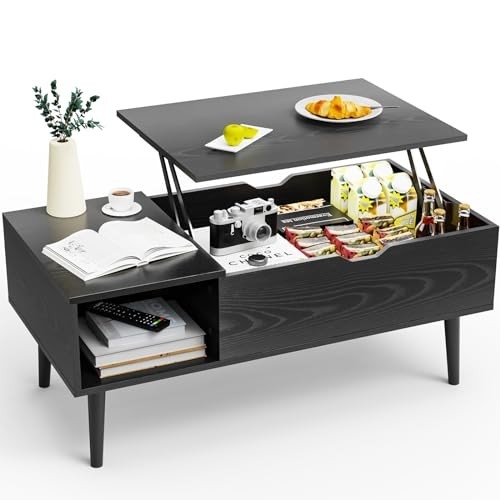
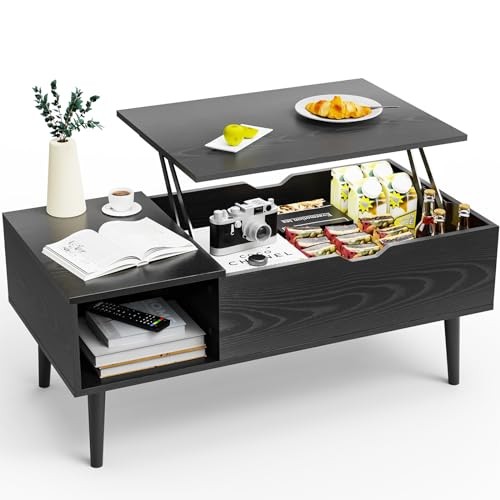
Sweetcrispy Lift-Top Coffee Table
Lift-top with hidden compartment and lower shelf for the same pop-up function as the West Elm at the lowest price point on Amazon.
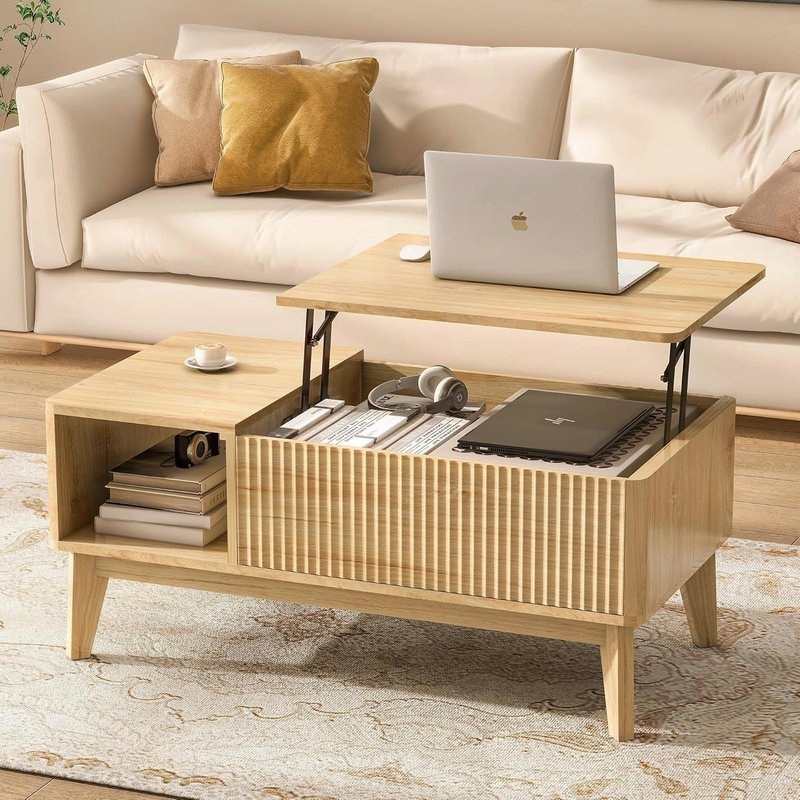
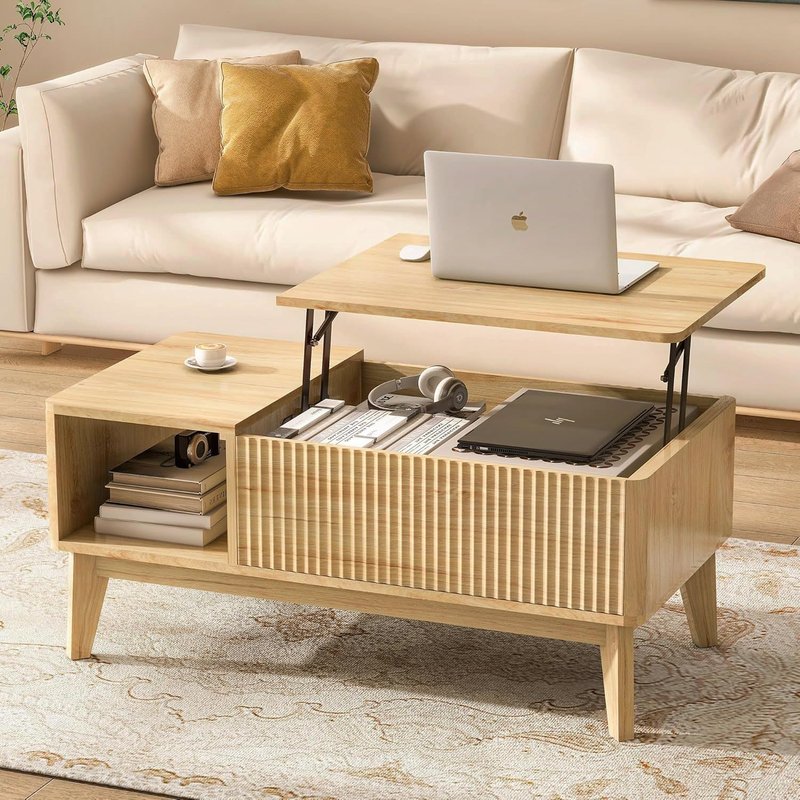
LYNCOHOME Fluted Lift Top Coffee Table
Fluted lift-top in a natural finish with cleaner lines than the West Elm Industrial, at roughly a third of the price.
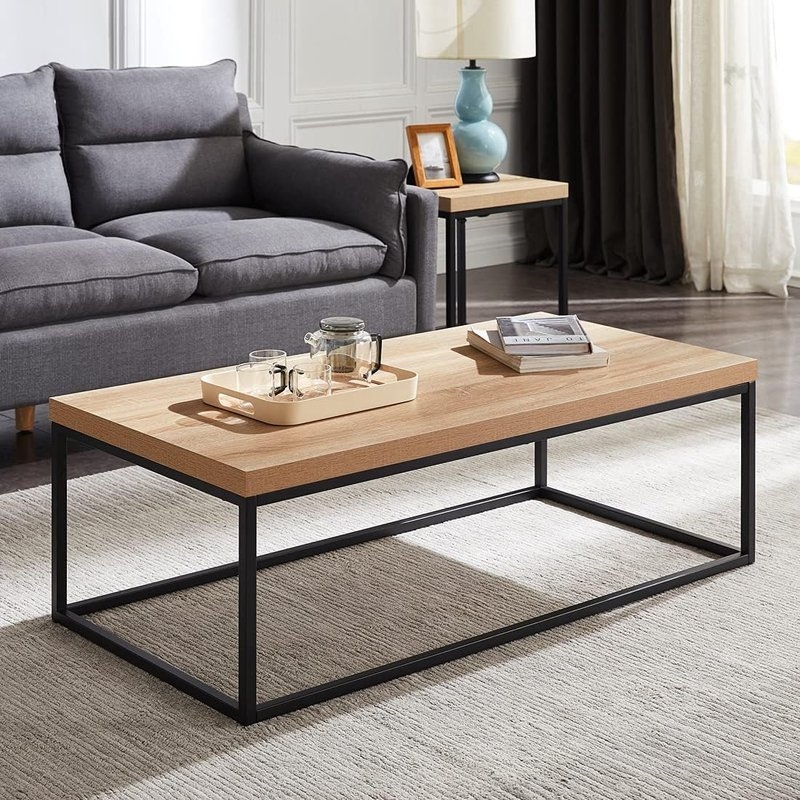
CENSI 47" Natural Oak Industrial Coffee Table
Natural oak and metal industrial look without the pop-up mechanism. For buyers who want the aesthetic without the moving parts that gave the West Elm its lid alignment issue.
More West Elm Reviews
See all →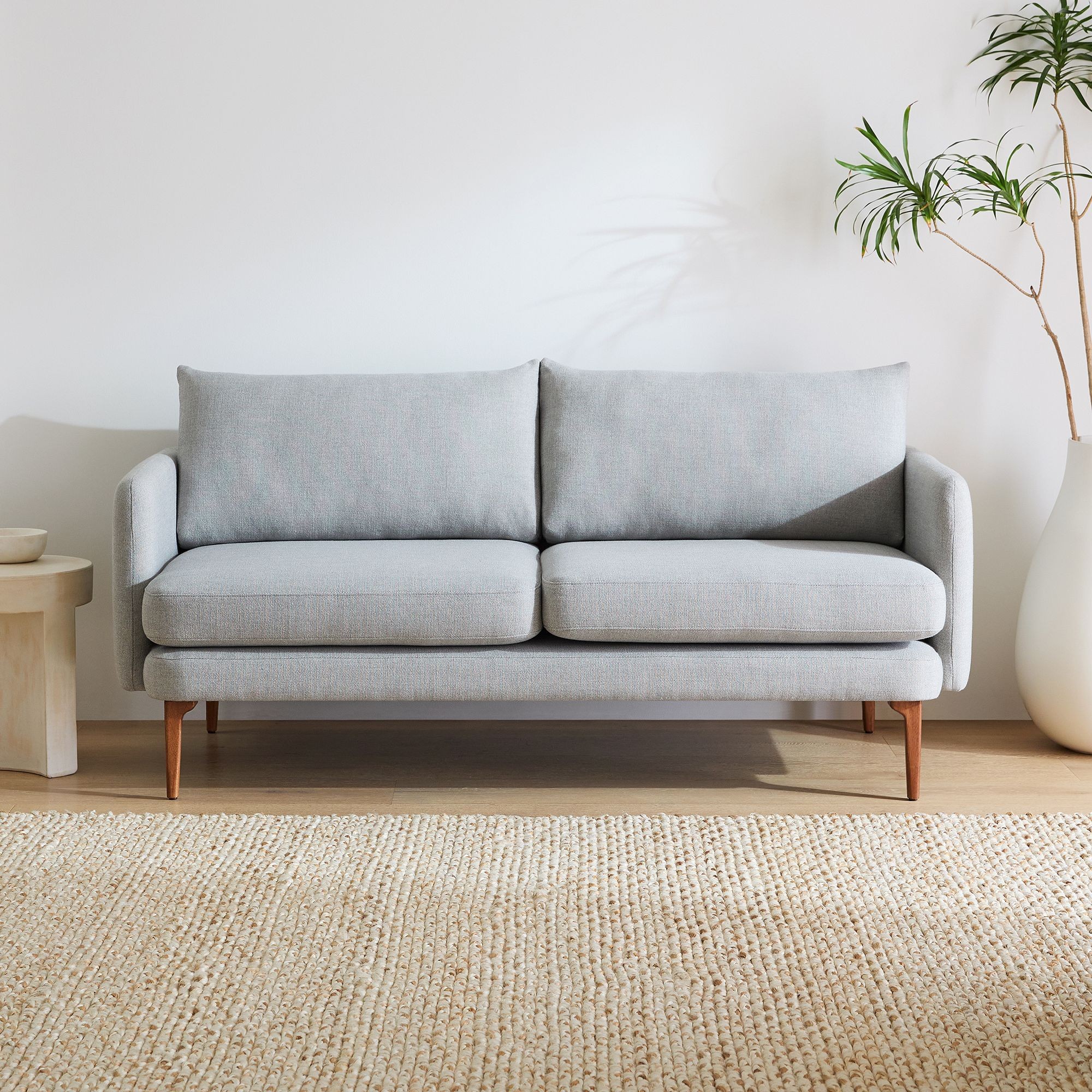
West Elm Auburn Sofa Review: Compact Build + Our Honest Verdict
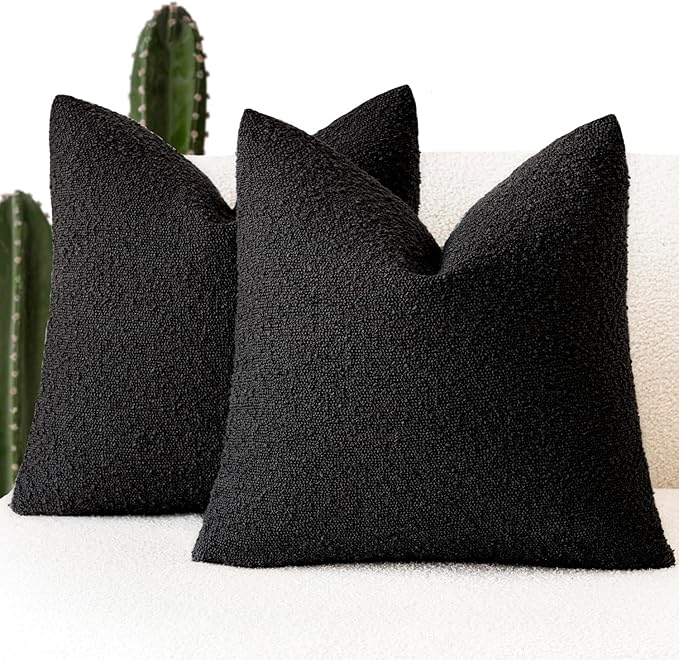
Best Throw Pillows for a West Elm Harmony Sofa: Sizes, Texture, and Layering
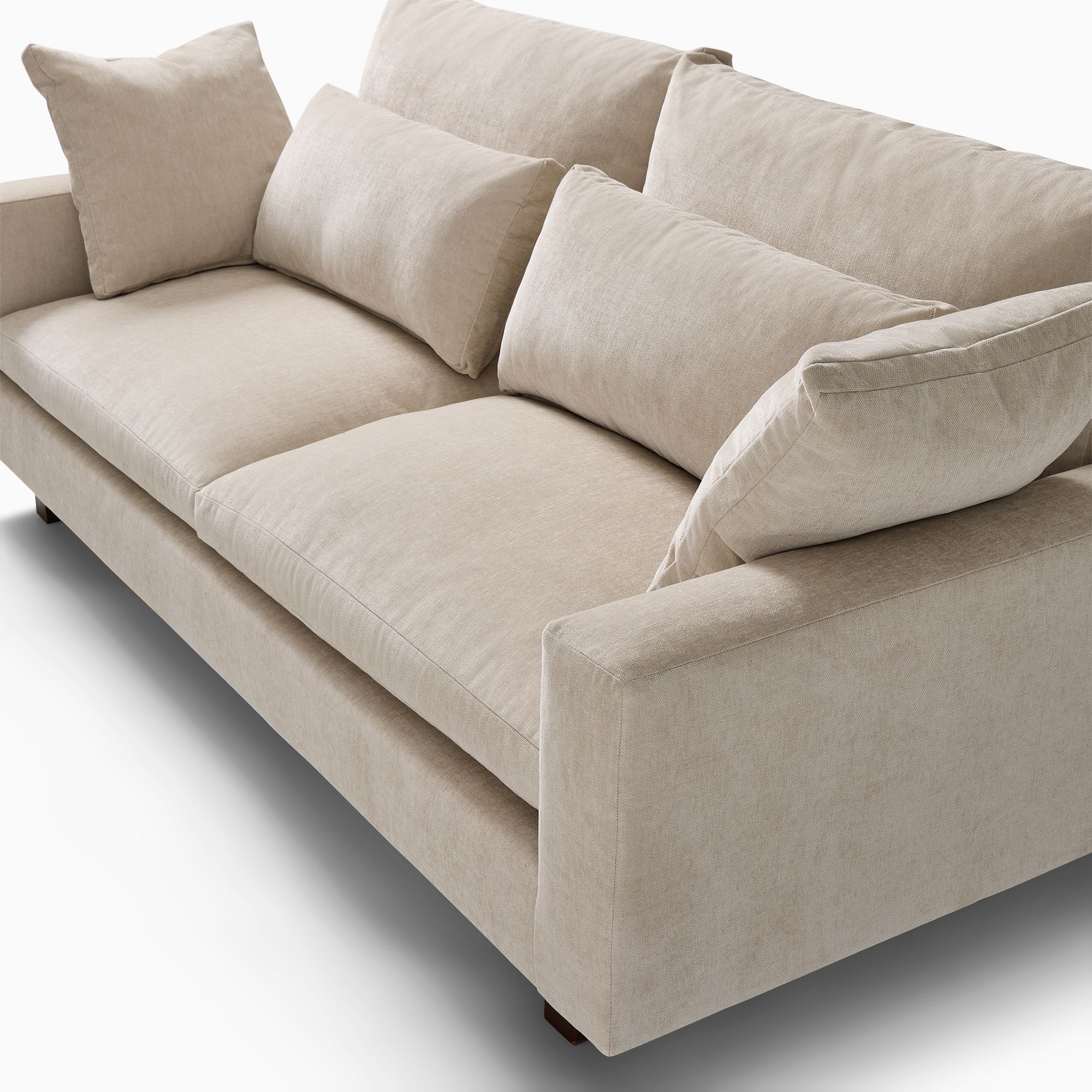
West Elm Harmony Cushions Sagging? The $40 DIY Fix (And When to Give Up)
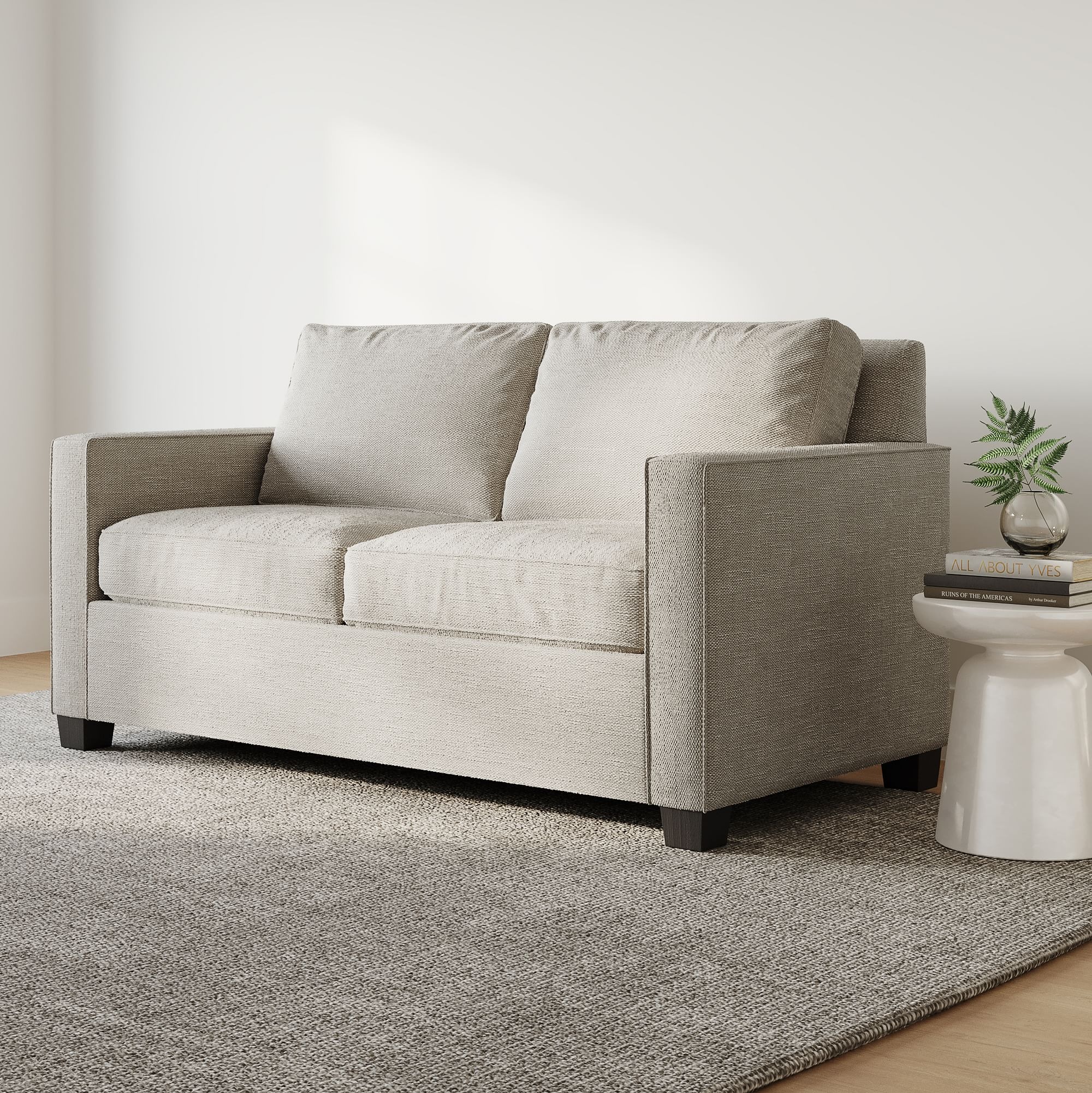
West Elm Peggy Sofa Reviews + Our Honest Verdict
How Does It Compare?
Side-by-side breakdowns featuring this product