West Elm
West Elm Nassau Sofa Reviews + Our Take
By Maya Chen · Updated September 2026
Independent editorial review. We never accept payment for coverage, though we may earn a commission if you purchase through our links.
Verdict
Early Nassau sentiment runs on first-impression enthusiasm more than deep long-term data, which is normal for a newer lead product. The dominant positives are configurability, cleaner lines, and room-fit flexibility. The hesitations are predictable: price escalation once you customize, uncertainty around long-term cushion performance, and the usual skepticism about West Elm's warranty.
Read full take ↓Similar sofas
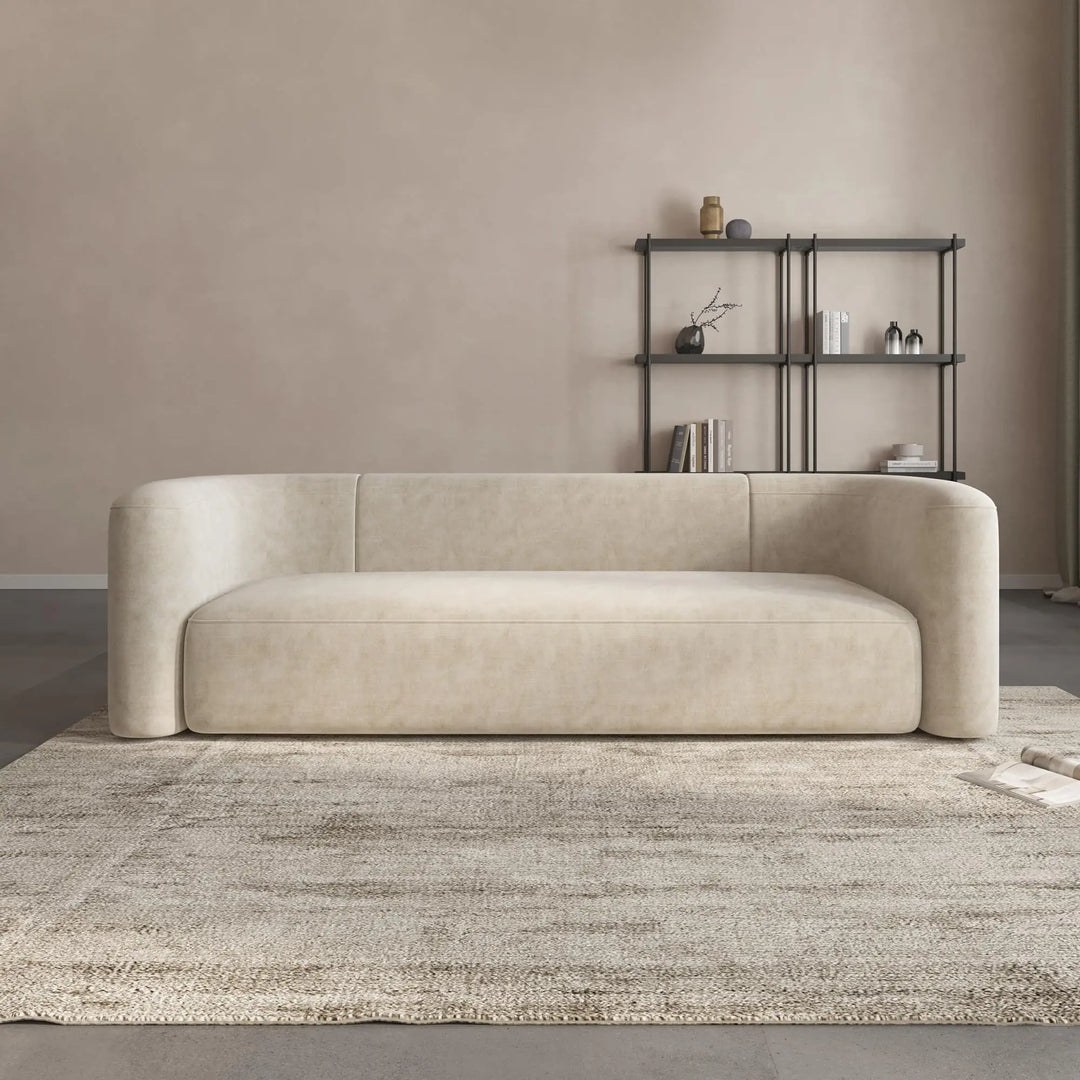
Quick Take
West Elm's current flagship, priced against Joybird and Article and winning mostly on looks and availability. The kiln-dried plywood frame and legs are standard West Elm construction chosen for dimensional stability, with foam and fiber-wrap cushions. Joybird gives a limited lifetime frame warranty at similar money, so weigh that before committing.
West Elm's Nassau, a best-seller that earns the label
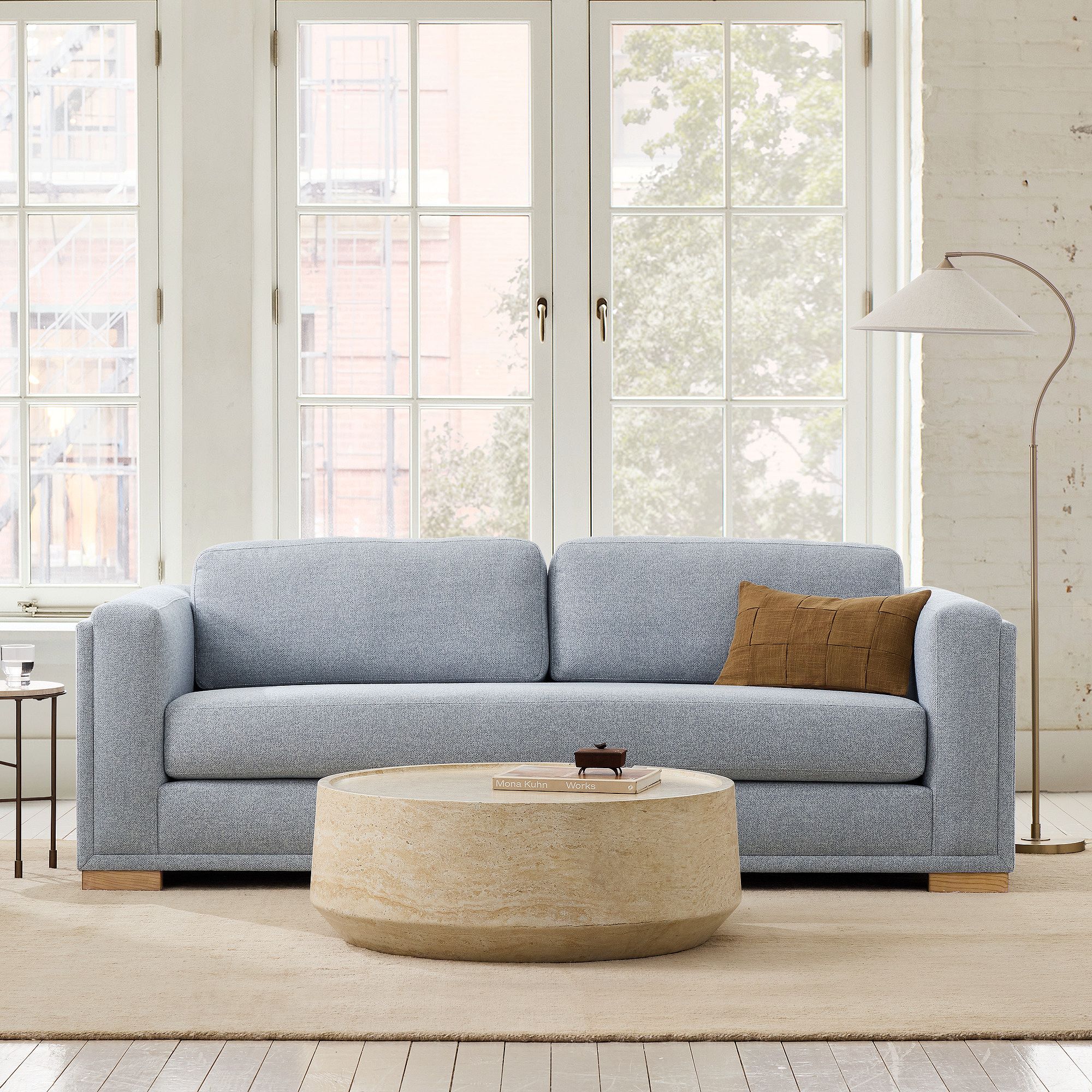
The Nassau is West Elm's current flagship modular sofa, and it got there on a mix of genuine design flexibility and a construction package that's honest about what it delivers. It doesn't make claims it can't support. What you're buying is a mid-market modular piece with a clean look, real customization depth, and the construction realities you'd expect from West Elm: sinuous springs, kiln-dried wood, and cushion longevity that's adequate without being exceptional. If configuration flexibility and visual versatility matter more to you than maximum construction quality, the Nassau makes a strong case.
Prices run $1,599 to $4,500-plus depending on configuration and fabric, a wide range that reflects how many different sofas the Nassau can be. A two-piece loveseat-scale setup in a standard woven sits at the bottom; a four-piece L-shaped sectional in premium performance velvet is a serious investment. The modular pricing structure is transparent, and West Elm's website does a decent job of showing how configurations add up. Do the configuration math and you can land a well-specified three-seater for a competitive price against non-modular alternatives at this tier.
Design flexibility is the core value proposition
The configuration system is the Nassau's strongest differentiator. You can spec it with or without a chaise, with straight or angled ends, with different arm heights and styles, and in a range of left-right orientations. So the Nassau can be a compact two-seater in a city apartment, a conventional three-seat sofa in a primary living room, or a substantial modular sectional in a larger open-plan space. Few sofas at this price offer that range of configurations without a special-order lead time that runs several months.
Adding pieces later is the selling point everyone repeats, and it deserves a qualification. West Elm does let buyers order additional Nassau components after the initial order, but the standard dye-lot warning applies. Lighter fabric colors show dye-lot differences most between original and add-on pieces ordered months or years apart. If you're planning to expand the configuration, buy the full planned layout in a single order. West Elm's own sales associates will tell you the same thing if you ask directly.
Who the Nassau is best suited for
The Nassau works best for buyers in their late twenties to early forties furnishing a real primary residence who want a sofa that can adapt as their living situation changes. It's well-suited to renters who move every few years, since the modular construction breaks into pieces that handle stairwells and narrow doorways far better than a fixed three-seat sofa. It suits first-time homeowners too, the ones still working out how they'll use a space and unwilling to commit to a permanent sectional.
It's the wrong sofa if maximum construction quality at this budget is your first criterion. The sinuous springs are adequate, no more. Give up the modular system, accept a fixed configuration, and Joybird's comparable sofas get you better spring systems and stronger warranties for similar money. The Nassau trades quality for flexibility, and that's a fair trade if the flexibility is something you'll use.
Aesthetic versatility in practice
The Nassau's design language is contemporary without chasing a trend. The arm height options let you pick between a lower-arm silhouette that reads casual and a higher-arm version that suits more formal rooms. Back cushion depth is moderate, soft enough to avoid a stiff, office-furniture feel without going to the loose-cushion slouch of the Marin. In neutral fabrics it works across interior directions from Scandinavian minimal to warm transitional.
Fabric selection is one of the strongest in the West Elm lineup, covering most of the performance and natural fiber options in the full catalog. Owners rate the performance velvet especially highly, a good balance of durability and visual quality that picks up a slight sheen over time and reads lived-in rather than worn. In a house with pets, the tighter-construction performance wovens are the practical choice, and they cost a modest upcharge over base fabric pricing.
Construction honesty and long-term expectations
Construction is West Elm standard: kiln-dried wood frame, corner-blocked joints, sinuous springs. The modular connection system uses concealed hardware, so pieces attach without visible brackets or bolts. Owners who've assembled the Nassau say the connection holds and doesn't need periodic tightening under normal use, which tells you something real about a modular system.
Seat cushions are foam-core with a fiber wrap, at the cushion density West Elm uses across its upholstered line. Long-term owners describe the usual pattern: good comfort and shape retention through the first year to 18 months, then gradual compression in high-use areas starting in year two. Not catastrophic, but predictable, and anyone who has owned West Elm upholstered furniture before will recognize the timeline. Cushion covers unzip on most configurations, so dry cleaning works and inserts can be replaced if loft loss gets significant.
Comparison shopping context
The IKEA GRONLID is the comparison people reach for at a lower price. It offers similar modular construction for a lot less, and what you give up is fabric quality and a more utilitarian look. If the Nassau's visual quality isn't a priority for you, the GRONLID is a legitimate alternative. If you want a modular sofa that looks and feels designed, the Nassau justifies its price premium.
At the same money, the Crate and Barrel Gather modular system offers comparable customization with somewhat better cushion construction. The catch is that Crate and Barrel's modular system has fewer configuration options at equivalent price points. Against fixed-configuration alternatives and stiffer modular systems at the same spend, the Nassau's configuration flexibility stays one of the strongest arguments in its favor.
Plywood, and why West Elm chose it
Frame and modular connection system
The Nassau frame is kiln-dried plywood, frame and legs, with corner-blocked joints. The modular connection hardware is a concealed bracket system, so units attach securely with nothing visible. Owners report the connection holds well under normal use without periodic retightening. The modular units sit flush when connected, and alignment between units stays consistent in well-assembled configurations. Frame construction is solid and matches what West Elm uses across its upholstered line at this price tier.
Spring suspension
Sinuous springs run across the seat deck, the standard specification for mid-market upholstered furniture. They give adequate support for normal residential use and suit the price point. Coming from a pocket-coil sofa, the sinuous spring feel is bouncier and less precisely supportive, especially at the seat edges. This isn't a weak point against the Nassau's direct competition, but it is a construction limitation against higher-end options in the market.
Cushion construction
Seat cushions use a foam core with a down-and-fiber blend wrap. The foam carries the structure; the wrap softens the surface feel and adds visual loft. West Elm doesn't publish foam density specifications, though the seated feel matches a medium-density core. Long-term owners put the compression timeline at high-use spots around 18 to 24 months. Cushion covers unzip on most configurations, which makes dry cleaning and eventual insert replacement straightforward. Back cushions vary by configuration: some Nassau variants use attached cushions with a firmer profile, others use loose cushions that need more fluffing.
Fabric options and performance
The Nassau comes in West Elm's broadest fabric range: performance velvet, performance woven, natural linen, cotton weave, and premium texture options. With pets or children in the house, performance fabrics beat natural fiber options by a wide margin on daily durability. Long-term owners single out the performance velvet as the best balance of visual quality and practical durability, picking up a sheen over time that reads well-used rather than damaged.
Warranty and delivery
West Elm's one-year limited warranty covers manufacturing defects in the frame, springs, and fabric. At the Nassau's price range, especially for full sectional configurations, that's below category average. Modular sectional configurations arrive in multiple pieces, which makes navigating building access points easier and adds assembly time. White-glove delivery with in-room placement costs an additional fee and is the right call on larger configurations, given the weight and the number of pieces involved.
Our Ratings
Overall score
Kiln-dried plywood frame and legs, an engineered wood build chosen for dimensional stability. Standard West Elm construction. The cushions are foam with a fiber wrap. The Nassau's simple silhouette suits this construction tier, straightforward and durable without being overengineered.
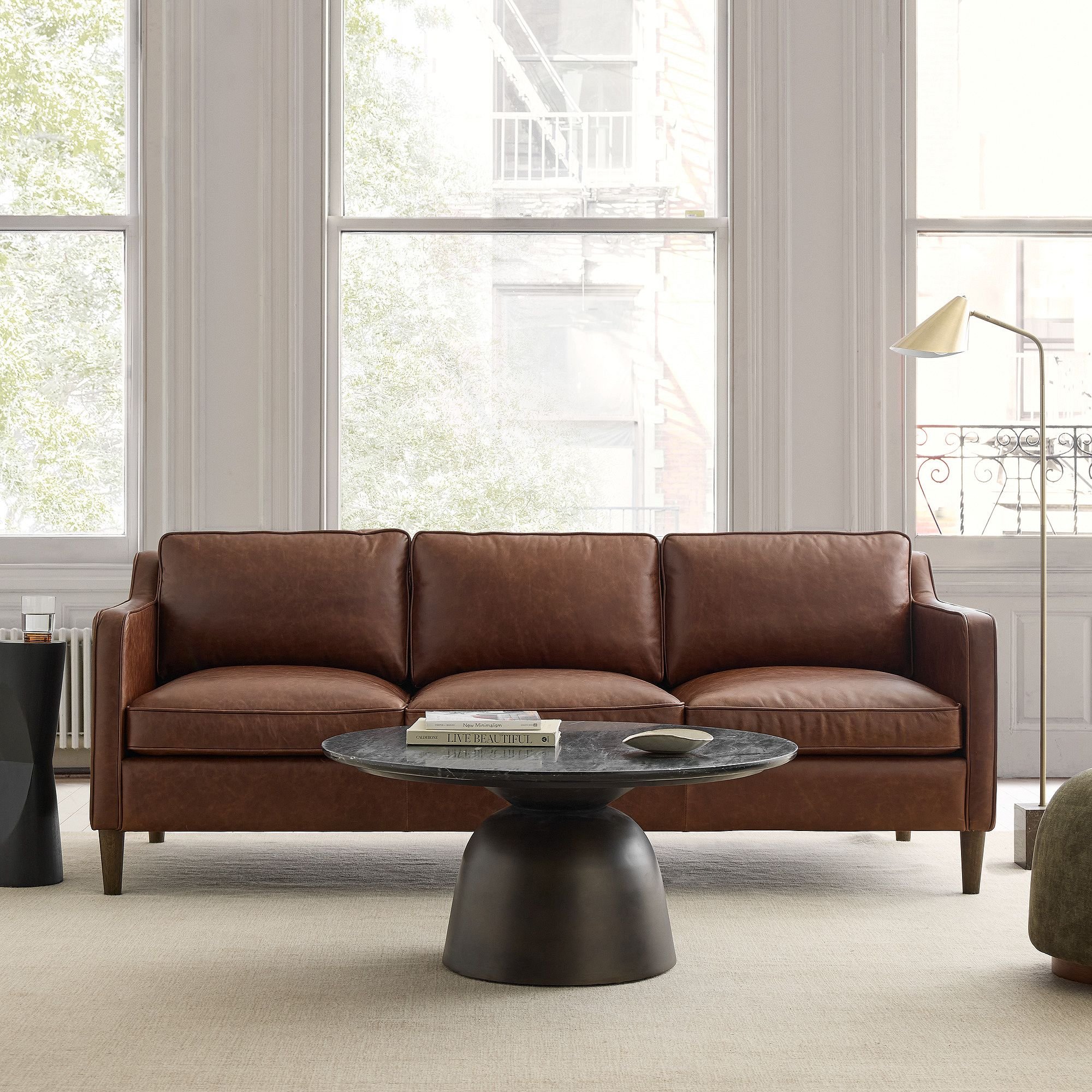
West Elm's current flagship sofa earns the title. The track-arm, low-profile silhouette moves easily between contemporary and transitional rooms, and the customization options give it more personal relevance than most catalog pieces. Clean, current, and well-proportioned.
The Nassau is priced to compete with Joybird and Article, and it mostly holds up on aesthetics and availability. The construction spec doesn't match Joybird's limited lifetime frame warranty at the same price, but the modular flexibility adds real value for layout-sensitive buyers.
What People Are Saying
Early Nassau sentiment runs on first-impression enthusiasm more than deep long-term data, which is normal for a newer lead product. The dominant positives are configurability, cleaner lines, and room-fit flexibility. The hesitations are predictable: price escalation once you customize, uncertainty around long-term cushion performance, and the usual skepticism about West Elm's warranty.
Reddit and Houzz commentary are weighted 3× against blog and editorial sources in our sentiment score. Brand PR has a well-documented influence on editorial coverage — direct owner reports from message boards tend to be more candid.
What Others Are Saying
“Surprisingly competitive prices considering their selection and quality.”Source →
“West Elm's sofas use a sinuous spring suspension system, which is the most common suspension system on the market, and while inferior to an eight-way-hand-tied suspension system, it still tends to have good durability over time.”Source →
Frequently asked questions
Is the West Elm Nassau Sofa worth it?
West Elm's current flagship, priced against Joybird and Article and winning mostly on looks and availability. The kiln-dried plywood frame and legs are standard West Elm construction chosen for dimensional stability, with foam and fiber-wrap cushions. Joybird gives a limited lifetime frame warranty at similar money, so weigh that before committing.
How is the West Elm Nassau Sofa built?
Kiln-dried plywood frame and legs, an engineered wood build chosen for dimensional stability. Standard West Elm construction. The cushions are foam with a fiber wrap.
What styles does the West Elm Nassau Sofa work with?
West Elm's current flagship sofa earns the title. The track-arm, low-profile silhouette moves easily between contemporary and transitional rooms, and the customization options give it more personal relevance than most catalog pieces. Clean, current, and well-proportioned.
What do real owners say about the West Elm Nassau Sofa?
Early Nassau sentiment runs on first-impression enthusiasm more than deep long-term data, which is normal for a newer lead product. The dominant positives are configurability, cleaner lines, and room-fit flexibility. The hesitations are predictable: price escalation once you customize, uncertainty around long-term cushion performance, and the usual skepticism about West Elm's warranty.
Options Worth Checking Out
More West Elm Reviews
See all →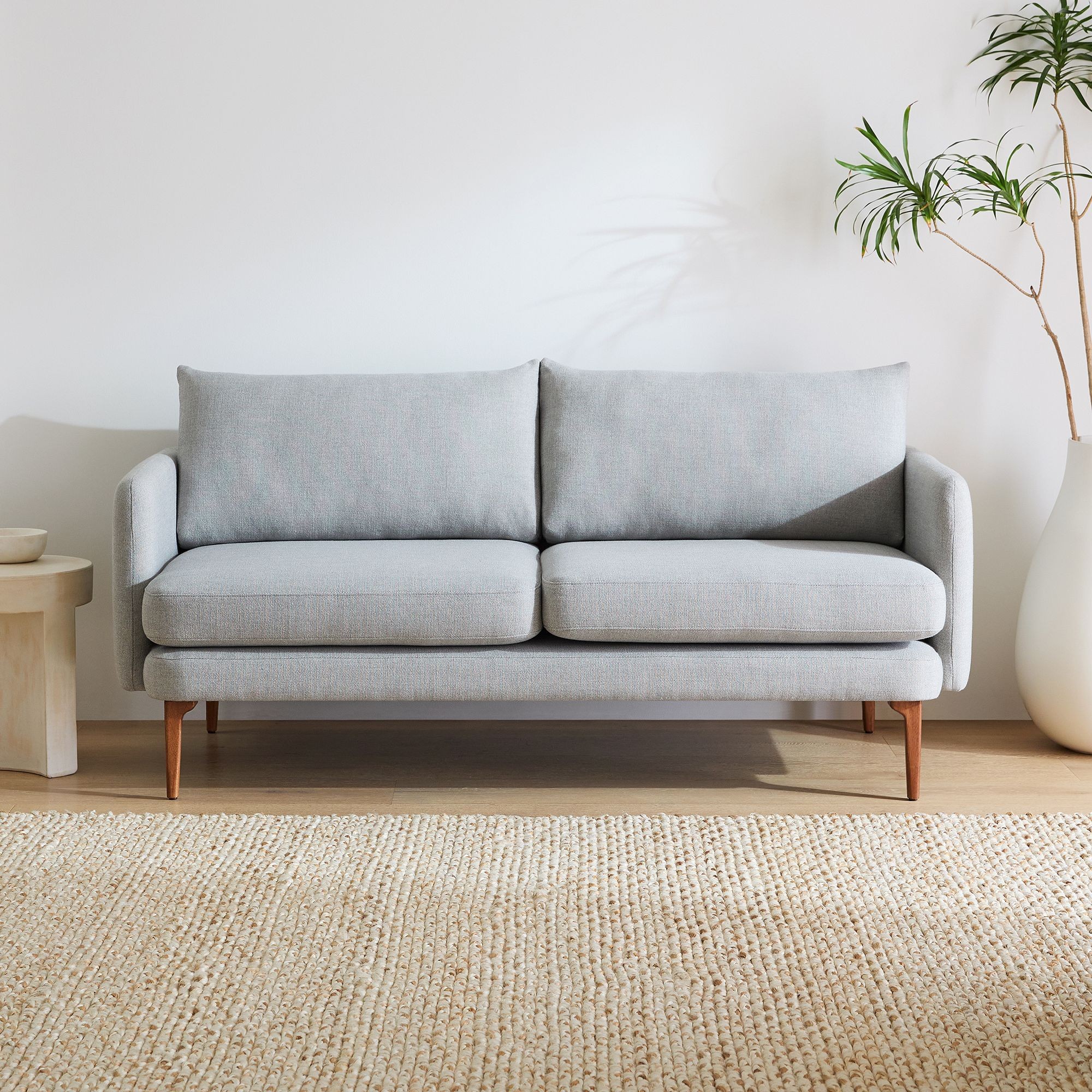
West Elm Auburn Sofa Review: Compact Build + Our Honest Verdict
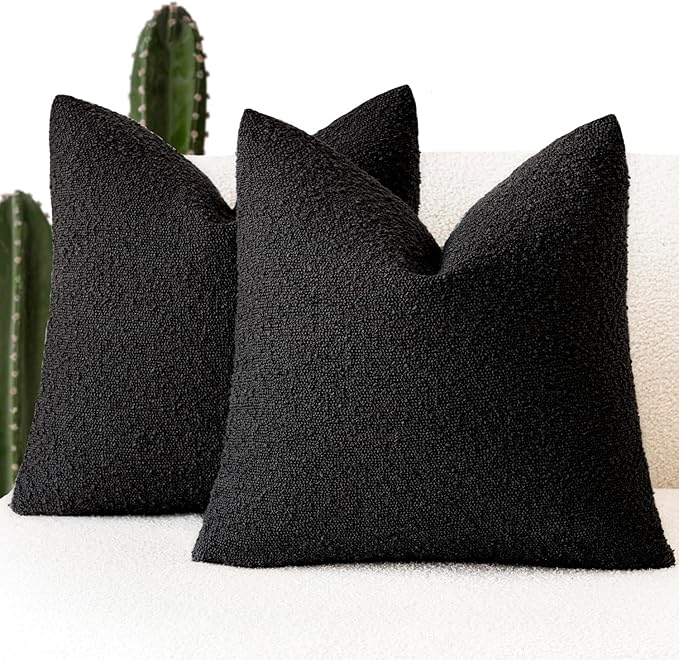
Best Throw Pillows for a West Elm Harmony Sofa: Sizes, Texture, and Layering
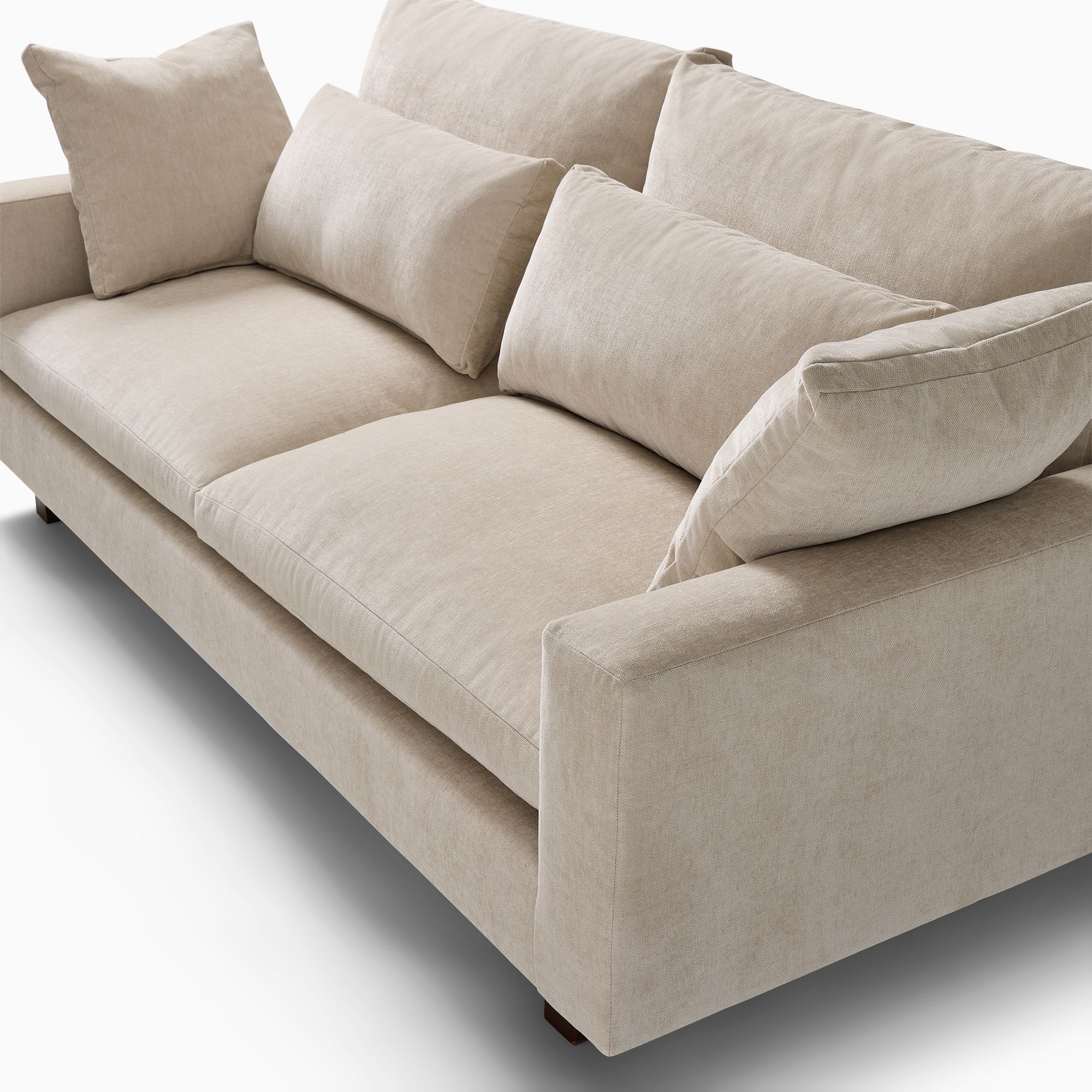
West Elm Harmony Cushions Sagging? The $40 DIY Fix (And When to Give Up)
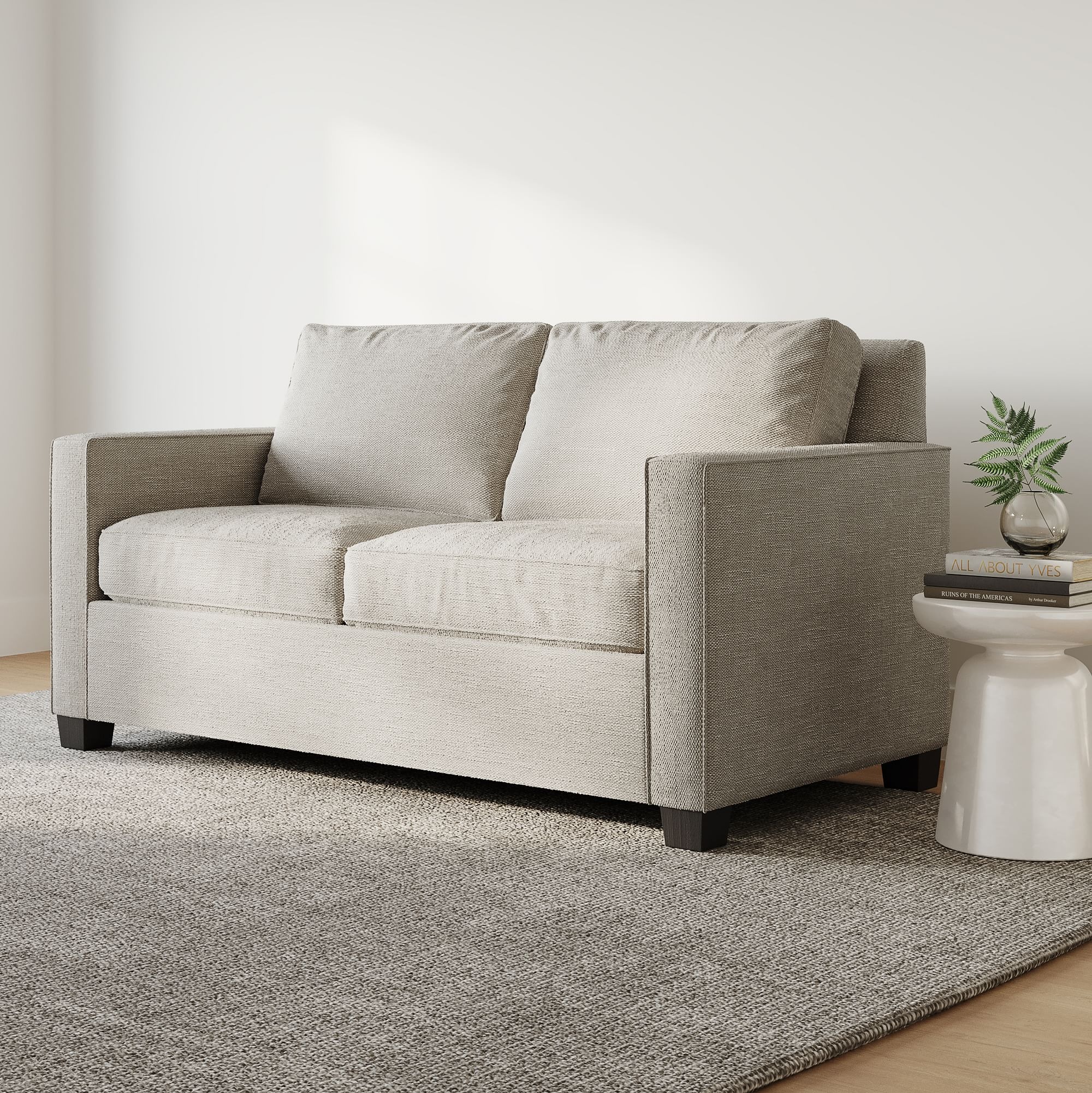
West Elm Peggy Sofa Reviews + Our Honest Verdict
How Does It Compare?
Side-by-side breakdowns featuring this product