West Elm
West Elm Mid-Century Dining Chair Reviews + Our Verdict
By Daniel Reyes · Updated August 2026
Independent editorial review. We never accept payment for coverage, though we may earn a commission if you purchase through our links.
Verdict
West Elm dining chairs are a recurring topic in r/InteriorDesign and r/furniture, where the dominant theme is a quality-versus-aesthetics tension. The brand's mid-century designs photograph well and are widely praised visually, but owner reports frequently surface construction issues, leg wobble and joinery failures appear regularly within the first year of use. One widely-upvoted r/InteriorDesign thread documents multiple owners reporting structural failures in WE dining chairs within months of purchase, including one case of a chair completely failing under a seated occupant. The community consensus: if aesthetics are the priority, WE chairs deliver on look; for durability, buyers frequently recommend alternatives at similar price points.
Read full take ↓Similar chairs
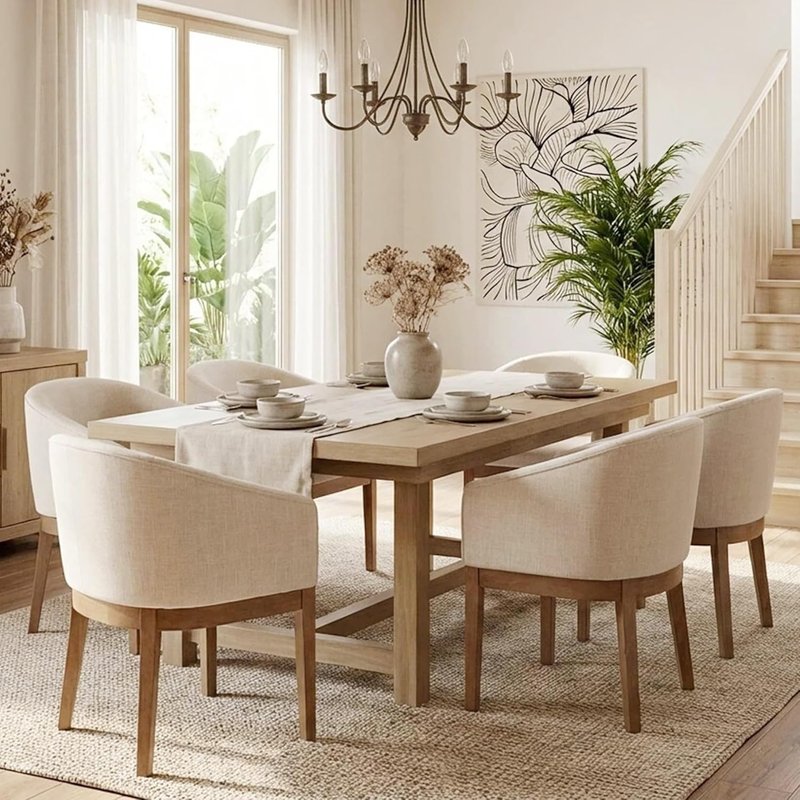
West Elm Mid-Century Upholstered Dining Chair
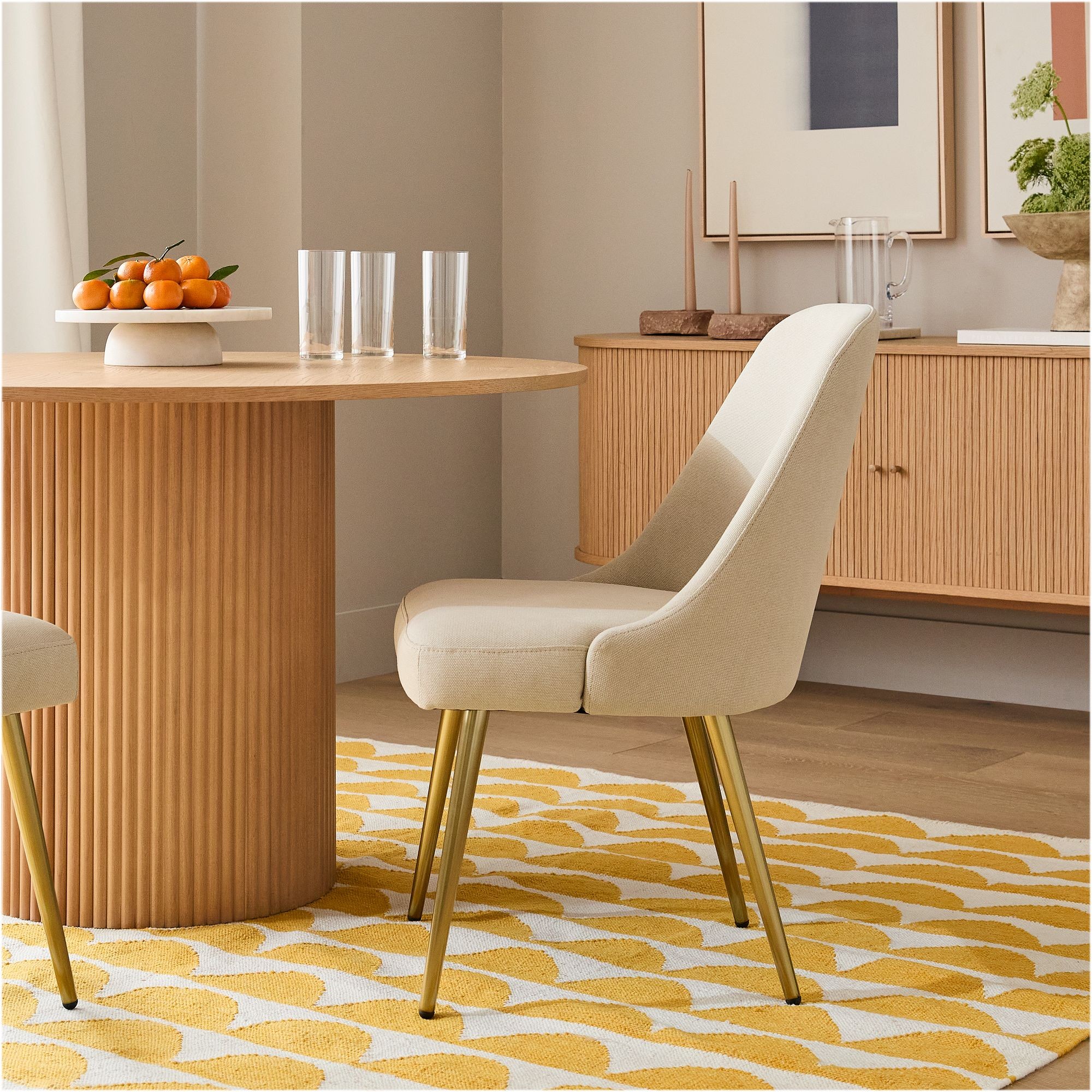
The West Elm Mid-Century Upholstered Dining Chair channels the clean tapered legs and gently curved backs of 1950s Scandinavian design, updated with a broad upholstery catalog that spans performance fabrics to velvet. At $299 per chair, it's priced at the upper edge of the accessible mid-range dining chair market. We examined the construction, real owner reports, and community discussions to assess whether these chairs justify their price or whether the aesthetic does most of the heavy lifting.
The short answer: this chair has genuine strengths in style versatility and initial comfort, but durability concerns, particularly around leg stability on sets with heavy daily use, are documented and worth considering.
The structural demand dining chairs face
Dining chairs are among the most structurally demanding pieces of residential furniture. Unlike sofas, which are sat on and stood up from at a relatively gentle rate, dining chairs experience rapid, frequent loading and unloading, multiple times per meal, multiple meals per day, often with users pushing and dragging the chair on hard floors rather than lifting. This use pattern stresses leg joints in ways that sofa construction doesn't, and it's the primary reason that dining chair quality evaluation requires specific attention to leg attachment rather than relying on general construction quality indicators. A well-upholstered dining chair with adequate foam and fabric is nearly useless if the legs loosen after twelve months.
Wood-leg vs metal-leg
The West Elm Mid-Century Upholstered Dining Chair is available in two variants, metal legs and wood legs, that have different structural profiles worth distinguishing. The metal leg variant uses steel or powder-coated aluminum legs that are attached via a different mounting system than the tapered wood dowel legs of the primary variant and generally demonstrate better longevity in leg-wobble reports. This review focuses primarily on the standard wood-leg variant, which is the more commonly purchased configuration, but buyers specifically prioritizing long-term leg stability should consider the metal-leg option seriously.
The metal-leg variant deserves emphasis as a distinct product from the wood-leg version. West Elm introduced the metal leg option partly in response to the documented leg-wobble complaints on the wooden dowel version, and the attachment system is fundamentally different: the metal legs use a plate-mounted threaded rod connection to the seat frame rather than a tapered wood dowel, which is more resistant to the loosening that occurs over repeated loading cycles. Multiple community members who experienced wobble on the wood-leg version and replaced with metal-leg chairs report the problem eliminated. For buyers prioritizing long-term stability over the slightly warmer aesthetic of the ash leg, the metal-leg variant is the pragmatic choice.
One practical note on multi-chair ordering: West Elm builds chairs to order and ships in batches, which means that in a multi-chair set, individual chairs may arrive from different production runs with slight variations in fabric dye lot or seat height. Inspecting chairs side by side after delivery and documenting any discrepancies before the return window closes is a simple protective step that saves the negotiation of addressing QC issues later. West Elm customer service is responsive to documented delivery issues raised promptly, and less so to complaints raised weeks after delivery when the return window has passed.
Buy it knowing which variant you want
The most useful frame for evaluating this chair is to treat the wood-leg and metal-leg variants as separate products rather than minor stylistic options. The wood-leg variant is the more visually traditional MCM choice, tapered legs that read as midcentury furniture in any room. The metal-leg variant photographs differently and, structurally, distributes load through different stress points. Buyers who treat these as interchangeable end up disappointed when the wear pattern they read about online doesn't match what they're seeing on their own chairs.
Mid-Century Upholstered Dining Chair: Construction Details
Frame
Solid wood frame in FSC-certified ash. The tapered dowel legs are a defining aesthetic feature but also represent the chair's primary structural vulnerability, leg-to-seat attachment loosening is the most common complaint in owner reports after 12-18 months of daily use.
Upholstery and seat
Seat cushion uses high-density foam wrapped in a removable, dry-clean-only fabric cover (varies by finish selection). The upholstery quality itself is solid, fabric sits cleanly on the seat and back without visible puckering or misalignment on well-manufactured units. Performance fabric options (sold separately/at upcharge) are significantly more durable than standard offerings.
Dimensions and weight capacity
Approximately 18.5"W × 21"D × 33"H. Seat height: 18.5". Weight capacity: 300 lbs.
Assembly
Arrives partially assembled. Leg attachment requires careful torquing, overtightening can crack the wood, undertightening leads to the wobble owners commonly report. This is a known tension in the design.
The fabric quality across the upholstery catalog varies significantly, and this variation materially affects the chair's ownership experience in ways that go beyond aesthetics. The standard linen-blend fabrics pill and show wear within twelve to eighteen months of daily use in most owner reports; the performance velvet and performance weave options demonstrate notably better durability. For dining chairs, which receive more friction, cleaning contact, and incidental food and liquid exposure than most other upholstered furniture, the fabric selection is a more important consideration than for sofa purchases where the surface is less intensively used. The performance fabric upcharge, typically $20-40 per chair, is consistently identified in community discussions as worthwhile, particularly for households with children.
Multi-chair sets introduce compounding quality control risk. Buying two chairs creates two opportunities for manufacturing variance; buying six creates six. West Elm's production quality control on multi-chair sets has been criticized in owner reports specifically for height inconsistency between chairs, where individual chairs may sit at slightly different heights due to variations in leg cutting or attachment, and for fabric alignment mismatches between chairs in the same set. These inconsistencies are more visible in formal dining applications where chairs are seen side by side. Ordering chairs individually and inspecting each before accepting delivery, or ordering from an in-store pickup rather than delivery, reduces but doesn't eliminate this risk.
Our Ratings
Overall score
FSC-certified ash makes a dense, stable frame, but the leg-to-seat joint on the wood-leg version is the weak point: owners report wobble within twelve to twenty-four months often enough to suggest a design or assembly issue. The metal-leg variant uses a sturdier attachment and holds up better. Foam is fine for dining, but fabric durability varies by choice, and multi-chair sets show QC gaps in height and alignment, so inspect each on delivery.
One of the more accomplished designs in its range: tapered legs and a gently curved back that reference mid-century without copying it, with proportions that hold up at real scale. Upholstery is genuinely broad, velvet, linen-blend, performance weave, boucle, and leather, with leg finishes in ash, walnut, and ebony. The curved back gives better lumbar contact than straight-back rivals at the price, and the seat depth suits most bodies.
At $299 a chair, a six-seat set runs $1,794 at full price, a lot given the leg-joint risk; West Elm's 20-40% sales drop that to about $209 at 30% off. At full price, Article's Svelti (around $79) and CB2 offer similar looks with better leg joints for less. The one-year warranty is short for chairs used this hard; Pottery Barn and Crate & Barrel cover longer, which matters when wobble shows at 13-24 months. Buy on sale, pick performance fabric.
What People Are Saying
West Elm dining chairs are a recurring topic in r/InteriorDesign and r/furniture, where the dominant theme is a quality-versus-aesthetics tension. The brand's mid-century designs photograph well and are widely praised visually, but owner reports frequently surface construction issues, leg wobble and joinery failures appear regularly within the first year of use. One widely-upvoted r/InteriorDesign thread documents multiple owners reporting structural failures in WE dining chairs within months of purchase, including one case of a chair completely failing under a seated occupant. The community consensus: if aesthetics are the priority, WE chairs deliver on look; for durability, buyers frequently recommend alternatives at similar price points.
Reddit and Houzz commentary are weighted 3× against blog and editorial sources in our sentiment score. Brand PR has a well-documented influence on editorial coverage — direct owner reports from message boards tend to be more candid.
What Reddit Is Saying
“bought 4 dining chairs from west elm. not even a month later one of them completely fell apart as my 80 year old grandmother was sitting on it and ended up fracturing her hip when she fell down :( called west elm and their response? "let us offer you a $200 gift card to our store" -\_- all faith in humanity lost.”View thread →
“Horrible experiences with West Elm too. Nicely designed furniture, very poor quality. Extremely disappointing for the price.”View thread →
Frequently asked questions
Is the West Elm Mid-Century Dining Chair worth it?
At $299 a chair, a six-seat set runs $1,794 at full price, a lot given the leg-joint risk; West Elm's 20-40% sales drop that to about $209 at 30% off. At full price, Article's Svelti (around $79) and CB2 offer similar looks with better leg joints for less. The one-year warranty is short for chairs used this hard; Pottery Barn and Crate & Barrel cover longer, which matters when wobble shows at 13-24 months.
How is the West Elm Mid-Century Dining Chair built?
FSC-certified ash makes a dense, stable frame, but the leg-to-seat joint on the wood-leg version is the weak point: owners report wobble within twelve to twenty-four months often enough to suggest a design or assembly issue. The metal-leg variant uses a sturdier attachment and holds up better. Foam is fine for dining, but fabric durability varies by choice, and multi-chair sets show QC gaps in height and alignment, so inspect each on delivery.
What styles does the West Elm Mid-Century Dining Chair work with?
One of the more accomplished designs in its range: tapered legs and a gently curved back that reference mid-century without copying it, with proportions that hold up at real scale. Upholstery is genuinely broad, velvet, linen-blend, performance weave, boucle, and leather, with leg finishes in ash, walnut, and ebony. The curved back gives better lumbar contact than straight-back rivals at the price, and the seat depth suits most bodies.
What do real owners say about the West Elm Mid-Century Dining Chair?
West Elm dining chairs are a recurring topic in r/InteriorDesign and r/furniture, where the dominant theme is a quality-versus-aesthetics tension. The brand's mid-century designs photograph well and are widely praised visually, but owner reports frequently surface construction issues, leg wobble and joinery failures appear regularly within the first year of use. One widely-upvoted r/InteriorDesign thread documents multiple owners reporting structural failures in WE dining chairs within months of purchase, including one case of a chair completely failing under a seated occupant.
Options Worth Checking Out
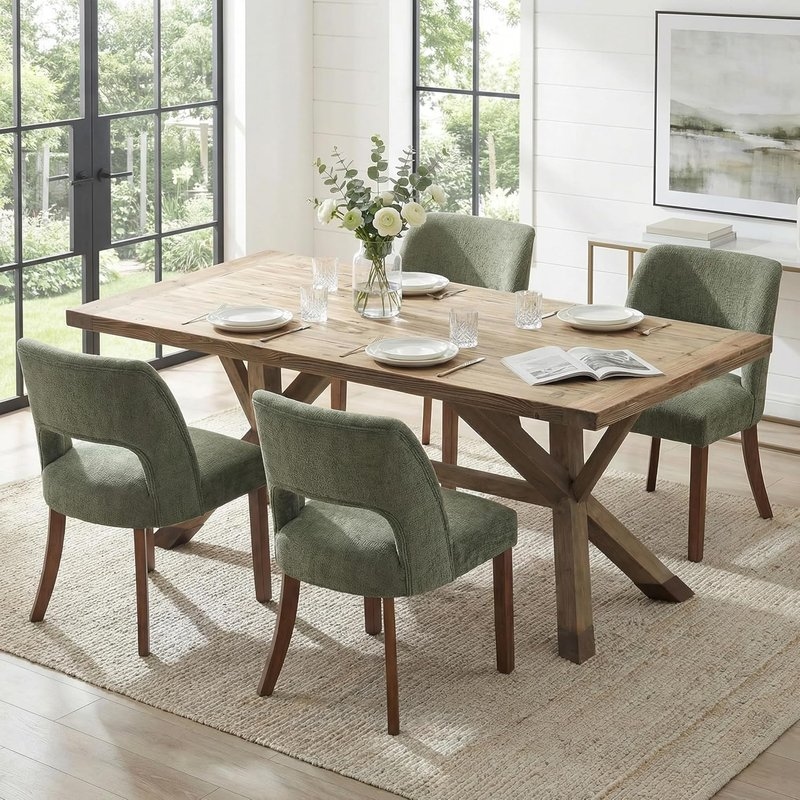
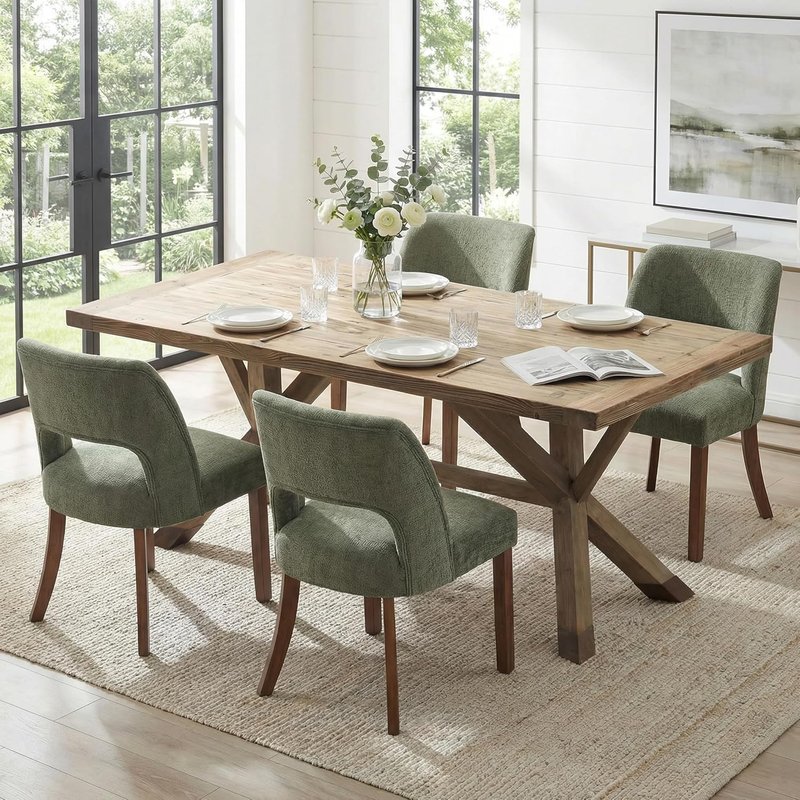
Keoni Mid-Century Upholstered Dining Chair
Mid-century upholstered dining chair on rubberwood legs in a farmhouse style. Similar tailored profile to the West Elm at a budget price.
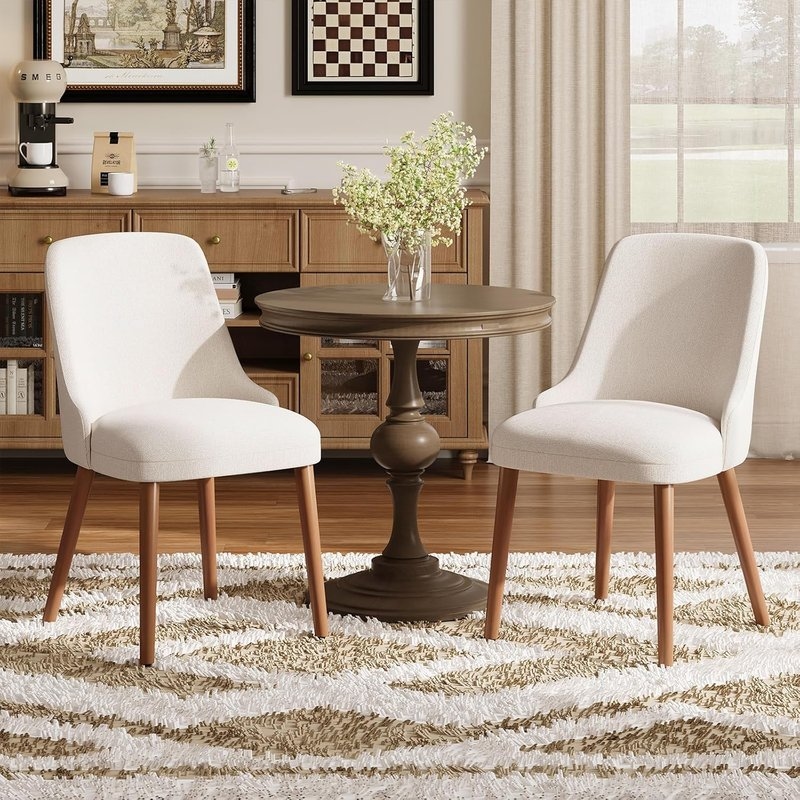
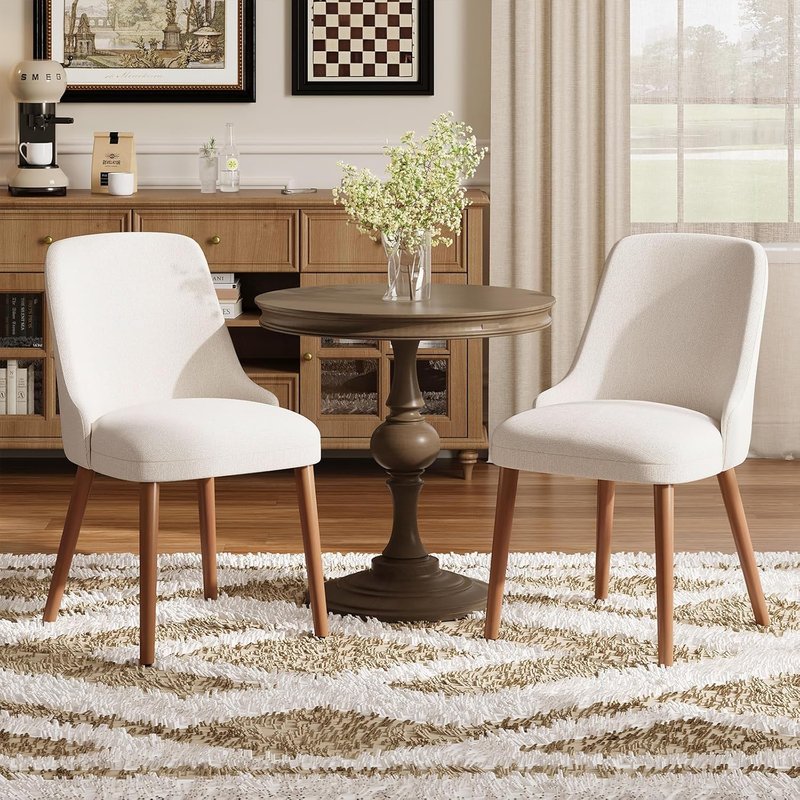
MALOL High-Back Upholstered Dining Chair
High-back upholstered dining chair that works in both kitchen and dining settings. Plainer styling than the West Elm but cheaper and easier to replace.
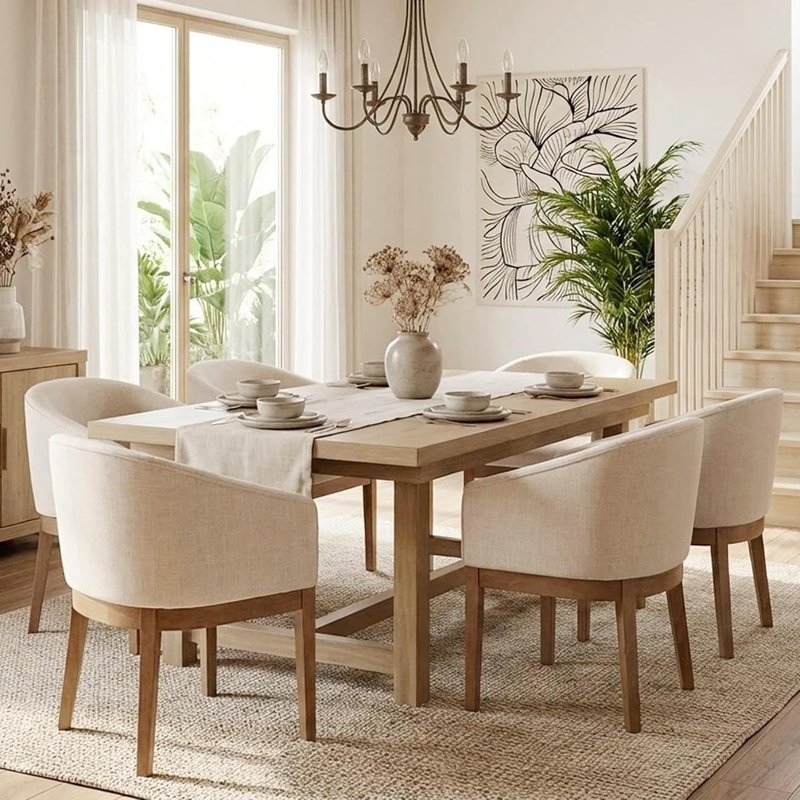
Mid-Century Barrel Dining Chair
Upholstered barrel-back chair with farmhouse hardwood legs. Trades the West Elm's flat back for a curved silhouette that holds shape better over time.
More West Elm Reviews
See all →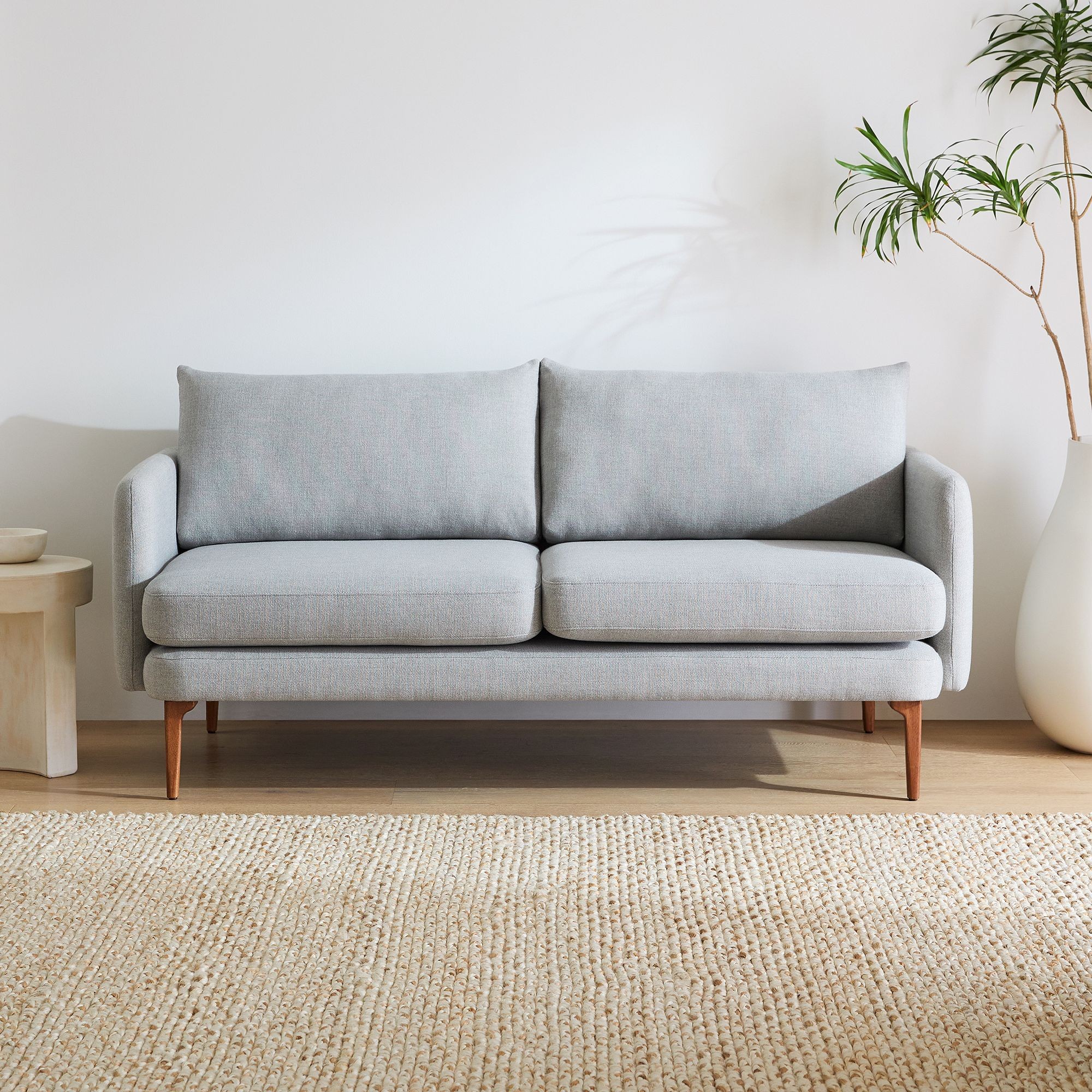
West Elm Auburn Sofa Review: Compact Build + Our Honest Verdict
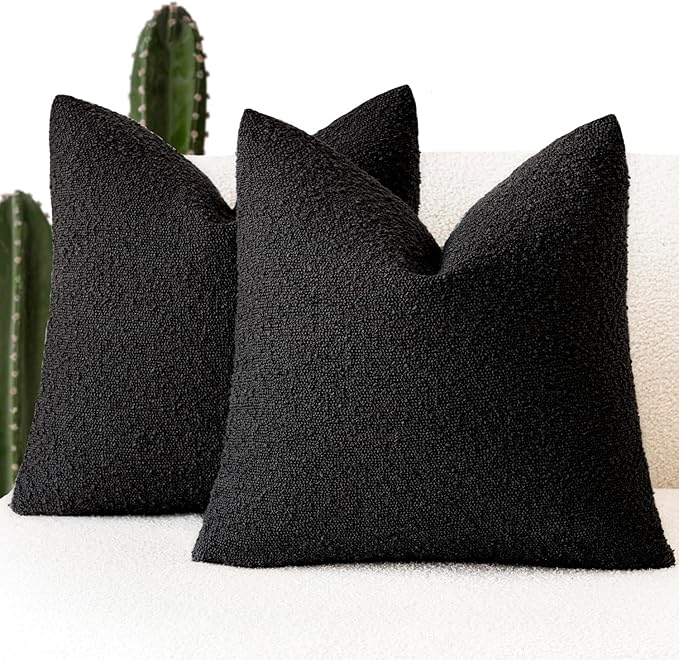
Best Throw Pillows for a West Elm Harmony Sofa: Sizes, Texture, and Layering
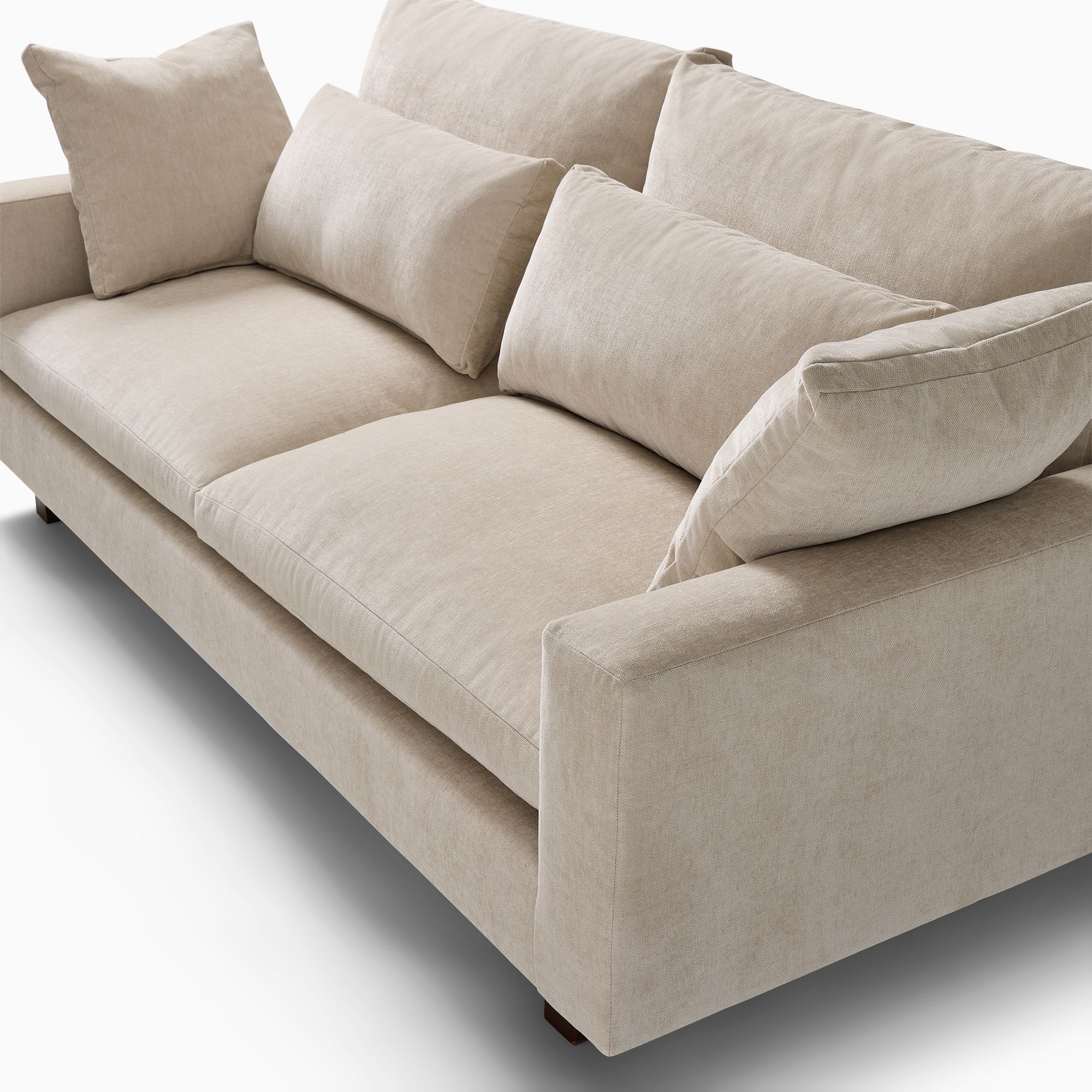
West Elm Harmony Cushions Sagging? The $40 DIY Fix (And When to Give Up)
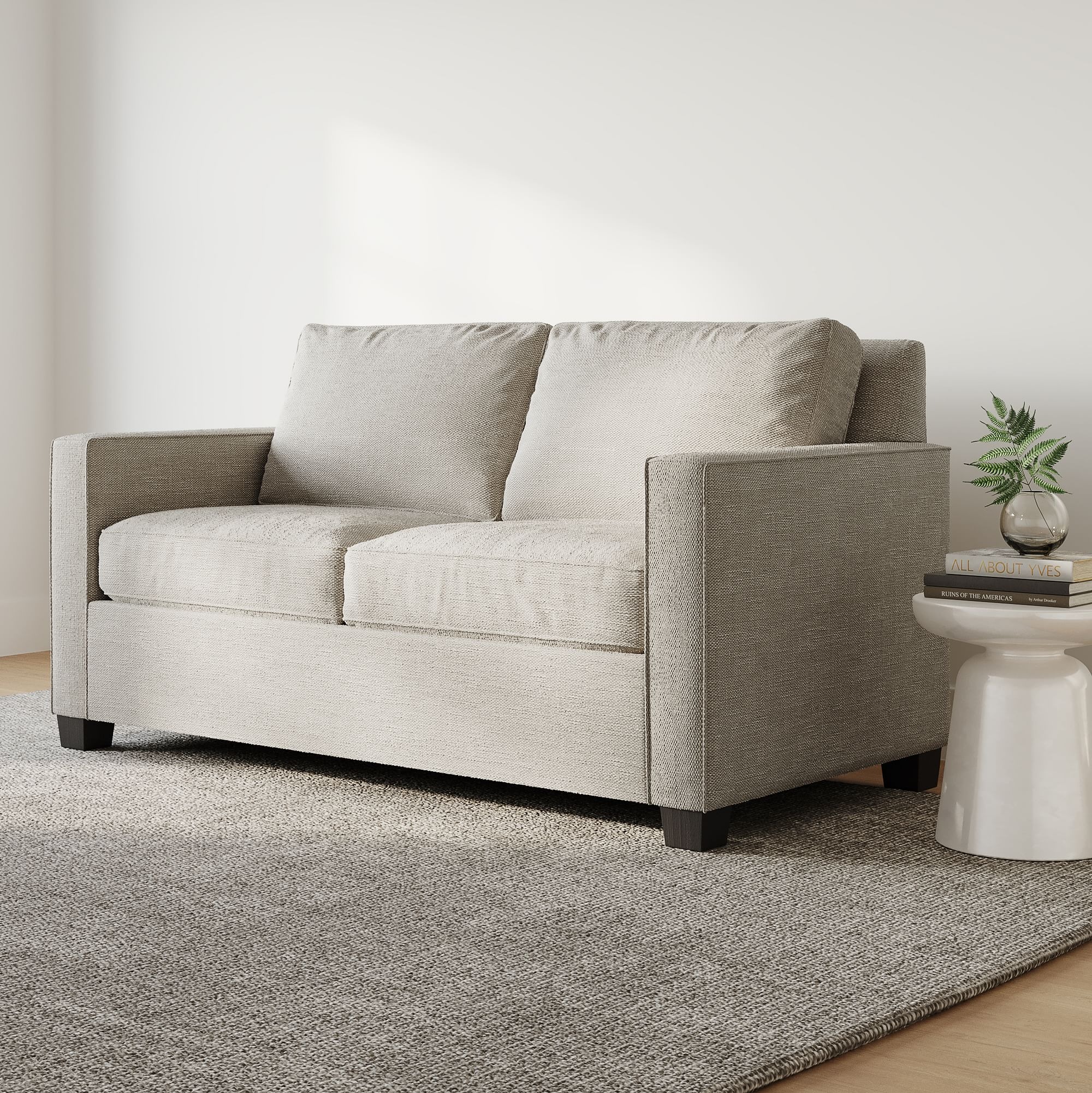
West Elm Peggy Sofa Reviews + Our Honest Verdict
How Does It Compare?
Side-by-side breakdowns featuring this product