West Elm
West Elm Mid-Century Bed Reviews + Our Verdict
By Maya Chen · Updated September 2026
Independent editorial review. We never accept payment for coverage, though we may earn a commission if you purchase through our links.
Verdict
The Mid-Century Bed has more community discussion than West Elm's newer bed frames simply because it's been in the market longer. In r/BuyItForLife, one owner wrote: "I have this bed from West Elm, no complaints. Don't listen to the West Elm haters on furniture subs. I've had one of their couches for 8 years and it's still great." This pro-West Elm voice is counterbalanced by the community's prevailing skepticism, the highest-voted reply in the same thread recommended Room & Board or Thuma instead. More nuanced owner reports come from ralphsway.com, where a two-year owner noted: "It's held up beautifully" while also acknowledging "the veneer finish is prone to scratches" relative to solid hardwood alternatives. The headboard wobble is documented across slumbersearch.com reviews: "The acorn mid-century bed-frame is creaky; a replacement had the same issue." For buyers who prioritize aesthetics and value over absolute durability, the Mid-Century Bed consistently earns qualified satisfaction.
Read full take ↓Similar beds
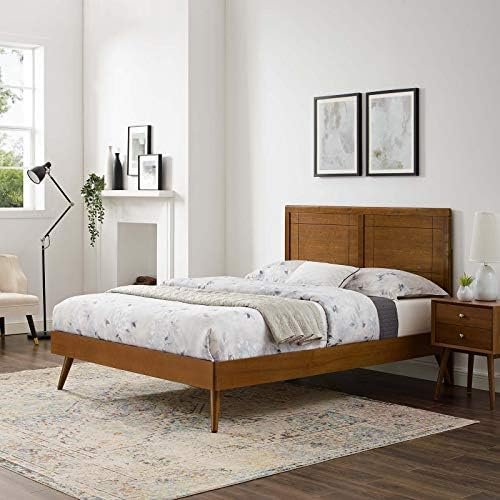
Modway Marlee Queen Wood Platform Bed with Splayed Legs, Walnut
View on Amazon →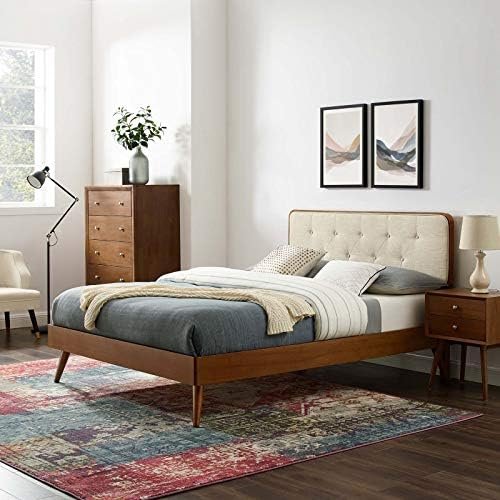
Modway Bridgette Queen Platform Bed, Walnut + Tufted Headboard
View on Amazon →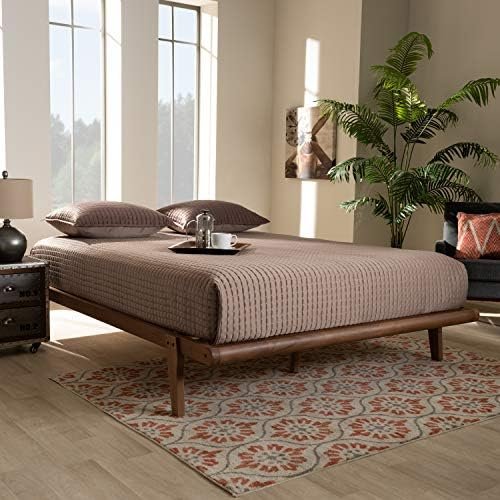
Baxton Studio Kaia Mid-Century Queen Platform Bed, Walnut Brown
View on Amazon →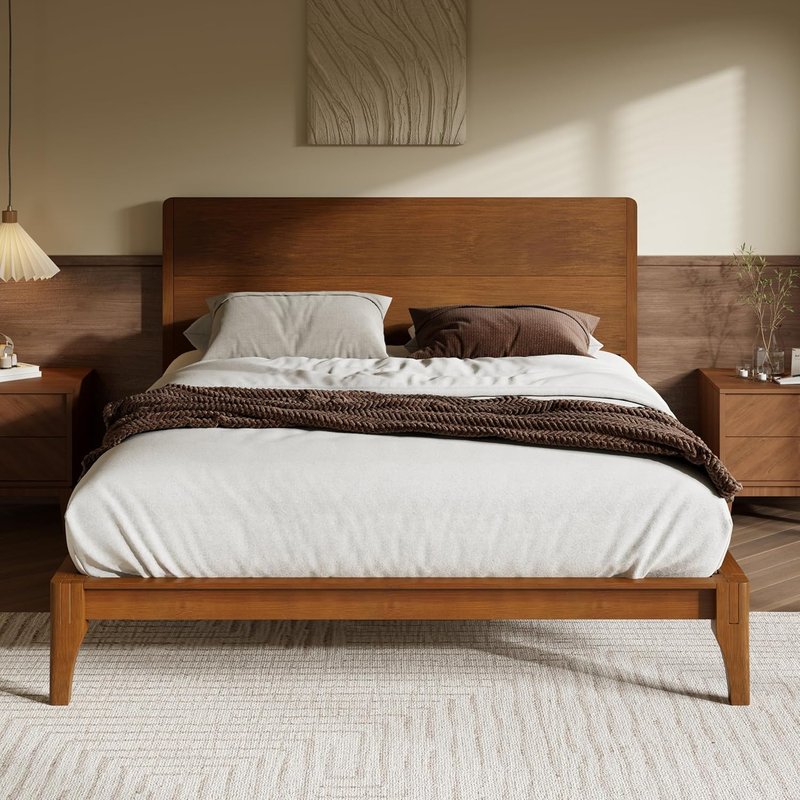
Merax Mid-Century Platform Bed with Wood Slat Headboard
View on Amazon →Quick Take
West Elm's best value bed frame. A solid-and-engineered wood build with genuine solid tapered legs, better executed than the brand's upholstered frames at similar money, carrying Fair Trade, FSC and GREENGUARD Gold certifications. It is not all solid hardwood and the headboard needs occasional re-tightening.
West Elm Mid-Century Bed
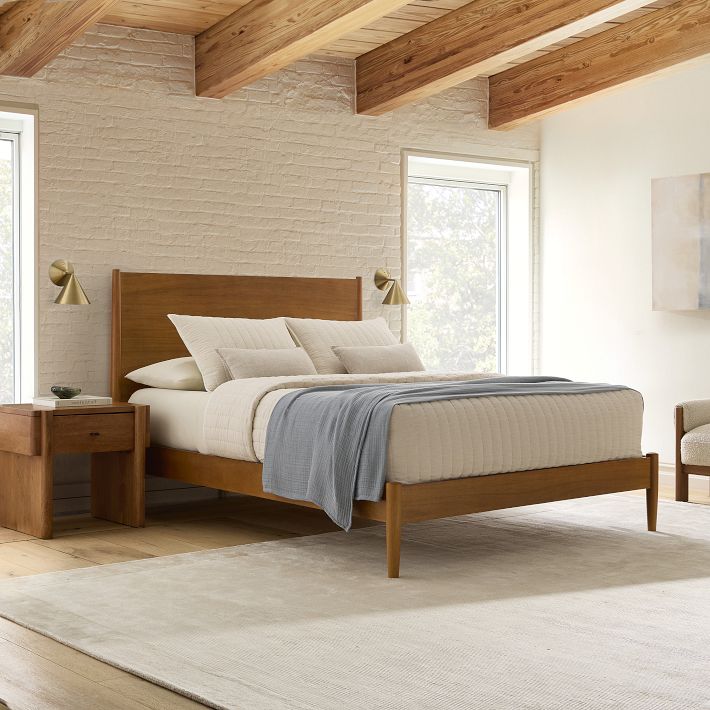
The West Elm Mid-Century Bed is one of the longest-running pieces in their collection, a retro-inspired wood bed frame that borrows directly from 1950s and 1960s furniture design with doweled headboard edges and tapered wood legs. It's made in a Fair Trade Certified facility from kiln-dried, sustainably sourced wood, covered in water-based finishes, and GREENGUARD Gold Certified. At $799 to $1,499 depending on size and finish, it's one of West Elm's more honestly priced bed frames.
Unlike West Elm's upholstered bed line, the Laurent, Emma Chamberlain, Flange, the Mid-Century Bed doesn't try to make the bed frame itself a visual centerpiece through fabric and curves. It does something subtler: it establishes a clean, linear, wood-forward presence that recedes appropriately and lets bedding, lighting, and surrounding furniture carry the room's character. That restraint is part of its sustained appeal over a decade-plus in the catalog.
The fact that the Mid-Century Bed has been in West Elm's catalog for over ten years while upholstered alternatives rotate in and out is itself the clearest quality signal available. Products that earn repeat purchases and sustained owner satisfaction stay in production. Products that disappoint get replaced. The Mid-Century Bed's longevity in the lineup is earned, not accidental, it hits a price point and design vernacular that keeps working for a wide range of buyers across different room styles.
Construction
The Mid-Century Bed uses kiln-dried solid and engineered wood, a combination of solid wood for the frame and legs, engineered wood for the panel sections. This is a common construction approach at this price tier. The tapered legs are solid, not hollow metal tubes, which is a meaningful structural choice, solid tapered legs contribute to long-term frame stability in a way hollow alternatives do not. Solid pine slats are included. Available in multiple water-based finish colors including Acorn, Cerused White, and others. Made in a Fair Trade Certified facility, which means defined labor and environmental standards are verified by a third party.
The primary structural concern reported by owners over time is headboard wobble, bolts connecting the headboard to the frame require periodic re-tightening, typically quarterly to annually depending on use. This is a known characteristic rather than a defect, and it's common across many wood bed frames in this construction category. The veneer surface on frame sections is susceptible to scratch and chip damage from direct contact, nightstand edges, moving furniture nearby, contact during cleaning. Two-year owners typically report no issues; four-year owners in more active settings report visible wear on edges and corners. Context matters significantly.
How it compares to Thuma and others
Competing frames worth comparing: Thuma's The Bed ($995-$1,395) uses solid Japanese white ash throughout with a Japanese joinery system that requires no tools and no ongoing bolt maintenance, a genuinely superior material specification at a comparable price. Floyd's Platform Bed ($695-$895) uses powder-coated steel and solid walnut accents with a modular, move-friendly design. The Mid-Century Bed holds its ground against these alternatives on design character, the MCM vocabulary is its own, but buyers should understand they're getting a mixed solid-and-engineered construction rather than an all-solid alternative.
Style, value, and positioning
The Mid-Century Bed's design is resolved and timeless in a way that distinguishes it from trend-chasing contemporaries. Tapered legs, doweled headboard edges, and a horizontal slatted headboard panel that echoes MCM case furniture, it's a recognizable vocabulary executed simply and well. The multiple finish options let it travel across natural wood, bleached, and painted aesthetic contexts without requiring room redesign. More importantly, it's a bed that makes everything else in the room easier. Because it doesn't demand visual attention the way a fully upholstered statement bed does, bedding choices, side tables, lighting, and art can all move freely without competing with the frame.
$799 for a Queen bed frame made in a Fair Trade Certified facility with FSC-certified wood, GREENGUARD Gold Certification, and a genuine MCM design pedigree is good value. At $1,499 for a King, it's still competitive with the solid hardwood market, where you'd pay significantly more for all-solid-wood construction with comparable design character. The warranty is West Elm's standard one-year coverage, not exceptional, but consistent with the category at this price.
Who should buy this
This is West Elm's most honest value proposition in the bed frame category, and comparing it against the Laurent at $1,149 or the Emma Chamberlain bed at $999 makes that clear. The Mid-Century Bed offers better construction transparency, a stronger long-term design aesthetic, and a lower price for buyers who don't need the upholstered look. For anyone who is drawn to mid-century design vocabulary and wants a wood bed frame that will still look appropriate in five or ten years, this is the most defensible purchase in the West Elm bedroom lineup.
The right buyer is someone who values the MCM design language, wants a wood bed frame that reads as classic rather than trend-forward, and is comfortable with the headboard maintenance reality. The wrong buyer is someone who wants maintenance-free construction or all-solid-hardwood quality at this price, both of which are available elsewhere. The Mid-Century Bed's decade-plus catalog longevity is the best available endorsement: it has earned enough repeat purchases to justify continuous production in a lineup that rotates aggressively.
Solid legs, engineered case
Frame
The Mid-Century Bed uses an exposed wood frame, the defining feature that distinguishes it from the majority of West Elm's upholstered bed lineup. The frame is kiln-dried solid and engineered wood, with solid pine slats, rather than the fully upholstered foam-over-board construction of West Elm's padded beds. Joinery uses a combination of mortise-and-tenon at the headboard connections and bolted hardware at the side rail connections. This is a more durable and repairable construction than upholstered alternatives.
Wood species & grade
West Elm sources FSC-certified wood for the Mid-Century Bed. The wood grain is visible and variable, natural knots and grain patterns are present and intentional. The headboard's slatted or solid-panel design (depending on variant) is constructed from boards of consistent thickness, milled and sanded to uniform tolerance. The quality of wood selection is one of the consistent positives in long-term user reviews.
Finish
Available in Acorn, Cerused White, White, and Pebble finishes. West Elm uses low-VOC, water-based finishes across the options, and the bed is Greenguard Gold certified for low emissions. The metal leg caps are a signature mid-century detail; they are functional (protecting wood from floor contact) as well as aesthetic.
Dimensions & weight
Available in Twin, Full, Queen, and King. Queen: approximately 65"W x 87"L x 48"H (headboard). Platform height approximately 8", 10" from floor, compatible with standard mattresses without a box spring. Slat system spans the full width; slat spacing is appropriate for foam, latex, and hybrid mattresses. The solid wood construction means the bed is heavier than upholstered alternatives of similar size, plan accordingly for room placement.
Assembly
The Mid-Century Bed ships in two to three boxes depending on size. Assembly involves connecting the headboard to the side rails using bolt hardware through threaded inserts, then laying the slat system. Assembly instructions are clear and the process is one of the more straightforward among West Elm bed frames; one person can technically manage it but two makes it significantly easier. Typical assembly time is 30-60 minutes.
Warranty
1-year warranty against manufacturing defects. The solid wood construction means this bed is more serviceable over time than upholstered alternatives, a loose joint can be re-glued, a scratched finish can be touched up, and the structural wood is repairable in ways that foam-and-fabric constructions are not. This is a meaningful long-term ownership advantage.
Our Ratings
Overall score
A solid-and-engineered wood build with genuine solid tapered legs, better executed than West Elm's upholstered frames at similar prices, and carrying Fair Trade and GREENGUARD Gold certifications. Two known issues keep it from a higher mark: the headboard develops a wobble that needs periodic bolt re-tightening, and the veneer scratches. Neither is a deal-breaker for careful, moderate-use households.
The Mid-Century Bed has aged better than most of West Elm's catalog because tapered legs, doweled headboard edges, and clean horizontal lines sit on a design vernacular that doesn't date. Multiple finish options extend its range. Its best quality is restraint: it grounds a bedroom quietly instead of competing with it.
West Elm's best value bed frame: $799 for a Fair Trade, FSC, and GREENGUARD Gold certified solid-and-engineered frame is genuinely fair. It isn't all-solid-hardwood and the headboard needs occasional re-tightening, but it undercuts the Laurent ($1,149) and Emma Chamberlain ($999) beds while offering better construction transparency and a stronger long-term look.
What People Are Saying
The Mid-Century Bed has more community discussion than West Elm's newer bed frames simply because it's been in the market longer. In r/BuyItForLife, one owner wrote: "I have this bed from West Elm, no complaints. Don't listen to the West Elm haters on furniture subs. I've had one of their couches for 8 years and it's still great." This pro-West Elm voice is counterbalanced by the community's prevailing skepticism, the highest-voted reply in the same thread recommended Room & Board or Thuma instead. More nuanced owner reports come from ralphsway.com, where a two-year owner noted: "It's held up beautifully" while also acknowledging "the veneer finish is prone to scratches" relative to solid hardwood alternatives. The headboard wobble is documented across slumbersearch.com reviews: "The acorn mid-century bed-frame is creaky; a replacement had the same issue." For buyers who prioritize aesthetics and value over absolute durability, the Mid-Century Bed consistently earns qualified satisfaction.
Reddit and Houzz commentary are weighted 3× against blog and editorial sources in our sentiment score. Brand PR has a well-documented influence on editorial coverage — direct owner reports from message boards tend to be more candid.
What Reddit Is Saying
“I think your math needs some work. The West Elm Acorn has 13.5" rails to the floor with 8" clearance. There's a photo without a mattress showing the slats are quite close to the top of the rails. Add your 10" mattress and top of bed would be about 22.5" off the floor and with bedding nearly level with the top of your bed. I may have found something. Really pricy but just gorgeous. [https://vermontwoodsstudios.com/products/larssen-bed#.XdHAwVdKjIU](https://vermontwoodsstudios.com/products/larssen-bed#.XdHAwVdKjIU) The site is really good with dimensions, give the platform height as well as rail height and clearance. Found it with search terms tall wood platform MCM bed.”View thread →
“Thanks! Yes thanks for setting me straight on the Acorn. West Elm charges $200 shipping, which is more than most, and as well, we have a couple other West Elm wood furniture pieces and we're not super impressed with their finish quality; it seems to scratch more easily than we'd like. We're keeping this one in mind, but are hoping to find a different option. ​ And the Vermont Wood Studios bed is not our style, but elegant just the same!”View thread →
What Houzz Is Saying
“If I get the matching bed is that too matchy matchy? I want to avoid looking like an Ashley Furniture Store (the worst). http://www.westelm.com/products/mid-century-bedframe-acorn-h001/”Source →
What Others Are Saying
“At the end of the day, the West Elm Mid-Century Bed is an investment in style and comfort. It's not perfect, but it's got a lot going for it — killer looks, decent durability, and a practical design that works in almost any space.”Source →
Frequently asked questions
Is the West Elm Mid-Century Bed worth it?
West Elm's best value bed frame. A solid-and-engineered wood build with genuine solid tapered legs, better executed than the brand's upholstered frames at similar money, carrying Fair Trade, FSC and GREENGUARD Gold certifications. It is not all solid hardwood and the headboard needs occasional re-tightening.
How is the West Elm Mid-Century Bed built?
A solid-and-engineered wood build with genuine solid tapered legs, better executed than West Elm's upholstered frames at similar prices, and carrying Fair Trade and GREENGUARD Gold certifications. Two known issues keep it from a higher mark: the headboard develops a wobble that needs periodic bolt re-tightening, and the veneer scratches. Neither is a deal-breaker for careful, moderate-use households.
What styles does the West Elm Mid-Century Bed work with?
The Mid-Century Bed has aged better than most of West Elm's catalog because tapered legs, doweled headboard edges, and clean horizontal lines sit on a design vernacular that doesn't date. Multiple finish options extend its range. Its best quality is restraint: it grounds a bedroom quietly instead of competing with it.
What do real owners say about the West Elm Mid-Century Bed?
The Mid-Century Bed has more community discussion than West Elm's newer bed frames simply because it's been in the market longer. In r/BuyItForLife, one owner wrote: "I have this bed from West Elm, no complaints. Don't listen to the West Elm haters on furniture subs.
Options Worth Checking Out
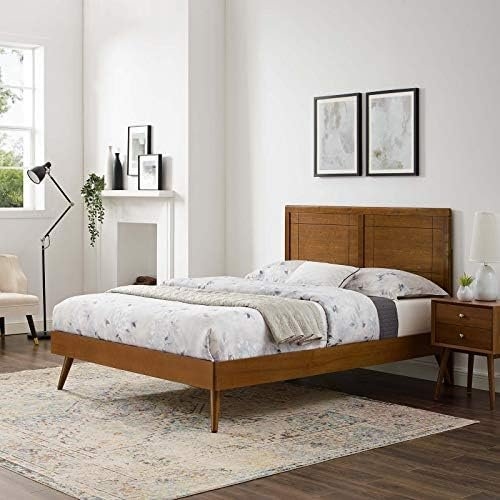
Modway Marlee Queen Wood Platform Bed with Splayed Legs, Walnut
Walnut-finish platform with the same splayed rubberwood legs and window-pane headboard as the West Elm Mid-Century, for under $500.
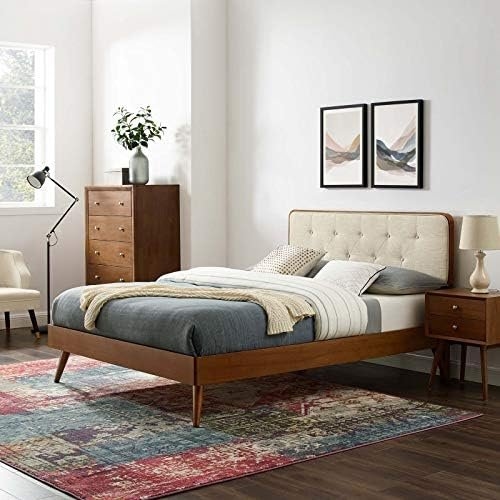
Modway Bridgette Queen Platform Bed, Walnut + Tufted Headboard
Adds a button-tufted upholstered headboard panel to the splayed-leg walnut frame. A softer option for readers who prop up against the headboard.
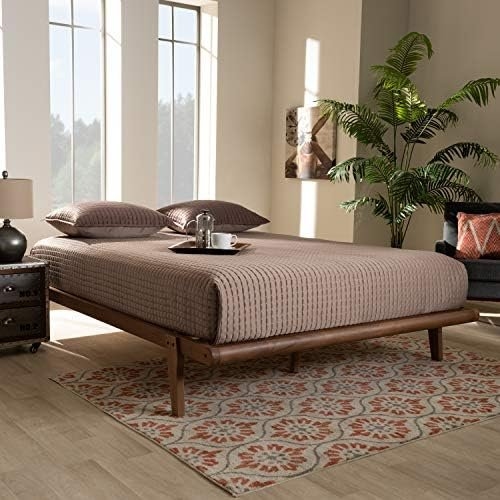
Baxton Studio Kaia Mid-Century Queen Platform Bed, Walnut Brown
Clean-lined walnut frame with a low-profile stance near-identical to the West Elm Mid-Century. From an established furniture brand; strong first-apartment pick.
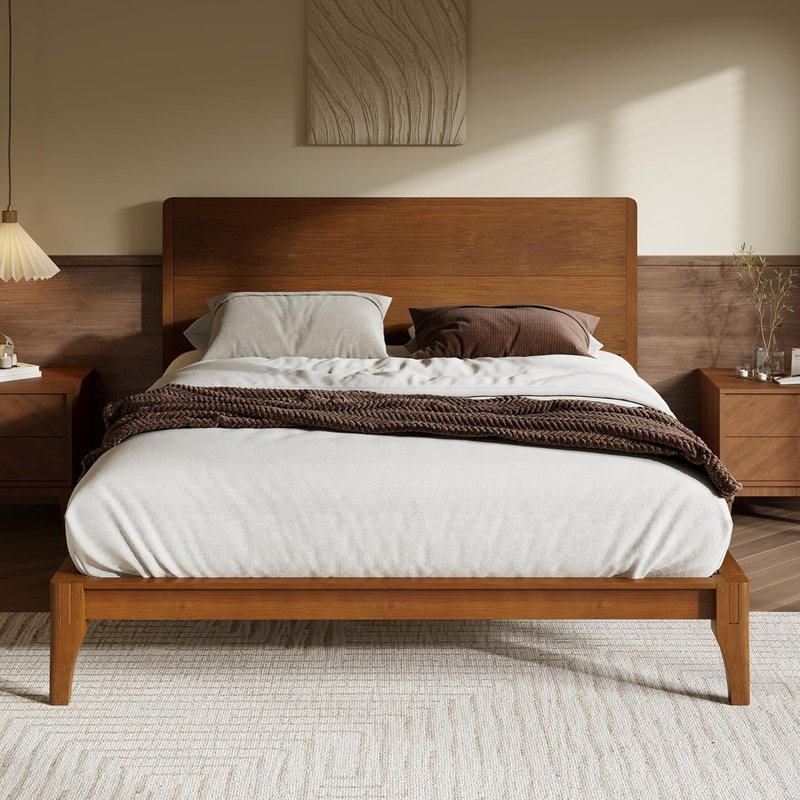
Merax Mid-Century Platform Bed with Wood Slat Headboard
Walnut finish, low-profile stance, and a solid slat headboard track the West Elm Mid-Century's look at a much lower price. No box spring needed.
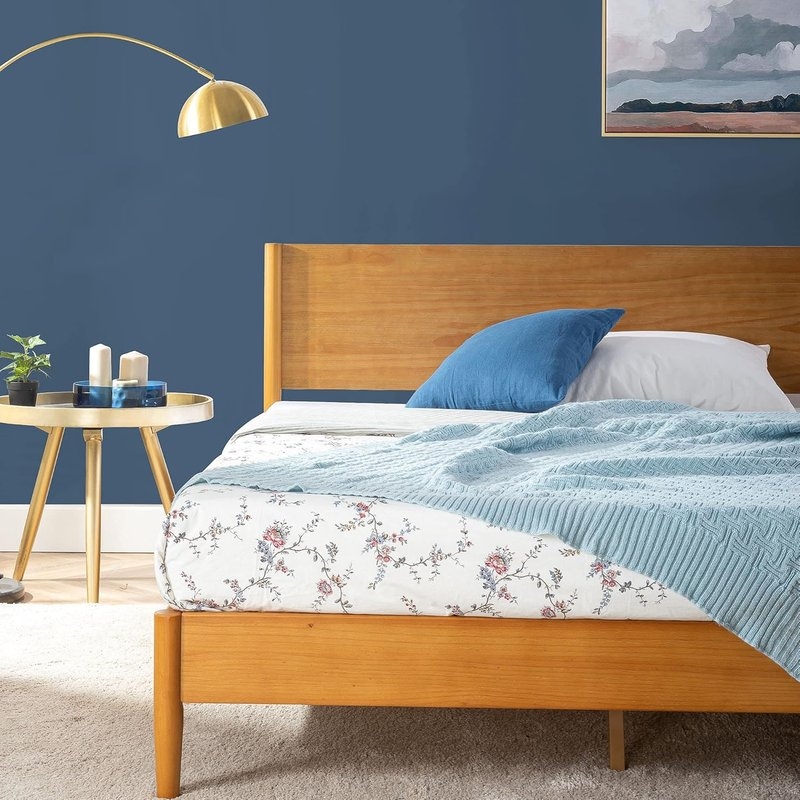
Zinus Allen Mid-Century Platform Bed, Wood Foundation
Walnut-toned wood foundation with strong slat support delivers the West Elm Mid-Century's clean low profile for a fraction of the cost.
You Might Also Need
Accessories worth grabbing alongside your purchase
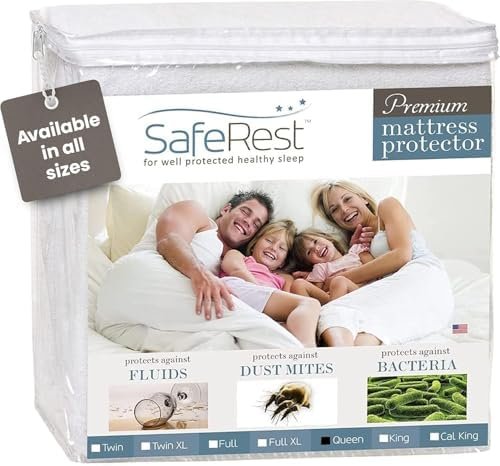
More West Elm Reviews
See all →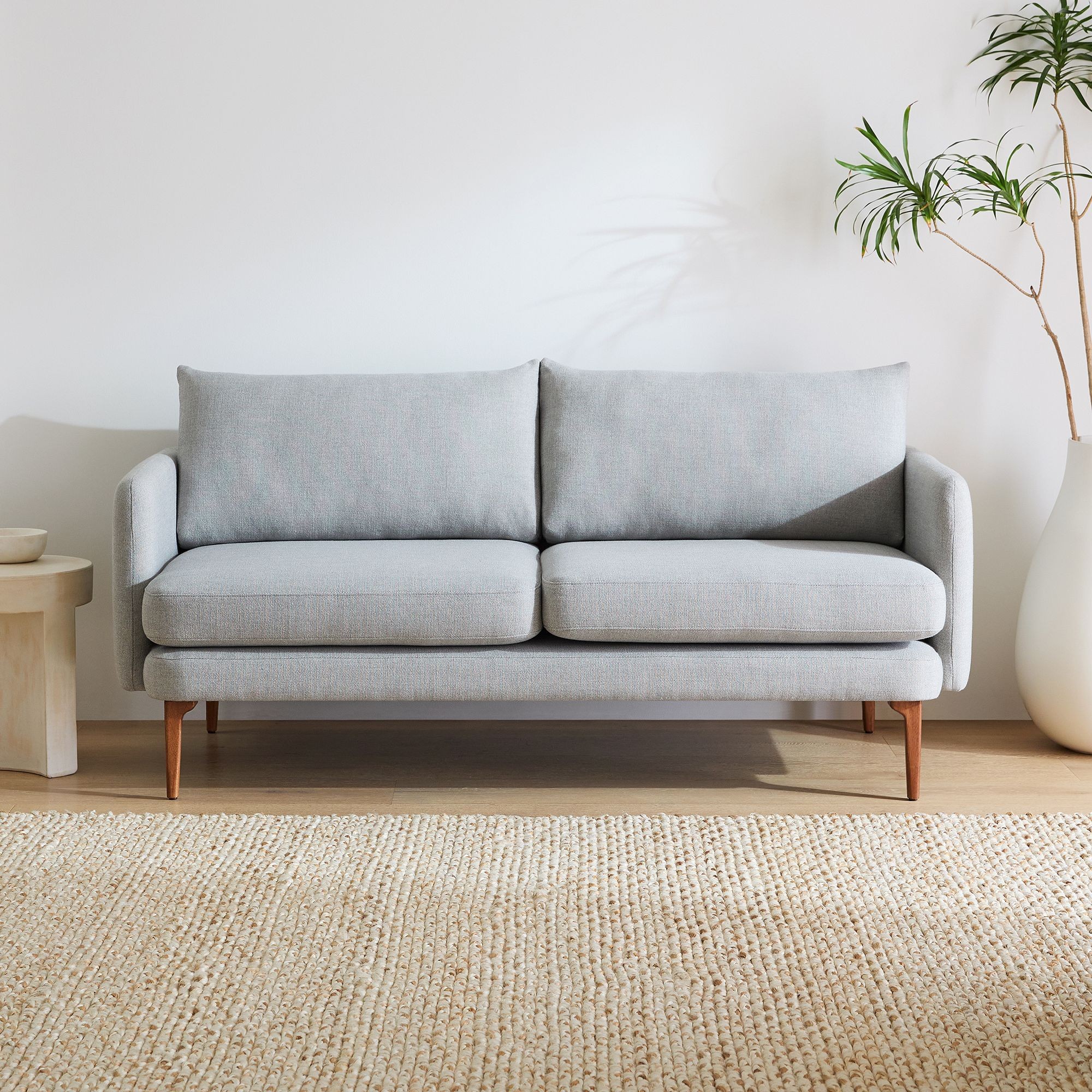
West Elm Auburn Sofa Review: Compact Build + Our Honest Verdict
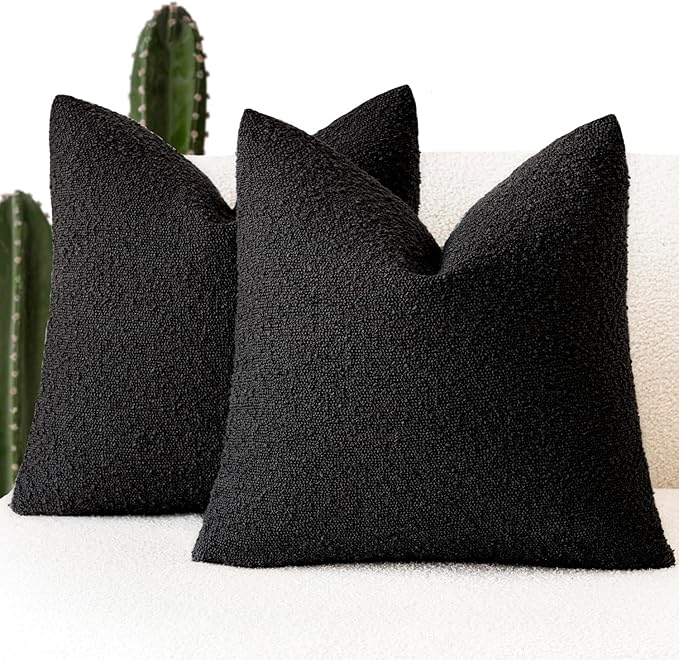
Best Throw Pillows for a West Elm Harmony Sofa: Sizes, Texture, and Layering
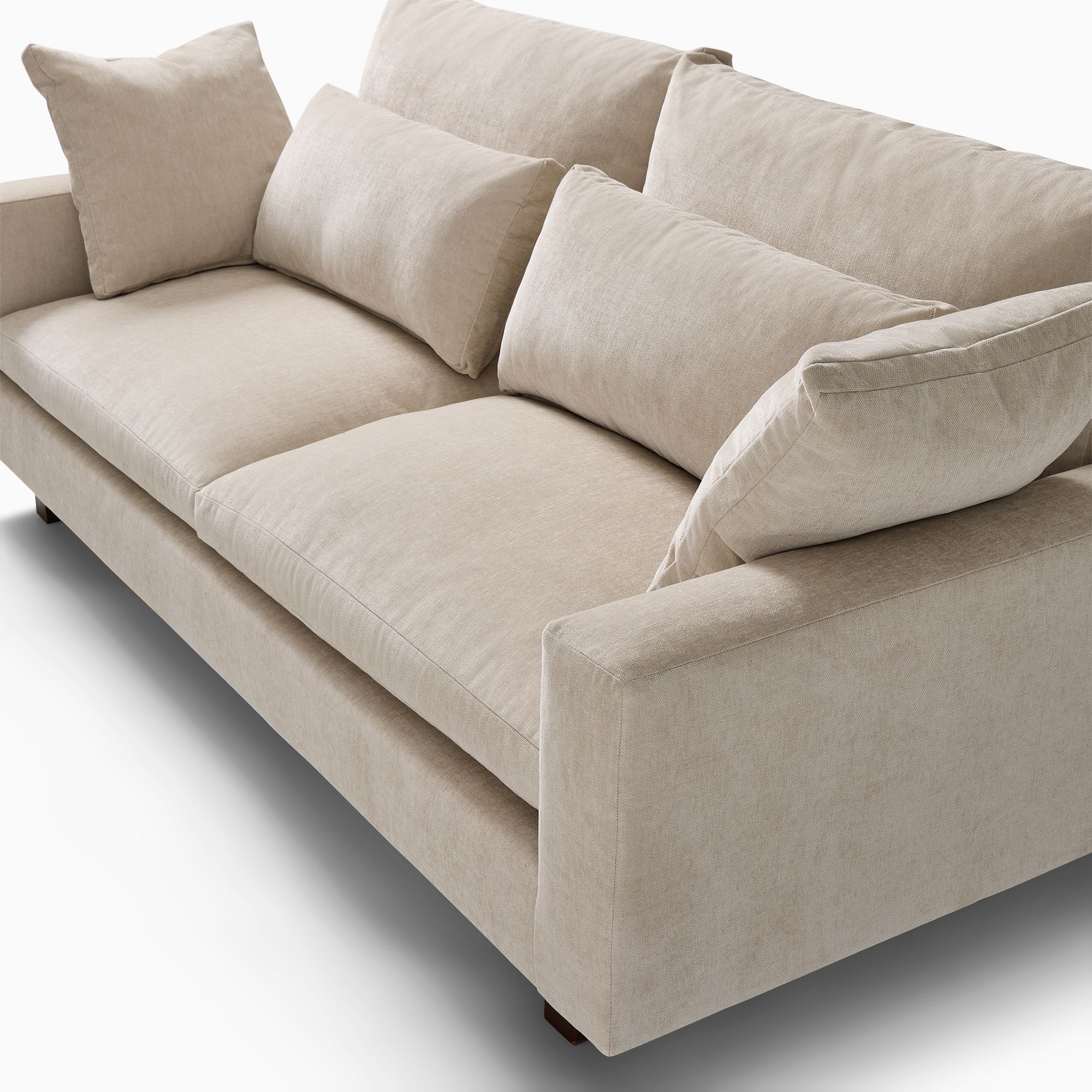
West Elm Harmony Cushions Sagging? The $40 DIY Fix (And When to Give Up)
West Elm Peggy Sofa Reviews + Our Honest Verdict
How Does It Compare?
Side-by-side breakdowns featuring this product