West Elm
West Elm European Flax Linen Duvet Reviews + Our Take
By Sam Hollis · Updated August 2026
Independent editorial review. We never accept payment for coverage, though we may earn a commission if you purchase through our links.
Verdict
Owners of the West Elm European Flax Linen report some of the highest long-term satisfaction of any West Elm bedding product. The praise lands consistently on the texture improving with age and on how widely the look works, and plenty of owners say it became their favorite bedding after the first few washes. Complaints cluster around three things: the initial stiffness, which is what quality linen does; the natural wrinkling, which surprises buyers expecting smooth cotton behavior; and occasional color variation between the online photo and the delivered piece. Long-term owners rarely go back to cotton alternatives.
Read full take ↓Similar bedding
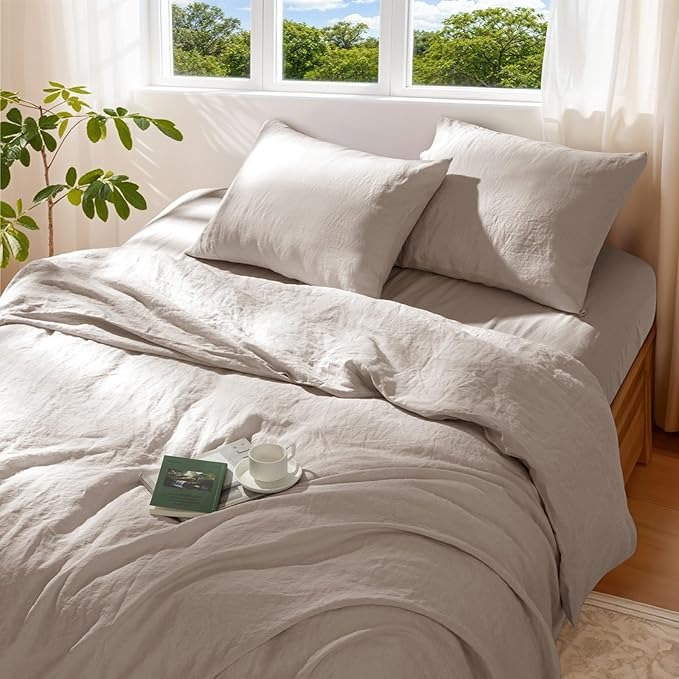
Linen bedding plays by different rules than cotton
Cotton sheets and comforters compete on thread count, weave, and fill weight. Linen duvet covers compete on texture, drape, and the fact that linen gets better with age while cotton doesn't. Those are different product conversations, and buyers who come at linen with cotton expectations tend to be thrown at first by the stiff, slightly scratchy feel of new linen, which resolves over the first twenty to thirty washes into something a lot more luxurious. West Elm's European Flax Linen Duvet Cover is a good way into the category, with 100% European flax construction and a design sensibility that made it one of the defining products in the brand's bedding lineup.
The aesthetic case is hard to argue with. The naturally textured surface, the way linen wrinkles artfully instead of sloppily, and the matte, nuanced color it takes from natural dye processes are why linen became the aspirational bedding material for interior photography, hotel design, and anyone who has stayed in a European hotel. West Elm understood that and built its European Flax product around the same visual language, which is part of why it has stayed in the lineup for years while other bedding products cycle in and out.
What makes European flax different from other linen
Flax grows across many regions, but European flax from the Western European belt carries a reputation that traces back to the climate and soil of Flanders and northern France. The long, wet growing season yields plants with long, consistent fiber length, and that turns into smoother, stronger yarn once it's processed. Not everything labeled European flax is grown there. West Elm specifies European-grown flax on this product without naming a single country, and the OEKO-TEX certification adds third-party verification of the finished product's safety standards, which is meaningful independent confirmation of the material claims.
French linen is the other descriptor you see all over this market. French and Belgian linen both come out of the Western European flax belt and share similar quality characteristics, and at the quality level available in consumer bedding, that difference is just marketing. What matters more is whether you're getting genuine European flax or a cotton or polyester blend, and whether OEKO-TEX or European Flax certification backs up the fiber origin claims.
The wrinkling question
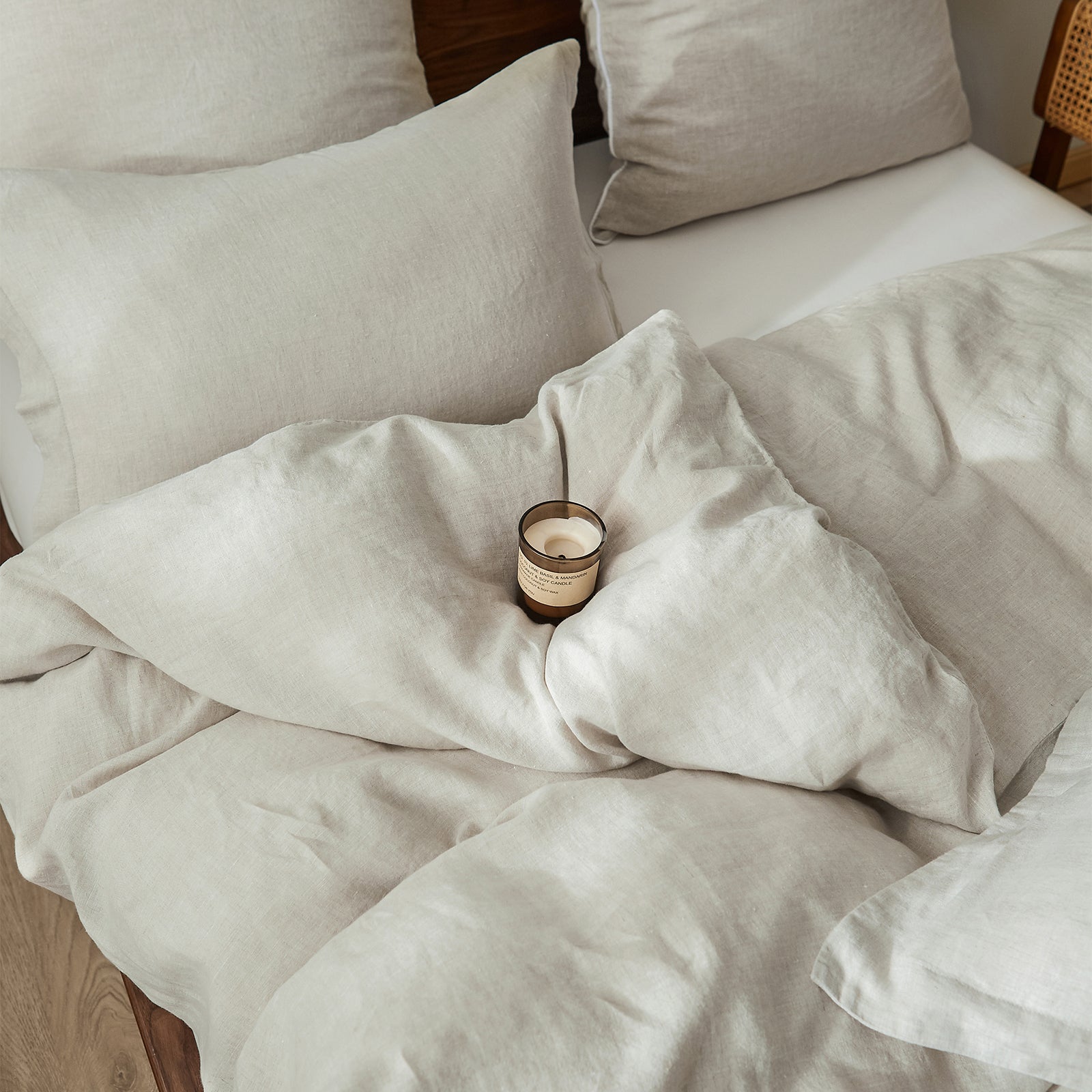
Linen wrinkles. That's a feature of the fiber, not a defect or a sign of poor construction. The only question is whether you find the rumpled, lived-in look beautiful or irritating, and there's no objective answer to that. Interior designers and bedding stylists consistently treat linen's casual texture as its primary aesthetic virtue. Anyone who smooths and tucks a bed to hotel-crisp precision every morning will find linen frustrating, because it won't hold a pressed look for more than a few minutes after it's disturbed.
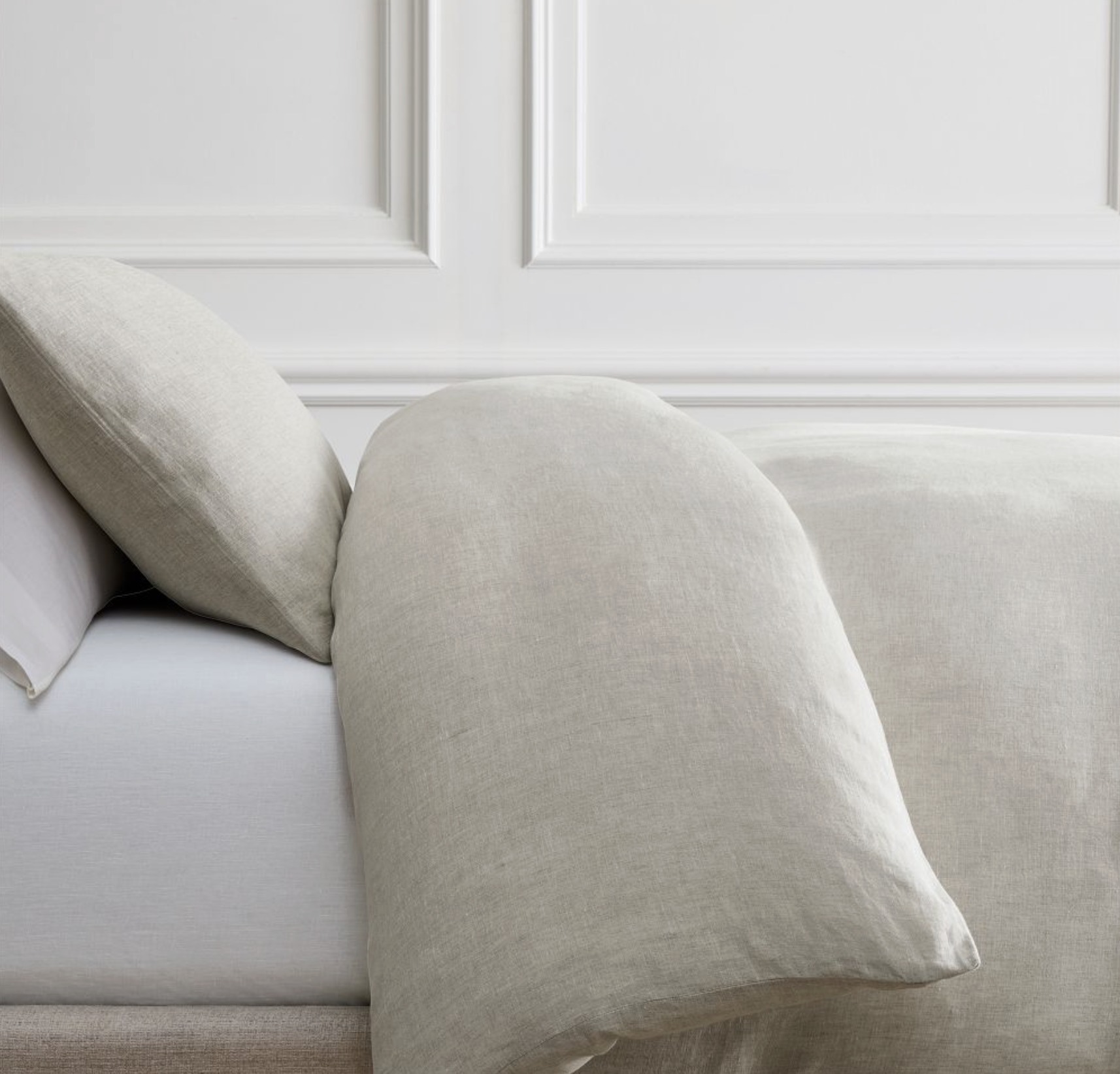
If wrinkling bothers you, this is the wrong duvet cover. The European Flax wrinkles when you make the bed, when you get in, when you get out, and it reads more textured and casual through the day than a smooth cotton or polyester cover. If you like the look, that same trait comes across as warmth, approachability, and the kind of easy lived-in style that takes real work to fake with other materials. West Elm's product photography shows the linen in its natural, slightly wrinkled state, which is an honest picture of what shows up at your door.
Breathability and seasonal suitability
Linen is about as breathable as bedding fiber gets. The flax fiber structure wicks moisture efficiently and moves air in a way cotton sateen, polyester, and even percale cotton can't match at comparable weights. That suits warm weather and warm climates where breathability is the priority. The same moisture-wicking works for people who sleep hot or deal with night sweats, since the fabric pulls moisture off the skin and dries fast instead of holding dampness against the body.
In colder climates the breathability matters less, and the thin drape of a duvet cover on its own won't keep you warm. A linen cover goes over a comforter insert, so warmth comes down to insert weight rather than the cover material. The linen adds a modest layer of insulation while letting the insert breathe more than a cotton or polyester cover would. A warm down or down-alternative insert under a linen cover is a well-tested pairing that works across seasons.
West Elm against the independent linen brands
West Elm isn't the only source for good European flax linen duvet covers. Cultiver, Rough Linen, Bed Threads, and Magic Linen all make high-quality European linen bedding, priced anywhere from comparable to well above West Elm. The independents usually give you more color options, better customer service, and a more direct sourcing story; what they don't have is West Elm's retail presence, its sale events, and the chance to put your hands on the fabric in a store.
First-time linen buyers who don't want to commit to an independent brand purchase should start here. The quality is genuine, returns run through West Elm's standard retail policy, and you can see the real color in person. If you already know you love linen and want the best of it, the independents earn their premium.
Who should buy it
The European Flax set is worth it if you want the textured linen look and can live with the wrinkles that come with it. It's a statement piece rather than a neutral background, and it works best in bedrooms with natural materials, warm wood tones, and organic styling. Skip it if you want crisp, smooth bedding, or if the casual rumple is going to bug you every morning. The breathability makes it a strong pick for warm climates and hot sleepers, and because linen improves with age, the money pays off over years of use instead of declining the way synthetic alternatives do.
European Flax Linen: fiber, weave, and certification
West Elm's European Flax Linen Duvet Cover & Shams uses 100% European-grown flax linen, garment-washed so it arrives with a relaxed, lived-in texture that keeps softening with every wash. The plain weave gives linen its familiar surface: slightly irregular from natural fiber variation, fairly firm when new, and noticeably softer and more supple after the first 20 to 30 washes. It carries two certifications, STANDARD 100 by OEKO-TEX® (tested for 350+ harmful substances) and Fair Trade Certified™, and it's built in a Fair Trade factory in Cambodia.
Flax fiber quality and European sourcing
European flax, grown mostly in Belgium, France, and the Netherlands, is the global benchmark for high-quality linen. The maritime climate and sandy soils along the Western European coast grow long, consistent fibers that spin into smooth, strong yarn. West Elm discloses European-grown flax without naming a single country of origin, which is common at this price tier and doesn't make the yarn any worse; France and Belgium in particular produce largely interchangeable premium flax. The European Flax label is broadly accurate and more transparent than brands that publish fiber content with no regional disclosure.
Machine washability and durability
The European Flax Linen is machine washable. Linen fibers are stronger wet than dry, the reverse of most natural fibers, which is why linen holds up so well through repeated washing cycles. Machine wash cold, tumble dry low or line dry, and skip the bleach and the fabric softener. Softener coats linen fibers and dulls their natural moisture-wicking and breathability over time. Cared for properly, a quality linen duvet cover holds its structural integrity for five to ten years of regular use.
Color, pattern, and weave variants
West Elm sells the European Flax line in three weave constructions: Solid, one yarn color with minimal variation; Melange, two yarn colors woven together for visual depth; and Fiber Dye, yarn spun from multiple hues so the coloring has highs and lows. Each reads differently under different lighting, and Melange and Fiber Dye in particular carry a nuanced, non-uniform tone that looks artisanal rather than factory-printed. Because of the garment-wash process, color comes out unique to each piece. The palette runs warm naturals, white, and a rotating seasonal selection.
Our Ratings
Overall score
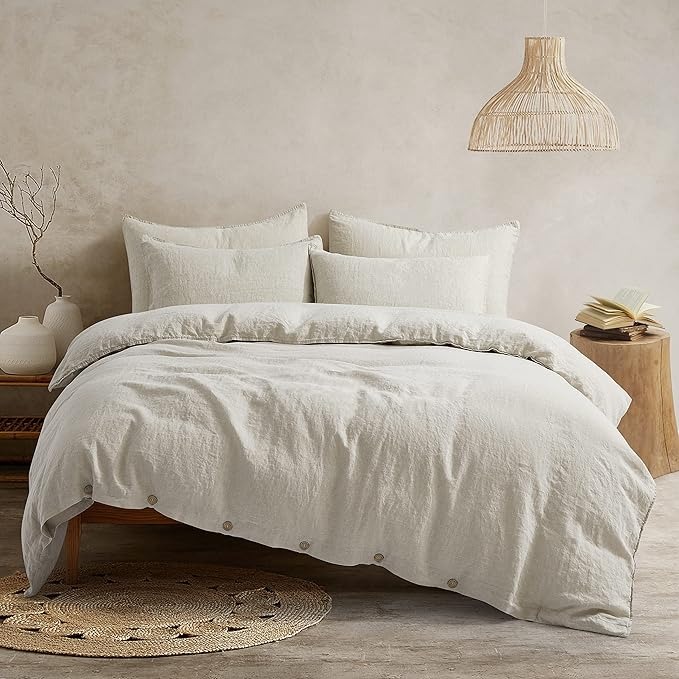
100% European flax linen, garment-washed so it arrives relaxed and keeps softening with washing, and carrying both OEKO-TEX STANDARD 100 and Fair Trade Certified credentials, a strong pairing for mid-range bedding. The duvet closes with buttons and four interior corner ties so the insert doesn't bunch. Built in a Fair Trade factory in Cambodia.
Linen texture carries more visual interest than flat cotton, and the slightly rumpled, organic look has become defining for modern bedrooms, which is why this stays one of West Elm's most enduring bedding lines. The neutral palette sits well against any wood tone or wall color, and the Melange and Fiber Dye weaves add depth without pattern.
At roughly $149-$229 for a full/queen with shams, this is fair money for genuine European linen carrying both OEKO-TEX and Fair Trade credentials. The caveat: DTC brands like Cultiver and Rough Linen sell comparable quality at similar prices with a more transparent sourcing story. West Elm's edge is color breadth and being able to see it in a store.
What People Are Saying
Owners of the West Elm European Flax Linen report some of the highest long-term satisfaction of any West Elm bedding product. The praise lands consistently on the texture improving with age and on how widely the look works, and plenty of owners say it became their favorite bedding after the first few washes. Complaints cluster around three things: the initial stiffness, which is what quality linen does; the natural wrinkling, which surprises buyers expecting smooth cotton behavior; and occasional color variation between the online photo and the delivered piece. Long-term owners rarely go back to cotton alternatives.
Reddit and Houzz commentary are weighted 3× against blog and editorial sources in our sentiment score. Brand PR has a well-documented influence on editorial coverage — direct owner reports from message boards tend to be more candid.
What Others Are Saying
“They were incredibly rough and felt more like a tablecloth than a sheet — though the label does promise it softens over time with washing.”Source →
Frequently asked questions
Is the West Elm European Flax Linen Duvet worth it?
At roughly $149-$229 for a full/queen with shams, this is fair money for genuine European linen carrying both OEKO-TEX and Fair Trade credentials. The caveat: DTC brands like Cultiver and Rough Linen sell comparable quality at similar prices with a more transparent sourcing story. West Elm's edge is color breadth and being able to see it in a store.
How is the West Elm European Flax Linen Duvet built?
100% European flax linen, garment-washed so it arrives relaxed and keeps softening with washing, and carrying both OEKO-TEX STANDARD 100 and Fair Trade Certified credentials, a strong pairing for mid-range bedding. The duvet closes with buttons and four interior corner ties so the insert doesn't bunch. Built in a Fair Trade factory in Cambodia.
What styles does the West Elm European Flax Linen Duvet work with?
Linen texture carries more visual interest than flat cotton, and the slightly rumpled, organic look has become defining for modern bedrooms, which is why this stays one of West Elm's most enduring bedding lines. The neutral palette sits well against any wood tone or wall color, and the Melange and Fiber Dye weaves add depth without pattern.
Options Worth Checking Out
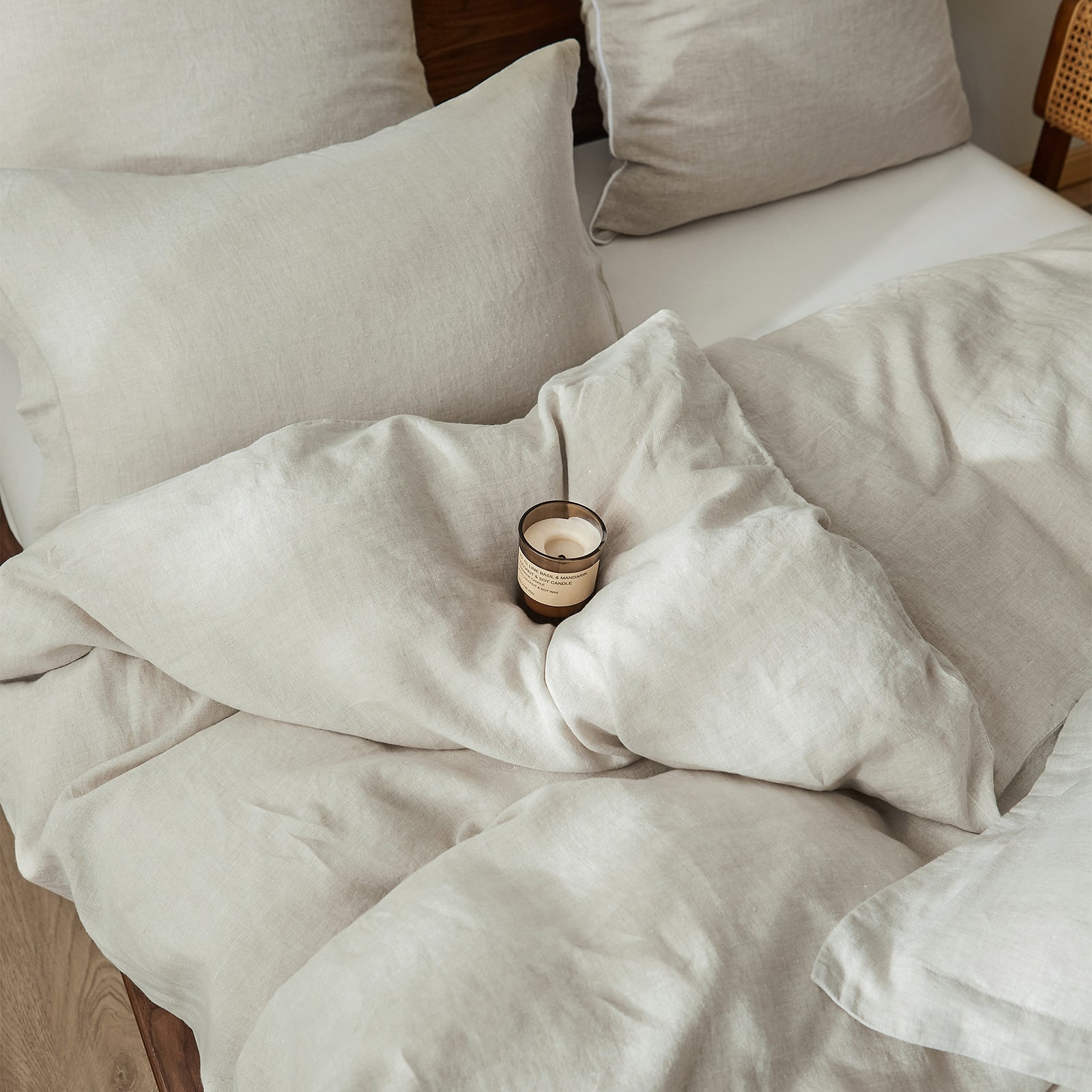
Simple&Opulence 100% French Flax Linen Duvet Cover Set
Three-piece washed French flax linen with embroidery detail and button closure, stone-washed for immediate softness, gets better with age. Closest alternative to WE Belgian Flax. 4.5 stars from 1,700+ buyers.
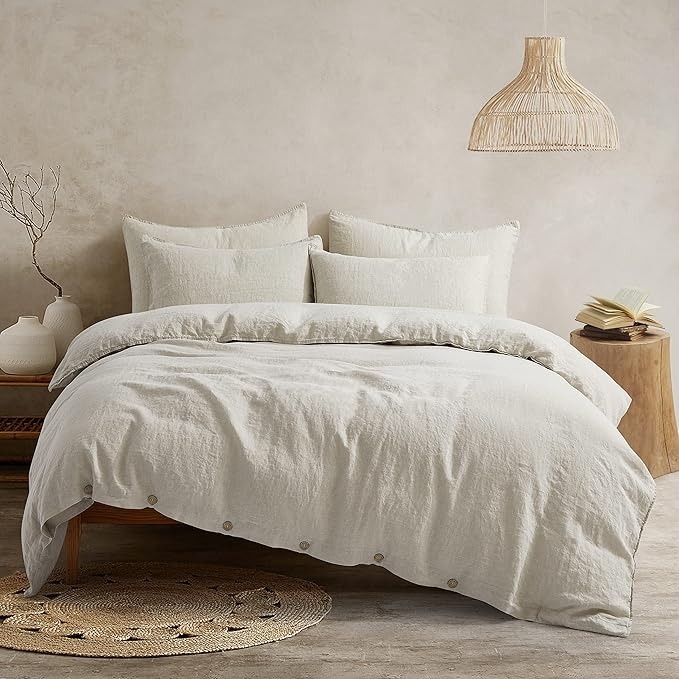
ATLINIA 100% Flax Linen Duvet Cover Set
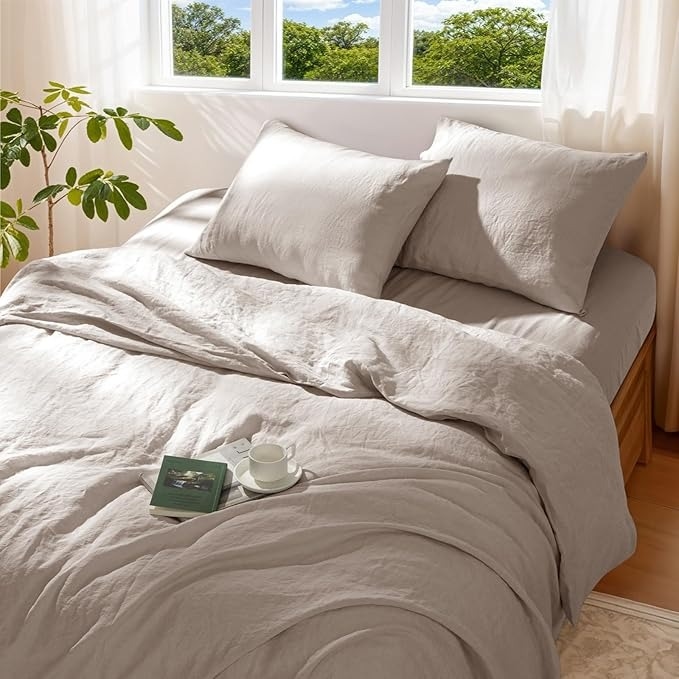
Pure Linen Duvet Cover Set Queen
More West Elm Reviews
See all →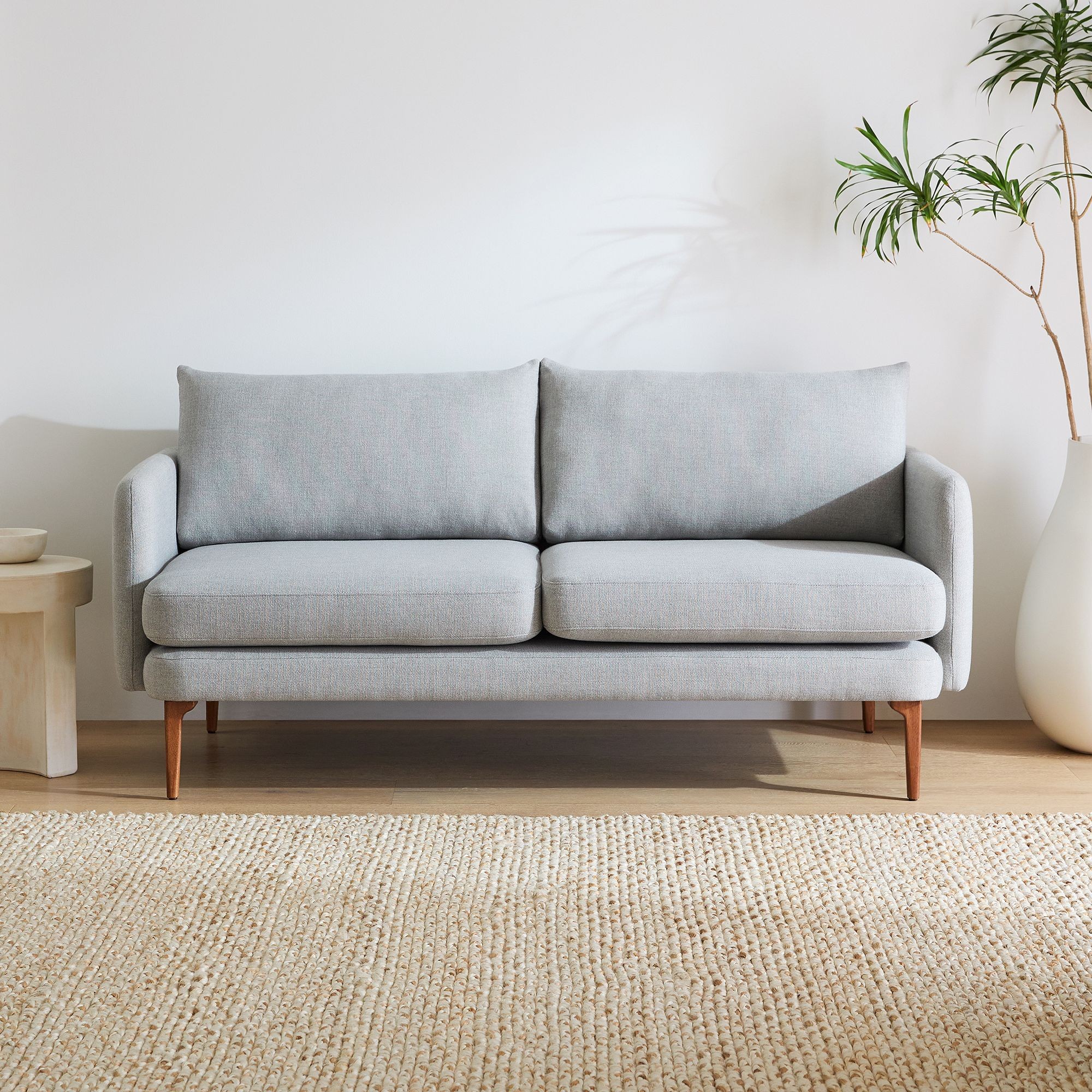
West Elm Auburn Sofa Review: Compact Build + Our Honest Verdict
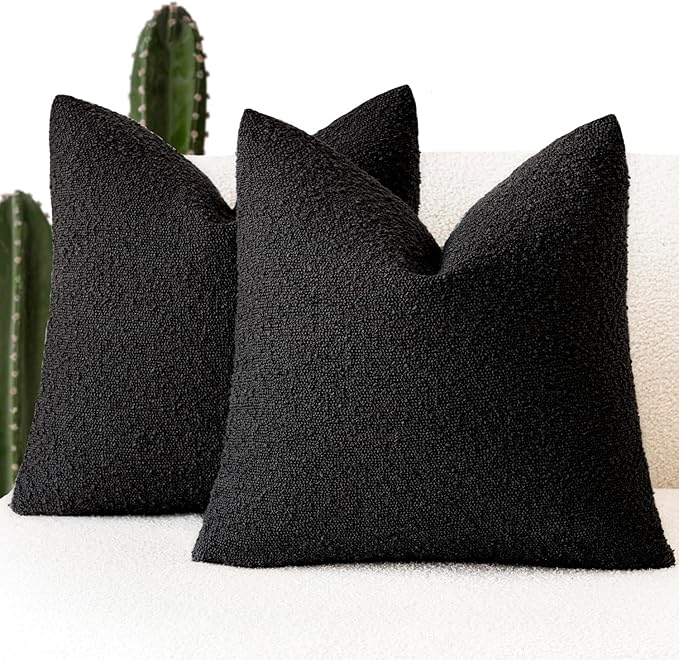
Best Throw Pillows for a West Elm Harmony Sofa: Sizes, Texture, and Layering
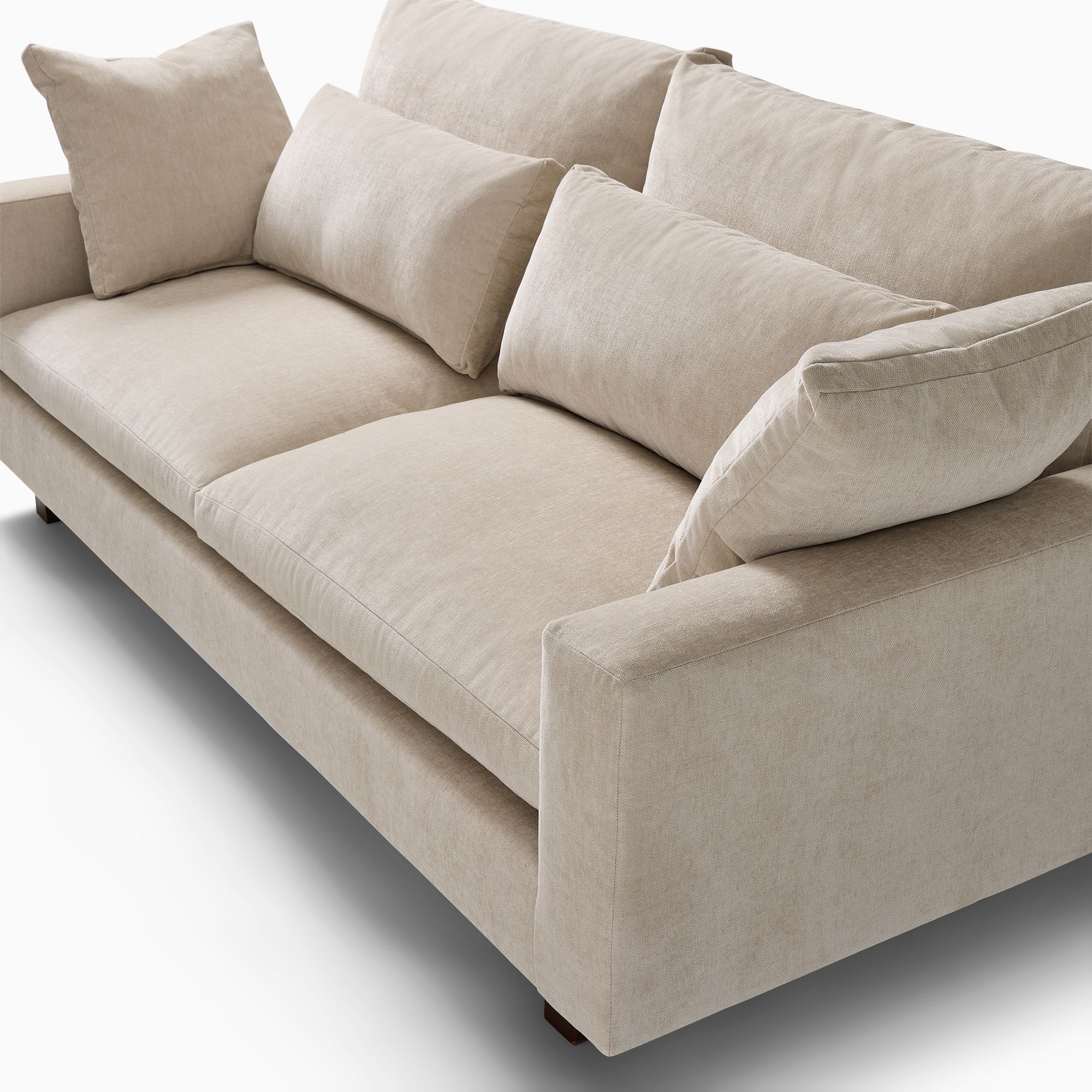
West Elm Harmony Cushions Sagging? The $40 DIY Fix (And When to Give Up)
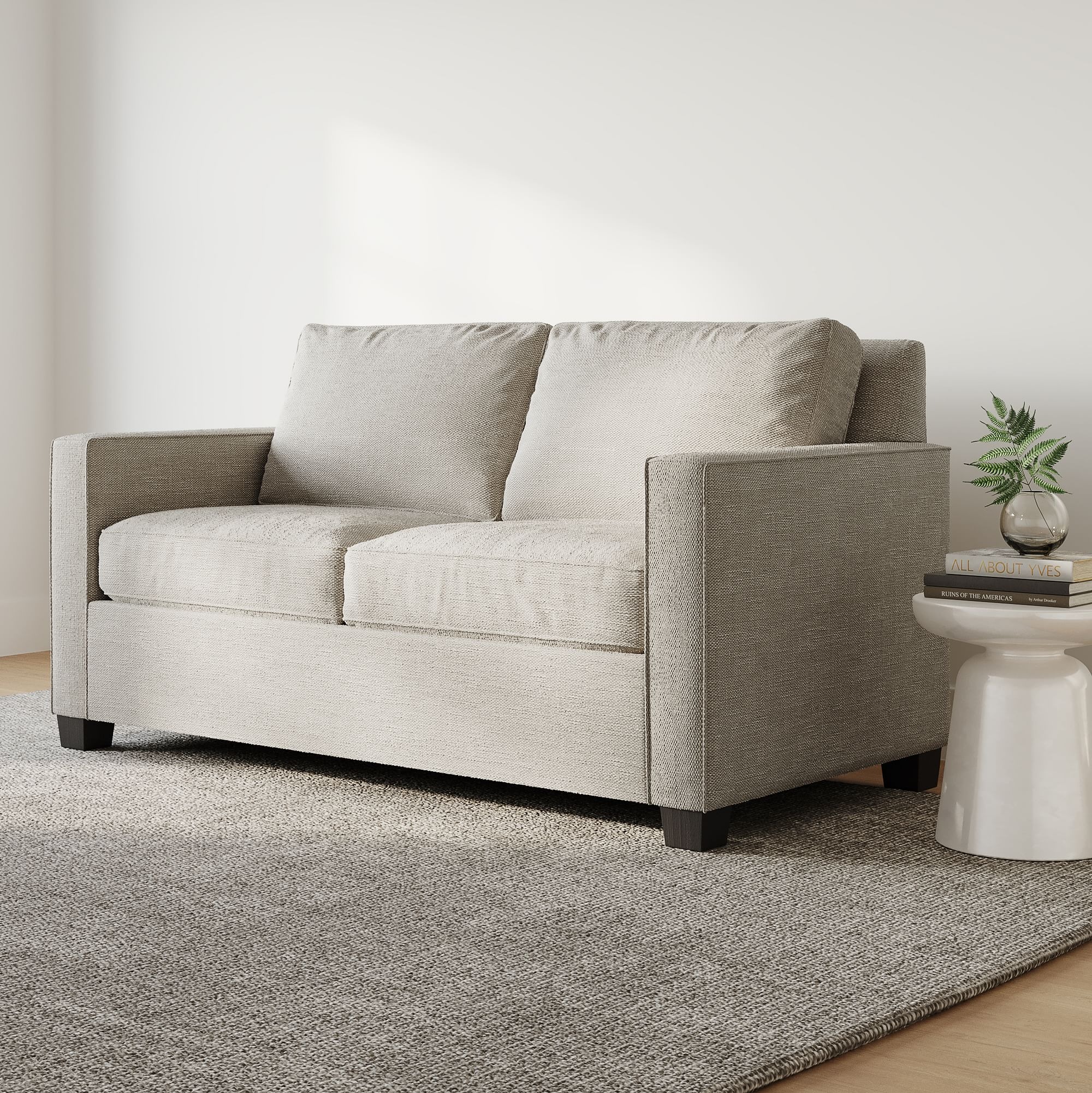
West Elm Peggy Sofa Reviews + Our Honest Verdict
How Does It Compare?
Side-by-side breakdowns featuring this product