West Elm
West Elm Calla Coffee Table Reviews + Our Verdict
By Daniel Reyes · Updated October 2026
Independent editorial review. We never accept payment for coverage, though we may earn a commission if you purchase through our links.
Verdict
The Calla draws strong sentiment in design-forward subreddits. r/malelivingspace, r/femalelivingspace, and r/interiordesign feature it in room photos regularly, and when commenters ask about the table the answers are consistently positive about the silhouette. The recurring criticism in direct reviews is price against material: solid mango wood is genuinely excellent, but plenty of buyers think the West Elm premium is aggressive for a one-material piece with no complex joinery. The 36-inch version gets discussed more than the 48-inch, which shows up less often in Reddit posts.
Read full take ↓Similar alternatives
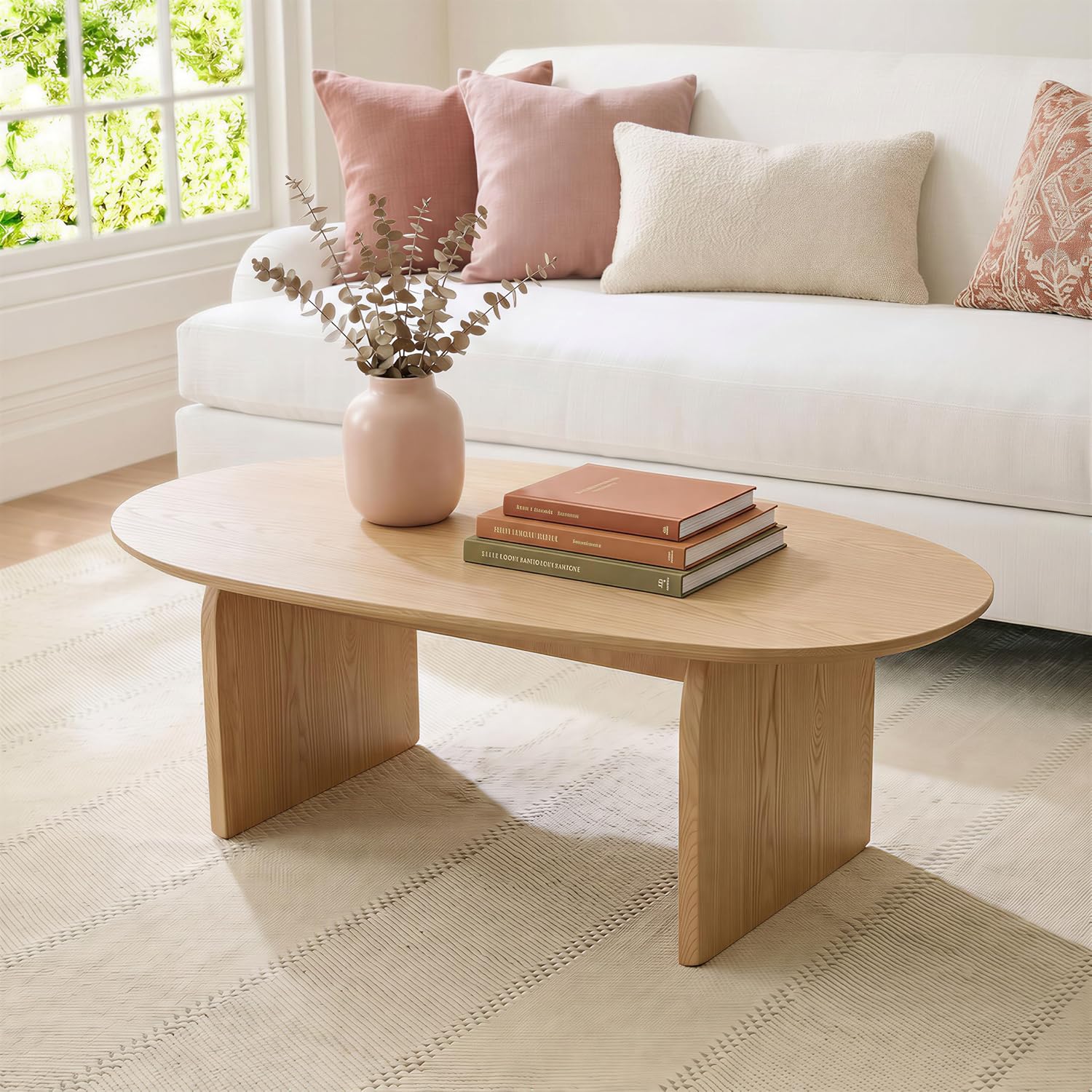
Quick Take
Solid mango wood through the full thickness of the top, which is genuinely unusual at this price. Most furniture sold as wood in this range puts solid stock only at the legs and visible edges, with engineered wood or MDF under a veneer across the surface. The sculpted organic edge is real carved wood, so the grain figure differs on every one.
Solid mango wood that earns its price
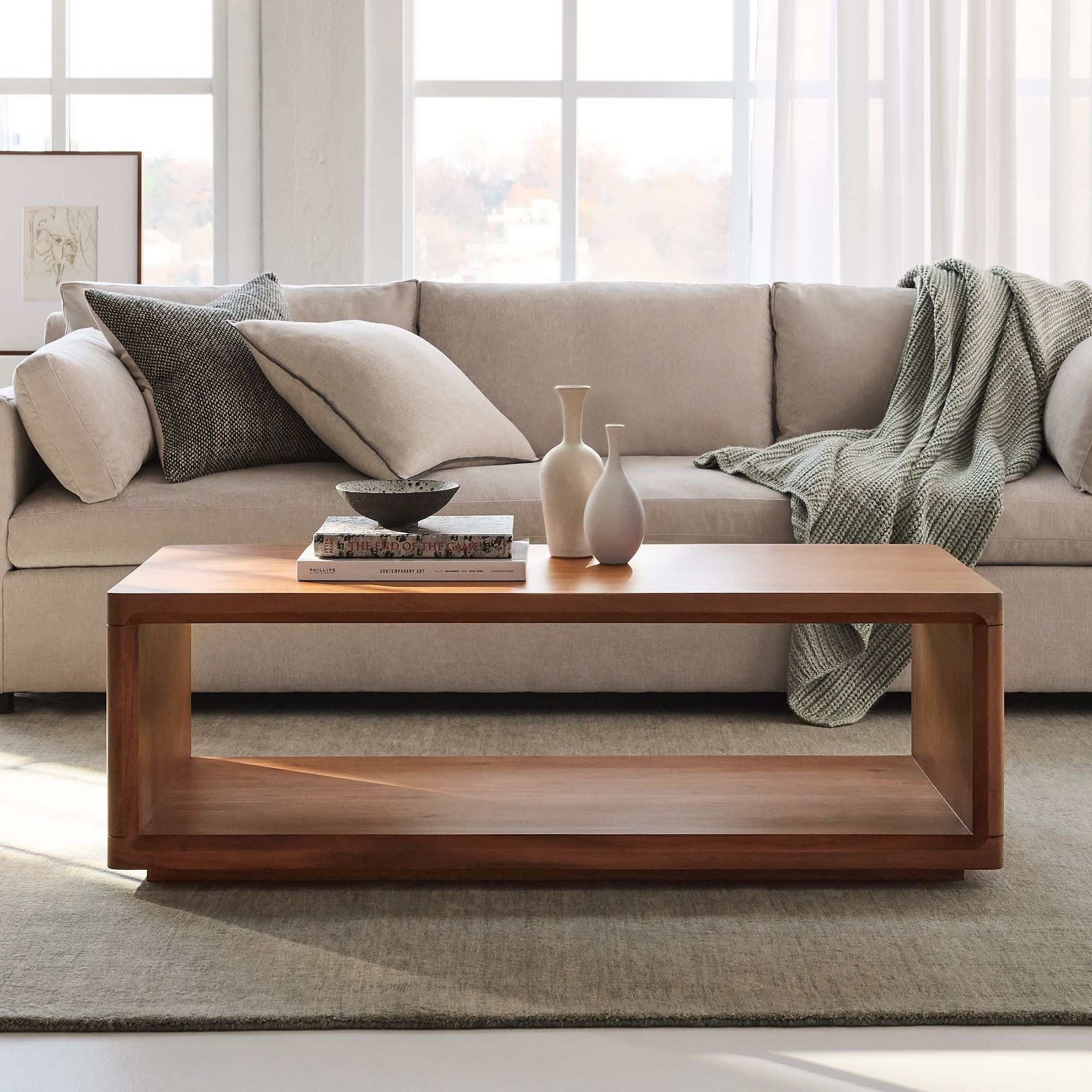
The West Elm Calla Coffee Table is harder to describe than to look at. The top is an asymmetric organic shape, loosely oval, with subtle undulations along the edges that give it a hand-carved quality, as though it came off a single piece of wood instead of a production line. The legs are sculptural cylinders, splayed and tapering toward the floor, carrying the organic vocabulary further without tipping into rainforest-themed-restaurant territory.
What lifts the Calla past pure looks is the material behind it: solid mango wood, no veneer over MDF, no engineered wood panels. Mango is a dense hardwood with dramatic natural grain, darker mineral streaks and pronounced figure that make every table different at the grain level. At $699 for the 36-inch version and $799 for the 48-inch, you're paying for real wood that will still look like real wood in 20 years.
Both sizes share the same organic top profile and leg geometry, scaled proportionally. The 36-inch suits apartment-scale living rooms and smaller sofas; the 48-inch works better with full sectionals and larger living room layouts. Height on both runs about 16.5 inches, a standard coffee table height that plays well with most sofa seat heights.
Design language and room fit
The Calla sits oddly in the West Elm lineup, organic and sculptural where most of the brand's furniture runs to clean lines and right angles. It reads more like something out of a small-batch ceramics or sculpture studio than a global furniture brand, and that distinctiveness is a big part of the appeal.
In a room, the Calla grounds the space without fighting the furniture around it. The natural mango tone, a warm honey-to-amber range depending on the specific grain, works with linen sofas, leather seating, rattan or woven accents, and even contemporary metal-leg furniture. It goes more places than an obviously trend-forward coffee table does.
Material depth and durability
Solid mango turns up more and more in premium furniture as a sustainable stand-in for teak and other tropical hardwoods. Mango trees get harvested after their fruit-producing life ends, roughly 15 to 20 years, so the timber is a genuine agricultural byproduct rather than old-growth harvesting. The wood is dense, typically around 655 kg/m3, with a Janka hardness near 1,070 lbf, harder than cherry or walnut and softer than maple or oak. For a coffee table under normal residential use, that's plenty.
The finish is a natural oil-wax treatment that brings out the grain without the plastic-look film of a polyurethane coat. Natural oil finishes ask for more ongoing care than film finishes, with a reapplication of furniture oil every 6 to 12 months to keep the surface from drying out, and they pay you back with far easier spot repair of scratches and water marks.
Living-room pairing and sizing
The Calla's organic silhouette wants low, soft-edged seating: deep-seat sectionals like the Harmony or the Andes, slipcovered roll-arm sofas, and bouclé or mohair upholstery whose texture complements the mango grain instead of competing with it. It does badly next to structured leather Chesterfields or sharp-line modular sectionals. The visual language is different enough that the Calla lands as a mismatched gesture in those rooms rather than a focal point.
Sizing is the more practical question. The smaller version works where the sofa runs roughly seven feet or under, and the larger one is sized for sectionals and longer sofas that would swallow a small coffee table. Because the top is irregular rather than a clean rectangle, its visual mass reads bigger than the linear dimensions suggest; a 48-inch Calla feels closer in scale to a 54-inch rectangular table than to a 48-inch one. Buyers who measure to the inch and assume standard coffee-table proportions sometimes find it dominates the room. Buyers who size up the sofa first and then pick the Calla version that balances it end up happier.
Practical assessment
The irregular top edge means standard coffee table trays and books don't sit flush all the way to the perimeter, a small thing to know before you buy. For drinks, remotes, and books in the center of the table it changes nothing, but it makes the Calla a poor match for anyone who styles with large surface-covering trays.
Assembly is minimal, just attaching the pre-finished legs to the underside of the tabletop. It's straightforward, though go easy on torque with the leg fasteners; overtightening damages the wood around the hardware holes.
Long-term maintenance and wood movement
Solid mango moves with seasonal humidity in a way veneered or engineered tops don't. The organic profile hides that movement better than a clean rectangular table would, since there's no straight reference edge to compare against, but it's still happening and it drives the maintenance picture. In dry-winter climates owners report fine surface checking along the grain that closes back up in summer. That's normal mango behavior, not a defect, and it doesn't touch structural integrity.
The factory oil-wax finish is the right system for this wood, and it needs refreshing now and then. A light reapplication of a compatible furniture oil every 6 to 12 months is the standard maintenance pass, and owners who keep that schedule say the top still looks essentially like delivery day several years in. Owners who never refresh it report a duller, more open-grained surface within two to three years, recoverable with a sanding pass and re-oiling, but more work than keeping up the original finish would have been.
Materials and construction
The Calla is built entirely from solid mango wood, a specification worth emphasizing because it's genuinely unusual at this price point. Most furniture marketed as 'wood' in the $600 to $900 range uses solid wood only at the legs and high-visibility edges, with engineered wood, plywood, or MDF under a veneer for the tabletop surface. The Calla's top is solid mango through its full thickness, so the organic edge profile is genuine carved or turned wood rather than a shaped edge applied over a flat panel.
The sculpted top comes from CNC machining on a solid slab, with hand-finishing on the contoured edges. The grain patterning that makes each Calla unique shows clearly on the top surface and on the rounded underside of the tabletop lip.
Construction specifications
Tabletop: solid mango wood, full-thickness, organic edge profile. Legs: solid mango wood, cylindrical turned profile, splayed configuration. Finish: natural oil-wax, enhances grain without film formation. 36-inch version: 36 inches diameter equivalent by 16.5 inches tall. 48-inch version: 48 inches diameter equivalent by 16.5 inches tall. Weight: approximately 40-55 lbs depending on size.
Wood characteristics
Mango wood's natural grain carries darker streaks of mineral staining and figure lines that contrast against the lighter base tone. No two Calla tables look identical at the grain level, which is what natural material does at this scale. West Elm photographs representative examples; the grain pattern in the delivered piece will vary.
The density and hardness of mango make the surface reasonably scratch-resistant next to softer woods like pine or poplar, and significantly softer than the surface hardness of a lacquered finish. Coasters for beverages and trivets for hot items protect the oil-wax finish, since water rings and heat marks show up more on natural oil finishes than on film finishes.
Maintenance protocol
Apply furniture oil (linseed, teak, or a dedicated natural wood oil) every 6 to 12 months with a soft cloth. Let it absorb for 15 to 20 minutes, then buff off any remaining oil. For minor scratches, sand lightly with 320-grit sandpaper in the direction of the grain and reapply oil. Water marks that haven't penetrated the wood usually come out with a light application of oil and buffing before they set permanently. Avoid extended direct sunlight, since UV exposure speeds up grain bleaching and drying even on oil-finished surfaces. A window with UV-filtering glass adds meaningfully to the service life of any natural wood finish.
Our Ratings
Overall score
Solid mango through the full thickness of the top, which is genuinely unusual here. Most furniture sold as wood in this range puts solid stock at the legs and visible edges and hides engineered wood or MDF under a veneer across the surface. The carved organic edge is real wood rather than a profile applied over a flat panel, CNC-cut from a slab and hand-finished.
An asymmetric organic top on splayed turned legs, with mineral streaking and figure lines that differ on every piece. West Elm photographs a representative example, so expect your grain to vary from the listing.
Solid hardwood at a price where veneer is the norm, which is the case for buying it. The oil-wax finish is the tradeoff: it shows water rings and heat marks more readily than a film finish, so coasters and trivets are not optional, and it wants re-oiling every 6 to 12 months.
Frequently asked questions
Is the West Elm Calla Coffee Table worth it?
Solid mango wood through the full thickness of the top, which is genuinely unusual at this price. Most furniture sold as wood in this range puts solid stock only at the legs and visible edges, with engineered wood or MDF under a veneer across the surface. The sculpted organic edge is real carved wood, so the grain figure differs on every one.
How is the West Elm Calla Coffee Table built?
Solid mango through the full thickness of the top, which is genuinely unusual here. Most furniture sold as wood in this range puts solid stock at the legs and visible edges and hides engineered wood or MDF under a veneer across the surface. The carved organic edge is real wood rather than a profile applied over a flat panel, CNC-cut from a slab and hand-finished.
What styles does the West Elm Calla Coffee Table work with?
An asymmetric organic top on splayed turned legs, with mineral streaking and figure lines that differ on every piece. West Elm photographs a representative example, so expect your grain to vary from the listing.
Options Worth Checking Out
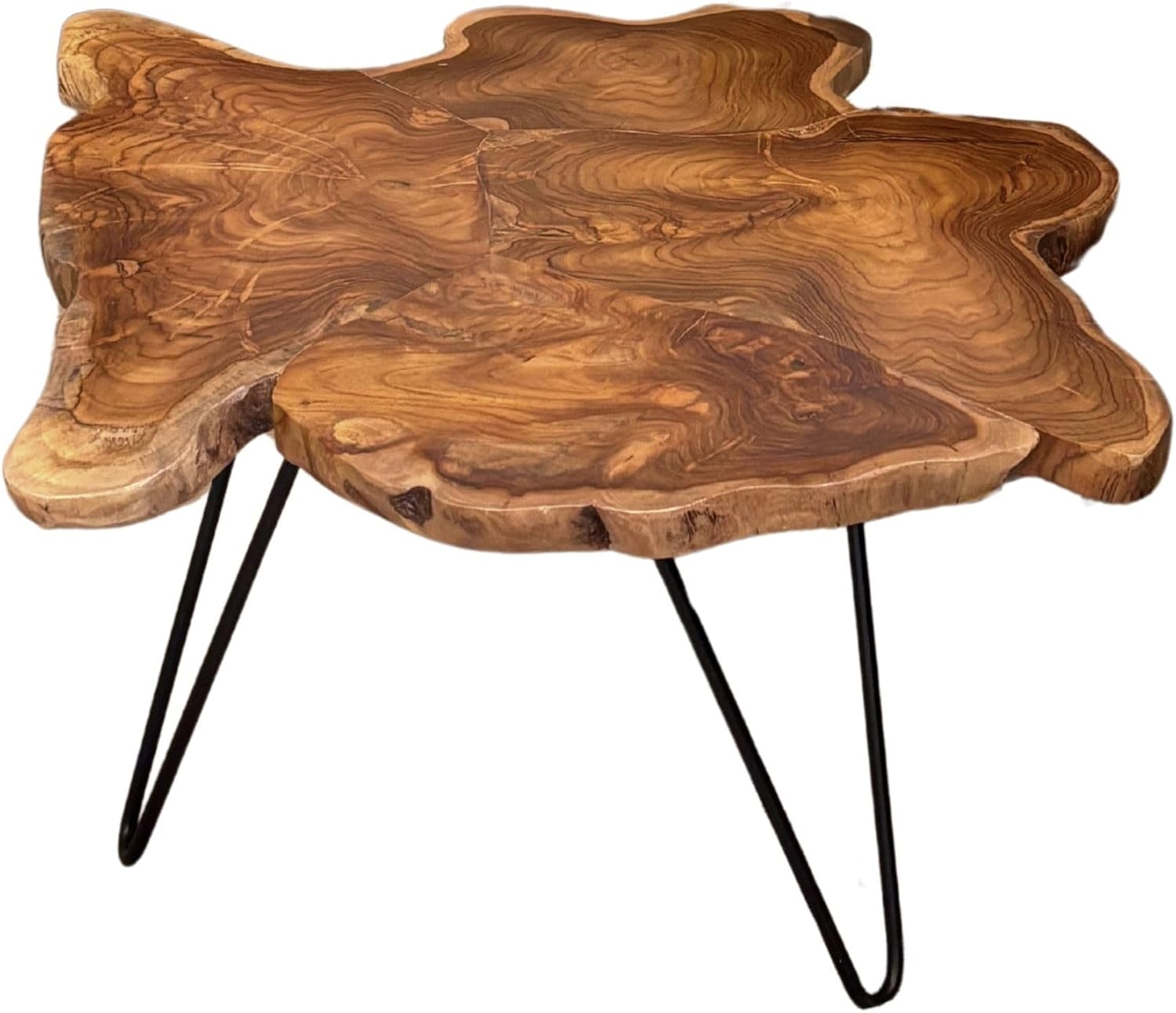
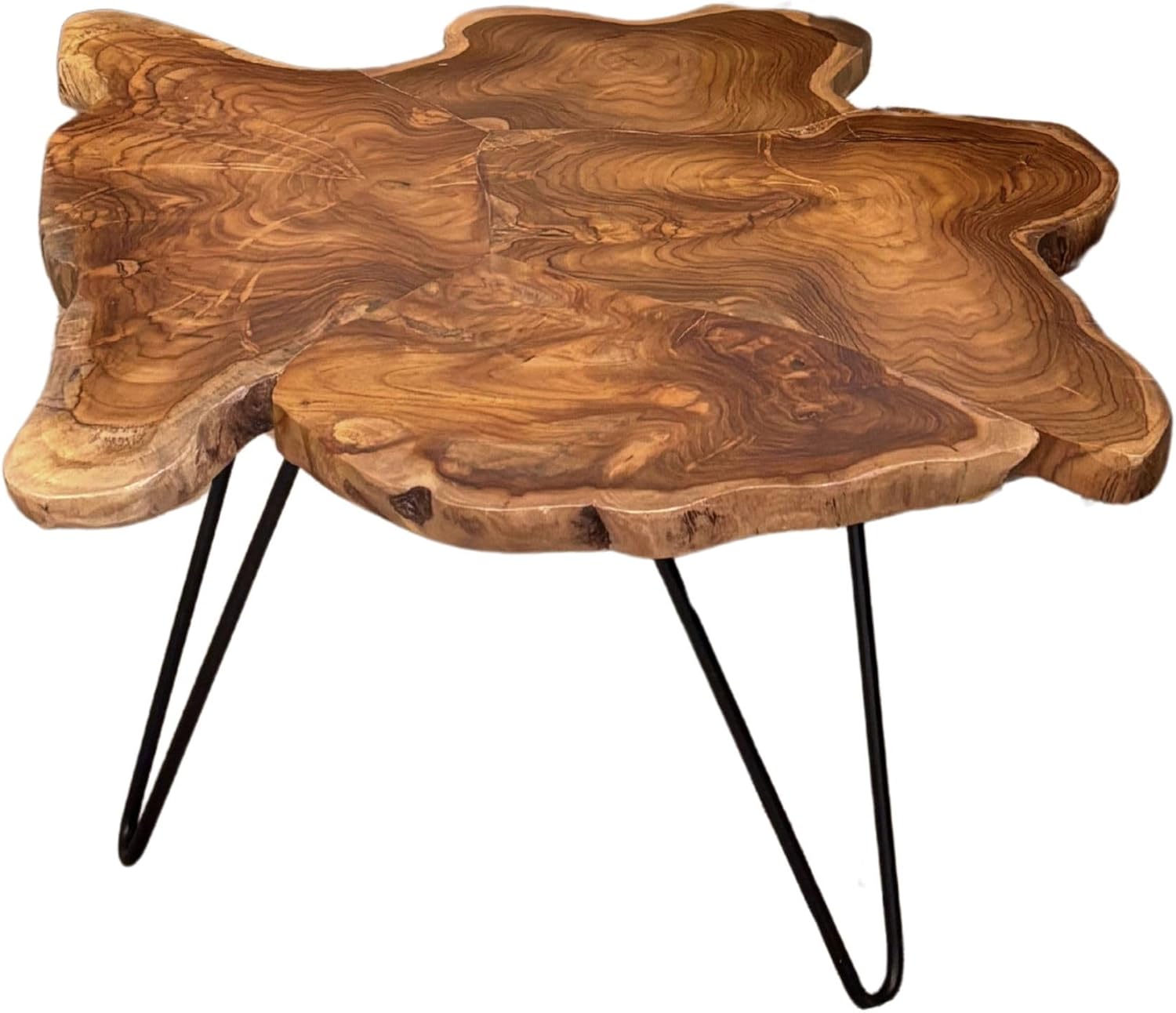
East at Main 31.5" Live Edge Teak Coffee Table
Solid teak with a genuine live edge, so like the Calla the grain and outline differ piece to piece and no two are the same. The legs are black metal hairpins rather than the Calla's splayed turned wood, so it reads rustic-modern instead of organic-traditional.
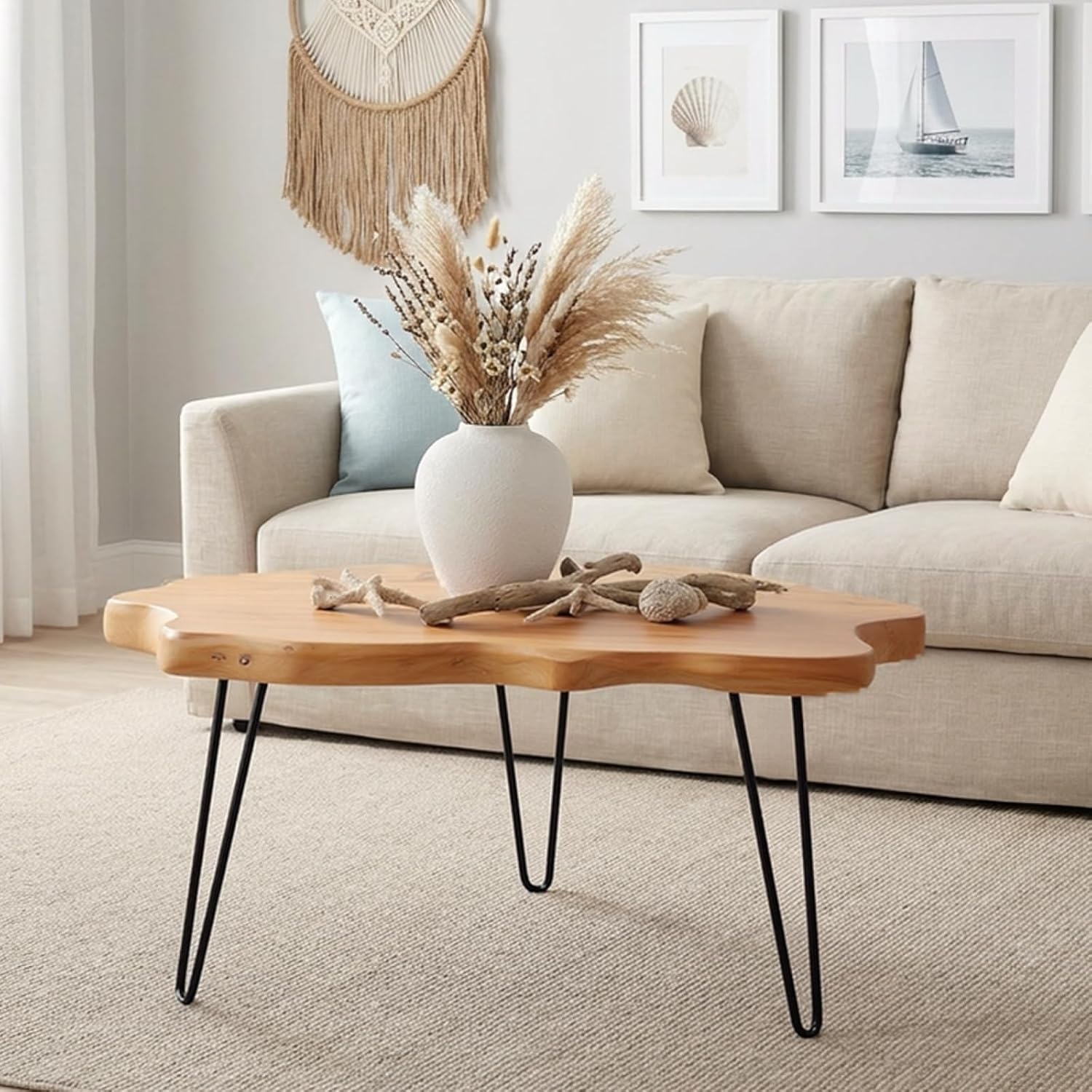
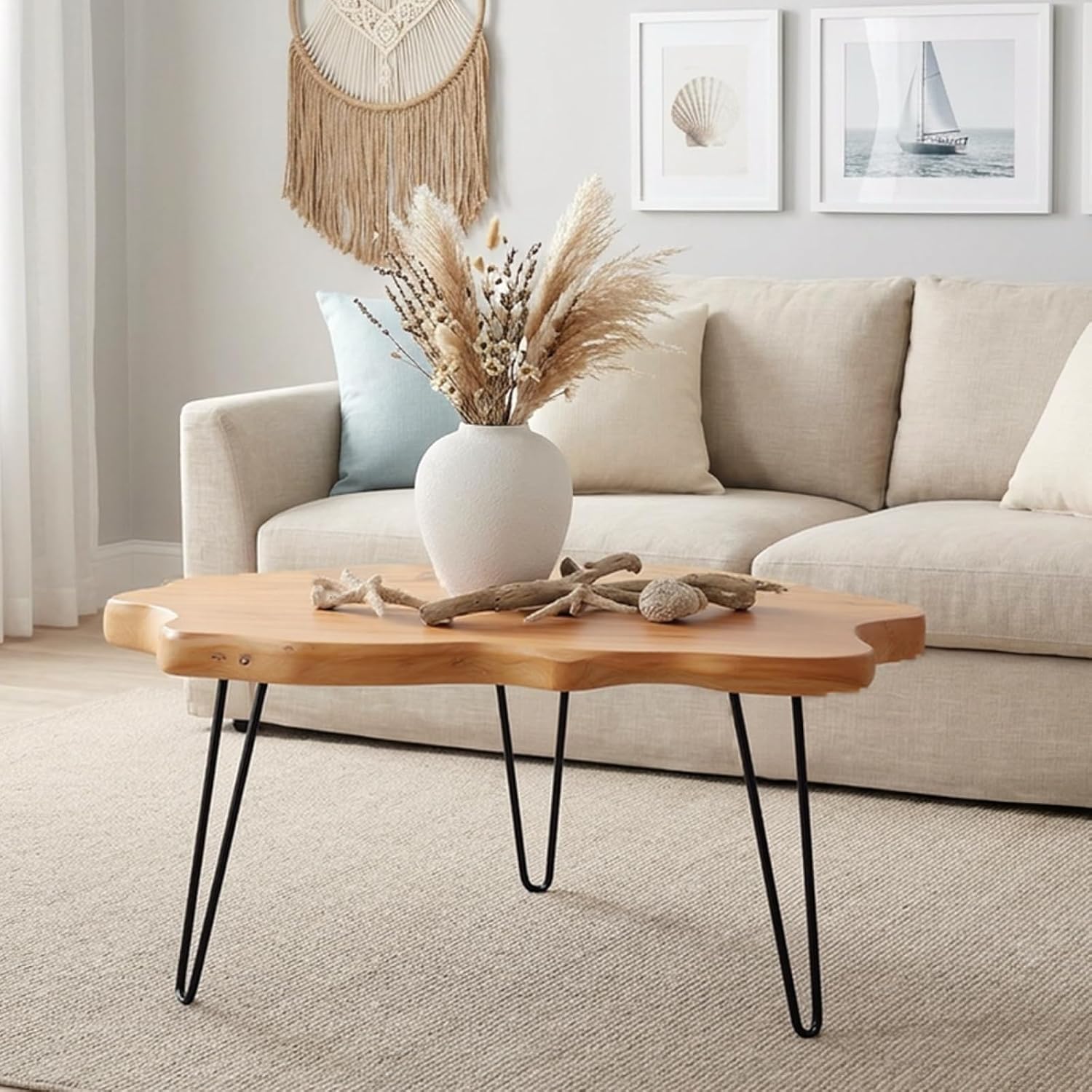
WELLAND Live Edge Cedar Wood Coffee Table, 32.5"
The most-reviewed live-edge table here, in cedar, for under a fifth of the Calla. Only 17 inches deep, so it suits a tight room or a loveseat rather than a full sofa. Hairpin legs again, and the 4.2 reflects real owner complaints about finish variation.
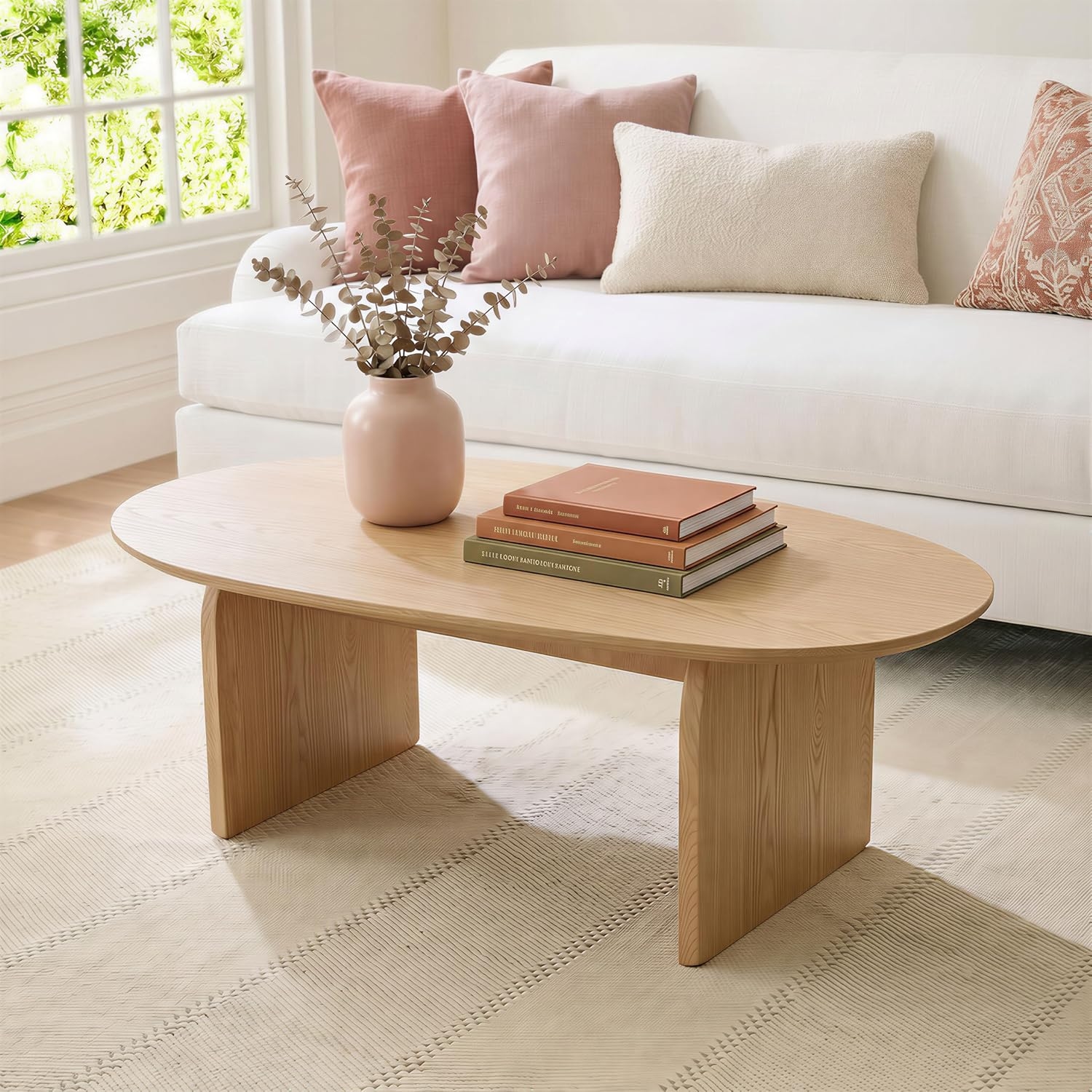
Honyee Large Oval Coffee Table, 47", Solid Splayed Legs
Closest to the Calla's actual silhouette: a large 47-inch oval on solid splayed legs rather than hairpins. The top is oak veneer and not solid wood, which is the honest trade at this price and the thing to know before you order it.
More West Elm Reviews
See all →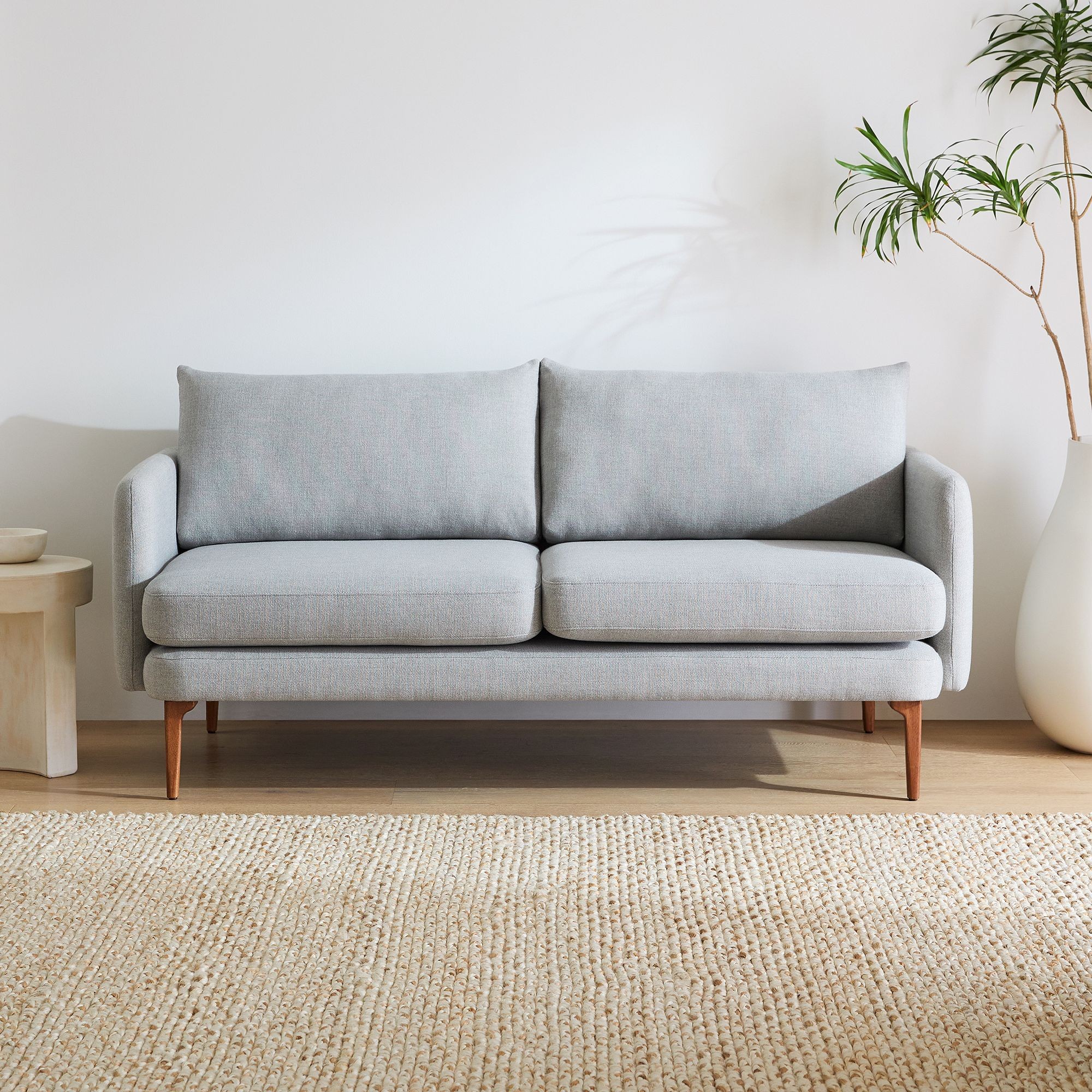
West Elm Auburn Sofa Review: Compact Build + Our Honest Verdict
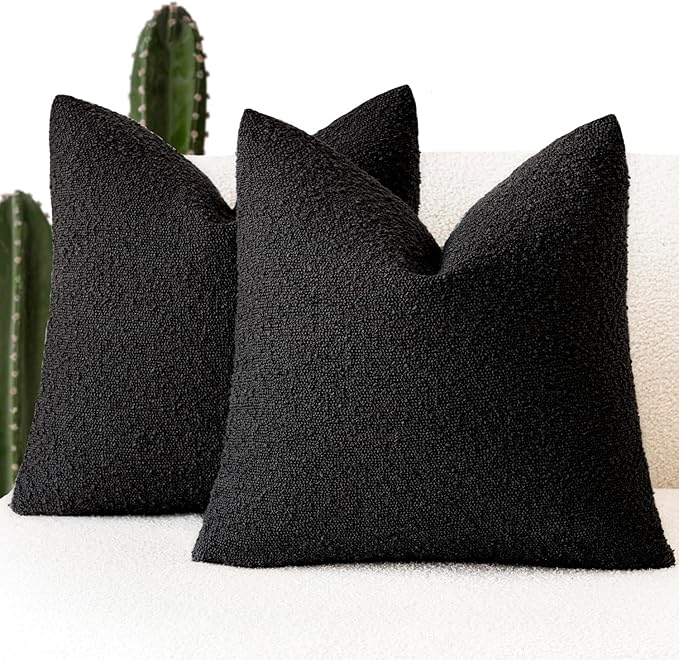
Best Throw Pillows for a West Elm Harmony Sofa: Sizes, Texture, and Layering
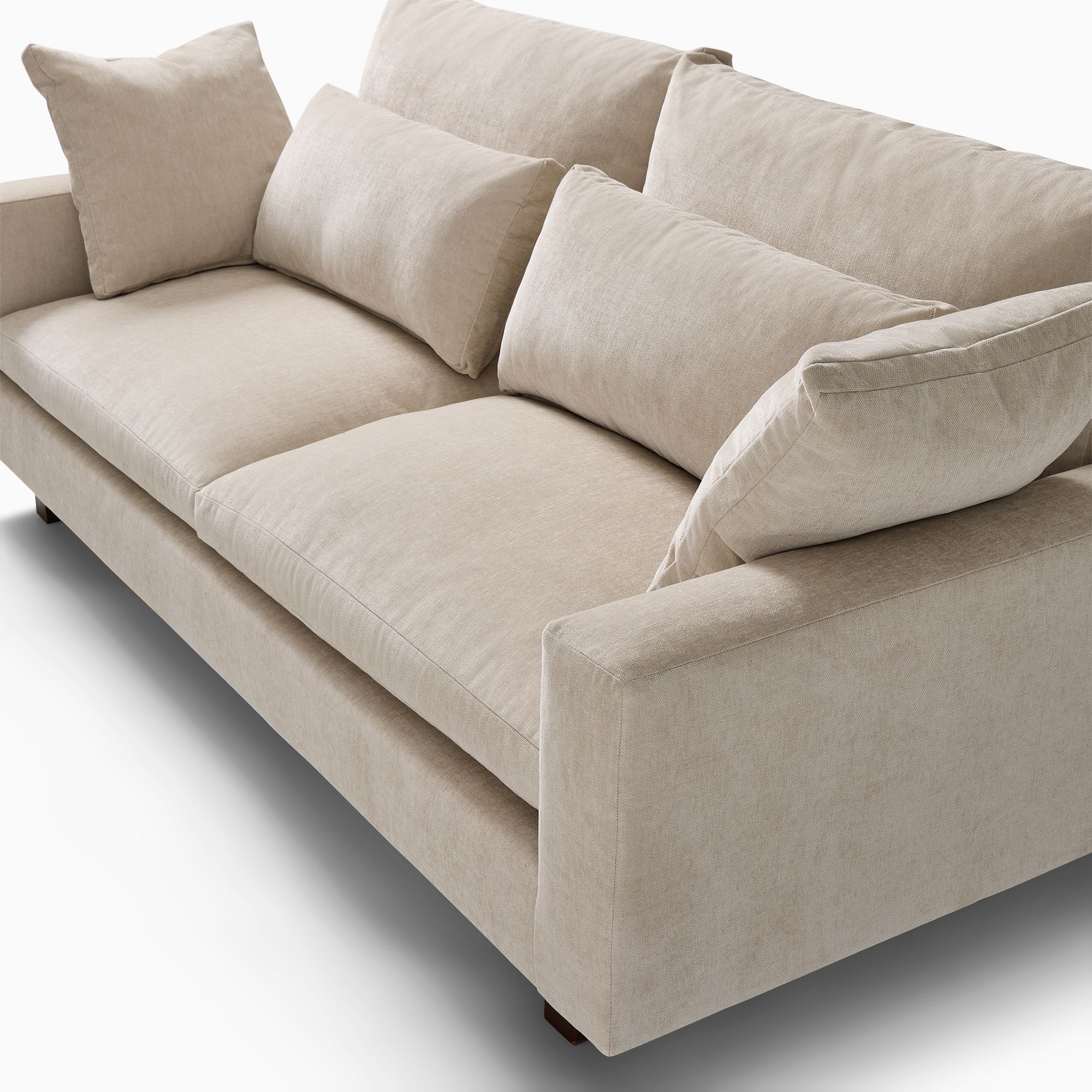
West Elm Harmony Cushions Sagging? The $40 DIY Fix (And When to Give Up)
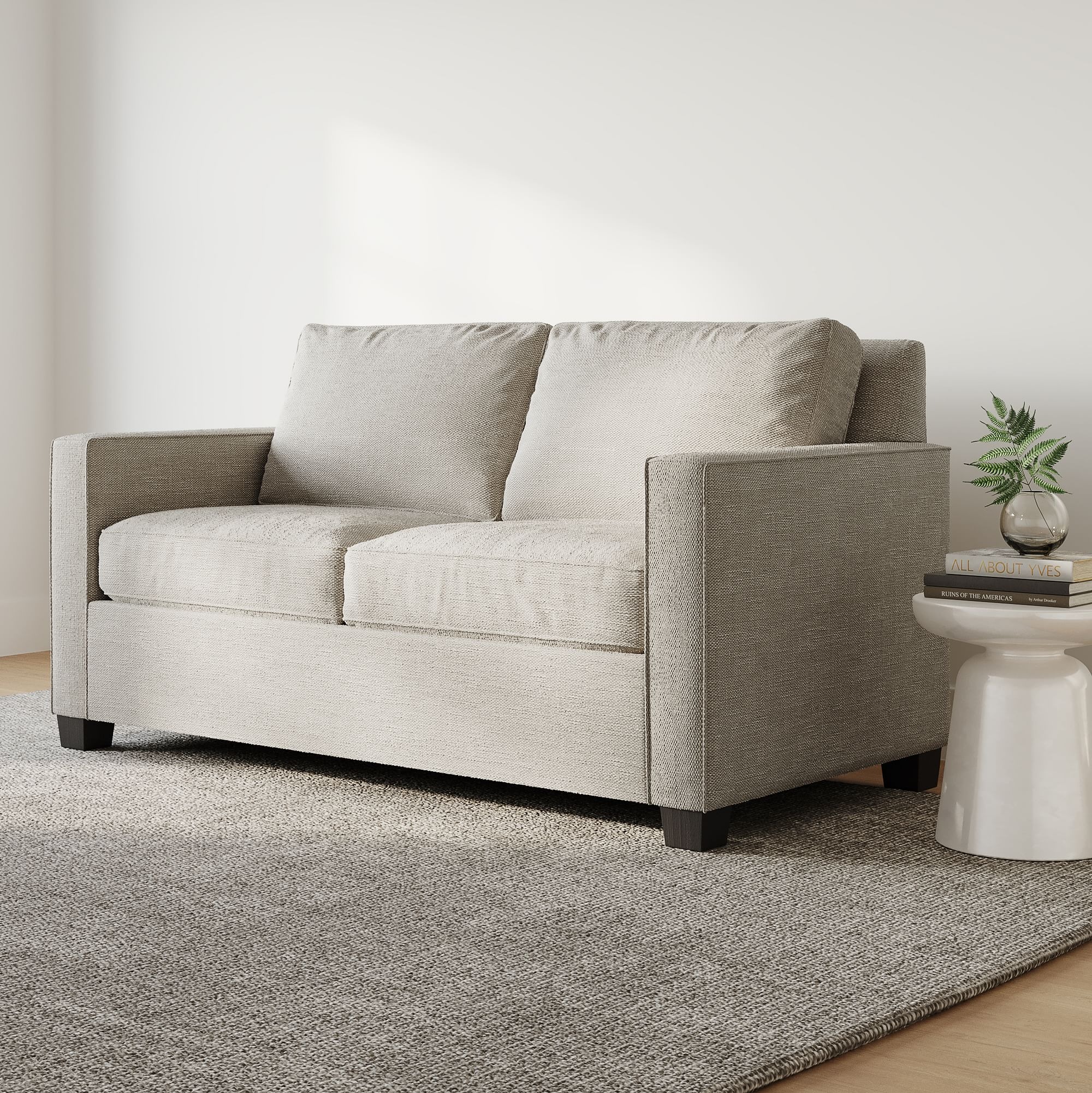
West Elm Peggy Sofa Reviews + Our Honest Verdict
How Does It Compare?
Side-by-side breakdowns featuring this product