IKEA
IKEA POÄNG Reviews: Real Owner Reports + Our Verdict
By Sam Hollis · Updated August 2026
Independent editorial review. We never accept payment for coverage, though we may earn a commission if you purchase through our links.
Verdict
Few IKEA products get treated this kindly by their own communities, and IKEA furniture communities generally trend critical. The recurring themes: exceptional durability, how often decades-old examples show up at thrift stores still working perfectly, and the cushion upgrade path for anyone who finds the standard one lacking. r/IKEA, r/malelivingspace, and r/femalelivingspace all feature the POÄNG regularly, consistently in a positive light. It appears in design-forward apartment styling posts far more often than its price point would suggest, because photographers and interior design content creators use it as a styling piece that reads as a considered choice rather than a budget default. Cushion compression is the most discussed limitation, and the consensus fix is the Glose or Mjuk upgrade, both meaningfully more durable than the standard cushion. Multiple threads document frames bought at Goodwill for $5-15 and paired with fresh Bemz cushions for a total investment under $100.
Read full take ↓Similar chairs
The most enduring thing IKEA makes
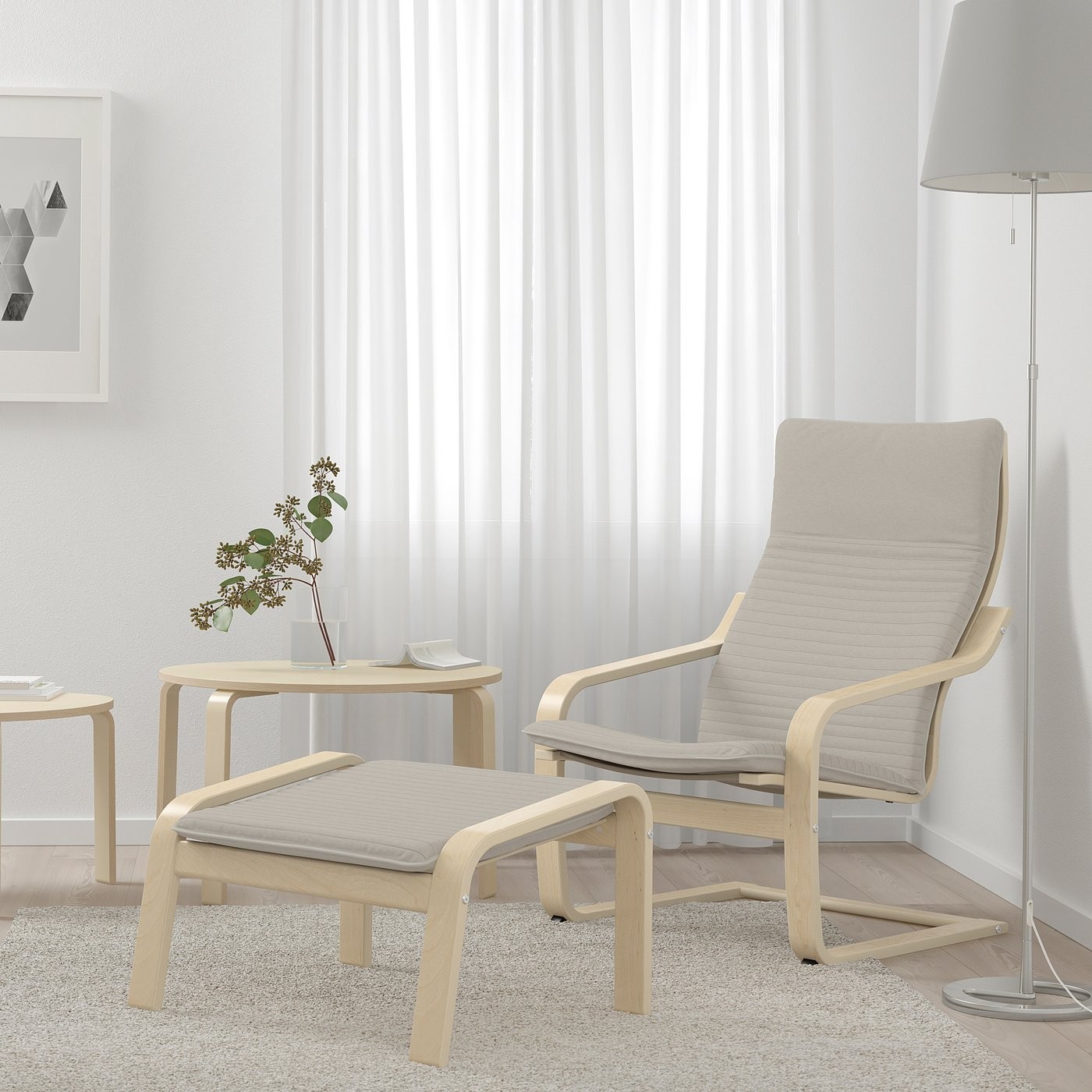
IKEA has built the POÄNG armchair since 1976, one of the longest production runs in furniture retail. That isn't luck. It's a bentwood armchair with a bit of rocking give, a generous cushion, and Scandinavian lines, at a price no other retailer has matched for that long. At $149 with the cushion included, it's the clearest value in IKEA's whole lineup.
Noboru Nakamura drew it, and the design has barely moved in nearly fifty years, just small refinements to materials and cushion options. The bentwood frame gives a little when you sit down, which most people find more comfortable than a rigid chair at the same money, and regular users like it for reading, nursing, or long stretches of sitting. The seat sits lower than a dining or desk chair, so it lounges better than it works.
Community sentiment runs unusually warm for an IKEA product. The objections cluster on cushion firmness out of the box, and on the chair being no use to anyone who wants a higher seat or a stiffer back. Durability comes up constantly in the good column: thrift store finds from the 1990s still turn up regularly and still function. This chair doesn't fall apart. It outlives apartments, relationships, and fashion trends.
Availability has varied by market, but the POÄNG remains a cornerstone of IKEA's armchair range. The birch veneer frame with the light beige cushion reviewed here is the most commonly bought configuration, and the easiest to find secondhand if you'd rather start your POÄNG career for $10 at a thrift store.
The staying power comes from solving a problem upscale furniture mostly ignores: how do you build a comfortable, aesthetically neutral armchair that one person can move, costs less than dinner out for two, and doesn't look disposable? The bentwood frame answers all of it in a single move. It's light enough to carry in one hand, the curve gives structural strength without visual bulk, and the Scandinavian restraint keeps it from reading cheap in a room full of expensive things. The POÄNG turns up in architect-designed apartments and student dorms with equal plausibility, which few pieces of furniture can claim.
The low seat, about 16.5 inches from floor to cushion, is what puts it in the lounging category instead of the upright-reading or desk-adjacent one. Excellent for sustained relaxation, television, nursing, or reading in a reclined posture. Poor as a chair you'd pull up to a table or hold an upright posture in for hours. Buyers who judge the POÄNG as a desk or dining chair and find it uncomfortable have run into a use-case mismatch, not a flaw in the chair.
Construction and materials
The frame is layer-glued birch veneer bent into that curve. Engineered wood, but the good kind: laminated birch strips pressed and shaped, not the particleboard of budget furniture. It comes out lighter than solid wood and more resilient. IKEA gives the frame a ten-year guarantee, and owner reports back it up, with the bentwood holding through normal residential use without cracking or delaminating.
Cushions are where the experience varies, and IKEA sells several at different prices and firmness levels. The one included at the base price is polyester fiber fill, comfortable at first, noticeably compressed after two to three years of heavy daily use. The upgrades, specifically the Glose cushion and the Mjuk cushion in leather, last meaningfully longer. Third parties sell replacement cushions too, and they can stretch the chair's comfortable life a long way.
Assembly is four bolts. It comes apart just as fast, which is why renters who move often keep buying it. The footstool, sold separately, fits the same frame and can be added later, so you don't have to commit to the full lounging setup on day one.
The veneer is more sophisticated than it looks. Laminating thin birch layers in alternating grain directions, plywood logic applied to a curved form, gives you the warmth and finish of solid wood plus resistance to splitting along any single grain line. The curve flexes slightly under load on purpose, and that flex is the rocking sensation people either love or find off-putting. It isn't structural weakness, it's how the load gets distributed. Cracked frames almost always show impact damage at the upper arm-to-back joint from a drop or a knock, rather than fatigue failure from normal sitting.
The cushion market around this chair runs deeper than anything else at the price. IKEA alone has the standard polyester fiber cushion, the Glose leather option, and several mid-range fabrics at varying density. Bemz and independent Etsy sellers do custom replacements in a wide range of fabrics. Because the frame and cushion are separate purchases, the frame sells for around $50-60 and cushions add $80-100, you can put the money where you care and replace a worn cushion without replacing the entire chair.
Our Ratings
Overall score
The layer-glued birch veneer frame is genuinely well engineered: thin sheets bonded in alternating grain directions resist cracking, and the slight flex under load is deliberate, spreading weight across the whole arc. IKEA backs it with a ten-year guarantee and owners report the frame lasting well past that. The weak link is the standard polyester cushion, comfortable at first but flat after two to three years; a replacement runs $80 to $100.
The look hasn't changed since 1976 because the first version solved the problem, and it slots into mid-century, contemporary, minimalist, and transitional rooms without asking the room to commit. The warm, grain-visible birch is a better material story than most furniture at this price. Swapping cushions gives real styling range, from the neutral standard beige to third-party Bemz fabrics, and the separate footstool finishes the lounging setup.
At $149 with a cushion, or around $60 for the frame alone, the POÄNG is about as defensible as furniture gets, and the frame routinely outlasts the apartments and tastes of its owners, with decades-old examples still turning up at thrift stores. Budget for the cushion, though: the standard one is good for about three years, so figure $80 to $100 every few years, still nothing next to a comparable lounge chair.
What People Are Saying
Few IKEA products get treated this kindly by their own communities, and IKEA furniture communities generally trend critical. The recurring themes: exceptional durability, how often decades-old examples show up at thrift stores still working perfectly, and the cushion upgrade path for anyone who finds the standard one lacking. r/IKEA, r/malelivingspace, and r/femalelivingspace all feature the POÄNG regularly, consistently in a positive light. It appears in design-forward apartment styling posts far more often than its price point would suggest, because photographers and interior design content creators use it as a styling piece that reads as a considered choice rather than a budget default. Cushion compression is the most discussed limitation, and the consensus fix is the Glose or Mjuk upgrade, both meaningfully more durable than the standard cushion. Multiple threads document frames bought at Goodwill for $5-15 and paired with fresh Bemz cushions for a total investment under $100.
Reddit and Houzz commentary are weighted 3× against blog and editorial sources in our sentiment score. Brand PR has a well-documented influence on editorial coverage — direct owner reports from message boards tend to be more candid.
What Reddit Is Saying
“Great find OP. I suggest upgrading the cushion to the thicker ones. We've had this chair since 2002. Replaced and upgraded the cushions 2x. It's still a staple in the living room and comfy for reading.”View thread →
“Crazy! When we moved into our house the previous owner left a bunch of furniture, one of these chairs in blue was left behind! We love it, and so do our cats lol.”View thread →
“I don't have any experience using this, but we went to ikea last week specifically to look at chairs for the nursery and this is one of the ones on my list! It was surprisingly comfortable, easy to rock, and at 5'7" I liked the tall back, too.”View thread →
“So wild. In the last month, I've started seeing Poangs 2-3x a week! Dunno why, lol. Nice!”View thread →
“I have this chair, I was gifted it as a hand me down when I moved away to university. Honestly, it's meh. For reading/studying purposes while in school, it was comfortable for a while, but then would get uncomfortable. I think it's partially because your butt sits lower than your knees.”View thread →
What Houzz Is Saying
“I have 2, and they are comfortable and durable. A friend of my niece came over for a weekend and sat in one. Actually ROCKED a bit in one (it's the bentwood that gives it a litle rocking motion if you press on it). He's tall, muscular, I was freaking out! Hoping he wouldn't break the chair, fall and sue me! The chair was fine afterwards... Every so often, be sure to tighten the chair screws, cuz sometimes they will loosen a tad with the combination of humidity/heat/age.”Source →
“Poangs are wonderful! We have two in our media room. Very comfortable. Love the springing action. Have had them for 5 years. They keep going and going. I wonder how ikea can make something so good, so cheaply :)”Source →
“we bought a poang chair 20+ yrs ago for the nursery of our 1st child--- that chair is still in the bedroom!! many, many, many stories were read from that chair and it was great since it's wider- 2 kids could also fit onto each side of the lap! certainly is durable! it doesn't look great anymore, so i don't think you'd love seeing a photo!”Source →
“I don't know about the Pello, but I've had two Poangs, and for me, they're just great. I do not think they're good-looking, but I don't care because as a non-stop knitter, I've never had a chair that suits me better. Craigslist typically advertises lots of them, so I'd advise going that route instead of buying new.”Source →
“I am not comfortable in them. I think some bodies fit them and some don't. I am neither short nor heavy, but there's a curve that doesn't match well with me.”Source →
“Got some ten years ago, very comfortable, wood very durable. Suggest you treat fabric cushions with Scotch-Guard - Ikea fabrics tend to hold onto stains IME. Can't speak to the leather seats.”Source →
Frequently asked questions
Is the IKEA POÄNG worth it?
At $149 with a cushion, or around $60 for the frame alone, the POÄNG is about as defensible as furniture gets, and the frame routinely outlasts the apartments and tastes of its owners, with decades-old examples still turning up at thrift stores. Budget for the cushion, though: the standard one is good for about three years, so figure $80 to $100 every few years, still nothing next to a comparable lounge chair.
How is the IKEA POÄNG built?
The layer-glued birch veneer frame is genuinely well engineered: thin sheets bonded in alternating grain directions resist cracking, and the slight flex under load is deliberate, spreading weight across the whole arc. IKEA backs it with a ten-year guarantee and owners report the frame lasting well past that. The weak link is the standard polyester cushion, comfortable at first but flat after two to three years; a replacement runs $80 to $100.
What styles does the IKEA POÄNG work with?
The look hasn't changed since 1976 because the first version solved the problem, and it slots into mid-century, contemporary, minimalist, and transitional rooms without asking the room to commit. The warm, grain-visible birch is a better material story than most furniture at this price. Swapping cushions gives real styling range, from the neutral standard beige to third-party Bemz fabrics, and the separate footstool finishes the lounging setup.
What do real owners say about the IKEA POÄNG?
Few IKEA products get treated this kindly by their own communities, and IKEA furniture communities generally trend critical. The recurring themes: exceptional durability, how often decades-old examples show up at thrift stores still working perfectly, and the cushion upgrade path for anyone who finds the standard one lacking. r/IKEA, r/malelivingspace, and r/femalelivingspace all feature the POÄNG regularly, consistently in a positive light.
Options Worth Checking Out
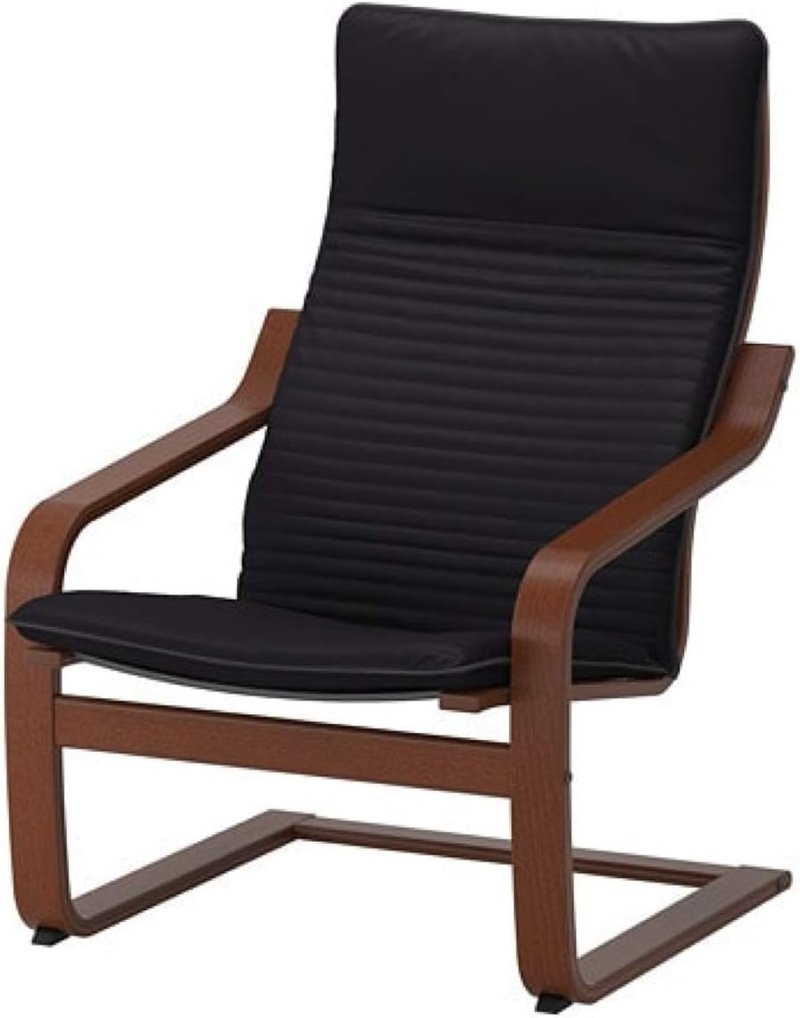
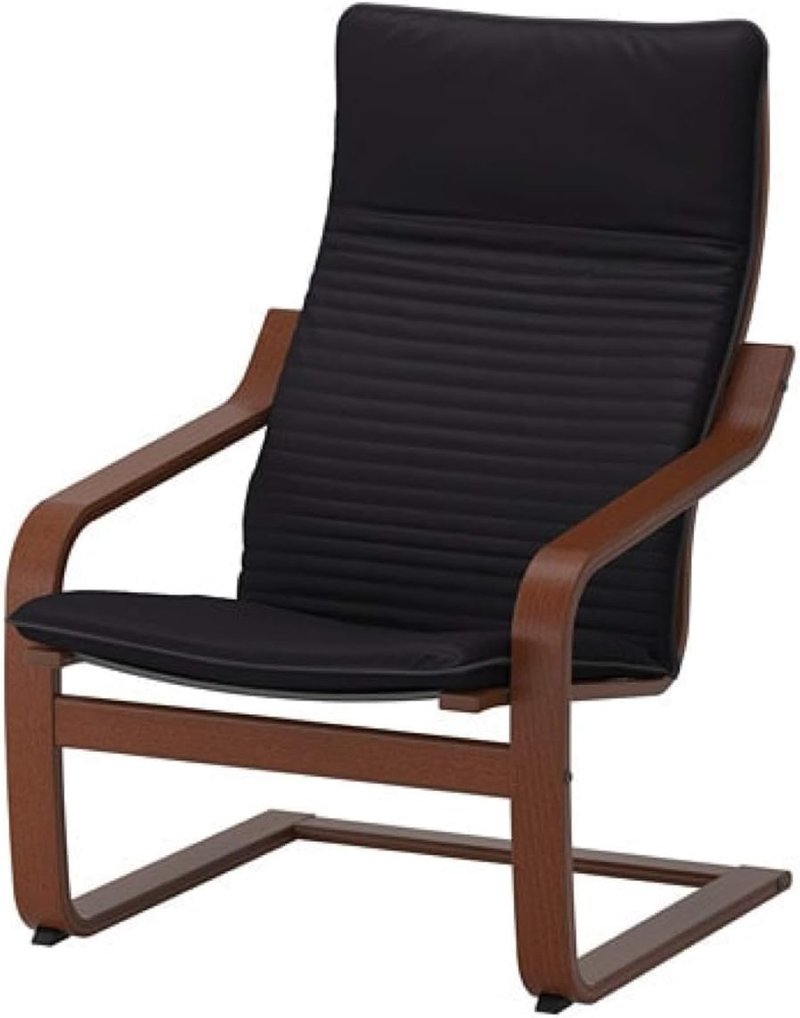
IKEA Poang Armchair, Medium Brown / Knisa Black
The genuine POANG in medium brown birch with a Knisa black cushion, sold direct from IKEA via Amazon. Same bentwood frame, no store trip required.
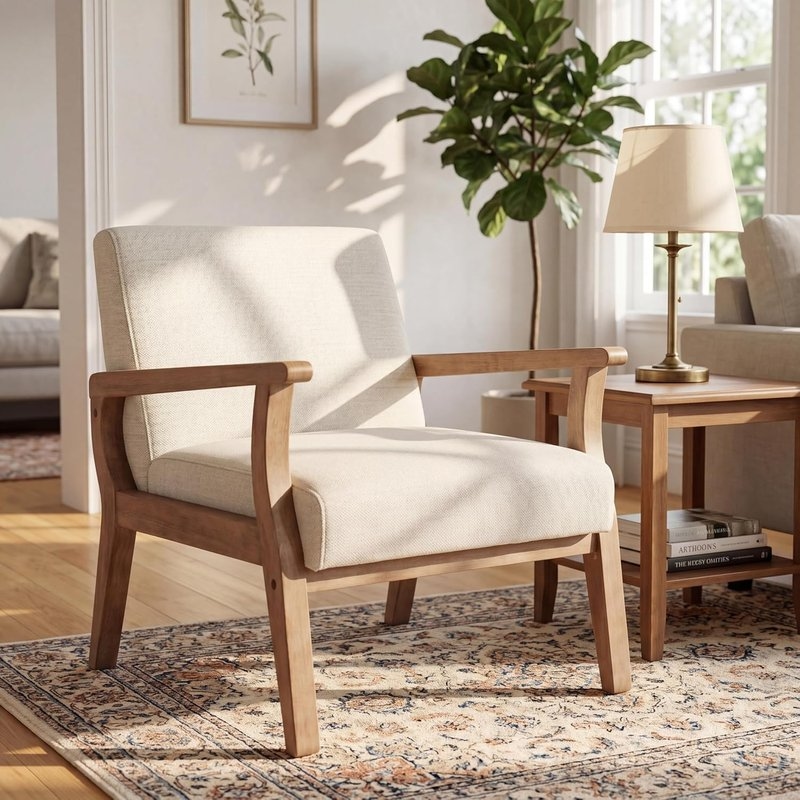
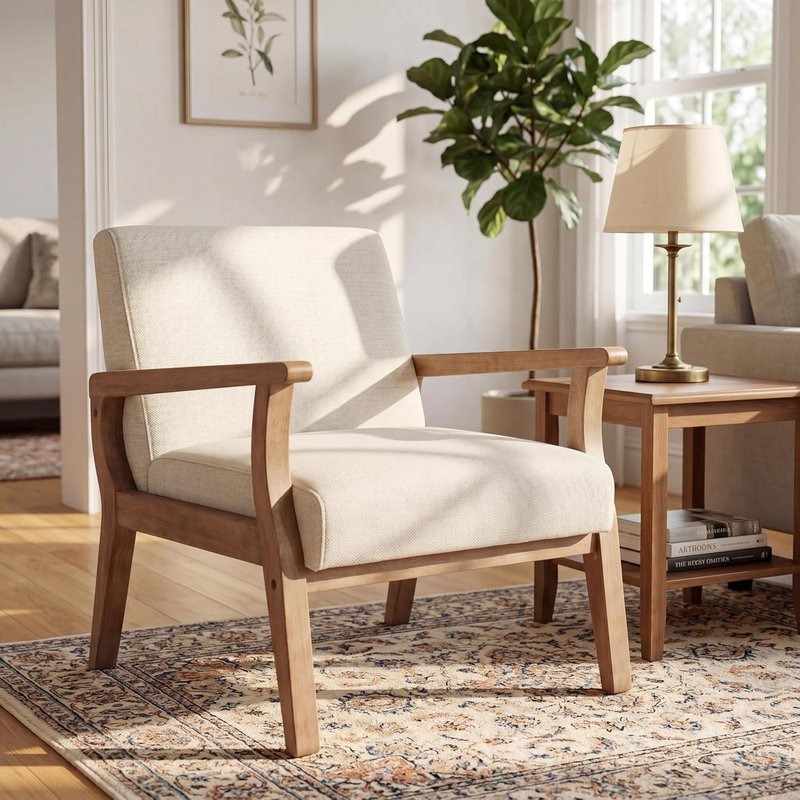
HNY Mid-Century Modern Linen Accent Armchair, Solid Wood Frame, Beige
Slim solid-wood frame with linen upholstery hits the POANG's open mid-century look. Pick this if you'd rather have fabric seating than a removable cushion pad.
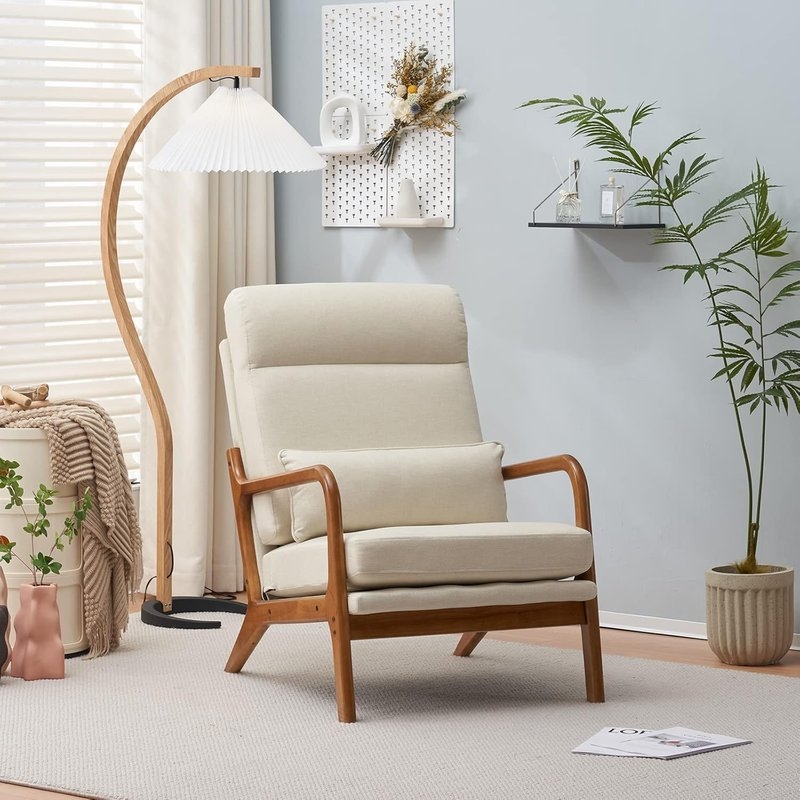
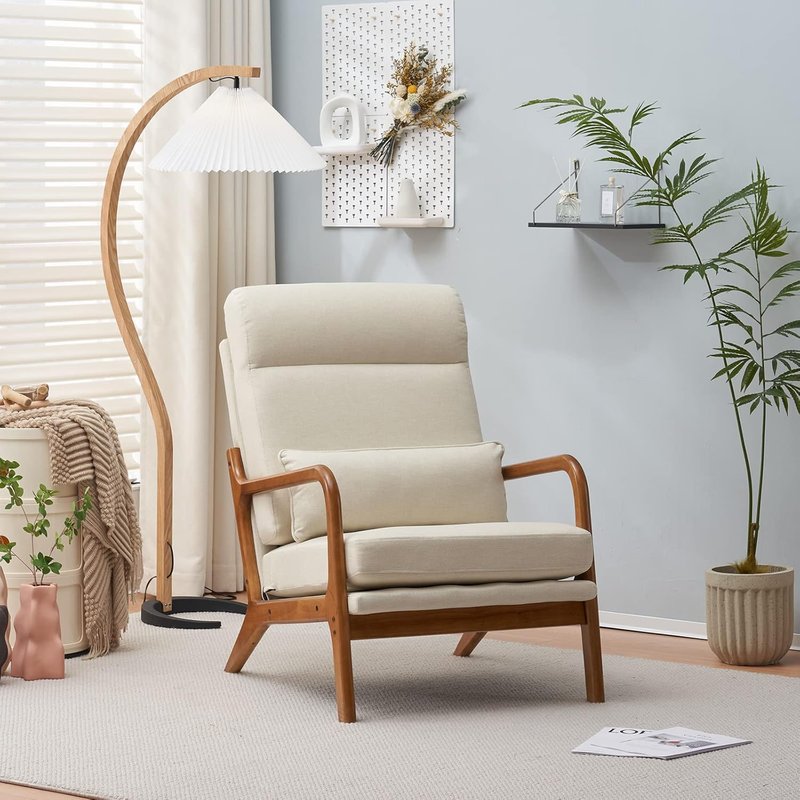
Karl Home Mid-Century Accent Chair, High Back Linen Upholstered, Solid Wood Frame, Beige
High-back linen accent chair with solid wood legs and a pillow cushion. Captures the POANG's upright character in a softer upholstered form at a low price.
You Might Also Need
Accessories worth grabbing alongside your purchase
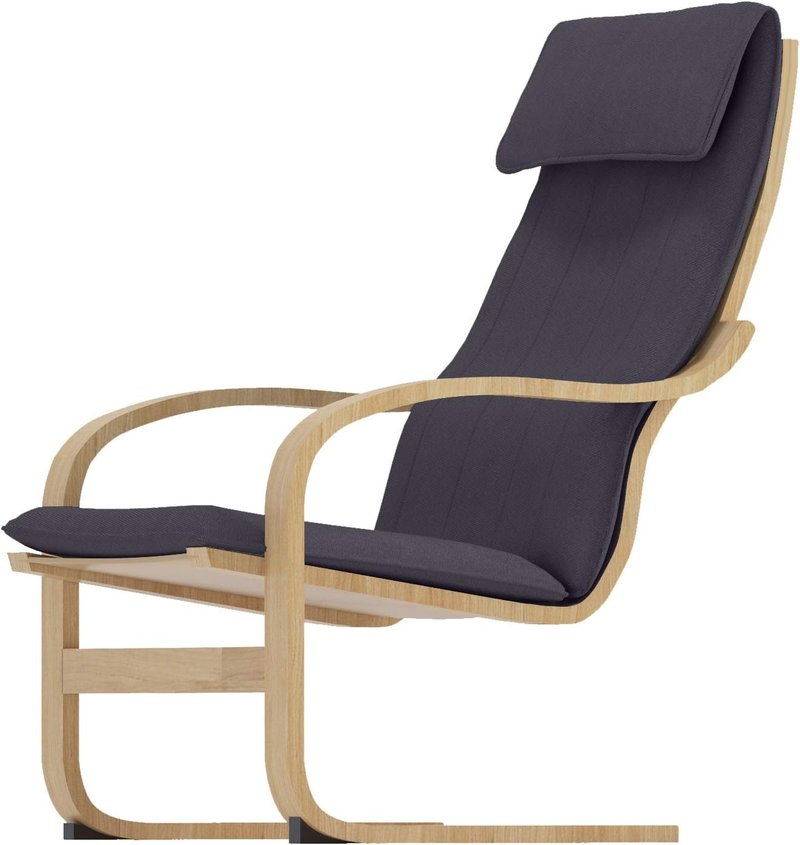
More IKEA Reviews
See all →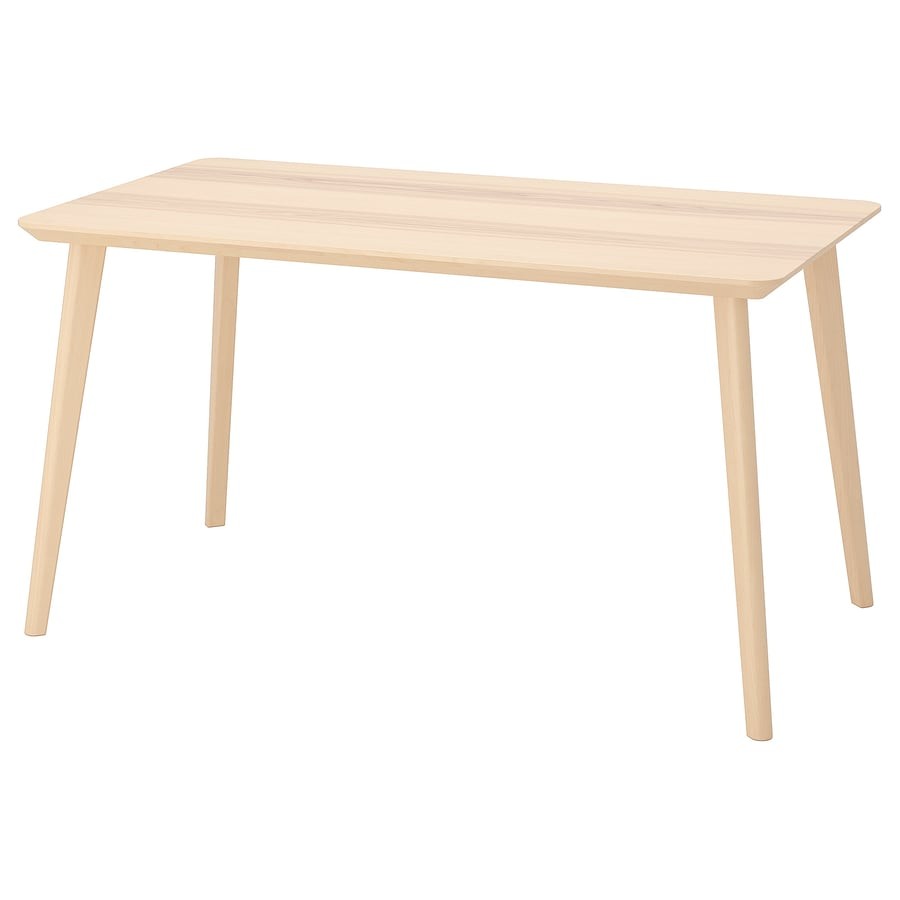
How Does It Compare?
Side-by-side breakdowns featuring this product