The Best Robot Vacuums for Pet Hair with Self-Empty Bases on Amazon (2026)
By Daniel Reyes · Updated July 2026
Independent editorial guide. We never accept payment for coverage, though we may earn a commission if you purchase through our links.
Quick Take
With a shedding dog or cat, the only robot vacuum category that makes sense has a self-empty base. A standard 0.4 to 0.6 liter onboard bin fills after two or three rooms of a real pet household, and then the vacuum spends the rest of its run pushing hair around. A self-empty base holds 30 to 60 days of debris in a sealed bag, which decides whether the robot runs on a schedule or lives in a closet.
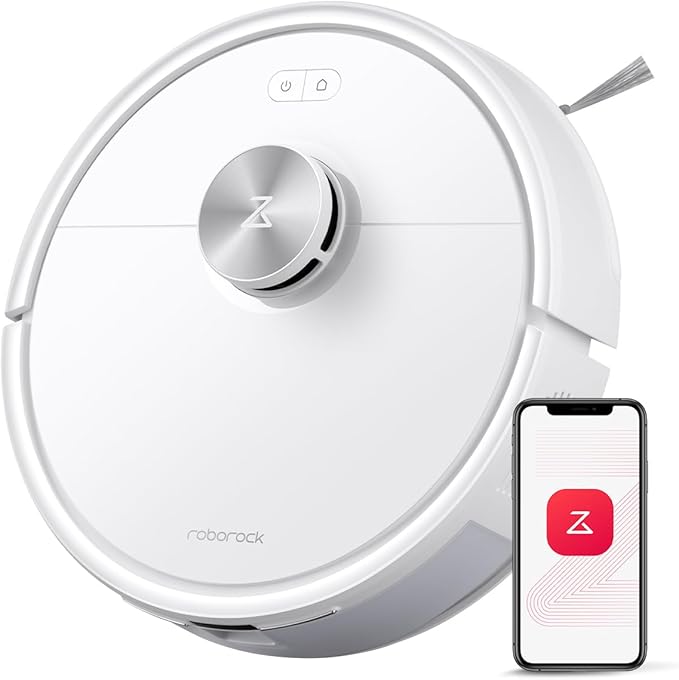
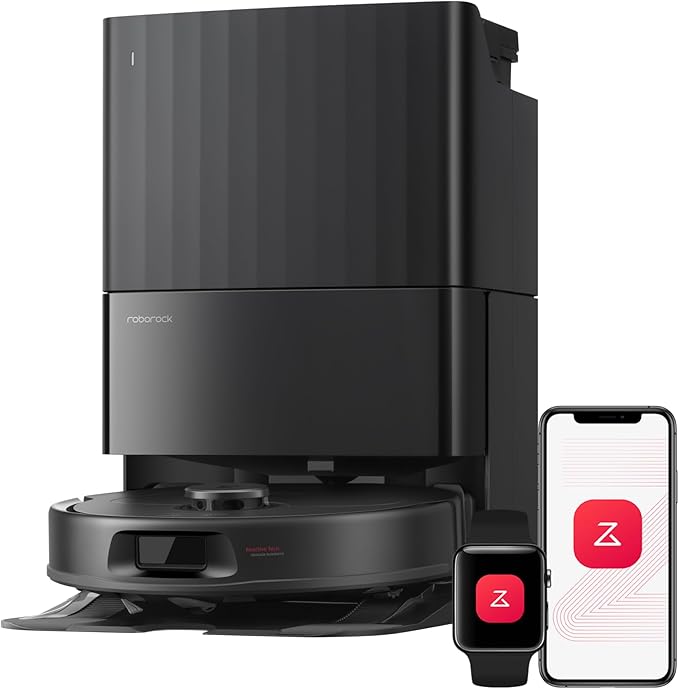
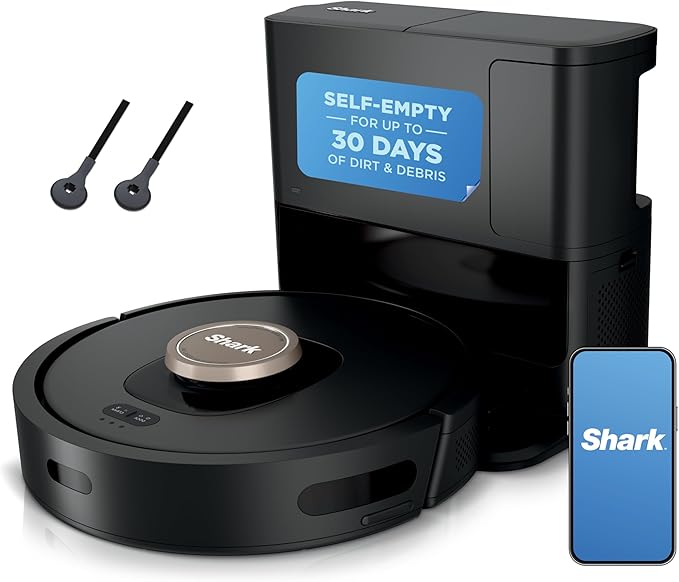
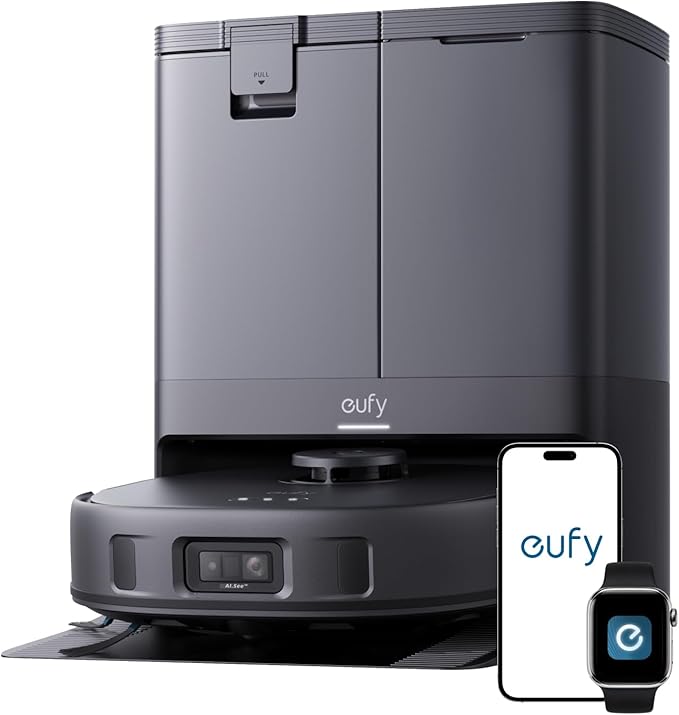
The honest picks run $450 to $700. The iRobot Roomba j7+ is still the workhorse for dog hair on hard floors and low-pile rug, on the strength of twin rubber rollers that resist tangling. The Roborock Q Revo adds mopping and stronger suction for about the same money. eufy and Shark sit a tier below on navigation, but they're real options if the floor plan is open and there isn't much to bump into. Under $300 the self-empty bases exist, but the robots get lost, miss rooms, or wrap themselves around cords. Whichever pick fits the budget, plan on replacement brushes and filters every 2 to 12 months. Pet hair eats consumables fast. See picks ↓
Robot vacuums for pet hair on Amazon split into two groups: the ones with self-empty bases, and the ones you shouldn't consider if a pet lives in the house. A shedding lab or a long-haired cat puts out enough hair in a day to fill a standard robot bin in one run. Without a base that empties the robot on its own, you're dumping a small dusty bin every 12 to 24 hours, which is worse than dragging out an upright.
So every pick below is self-empty. I've sorted them by how they handle the two ways these things fail in a pet house: long hair winding around the brush roll, and the vacuum quitting on a room because the bin is full. Brush style and bin-to-base transfer reliability decide it. Suction numbers in pascals are mostly marketing.
Why the self-empty base is non-negotiable for pets
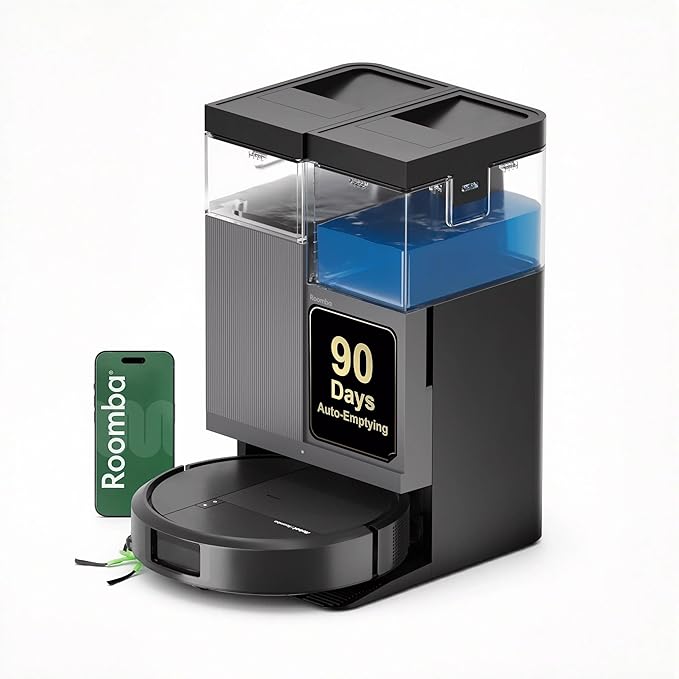
A typical robot vacuum dustbin holds 0.4 to 0.6 liters. In a home with no pet, that's two or three days of debris. In a home with a shedding dog or a long-haired cat, the same bin fills on one run across two or three rooms. After that the robot keeps driving but stops picking anything up. You get a vacuum that runs 90 minutes and leaves the back half of the house dirty. A self-empty base fixes it by pulling the robot's bin into a sealed bag in the dock at the end of every run. Bag capacity usually runs 2 to 3 liters, which is 30 to 60 days between bag changes for one medium dog. In a pet household that one feature decides whether the robot gets used or ignored.
Rubber rollers beat bristle brushes for hair
The brush roll predicts tangling better than anything else on the spec sheet. Twin rubber rollers, the iRobot j-series style, resist long hair wrapping because there's no bristle for the hair to grab. Single bristle-and-rubber combo brushes, which is most Roborock and Shark models, still tangle, just less. Pure bristle rollers have mostly disappeared from current models but show up on budget and renewed units, and they'll wrap dog hair into a solid rope inside a week. With a long-haired pet in the house, the j7+ rubber roller design earns its price premium. For shorter cat hair or a smaller shedding dog, the Roborock-style combo brush is fine, and the included tool unwraps it in 30 seconds.
Lidar versus camera navigation
Pet households run cluttered: food bowls, toys, the occasional accident. Navigation quality matters more here than in a minimalist apartment. Lidar mapping (Roborock, eufy X10) draws a more accurate floor plan and handles obstacles better in low light. Camera systems (iRobot j-series) are better at recognizing a specific object like a charging cable or a pet bowl, and in daily use that beats raw map accuracy. The j7+ is the only robot here that reliably steers around pet waste, and iRobot guarantees it in writing. For a house with a puppy, or an older dog having accidents, that guarantee alone makes the pick.
Suction numbers are mostly marketing
Listings advertise 4,000 Pa, 8,000 Pa, even 11,000 Pa. Past roughly 2,500 Pa you can't detect the difference on carpet or hard floor in normal use. Pet hair pickup comes down to brush contact pressure, the airflow path, and how fast the filter chokes with hair. A 3,000 Pa robot with a clean filter and rubber rollers out-cleans an 8,000 Pa robot with a clogged filter and a bristle brush, every time. Treat suction as a tiebreaker between two similarly priced models from the same brand, nothing more.
Mopping helps on hard floors and does nothing on carpet
Most current self-empty models add a mop. On hard floor it earns its keep on paw prints and dried drool spots. On carpet it does nothing, because the robot lifts the pad or skips the room. The Roborock Q Revo and eufy X10 Pro Omni both wash their mop pads in the base, which is the version of mopping that doesn't leave you hand-rinsing a filthy pad. Mostly carpet at home? Save the money and buy a vacuum-only model. The mopping hardware adds $100 to $200 plus extra maintenance for something that will sit idle.
Budget for brushes, filters, and bags
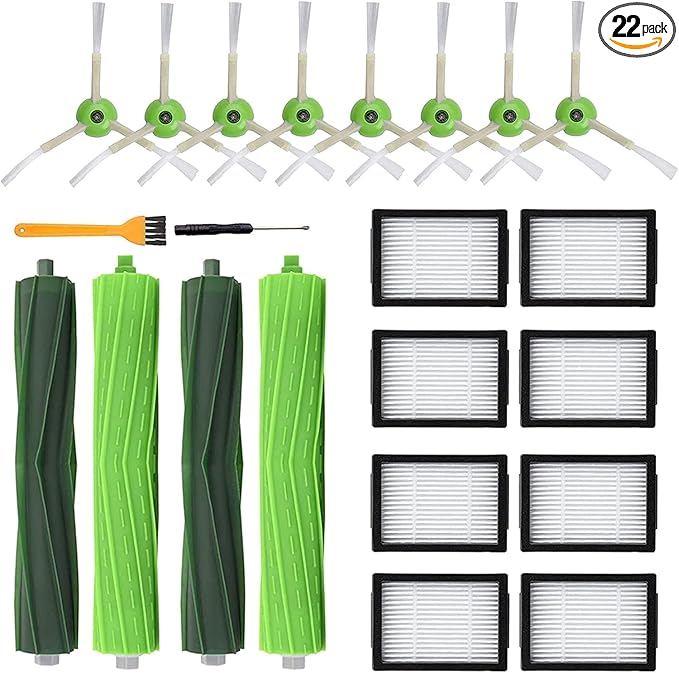
Pet hair chews through consumables. In a real shedding household, plan on a new brush roll every 9 to 12 months, a side brush every 3 to 6 months, and a HEPA filter every 2 to 3 months. Self-empty bags run about $5 to $8 each and last 30 to 60 days. A 12 month consumables budget realistically lands at $80 to $120 on top of the robot price. Brand-matched replacement kits on Amazon are the easy path; third-party kits work, but fit and filter quality vary.
Skip these
Any self-empty robot under $250 on Amazon. That price band gets you outdated navigation (random bounce or basic gyroscopic), a small bin, and bristle-style brushes that tangle inside a week. The base looks like a bargain, but the robot under it isn't worth keeping.
Renewed or refurbished j7+ units under $200 look great on price, but nobody can tell you the battery cycle count, and a replacement battery costs more than the discount saved.
And mopping-only robots marketed at pet households: without strong vacuum suction first, a mop just shoves hair around in damp clumps. Vacuum capability is the baseline, mopping is the bonus.
Recommended
Products related to this guide.
Frequently asked questions
What are the best robot vacuums for pet hair with self-empty bases?
iRobot Roomba j7+ Self-Emptying Robot Vacuum. The honest default for pet households.
What are the best budget robot vacuums for pet hair with self-empty bases?
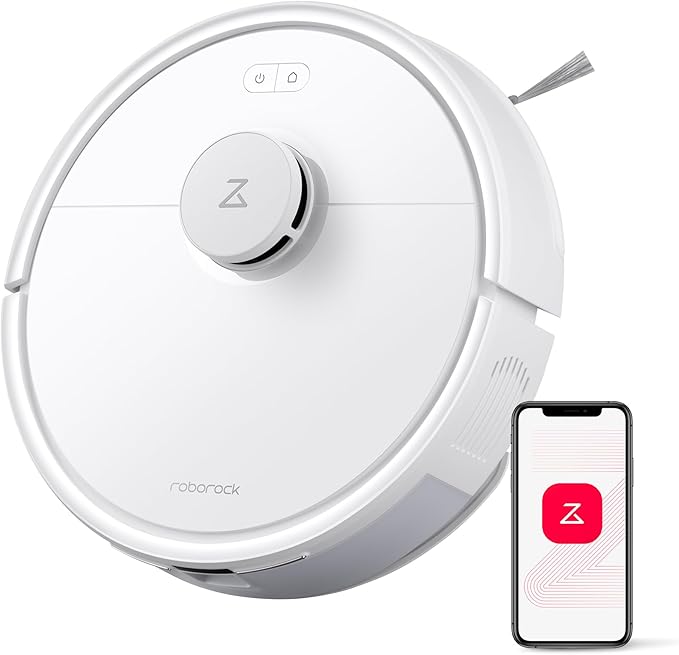
Roborock Q5 Robot Vacuum. The pick when the self-empty base is not in the budget.
What are the best premium robot vacuums for pet hair with self-empty bases?
Roborock Q Revo Robot Vacuum and Mop with Self-Empty and Auto-Wash Dock. The pick when hard floors dominate.