Best Patio Furniture Covers (Waterproof, UV-Resistant, 2026)
By Daniel Reyes · Updated July 2026
Independent editorial guide. We never accept payment for coverage, though we may earn a commission if you purchase through our links.
Quick Take
The cover that lasts is the one shaped like your furniture. A sofa-shaped cover on a round bistro table pools water in the dip. A flat tarp on a sectional flaps loose in the first real storm. Match the silhouette first, then check three things: 600D Oxford fabric with a PVC or PU backing (not vinyl alone), air vents on at least two sides, and tie-downs or a drawstring hem. Expect to pay $30 to $60 for one season of hard use, $50 to $90 if you want two-plus seasons.
The thing nobody tells you is that a fully sealed waterproof cover without vents traps condensation underneath. Cushions stay damp, frames mildew, and the cover itself starts to smell. Skip anything unvented.
KylinLucky and Vailge dominate the value tier with 600D Oxford and vented panels. Tempera and Outdoorlines run a bit pricier with thicker fabric and better tie-down systems for windy yards. Easy-Going is the budget play for single chairs and small bistro sets. All of that is the outer layer of defense. The inner layer is washable cushion covers, which handle the moisture that gets through anyway. See picks ↓
Patio furniture covers look simple. You want rain, UV, pollen, and bird droppings off the cushions and frames. The market is flooded with rectangles of polyester that all claim to be heavy-duty and waterproof. What separates them is silhouette match, fabric weight, backing chemistry, and ventilation. This guide is sorted by furniture shape, because shape is the variable that matters most. A sofa cover on a love seat works. A sofa cover on a round table doesn't. Within each shape, the recommendation accounts for budget, longevity, and how windy your space gets.
Start with the shape
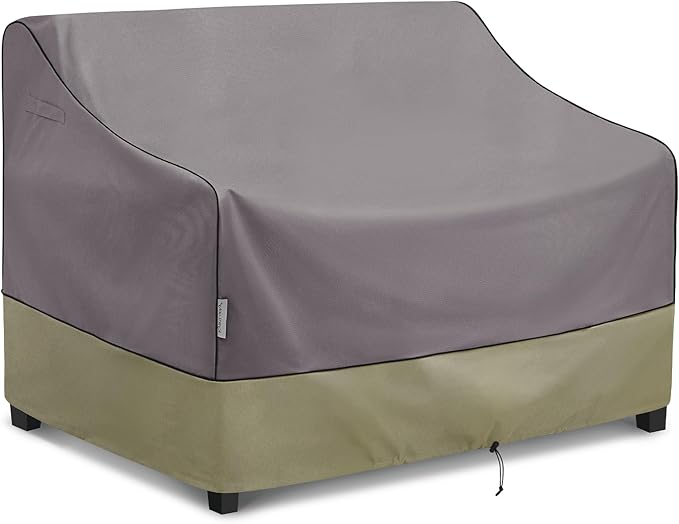
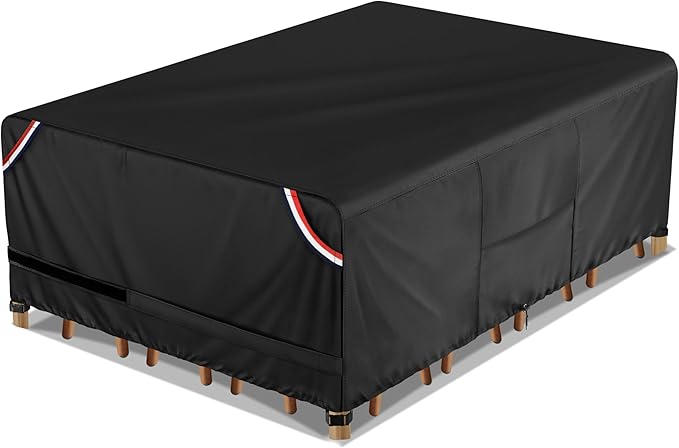
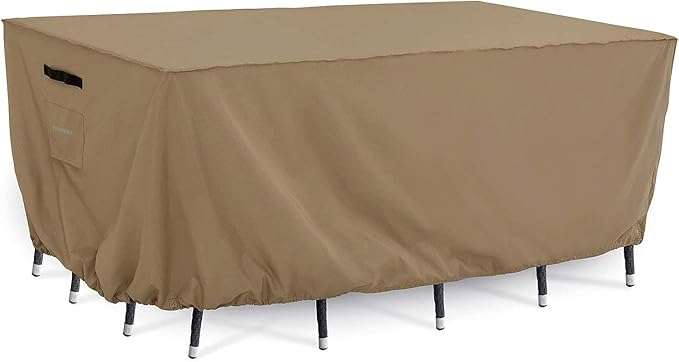
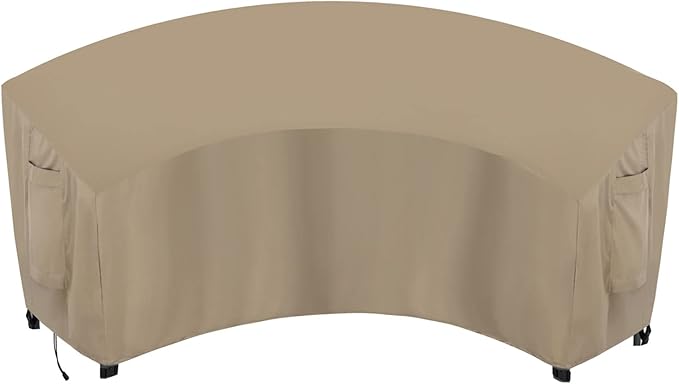
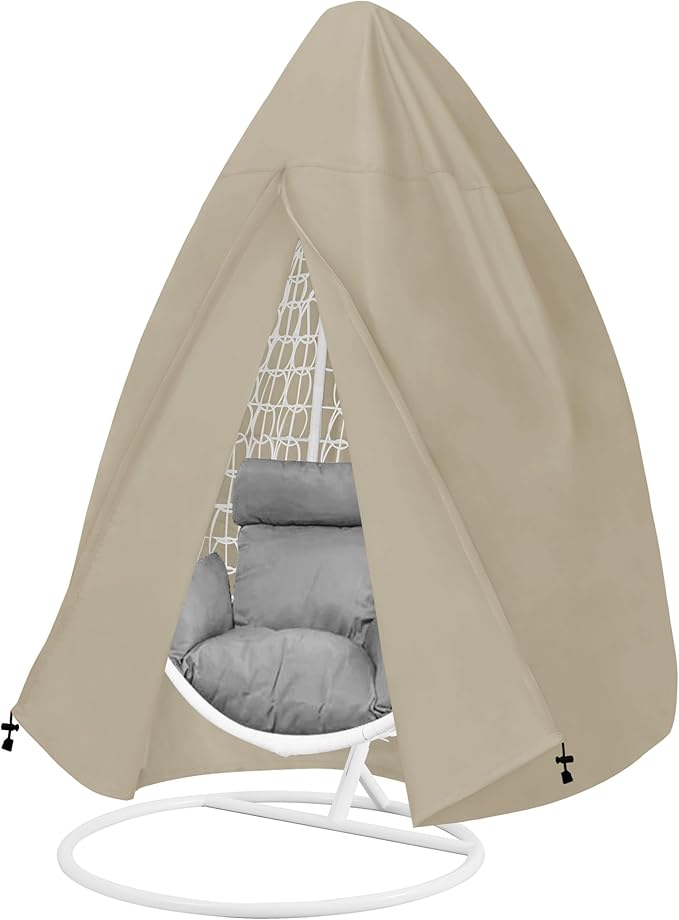
Covers are cut to fit a silhouette. The four common shapes are sofa or love seat (long and rectangular with a back), table and chairs set (a tall center bump for the table, lower wings for the chairs), single chair (compact box), and full sectional or L-shape (a corner with two wings). Buying the wrong shape is the single most common reason a cover fails early. A rectangular sofa cover thrown over a round dining set leaves slack fabric in the corners that catches wind and pools water. A sectional cover on a 3-seat sofa carries yards of extra material that flaps and abrades the seams. Measure the longest dimension, the depth, and the tallest point of your set, then match those numbers to the cover's listed dimensions rather than the marketing description. KylinLucky and Vailge both publish exact inch ranges in their listings, which beats vague size labels like Large or XL.
Fabric weight and what 600D means
Denier (D) measures fiber thickness. 600D Oxford polyester is the standard for outdoor covers worth buying. It's thick enough to resist tearing on rough corners, heavy enough to stay put in wind, and structured enough to hold its shape through a season of sun. Below 600D the fabric feels closer to a tarp or a poncho; it'll get you through a single summer of light use and then crack along the folded seams once it gets cold. Above 600D, and some premium covers hit 800D or 1000D, you get more years out of it and a heavier, stiffer cover that's harder to wrestle on and off.
PVC backing, PU backing, or bare Oxford
Waterproofing comes from the backing applied to the inside of the Oxford fabric. The Oxford itself is water-resistant, not waterproof, and the backing is what stops a downpour from soaking through. PVC backing is the most common and the most durable against UV. It feels slightly plasticky on the inside and it's the standard on KylinLucky, Vailge, and Outdoorlines covers. PU (polyurethane) backing is softer to the touch and a little more breathable, common on Tempera covers. Plain Oxford with a DWR (durable water repellent) coating and no backing will shed light rain and fail in a real storm. Avoid those.
Air vents
A waterproof cover with no vents seals warm furniture inside a box. Morning dew evaporates off the cushions, hits the cold cover, condenses on the inside, and drips back down. Within a week the cushions feel damp and start to smell. Within a season you've got visible mildew. Vented covers have mesh panels, usually on the sides or under the top edge, that let moisture out without letting rain in. Every cover recommended below has vents on at least two sides. The ones that don't aren't worth saving five dollars on.
Tie-downs versus elastic hems
Two ways to keep a cover on the furniture in wind. Elastic drawstring hems cinch the bottom edge tight, like a fitted sheet. Tie-down straps wrap around the legs or under the seat and buckle. Drawstrings go on and come off faster. Tie-downs hold better in gusts above 20 to 25 mph. For exposed yards, decks above grade, or rooftops, take the tie-downs; Outdoorlines and Tempera build buckle systems into their covers. For a sheltered patio with fence or hedging around it, a drawstring hem from KylinLucky or Vailge is enough.
UV resistance and color fade
Sun damage shows up as fade first, then brittleness. Dark colors (black, dark gray, dark green) hold up longer than light ones because the dye absorbs UV before it reaches the fiber. Black covers in full sun typically last two to three seasons. Beige or light gray often fade and crack inside one season. If looks matter, taupe is the compromise: it hides dust between cleanings and resists fade better than a true light gray. KylinLucky and Vailge both offer their main covers in black and taupe.
Cleaning and storage between seasons
Covers attract pollen, dust, and bird droppings that speed up fabric breakdown. Hose them down monthly during the season. At the end of it, lay the cover flat on a driveway, scrub stained spots with mild dish soap and a soft brush, rinse, and let it dry completely before folding. Storing a damp cover is the fastest way to grow mildew. When you fold it away in fall, leave it loose in a garage bin rather than vacuum-sealing it, since compression weakens the backing over time.
The companion layer: washable cushion covers
A patio cover is the outer layer of defense. The inner layer is cushion covers you can wash. However good the outer cover is, some moisture and dirt reach the cushions over a full season. Removable, machine-washable cushion covers let you deal with that instead of replacing the cushions outright. The companion review covers options that survive the laundry cycle without shrinking.
Recommended
Products related to this guide.
Frequently asked questions
What are the best patio furniture covers?
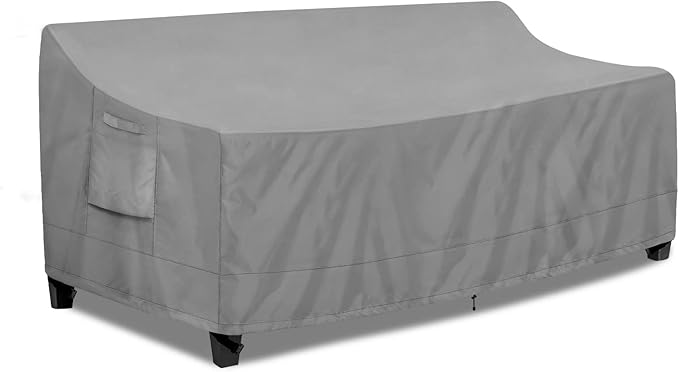
KylinLucky Outdoor Patio Sofa Cover (62 x 38 x 35 in). The sofa-shape default.
What are the best budget patio furniture covers?
Easy-Going Patio Chair Covers (Waterproof. Single-chair covers in a 2-pack.
What are the best premium patio furniture covers?
Tempera Patio Furniture Cover (Heavy Duty. Thicker Oxford fabric and a PU-backed inner layer that breathes slightly better than PVC.