The Best Handheld Portable Clothes Steamers on Amazon (2026)
By Sam Hollis · Updated July 2026
Independent editorial guide. We never accept payment for coverage, though we may earn a commission if you purchase through our links.
Quick Take
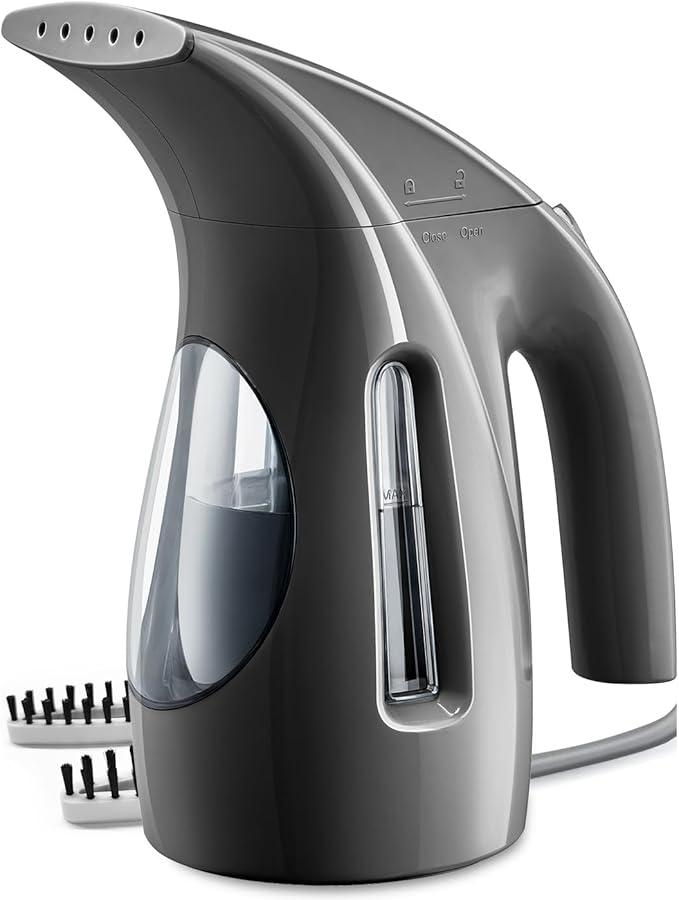
For most people, a handheld steamer in the $25-35 range will out-perform an iron for quick touch-ups, travel, and delicate fabrics that pucker under a hot plate. The PurSteam handheld is the one to beat: a larger removable tank than the pocket models, three steam settings, and fast heat-up, at a price that doesn't sting if you only steam once a week.
The catch with handhelds is heat and tank size. None of them match the continuous output of a standing garment steamer, and the smallest pocket units run dry in a few minutes. Steaming a whole closet or thick curtains, step up to a Conair Turbo Extreme or Steamfast SF-407, which trade portability for a bigger tank and more aggressive output. The picks below cover both ends of that tradeoff.
Jump to the handheld steamers that earn their counter space, sorted by tank size, heat-up time, and how they handle real fabric. See picks ↓
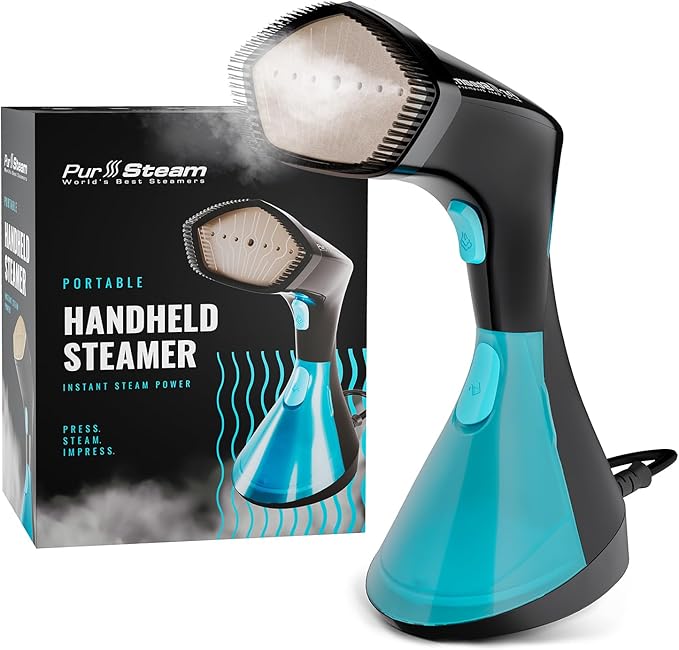
Handheld clothes steamers are the rare appliance that beats the thing it replaces. An iron needs a board, a flat surface, and constant attention to scorch risk. A handheld steamer is grab-and-go: fill the tank, wait under a minute, and run it over a hanging shirt while you finish your coffee. For travel, rentals, and anyone whose dry-cleaning bill is the line item they wish they could cut, the math is obvious.
The Amazon category is also stuffed with near-identical white-label units, which is what makes the picks below useful. The five steamers here have real track records: long-running listings, clear spec sheets from established brands, and tank-size and wattage numbers that match the use case they're sold for. Below is how to pick between them, what to ignore in the spec sheet, and where handhelds genuinely fail.
Why a handheld instead of an iron
Irons press wrinkles flat with weight and heat. Steamers relax the fibers with moisture so the fabric hangs straight again. On a cotton button-down the two end up in a similar place, but the steamer wins on three fronts: it works on the hanger, it doesn't leave shine marks on dark fabric, and it's safe on polyester blends, silk, and rayon that an iron can scorch in seconds.
Handhelds give up the wattage and continuous-fill convenience of a standing unit in exchange for a footprint that fits in a suitcase. Steaming two or three pieces at a time, that's the right trade. Steaming a whole rolling rack at a market booth, it isn't.
Tank size is the spec that matters
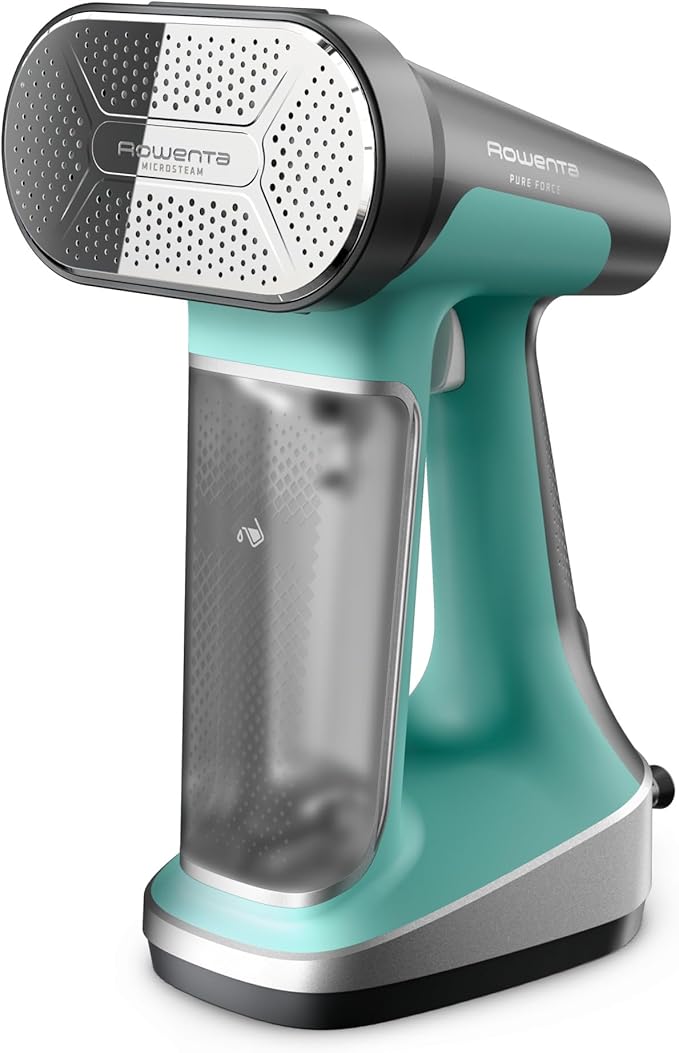
Wattage and heat-up time get the marketing copy. Tank size decides whether you finish the job without a refill. Pocket-class steamers in the 70-100 ml range give you about 8-10 minutes of continuous trigger pulls before they sputter. Mid-size tanks at 200-260 ml stretch to 15-20 minutes, enough for three or four dress shirts. Larger handhelds with removable 350+ ml tanks clear an entire week of work clothes in one fill.
Removable tanks also matter for sink access. A fixed tank means tipping the whole unit over a faucet to fill it, which is awkward and tends to splash. A removable tank pops off and fills like a kettle. On a steamer you'll use weekly, that detail compounds.
Heat-up time and steam consistency
Most handhelds advertise a 15-30 second heat-up. The honest number is closer to 45 seconds to a minute before you get steam that moves wrinkles instead of warm damp air. A 3-setting selector (low for silk, medium for cotton, high for denim and linen) gives you more control than a single-output trigger, which helps on mixed loads where the next garment is a different fabric.
Steam consistency is the other failure mode. Cheap handhelds spit water through the steam plate at certain angles, which leaves spots on dry-clean-only fabric. The picks here have shipped enough volume to have the anti-drip design sorted out. Read the bad reviews on any candidate not on this list before you buy, and search specifically for the word 'spitting.'
Where handhelds genuinely fail
Curtains, bedding, and upholstery are the jobs where a handheld will frustrate you. The tank runs out fast, the steam plate is too small to cover a panel of fabric in one pass, and the unit gets heavy after ten minutes at arm's length. For those jobs, a standing garment steamer with a 1L+ tank and a wand is the right tool.
Suit jackets and structured outerwear are the other edge case. Shoulder and lapel construction is built around interfacing that doesn't like prolonged moisture. Light passes from 6 inches away will refresh a suit between wears. For real pressing, a tailor or a professional steam press is still the answer.
Dual voltage and lockable triggers for travel
Buying mainly for travel? Check the voltage first. Most US-market handhelds are single-voltage 120V and will burn out on European 220V without a step-down transformer, which defeats the point of packing one. Dual-voltage units exist, but they're a minority of the category and usually cost more.
TSA allows handheld steamers in carry-on or checked bags, but the tank has to be empty at security. A lockable trigger or a clear empty-tank indicator speeds up the security line and prevents the inside-the-bag drip that ruins everything else you packed. Smaller units with under-100 ml tanks are the safest bet for frequent flyers.
How the picks below are organized
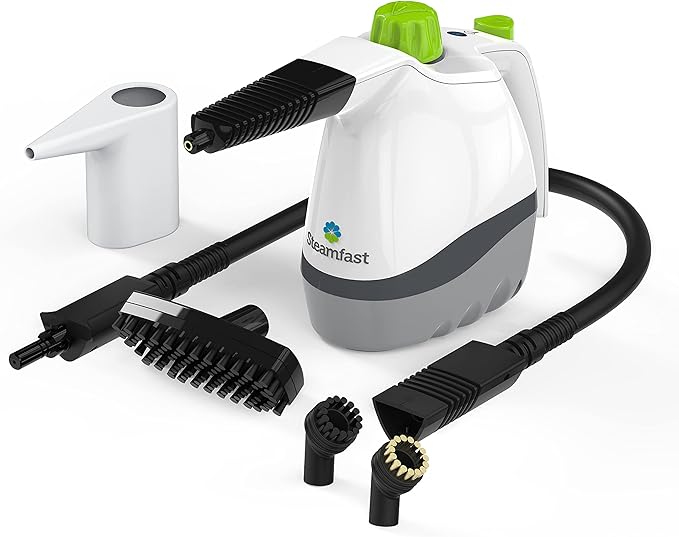
The top pick fits the most households: mid-size tank, three settings, fast heat-up, under $35. The budget pick is the one to buy if you steam occasionally and want the lowest sunk cost. The premium picks are for higher-volume use, with bigger tanks and more aggressive output. The Steamfast pick is the long-tenured workhorse in this category, which counts for something in a market full of brand-new listings that may not be here in two years.
Recommended
Products related to this guide.
Frequently asked questions
What are the best handheld portable clothes steamers?
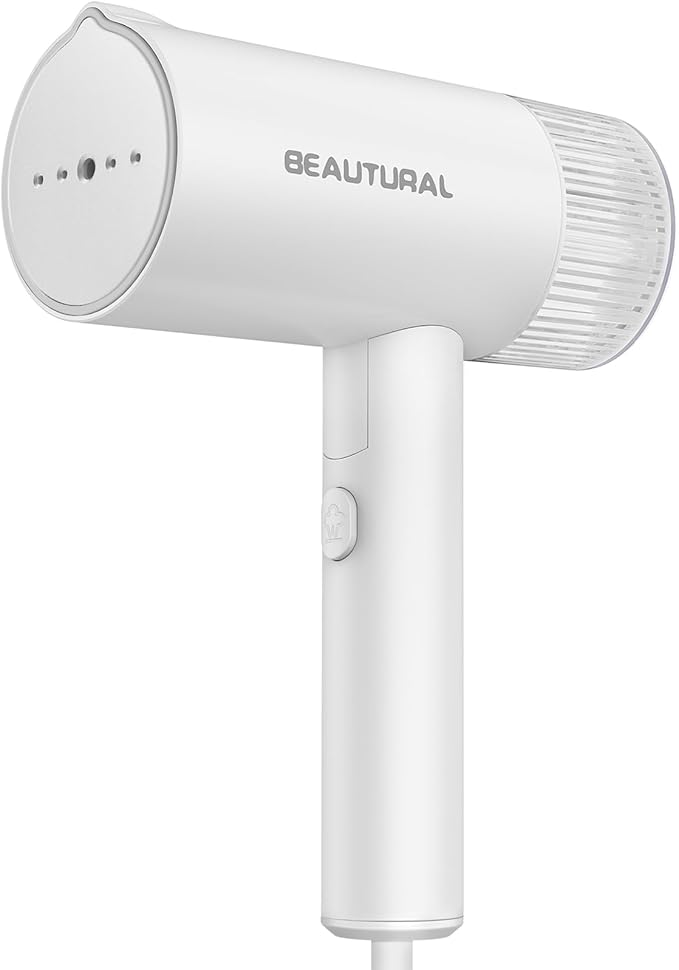
BEAUTURAL Steamer for Clothes. The lowest sunk-cost pick if you steam occasionally.
What are the best budget handheld portable clothes steamers?
BEAUTURAL Steamer for Clothes. The lowest sunk-cost pick if you steam occasionally.
What are the best premium handheld portable clothes steamers?
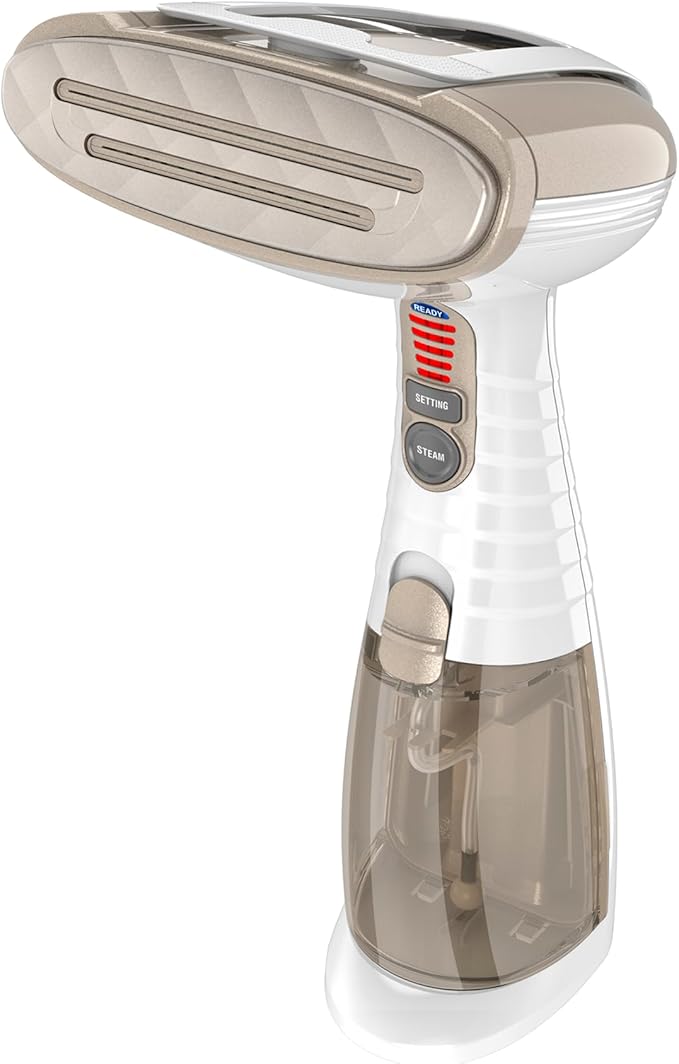
Conair Turbo Extreme Steam Handheld Garment Steamer. The step-up for higher-volume use.