The Best Electric Toothbrushes on Amazon (2026)
By Daniel Reyes · Updated July 2026
Independent editorial guide. We never accept payment for coverage, though we may earn a commission if you purchase through our links.
Quick Take
For most buyers walking into this category for the first time, buy an Oral-B Pro 1000 at around $50. It has the only two features that matter clinically: a real oscillating-rotating head and a 2 minute timer with 30 second quadrant pulses. Everything else on the shelf, from $30 white-label sonic brushes up to $250 AI-guided flagships, is paying for features that don't move the needle on plaque removal in a randomized trial. Two upgrades are real, though. The Oral-B iO Series 9 adds a pressure sensor that eases brushing force when you press too hard, which matters for gum-recession-prone brushers. The Philips Sonicare DiamondClean is the cross-brand pick for anyone who prefers sonic vibration over the Oral-B rotation feel. Below those, the Sonicare 4100 ProtectiveClean is the honest budget Sonicare and the Oral-B Pro 500 is the floor that still has the timer and a real Oral-B head. See picks ↓ See picks ↓
Electric toothbrushes are one of the rare consumer categories where the clinical evidence is clear. A 2014 Cochrane review of 51 trials found oscillating-rotating brushes (Oral-B's mechanism) reduced plaque 11 percent more than manual brushing at 1 to 3 months. Sonic brushes (Philips Sonicare's mechanism) show smaller but still real gains. Both work. The marketing layer on top, the apps, the AI brushing coaches, the pressure-sensor light shows, mostly does not.
So picking one comes down to price floor and head preference. Oral-B rotates and pulses; Sonicare vibrates. The heads feel different in the mouth, and most people form a preference within a week. The picks below cover both brands at three price tiers, with honest notes on where the subscription head replacement programs (Oral-B vs Quip vs Burst) quietly add $40 to $80 a year to what the brush costs you to own.
The two features that matter
Two features, full stop. A 2 minute timer with 30 second quadrant pulses, which is the brushing duration the American Dental Association recommends and the cue most adults need to hit it. And a brush head mechanism with real clinical backing: Oral-B's oscillating-rotating action or Philips Sonicare's high-frequency sonic vibration. Every pick below has both. Features that sound important and are not: Bluetooth app pairing, AI brushing coaches, color-changing pressure lights, multiple cleaning modes (whitening, gum care, tongue), travel cases with built-in UV sanitizers. None of those move clinical outcomes in controlled studies. They're upsell layers, not reasons to buy.
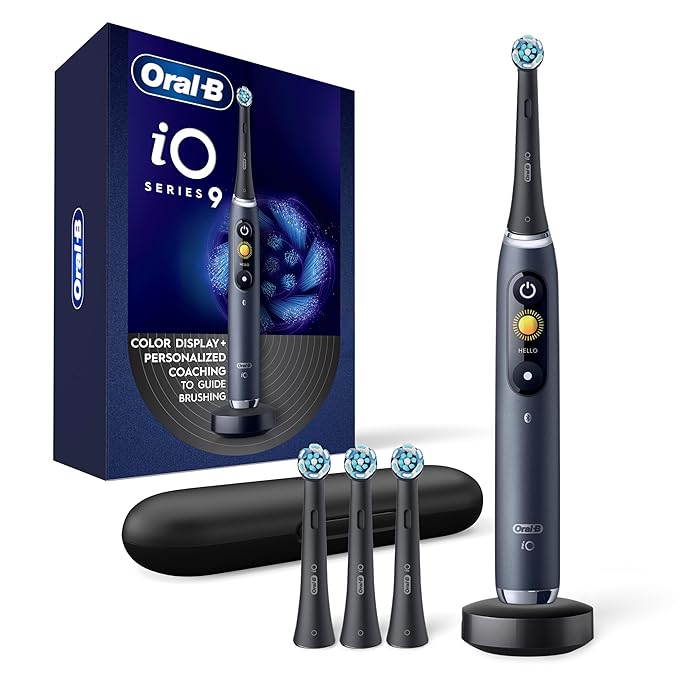
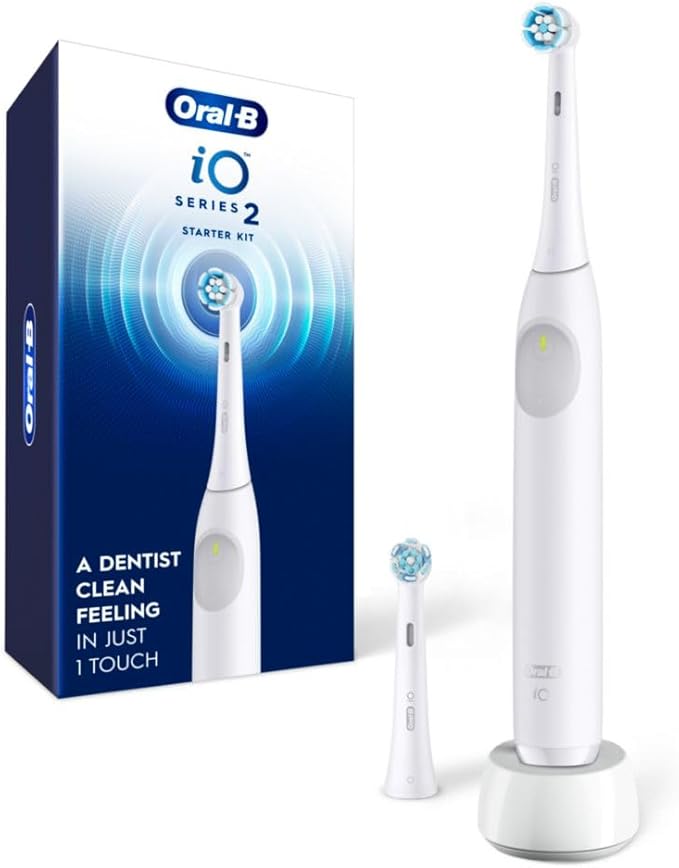
Oral-B iO Series 9, the premium pick
The iO Series 9 is Oral-B's flagship and it earns the price for one specific buyer: someone with gum recession, sensitivity, or a history of brushing too hard. The pressure sensor is the reason to step up. It doesn't only light up, it drops motor intensity automatically when you press past the recommended force, and that's the kind of intervention that changes long-term brushing behavior. The AI coaching layer in the app is a gimmick. Most owners use it for a week and stop. Buy the iO 9 for the pressure sensor and the magnetic-drive head feel, never for the app. If neither of those matters to you, the Pro 1000 below is the same Oral-B mechanism for one fifth the price.
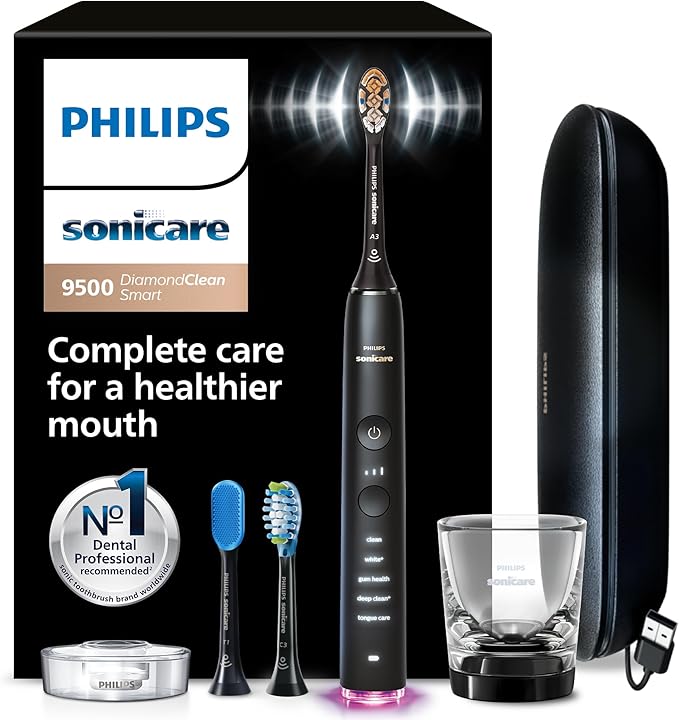
Philips Sonicare DiamondClean, the cross-brand pick
Some people genuinely prefer the sonic vibration feel over the Oral-B oscillating head. That's a tactile preference, not a clinical one. The DiamondClean is Sonicare's flagship and the right premium pick if you've tried both mechanisms and prefer Sonicare. The battery life is real, the charging glass is a nice touch, and the head replacements are widely available. One caveat: the DiamondClean head replacement program is the most expensive in the category at roughly $10 to $14 per head every 3 months. That's $40 to $56 a year in heads alone, on top of the $150 to $200 unit cost. Worth budgeting before you buy.
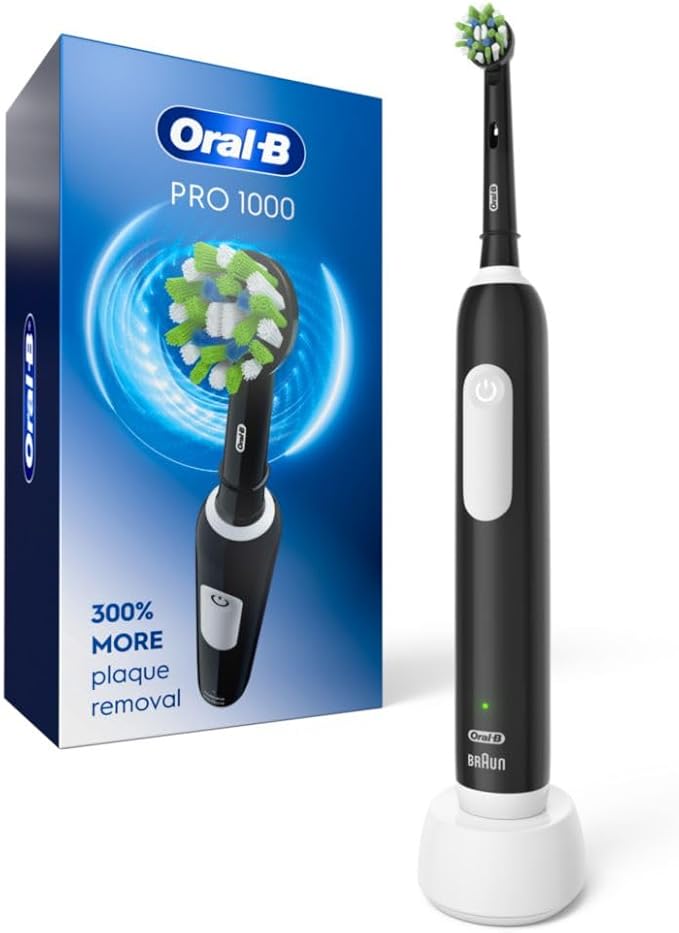
Oral-B Pro 1000, the one most people should buy
For everyone who isn't specifically buying for gum sensitivity, the Pro 1000 is the answer. Same oscillating-rotating mechanism as the iO 9, same 2 minute timer with quadrant pulses, same Oral-B head ecosystem. No pressure sensor, no app pairing. Neither of those changes brushing outcomes for most adults. This is the brush most dentists hand patients a coupon for. It's the floor that still does the clinical job, and the ceiling where additional spend stops returning real improvement. It's the honest recommendation for 70 percent of buyers in this category.
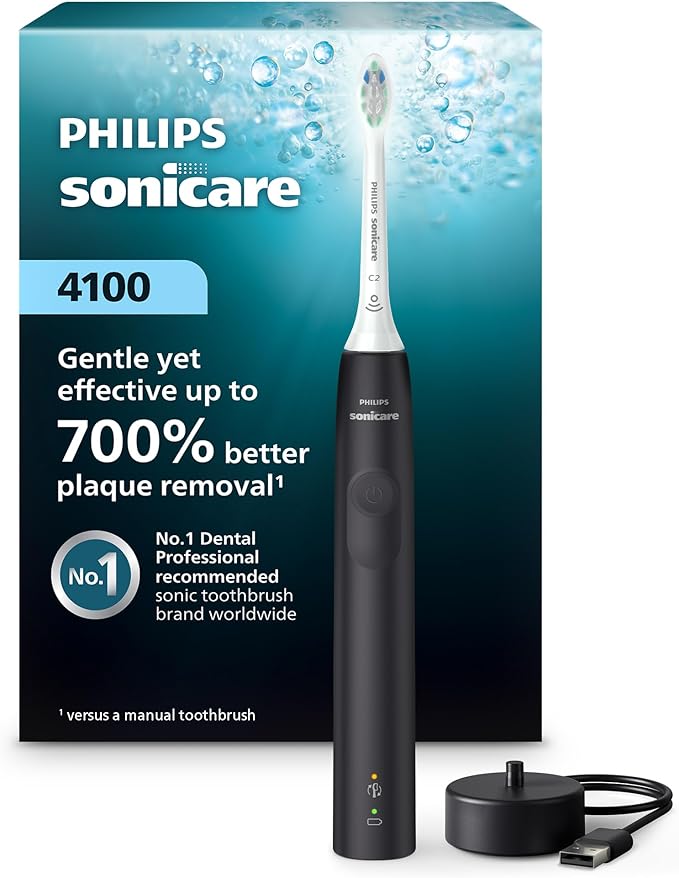
Sonicare 4100 ProtectiveClean, the budget Sonicare
If sonic vibration is the feel you want and the DiamondClean is out of budget, the 4100 ProtectiveClean is the right step down. It has the 2 minute timer, the quadrant pulses, and Sonicare's standard sonic vibration motor. It loses the multiple cleaning modes and the fancy charging glass. This is the cleanest apples-to-apples comparison to the Oral-B Pro 1000 in this guide. Pick it if your mouth prefers vibration over rotation; pick the Pro 1000 if you haven't formed a preference yet, since the Oral-B is slightly cheaper to feed.
Oral-B Pro 500, the entry point
The Pro 500 is the absolute floor for buying into the Oral-B ecosystem and still getting the timer and a genuine Oral-B head. Below this, the Amazon category fills with white-label brushes claiming 40,000 strokes per minute that quit within a year and use proprietary head fittings that lock you into the original brand's replacements. The Pro 500 drops the second cleaning mode of the Pro 1000 and carries a smaller battery. For a first-time buyer testing whether the electric brushing habit sticks at all, it's the lowest risk way in. Upgrade to a Pro 1000 once you know it stuck.
The head replacement subscription trap
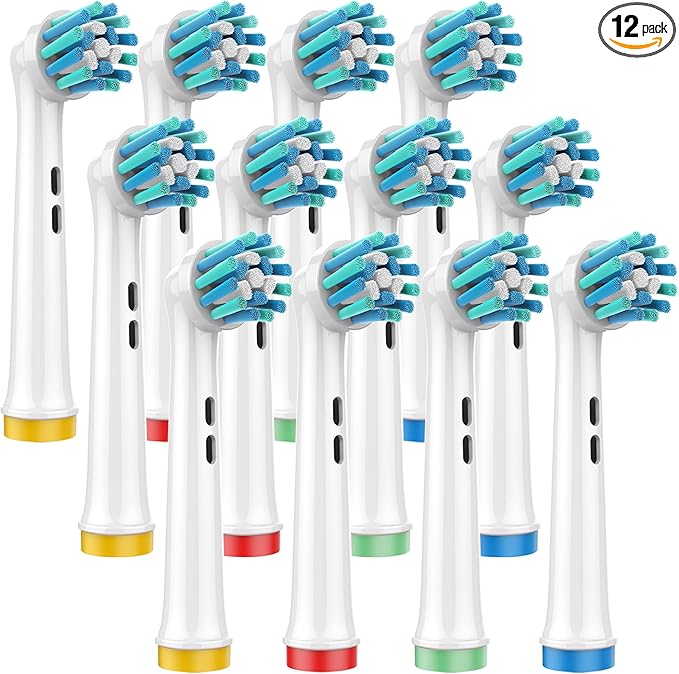
Every brush in this category needs a new head every 3 months per the ADA recommendation. What it costs you to own is the unit price plus 4 heads a year. Oral-B genuine heads run $5 to $7 each in multi-packs from Amazon, and the Cross-Action multi-pack listed below is the cheapest reliable path. Sonicare heads run $10 to $14 each. Subscription services from Quip and Burst auto-ship heads at $5 a month with the unit included. The math looks competitive at first, but the motors in those brushes don't match the clinical performance of Oral-B or Sonicare. The subscription discount is real; the underlying brush quality is not equivalent. Stick with Oral-B or Sonicare and buy heads in bulk.
Skip the AI features and most of the modes
Bluetooth pairing, position-tracking AI, and the 5+ cleaning modes (deep clean, whitening, gum care, sensitive, tongue) on flagship brushes are upsell layers. The randomized clinical trials Oral-B and Philips themselves submit to the ADA test the standard 2 minute mode against manual brushing. Everything else is unproven beyond subjective user reports. The pressure sensor on the iO Series 9 is the one exception, because over-brushing is the mechanism behind gum recession and enamel wear, and the sensor intervenes on a behavior real people have. Buy that feature when it applies to you. Skip the rest.
Recommended
Products related to this guide.
Frequently asked questions
What are the best electric toothbrushes?
Oral-B iO Series 9 Electric Toothbrush. The premium answer for gum-recession-prone brushers.
What are the best budget electric toothbrushes?
Oral-B Pro 500 Electric Toothbrush. The absolute floor for buying into the Oral-B ecosystem with a real timer and a genuine Oral-B head.