The Best Bird Baths for Your Backyard on Amazon (2026)
By Sam Hollis · Updated July 2026
Independent editorial guide. We never accept payment for coverage, though we may earn a commission if you purchase through our links.
Quick Take
For most backyards the right answer is a polyresin pedestal bath in the $40-60 range with a separate solar fountain pump dropped into the bowl. That gets you a 20 inch bowl birds can see from a distance, a stable base that won't tip in wind, and moving water, the single biggest factor in whether songbirds show up, without wiring an outlet across the lawn. Plan on $50-90 all in.
If you want one piece instead of two, an integrated solar pedestal in the $120-170 range works, though the trade-off is real: when the pump dies in year 2 or 3 you're often replacing the whole bath, not a $25 pump. Concrete is the heirloom option and looks beautiful, but it cracks in hard freezes and weighs 40-80 lbs, which matters if you ever move. Camera-equipped smart baths are a separate category, worth buying only if AI bird ID is what you're after.
Jump to the specific pedestal, pump, and smart-bath picks below that cover each of those paths, with notes on which one fits which yard. See picks ↓
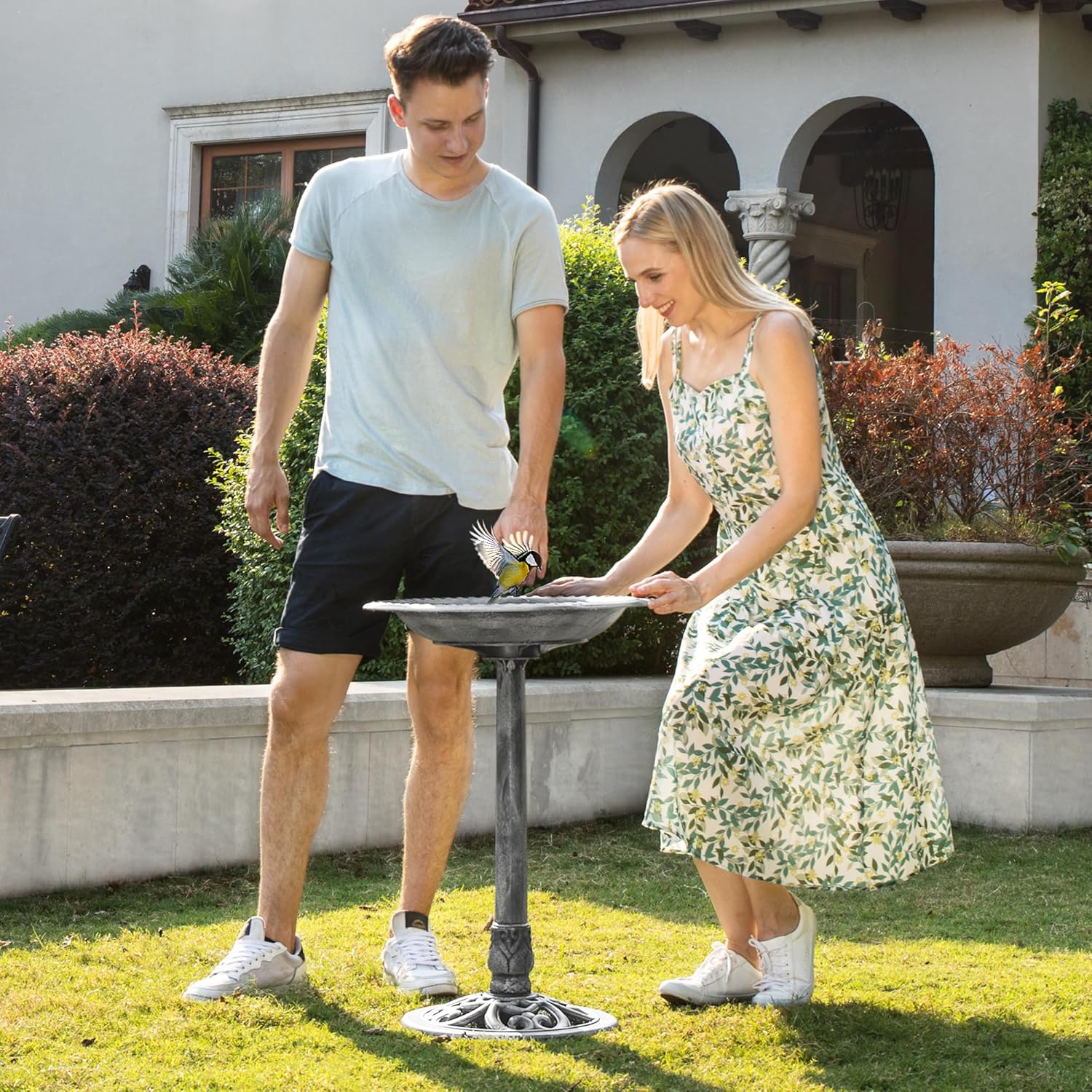
A bird bath is one of the cheapest pieces of backyard infrastructure that changes which birds show up. Feeders pull in a narrow band of species, mostly seed eaters. Water pulls in everybody: warblers, thrushes, orioles, woodpeckers, and the occasional hawk that's just hot.
The catch is that most cheap bird baths on Amazon look pretty in a product photo and fall apart in a season. This guide sorts the formats by what matters to the birds and to you: bowl depth, material durability, whether the water moves, and how the pump gets serviced when it inevitably fails.
Why moving water matters more than the bath itself
Stagnant water in a backyard bath does two things: it grows algae fast, and it doesn't bring in many birds. Songbirds key in on the sound and motion of moving water from much further away than they notice a still bowl, which is why a $25 solar fountain dropped into an existing bath usually beats a $150 still pedestal.
Movement also keeps mosquito larvae from establishing. Any disturbance to the surface every few minutes does it; you don't need a constant cascade. That's the gap a small solar pump fills cheaply, with no wiring and no daily maintenance.
Pedestal materials: polyresin vs concrete vs ceramic
Polyresin, sometimes labeled resin-stone or polystone, is the default for good reason. It weighs 5-10 lbs, won't crack in a freeze, takes UV reasonably well for 3-5 years, and the molded textures get close enough to stone that most people don't look twice. The downside is sun fade and the brittleness that shows up once UV has done its work.
Concrete is the heirloom material. A real cast-concrete or fibre-reinforced concrete bath will outlast the buyer if it gets brought in or drained for hard freezes. The trade-offs are weight, 40-80 lbs depending on size, which means it ships LTL and is a two-person move, and freeze vulnerability. Water expanding in a hairline crack will split a concrete bath in one bad winter.
Ceramic is the prettiest option and the worst at surviving winter. Even glazes labeled freeze-resistant will craze and pop. Treat ceramic as a three-season bath that comes inside in November, or buy it only if you live somewhere that doesn't freeze.
Bowl depth and edge shape
Songbirds want 1-2 inches of water at the deepest point and a sloped or stepped edge they can stand on without committing to a swim. A flat 3 inch deep bowl is a swimming pool by their standards, and it'll mostly be ignored except by the bigger birds, robins, jays, grackles.
If a bath you like has a deep bowl, drop a flat stone or a layer of pea gravel in the middle to raise the effective floor. It's also why a wider, shallower bowl, 18-24 inches across, generally beats a deeper, narrower one for species variety.
Solar fountain pumps: standalone vs integrated
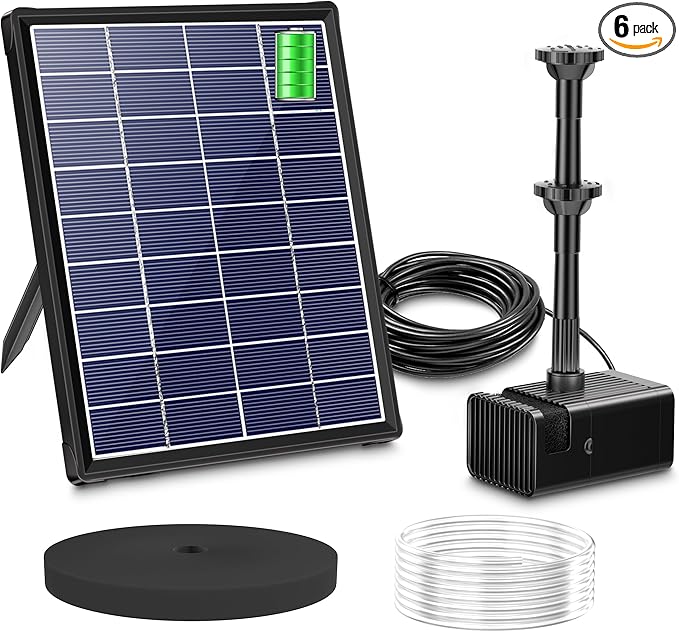
Standalone solar fountains are the floating pump-plus-panel units that sit in an existing bowl. The newer ones, Biling, Antfraer, and similar 5-8W units, include a 2,000-4,000 mAh lithium battery that keeps the fountain running for several hours after the sun moves off the panel, plus a dry-run sensor that shuts the pump off when the bowl empties. That second feature earns its keep. The failure mode for older solar pumps was running dry on a hot afternoon and burning out inside a week.
Integrated solar pedestals build the panel into the bowl edge or a separate stake. Convenient, but when the pump fails the whole bath is often the replacement unit, because the embedded pump isn't user-serviceable. A drop-in pump from a different vendor sometimes works as a hack, though the cleaner path is to start with a non-solar bath and add a standalone pump.
Smart bird baths with cameras
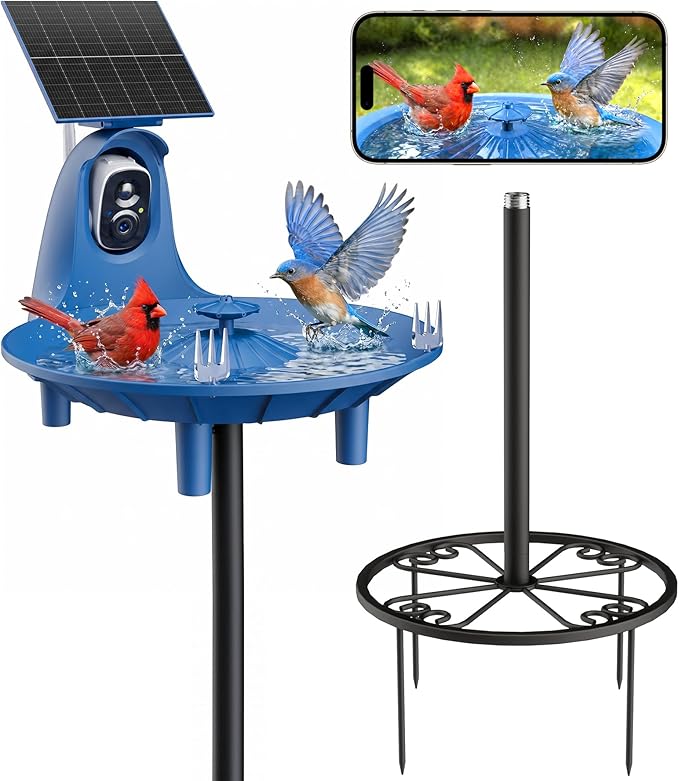
A 2026 development: combined bird-bath-plus-camera units running AI species identification have come down to the $90-125 range. The pitch is live bird ID through an app, clips of every visitor, and in some models a feeder as well. The hardware is fine for casual use. The AI is good on common species and unreliable on rarer ones.
These make sense if species ID and clip capture are the goal. If you only want to attract birds, a $50 dumb bath with a moving-water pump pulls in more visitors for less money, with no batteries to maintain and no app to stay logged into.
Placement and seasonal maintenance
Put the bath 10-15 feet from cover, a shrub or low branch, so birds have an escape route, but not directly under cover where droppings and cat ambush become problems. Direct sun is fine for the bath itself; the moving water from a fountain handles algae as long as you wipe the bowl out weekly with a stiff brush. Skip soap. A vinegar rinse is enough.
In freezing regions the bath comes off the pedestal for the coldest months unless it's polyresin and the bowl is drained. Concrete that holds ice through January won't hold its shape in March. Heated baths exist for year-round use, but they need an outdoor outlet and are a separate category from this guide.
Recommended
Products related to this guide.
Frequently asked questions
What are the best bird baths for your backyard?
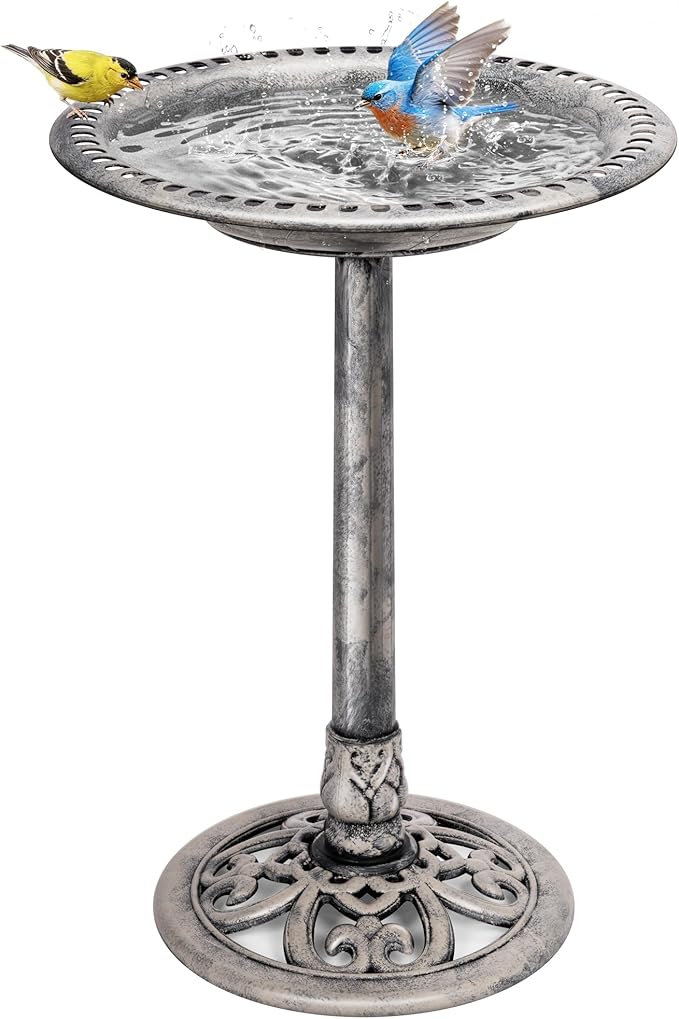
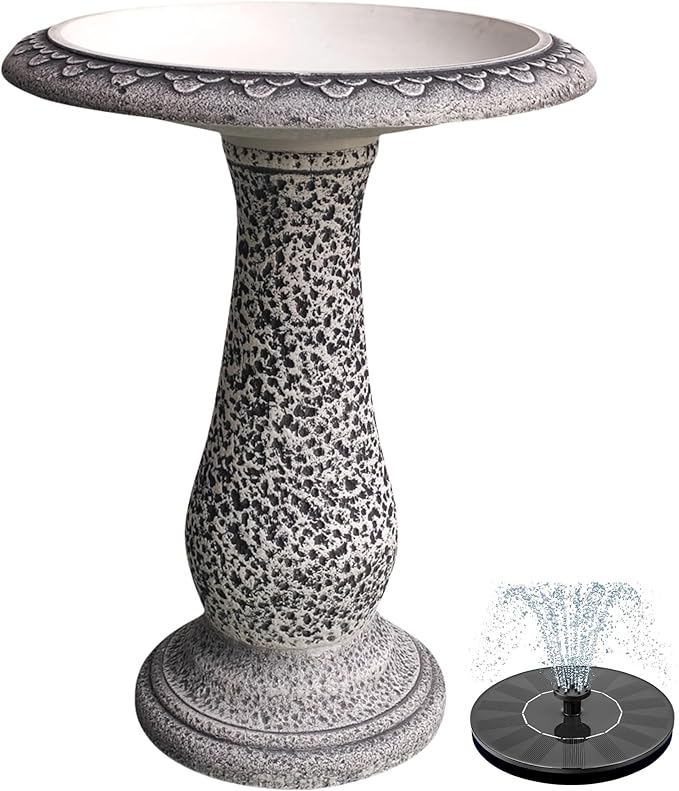
VIVOHOME 28-Inch Polyresin Pedestal Bird Bath. The default answer for most backyards.
What are the best budget bird baths for your backyard?
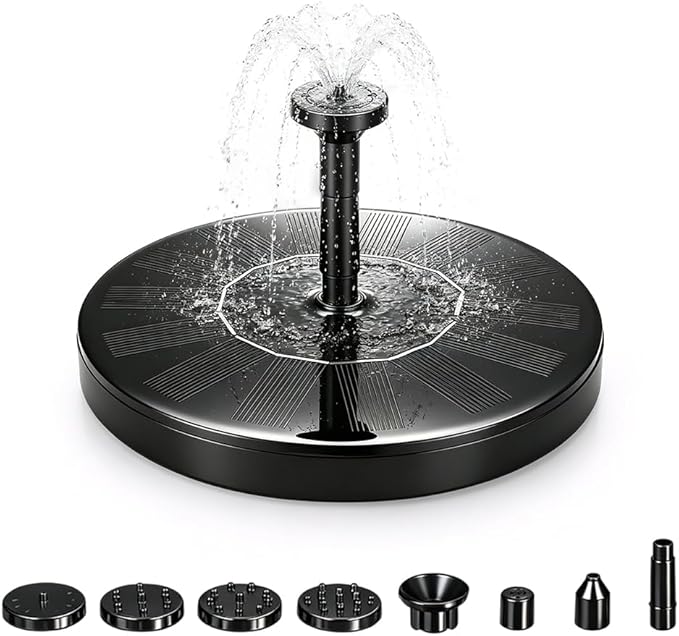
1.4W Floating Solar Bird Bath Fountain Pump. The cheap path to moving water if you already own a bath.
What are the best premium bird baths for your backyard?
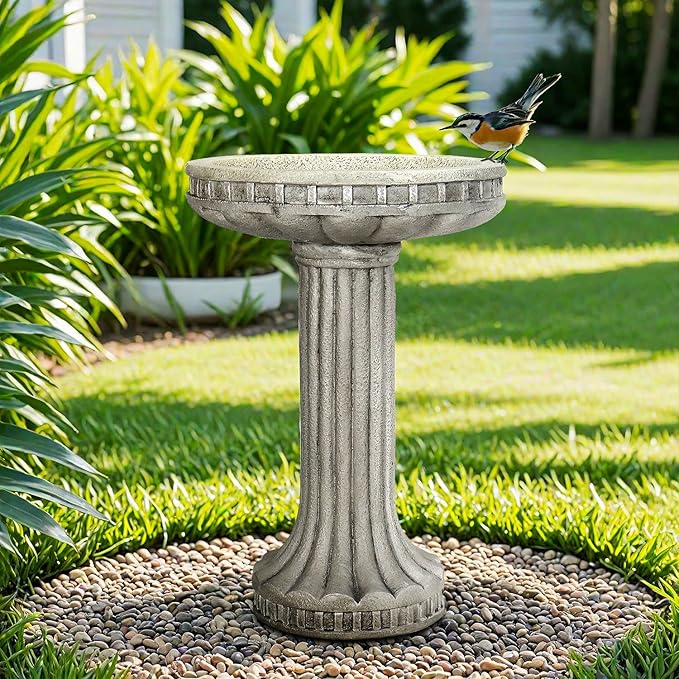
SunJet 24" Fibre-Reinforced Concrete Birdbath. The heirloom pick.