Steelcase
Steelcase Series 1 Reviews: Real Owner Reports + Our Verdict
By Sam Hollis · Updated September 2026
Independent editorial review. We never accept payment for coverage, though we may earn a commission if you purchase through our links.
Verdict
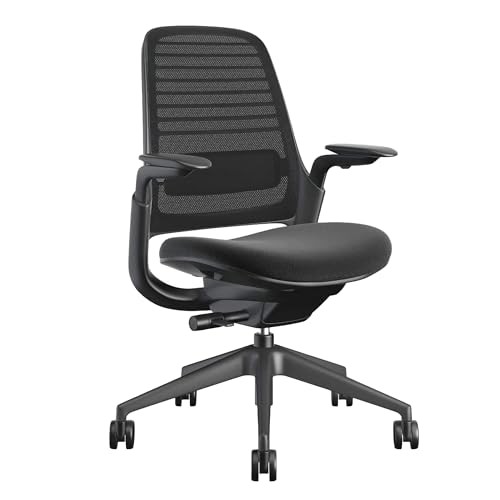
Owner sentiment on the Series 1 skews positive, and the praise and the gripes both land in predictable places. The consistent wins are durability and back support: long-term owners describe years of daily use with no sag, and people coming off cheap chairs describe real relief. The recurring caveats are the firmer seat, which some owners fix with a cushion, and the base arms, which come up often enough that the common advice is to configure the 4D arms from the start. Fit is the swing factor. Shorter owners tend to love it; taller and larger owners sometimes find the seat shallow and size up. The people who end up unhappy usually expected Leap-level plushness at the Series 1 price. Judged as a contract-grade chair at the price it sells for, it earns its reputation as the sensible ergonomic pick.
Read full take ↓Similar chairs
Quick Take
A genuine Steelcase with the flexible back, adjustable lumbar and twelve-year warranty for roughly a third of the brand's flagship pricing, and that pitch holds up. The plastics show more than on a Leap and the arms adjust in fewer directions. A sound pick for contract-grade ergonomics at home without paying for the full adjustment range.
Contract-grade ergonomics under $500
The Series 1 is Steelcase's attempt to bring the engineering from its four-figure office chairs down to a price a person spends their own money on. It's the chair people land on after deciding a $150 Amazon mesh chair is wrecking their back but a $1,600 Leap is more than they can justify for a spare bedroom desk. That middle is where most home offices really sit, which is why this chair comes up in the same breath as the Herman Miller names it costs a third as much as.
It carries the parts that matter down from the expensive chairs: a flexible back that moves with you, adjustable lumbar, and arms with real adjustment, all wrapped in a 3D knit or mesh back and backed by Steelcase's long contract warranty. What it gives up to hit the price is the deepest range of adjustment and the plushest materials. Whether that tradeoff lands depends entirely on your body and your desk, and that's what the owner reports below sort out.
What follows is our editorial verdict, scored across build, design, and value, grounded in Steelcase's published specifications and in what long-term owners report after months and years at the desk.
What you get for the Steelcase name
The Series 1 is Steelcase's answer to a specific question: what does the company's ergonomic engineering look like at roughly a third of the price of a Leap? The answer is a chair with the brand's core mechanism philosophy, a weight-activated recline, adjustable lumbar, and 4D arms on most configurations, built with the materials and tolerances you'd expect from a contract-furniture manufacturer rather than a direct-to-consumer newcomer.
Owners consistently describe it as sturdy and well built, which isn't faint praise in a category full of chairs that develop wobble in a year. One owner comparing it against the higher-end Steelcase and Herman Miller chairs in their office noted the build quality holds up, with the honest caveat that it isn't the same mechanism as the chairs costing three times more.
That framing is the whole review in miniature. This is a real Steelcase, engineered down to a price, and the compromises are specific rather than general.
The recline mechanism, and the three-position reality
This is the compromise that matters most and the one buyers most often miss. The higher-end Steelcase chairs use a tension-adjustable recline you dial to your body weight. The Series 1 doesn't. It offers a small number of fixed lean positions, upright, slightly back, and fully back, instead of continuous tension across the range.
An owner who sits in the higher-end Steelcase and Herman Miller chairs at work put it exactly that way: there are only three lean options, and it isn't a tension model like the more expensive chairs, but those chairs are also three times the cost. That's an honest trade rather than a defect. If you recline constantly and want the chair to meet you at every angle, this will feel coarse. If you mostly sit upright and lean back now and then, you'll probably never notice.
Knowing which of those two people you are is the single best predictor of whether you'll like this chair.
Fit is the dividing line
The most consistent theme in owner reports isn't build or mechanism. It's size. The Series 1 has a smaller seat and a narrower back than the Steelcase chairs above it, and that shows up as a hard split in owner satisfaction along body type.
One owner who also owns two Steelcase Think chairs said the Thinks are noticeably roomier and flagged that a bigger frame might find the Series 1 an issue. Another was blunter: at 6 feet 1 and 210 pounds, the chair was far too small, produced upper back and shoulder pain, and in their view there are better chairs at the price. Owners repeatedly advise sitting in one before buying.
This chair isn't good or bad in the abstract. It fits some bodies well and others poorly, and the price doesn't change that. If you're tall or broad, treat the fit warning as the most important thing on this page.
Lumbar, arms, and the configuration trap
The Series 1 ships in several configurations, and they aren't equivalent. The adjustable lumbar is an option rather than a guarantee, and owners who have it single it out as one of the features they most appreciate. Buying a configuration without it, especially secondhand, is a common source of disappointment that has nothing to do with the chair's design.
The arms are similarly variable. The 4D arms found on most new configurations are a genuine strength at this price, adjusting height, width, depth, and pivot. Cheaper listings sometimes carry simpler arms.
Before you buy, and especially before you buy used, confirm the specific configuration rather than the model name. The gap between a well-specified Series 1 and a stripped one is larger than the gap between the Series 1 and its siblings.
The value math against the rest of the Steelcase line
The Series 1 sits at roughly a third of the price of a Leap, and that ratio is the argument. Owners who make the value case put it plainly: if the chair works for your body, it's a Steelcase for a fraction of the cost of a Steelcase.
The counter-case is the used market. Steelcase chairs are built for a fifteen-year contract life, so used Leaps and Amias circulate at prices that can approach a new Series 1. Owners who deal-hunt argue you should buy a used higher-tier chair instead, and if you have the patience and a local liquidator, that argument has real force.
The honest split: buy a new Series 1 if you want a warranty, a known configuration, and no hunting. Buy used higher-tier if you enjoy the hunt and can sit in the chair first.
Who should buy it, and who should skip it
The Series 1 is the chair if you're average-sized, want genuine ergonomic engineering and contract-grade build without spending Leap money, and would rather have a new chair with a warranty than a used gamble. Get the configuration with adjustable lumbar. For a home office where the chair gets used all day, it's a lot of chair for the money.
Skip it if you're tall or broad, in which case the Series 2 or a Leap gives you the size you need and the fit complaints disappear. Skip it if you recline constantly and want tension control rather than fixed positions. And skip it if you're willing to hunt the used market, where the same money buys more chair.
The Series 1 isn't the best chair Steelcase makes, and it doesn't pretend to be. It's the cheapest one that still feels like a Steelcase.
Our Ratings
Overall score
Contract-grade build with a flexible back, adjustable lumbar, a 400-pound weight rating, and a 12-year warranty, and owners years in describe it as solid and rattle-free. The plastics show more than on a Leap and the base arms adjust in fewer directions than the optional 4D arms most owners add, but nothing here feels disposable. The recurring long-term note is simply that it holds up.
Clean and utilitarian, offered in a wide run of frame and upholstery colors so it disappears into a home office instead of announcing itself. The seat runs firm and a touch small, so very tall or larger owners size up while shorter owners single it out as one of the few ergonomic chairs that fits them. A quietly competent desk chair rather than a striking one.
A genuine Steelcase with the flexible back, adjustable lumbar, and 12-year warranty for roughly a third of the price of the brand's flagship chairs, which is the whole pitch and it holds up. It gives up range and materials against a Leap or Aeron but keeps the core ergonomics, and the upgrade most owners endorse is the 4D arms over the base ones. Priced honestly for a real work-from-home setup.
Steelcase Series 1 Reviews: Real Owner Reports + Our Verdict on Amazon.
What People Are Saying
Owner sentiment on the Series 1 skews positive, and the praise and the gripes both land in predictable places. The consistent wins are durability and back support: long-term owners describe years of daily use with no sag, and people coming off cheap chairs describe real relief. The recurring caveats are the firmer seat, which some owners fix with a cushion, and the base arms, which come up often enough that the common advice is to configure the 4D arms from the start. Fit is the swing factor. Shorter owners tend to love it; taller and larger owners sometimes find the seat shallow and size up. The people who end up unhappy usually expected Leap-level plushness at the Series 1 price. Judged as a contract-grade chair at the price it sells for, it earns its reputation as the sensible ergonomic pick.
Reddit and Houzz commentary are weighted 3× against blog and editorial sources in our sentiment score. Brand PR has a well-documented influence on editorial coverage — direct owner reports from message boards tend to be more candid.
What Reddit Is Saying
“I love my series 1. I also have a steelcase think v2 and v1. The thinks are def more roomy, but for me the series 1 is fine also. If you're a bigger frame, it might be an issue”View thread →
“Depends what your time is worth. It's cheaper than you'll find most anywhere. The chairs are sturdy and well built so I imagine it will work fine. Looks like that one also has the lumbar option (an item I really appreciate). Only thing to know is there are only 3 lean options, upright, slightly back, and all the way back. It's not a tension model like in our higher-end steelcase/Herman Millers, but those are also 3x the cost.”View thread →
“You do you. If the series 1 works for your body, give it a try. The chair is 1/3 the price of a leap.”View thread →
“I am 6’1” 210 and this chair is far too small for me. It gave me upper back and shoulder pain. Make sure you try it out. Imo there are better chairs out there for the price. series 1 is riding on the steelcase coattails”View thread →
Frequently asked questions
Is the Steelcase Series 1 worth it?
A genuine Steelcase with the flexible back, adjustable lumbar and twelve-year warranty for roughly a third of the brand's flagship pricing, and that pitch holds up. The plastics show more than on a Leap and the arms adjust in fewer directions. A sound pick for contract-grade ergonomics at home without paying for the full adjustment range.
How is the Steelcase Series 1 built?
Contract-grade build with a flexible back, adjustable lumbar, a 400-pound weight rating, and a 12-year warranty, and owners years in describe it as solid and rattle-free. The plastics show more than on a Leap and the base arms adjust in fewer directions than the optional 4D arms most owners add, but nothing here feels disposable. The recurring long-term note is simply that it holds up.
What styles does the Steelcase Series 1 work with?
Clean and utilitarian, offered in a wide run of frame and upholstery colors so it disappears into a home office instead of announcing itself. The seat runs firm and a touch small, so very tall or larger owners size up while shorter owners single it out as one of the few ergonomic chairs that fits them. A quietly competent desk chair rather than a striking one.
What do real owners say about the Steelcase Series 1?
Owner sentiment on the Series 1 skews positive, and the praise and the gripes both land in predictable places. The consistent wins are durability and back support: long-term owners describe years of daily use with no sag, and people coming off cheap chairs describe real relief. The recurring caveats are the firmer seat, which some owners fix with a cushion, and the base arms, which come up often enough that the common advice is to configure the 4D arms from the start.
Options Worth Checking Out
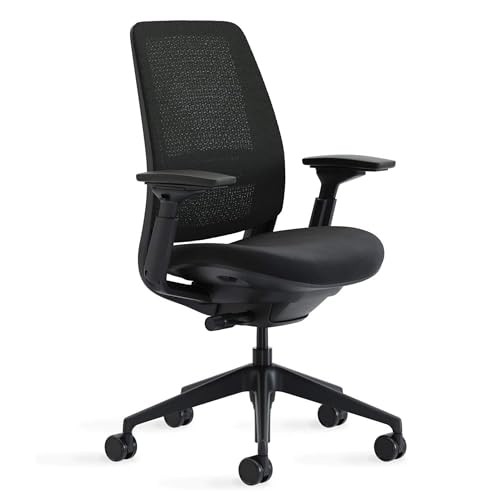
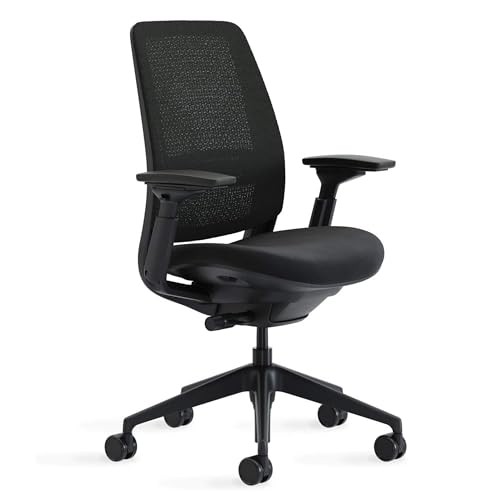
Steelcase Series 2
The direct step-up. A deeper seat, more back adjustment, and an air-pocket lumbar system that suits taller and larger owners the Series 1 seat runs small for. Worth the extra outlay if fit is your sticking point rather than budget.
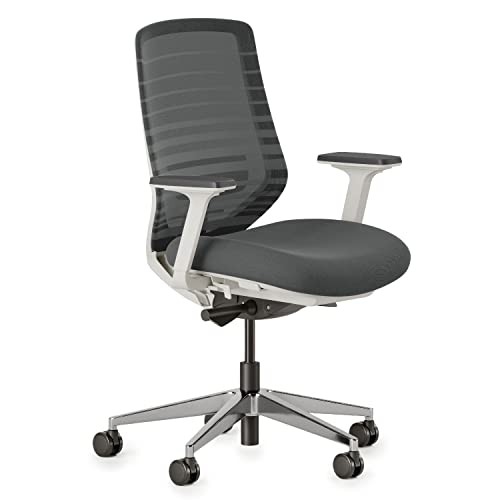
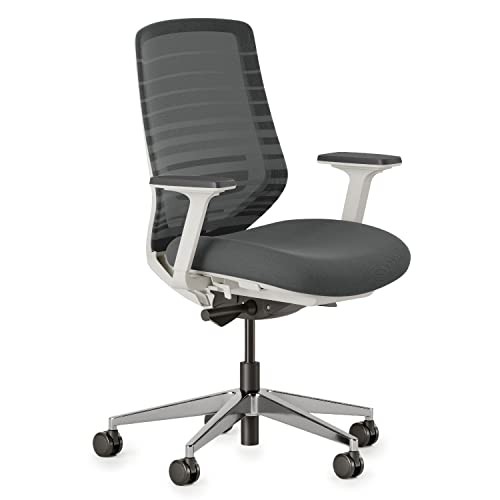
Branch Ergonomic Chair
The budget cross-shop. Fewer contract-grade credentials and a shorter warranty than the Steelcase, but well-reviewed adjustment and a lower price. Choose it if you want solid ergonomics and the Steelcase name is the only thing pushing you over budget.
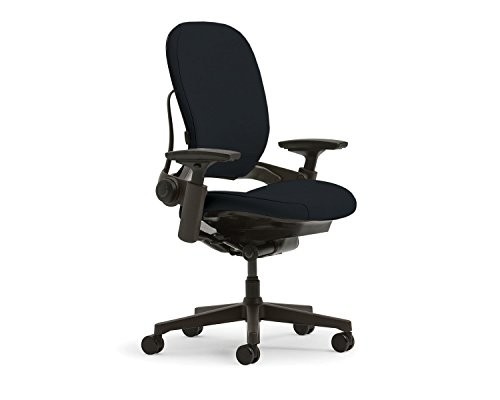
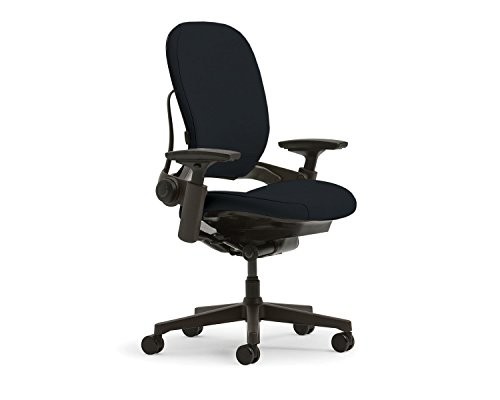
Steelcase Leap V2
The gold-standard step-up, at gold-standard money. Deeper adjustment, plusher materials, and the LiveBack system in full. Worth it only if you sit all day and want the most chair Steelcase makes rather than the smartest value it makes.
You Might Also Need
Accessories worth grabbing alongside your purchase
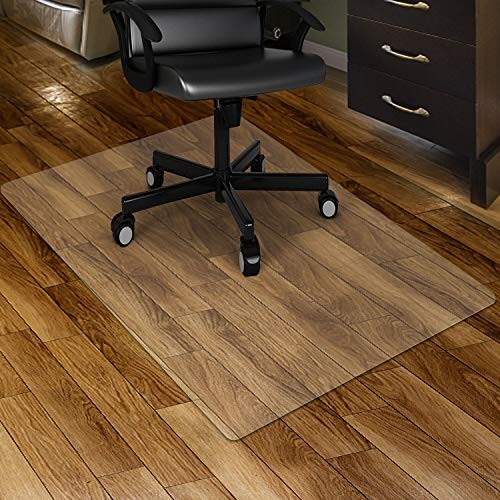
Clear Chair Mat for Hard Floors
A hard-floor mat so the casters roll cleanly and do not dent or scuff hardwood over years of pushing back from the desk. A cheap buy that protects a floor worth far more than the mat.
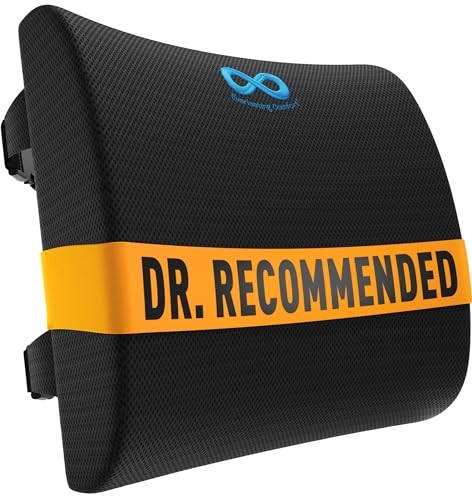
Everlasting Comfort Lumbar Pillow
An add-on lumbar cushion for owners who want more low-back push than the built-in support gives, or who sit long enough that a little extra contour matters. An easy fix for the firmer-seat complaint that comes up most.