Sabai
Sabai Essential Sofa Review: Sustainable Build + Our Honest Verdict
By Daniel Reyes · Updated September 2026
Independent editorial review. We never accept payment for coverage, though we may earn a commission if you purchase through our links.
Verdict
Most Sabai reviews skip this part: independent, long-term owner discussion of the Essential Sofa is limited. It barely surfaces in the community forums where owners usually compare notes, and the large body of glowing Sabai coverage online is overwhelmingly affiliate-driven, published by sites that earn a commission on the sale and skew positive as a result. That does not make the sofa bad. It means the loudest praise should be weighted accordingly. What is verifiable stands on its own: the certified sustainable materials, the modular design, and the Repair Don't Replace program are real and unusual at this price. The recurring watch points across the more candid reviews are the plywood (not hardwood) frame and back cushions that can shift and need the occasional fluff, a common trait in this sofa category. As genuine owner reports accumulate, this section will be updated to reflect them.
Read full take ↓Similar sofas
Quick Take
Value here asks you to price in your principles. FSC-certified plywood, CertiPUR-US high-resiliency foam without added flame retardants or formaldehyde, PFAS-free fabrics, and parts you can order and replace yourself. A comparable sofa without the credentials costs less, so buy it if serviceability and materials sourcing are the point.
Sustainability you can verify, and a sofa you can repair
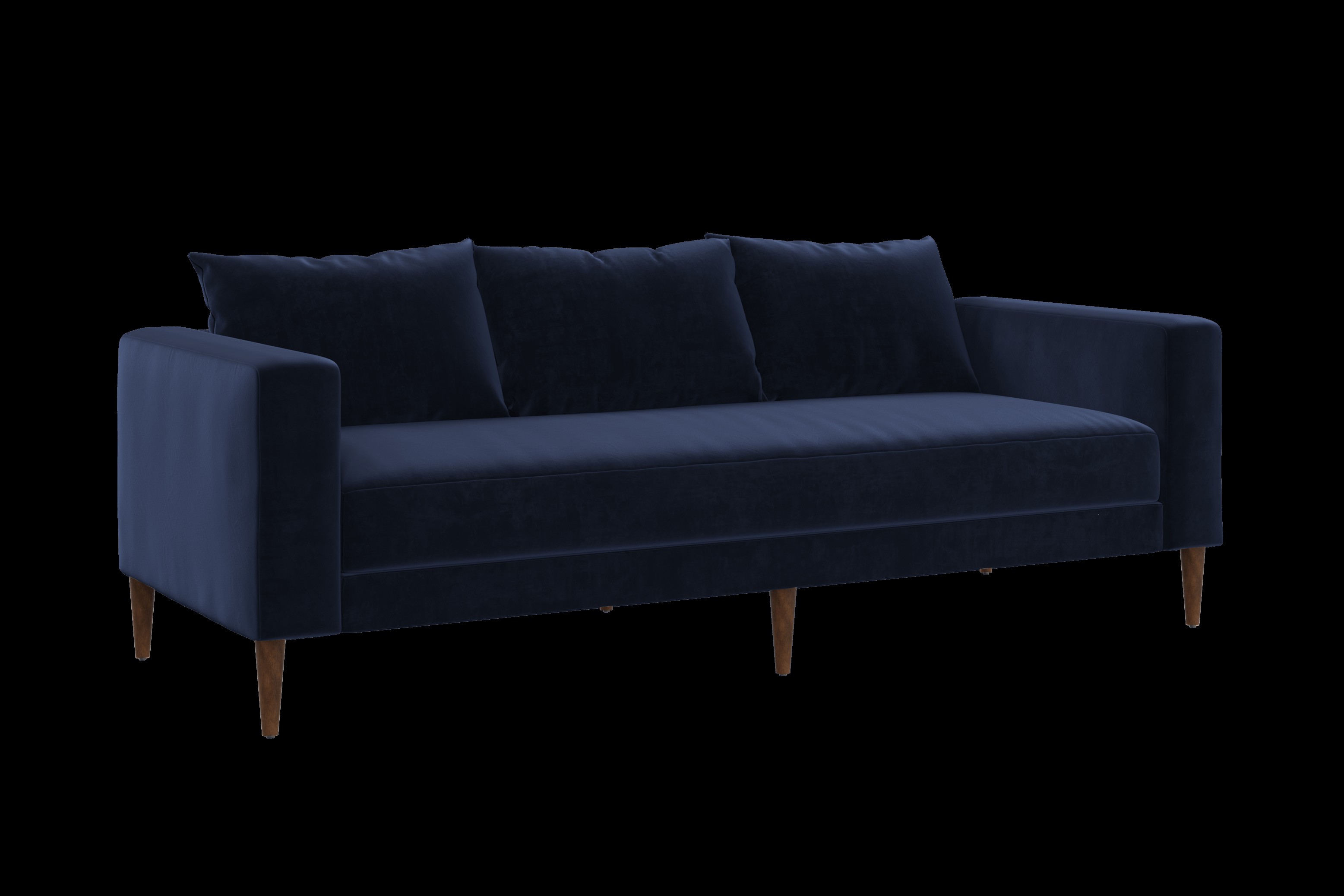
Sabai built its name on a simple pitch: a genuinely sustainable sofa you repair instead of replace. The Essential Sofa is the flagship. It is a compact, midcentury-inspired modular piece running roughly $1,595 to $1,875 depending on fabric, built on FSC-certified plywood frames with CertiPUR-US certified high-resiliency foam (no added flame retardants or formaldehyde) and PFAS-free upholstery. The fabrics lean into the eco story, from recycled velvet and upcycled poly to cactus leather, and the Repair Don't Replace program lets you buy individual components, covers, legs, cushions, instead of throwing the whole thing out.
Repairability is what separates it. Most sofas at this price hide a build you cannot service; Sabai sells you the parts. The tradeoff: the frame is plywood rather than solid hardwood, and the sofa carries a clear sustainability premium over similar-looking pieces. Whether that premium pays off depends on how much the materials story matters to you. What follows is our editorial verdict, scored across build, style, and value from the verified spec sheet. One honesty note up front, and the community section below says the same: independent long-term owner discussion of the Essential Sofa is genuinely limited, and most of the glowing Sabai coverage online is affiliate-driven. We flag that rather than paper over it.
What Sabai is selling
Most sofas in this price band sell on looks and delivery speed. Sabai sells the opposite: the sofa is repairable, you can name what is inside it, and the parts you will eventually wear out can be replaced rather than thrown away. The Essential is the sofa that argument is built around.
That changes what you are comparing. Against a similarly priced sofa from a conventional brand, the Essential is not trying to win on plushness or on the number of configurations. It is trying to win in year five, when a cushion cover is stained or a leg is scuffed, and the question is whether that means a repair or a replacement.
The materials, and what the certifications cover
Sabai publishes its material list, which is more than most brands in this range do. The frame is FSC-certified plywood, the foam is CertiPUR-US certified high resiliency foam made without flame retardants or formaldehyde, and the fabrics are PFAS-free. The recycled velvet is verified to the Global Recycled Standard 4.0 and OEKO-TEX certified.
Those are worth decoding rather than nodding at. CertiPUR-US governs what is not in the foam, which is the part buyers with kids or chemical sensitivities care about. FSC certification covers where the plywood came from. Global Recycled Standard 4.0 verifies that the recycled content claim on the velvet is real rather than marketing. PFAS-free matters because stain-resistant treatments are the usual place those chemicals hide in upholstery. None of this makes the sofa more comfortable. What it does is make the claims checkable, which is a different and rarer thing.
Made in the US, and why that shows up in the price
Sabai's upholstered furniture is made in the United States with family-owned manufacturing partners in North Carolina and Tennessee. That is the single biggest reason an Essential costs what it costs next to a container-shipped sofa with the same silhouette.
The practical upside is not patriotism, it is the supply chain for parts. Domestic manufacturing is what makes the replacement-parts promise credible: covers, legs, and cushion inserts can be reordered years later because the line making them is still reachable. A sofa whose factory is a shipping container away tends to lose its parts catalog the moment the model is retired. The tradeoff is lead time and price. This is not the sofa you buy when you need seating on Saturday.
Bench cushion or individual cushions
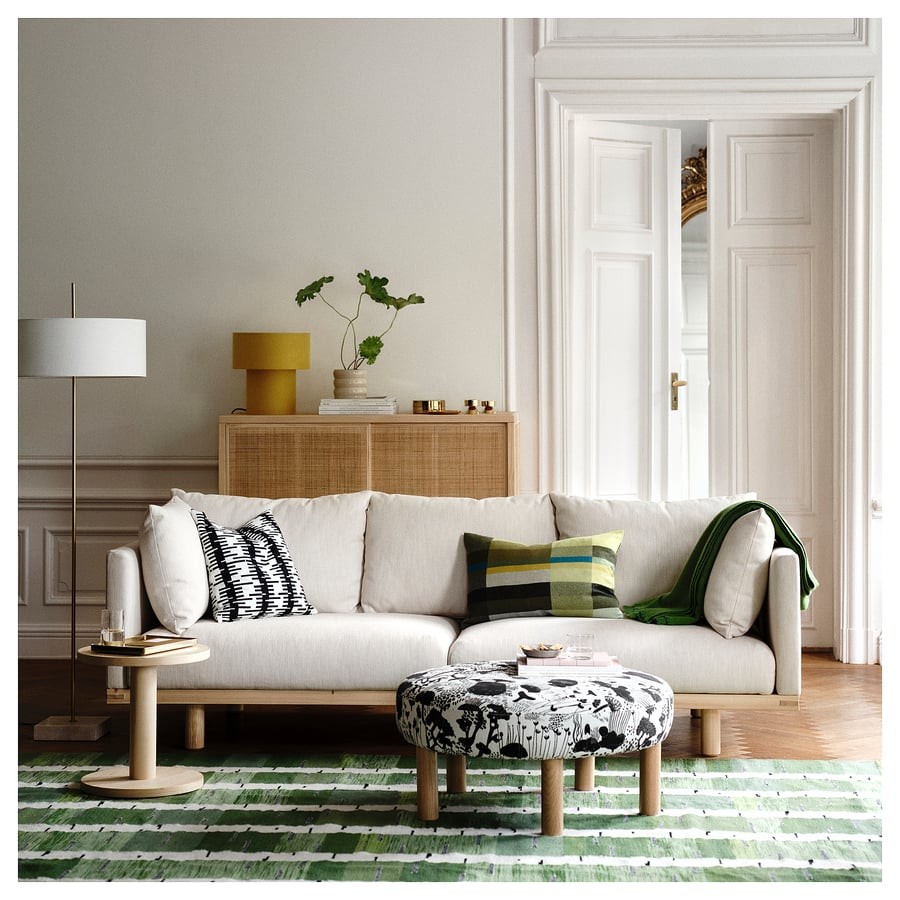
The Essential ships in two seat configurations, a single bench cushion or individual cushions, and in four leg options including natural, dark brown, metal, and cylinder. That decision matters more than the color. A bench cushion reads cleaner and gives you an uninterrupted surface, which suits lounging and looks less busy in a small room. Individual cushions break up the seat visually, are easier to rotate evenly, and let you replace one cover instead of the whole span if something goes wrong. Given the sofa's entire argument is repairability, the individual-cushion configuration leans into its own thesis. Covers are washable, which is the feature owners of light-colored upholstery end up caring about most.
The value question
As configured the Essential lands around $1,745, with the loveseat sectional at $1,895. That is real money, and it is the number where the sustainability pitch has to convert into something practical.
The case for it: you are paying for US manufacturing, a published and certified material list, and a parts pipeline that turns a stain or a scuffed leg into a $60 problem rather than a $1,700 one. Spread across the eight to ten years a well-made frame should last, that math works if you use the replacement parts. The case against: if you do not care about the certifications, and you plan to replace the sofa when your taste changes rather than when it breaks, you are paying a premium for a promise you will never redeem. A conventional sofa at this price will feel similar on day one, and the difference only shows up later.
Who should buy it, and who should not
The Essential justifies itself if the material list is the reason you are shopping: if flame retardants and PFAS are a dealbreaker, if you want to know where the wood came from, or if you want a sofa you can maintain instead of replace. It's for you if you keep furniture until it wears out rather than until you are bored of it.
Look elsewhere if you want maximum plushness per dollar, if you need it delivered quickly, or if you are furnishing a short-term apartment where a sofa's tenth year is somebody else's problem. And look elsewhere if you want a deep, sink-in lounge sofa, which is not what this silhouette is built for. It is a sofa with a specific argument, and it is worth the money only to the buyer who agrees with the argument.
Our Ratings
Overall score
What you can service is what defines this build. The frame is FSC-certified plywood with CertiPUR-US high-resiliency foam made without added flame retardants or formaldehyde, wrapped in PFAS-free fabrics, cleaner than most sofas at this price disclose. The standout is the Repair Don't Replace program: covers, cushions, and legs sell individually. Two caveats: plywood isn't solid hardwood, and long-term durability data is thin.
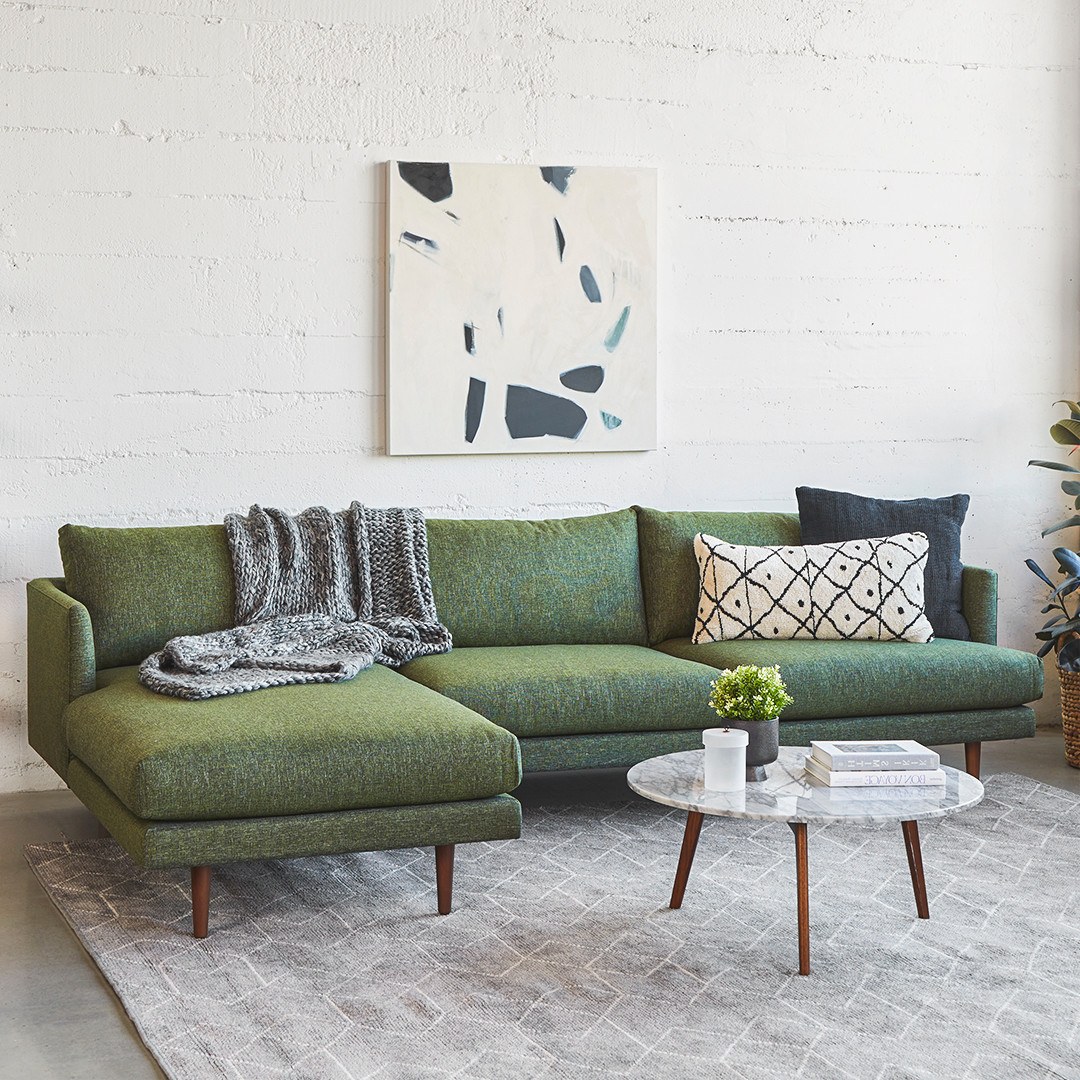
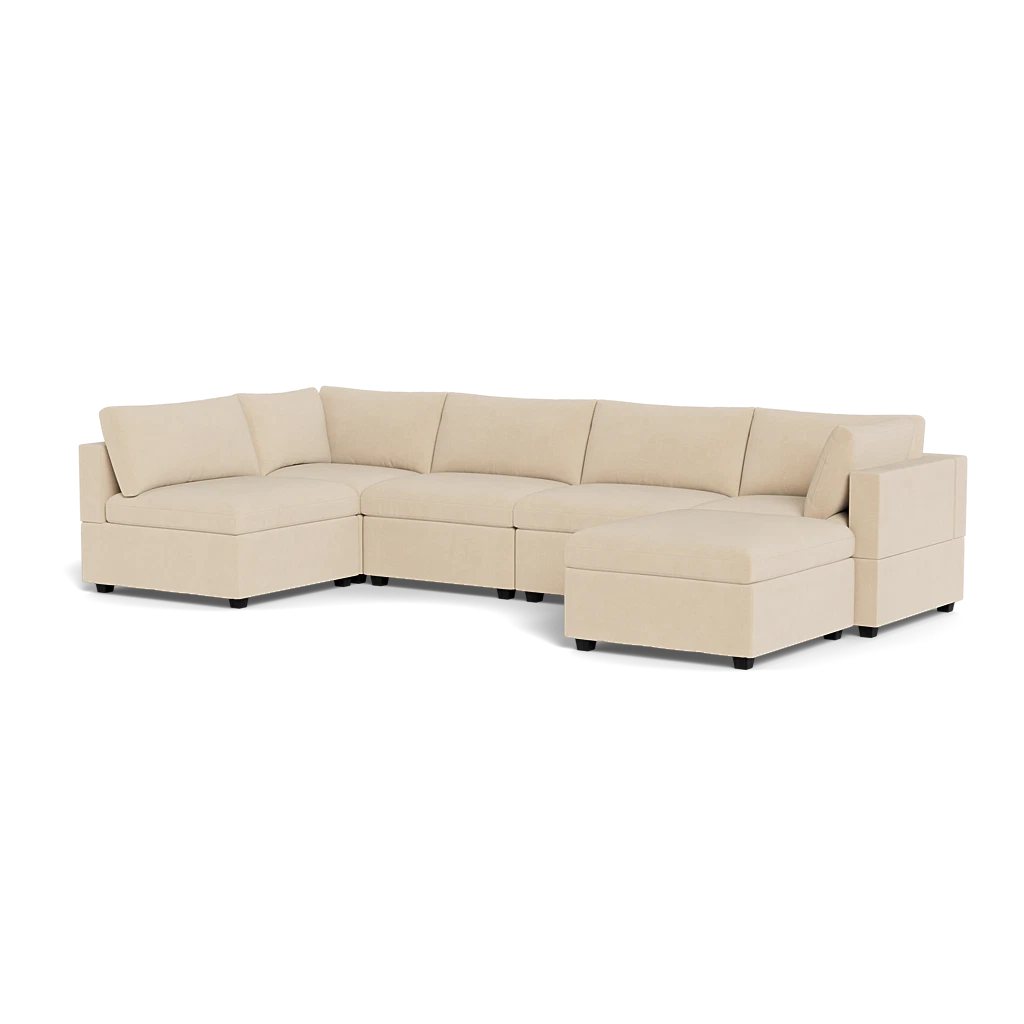
Style is the Essential's easiest win: a clean, compact, midcentury-inspired silhouette with tailored proportions that suit apartments rather than sprawling rooms. It's modular, scaling from a loveseat to a sectional and reconfiguring when you move. The fabric range is wide and on-brand, recycled velvet, upcycled poly, and cactus leather, in a palette built to photograph well and age gracefully.
Value here asks you to price in your principles. At roughly $1,595 to $1,875 the Essential sits in the mid-premium tier, and a comparable sofa without the credentials costs less. The premium buys FSC and CertiPUR-US materials, PFAS-free fabrics, modularity, and the Repair Don't Replace program that extends its usable life. If sustainability is a real priority the value holds; shopping on looks alone, you can get the aesthetic for less.
Frequently asked questions
Is the Sabai Essential Sofa worth it?
Value here asks you to price in your principles. FSC-certified plywood, CertiPUR-US high-resiliency foam without added flame retardants or formaldehyde, PFAS-free fabrics, and parts you can order and replace yourself. A comparable sofa without the credentials costs less, so buy it if serviceability and materials sourcing are the point.
How is the Sabai Essential Sofa built?
What you can service is what defines this build. The frame is FSC-certified plywood with CertiPUR-US high-resiliency foam made without added flame retardants or formaldehyde, wrapped in PFAS-free fabrics, cleaner than most sofas at this price disclose. The standout is the Repair Don't Replace program: covers, cushions, and legs sell individually.
What styles does the Sabai Essential Sofa work with?
Style is the Essential's easiest win: a clean, compact, midcentury-inspired silhouette with tailored proportions that suit apartments rather than sprawling rooms. It's modular, scaling from a loveseat to a sectional and reconfiguring when you move. The fabric range is wide and on-brand, recycled velvet, upcycled poly, and cactus leather, in a palette built to photograph well and age gracefully.
Options Worth Checking Out
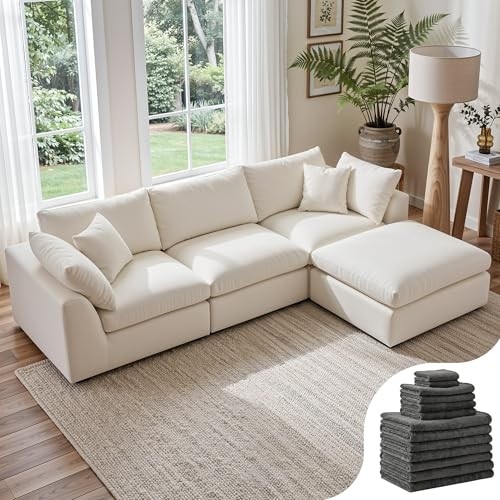
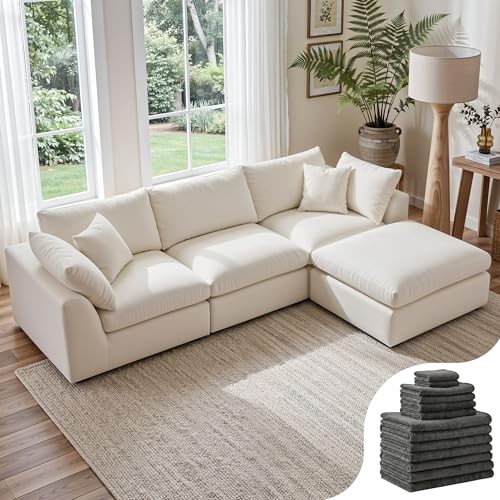
Amsleekey 108" Cloud Sectional Couch with 2 Washable Cover Sets
A modular sectional with washable, removable covers at roughly a third of the Essential Sofa price. It echoes Sabai serviceable, cover-off appeal on a budget, without the certified-sustainable materials or the repair program.
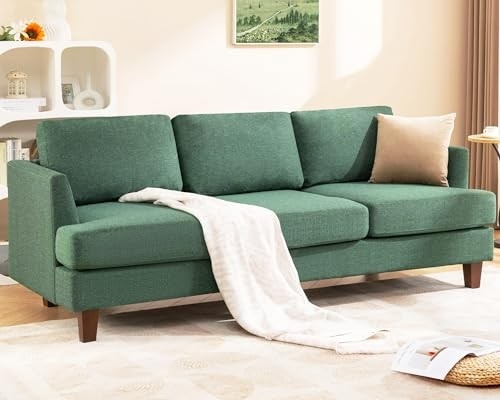
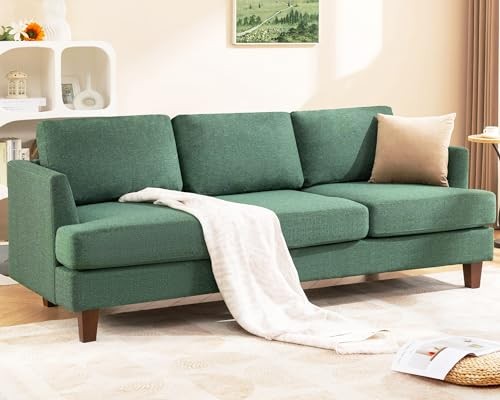
Busaurus 3 Seater Sofa Couch with Deep Seats, 89" Mid Century Modern Upholstered Sofa with Armrests, Comfy Couches for Living Room, Bedroom, Apartment and Office (Green)
A budget midcentury three-seater that hits a similar compact, tailored look for far less. It trades Sabai's sustainable materials and modularity for a fixed frame and simpler build, but it is the honest value pick if you are drawn to the style more than the story.
You Might Also Need
Accessories worth grabbing alongside your purchase
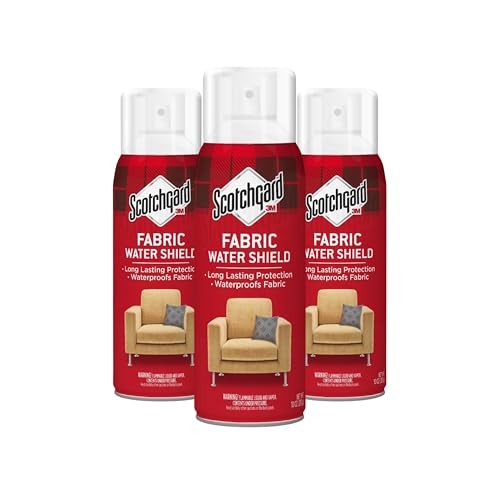
Scotchgard Fabric & Upholstery Protector, 3-Pack (10 oz Cans) – Repels Liquids & Blocks Stains – Long-Lasting Fabric Shield for Furniture, Clothing, and More – Easy Spray, Dries Clear
The Essential Sofa covers are removable and washable, but a fabric protector buys time against spills between washes. A light coat on a new sofa keeps everyday marks from setting into the pile, which matters most on lighter recycled-velvet colorways.
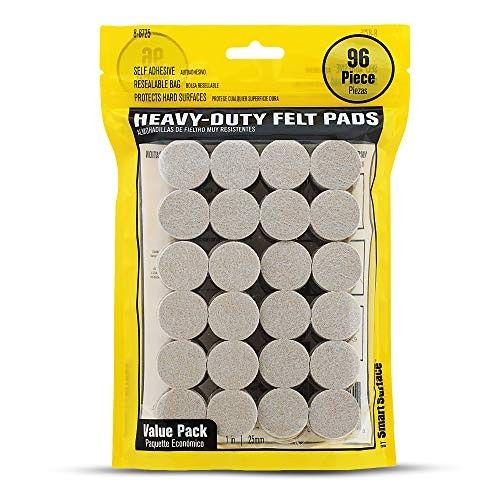
Smart Surface 8725 Heavy Duty Self Adhesive Furniture Felt Pads 1-Inch Round Oatmeal 96-Piece Value Pack in Resealable Bag
Sabai's wood legs meet the floor directly. Stick-on felt pads protect hardwood from scratches and let the sofa slide out for cleaning, a two-dollar accessory that saves the floor under a $1,700 sofa and takes two minutes to apply.