Pottery Barn
Pottery Barn Irving Chair Review: Genuine Luxury Construction at a Steep Price
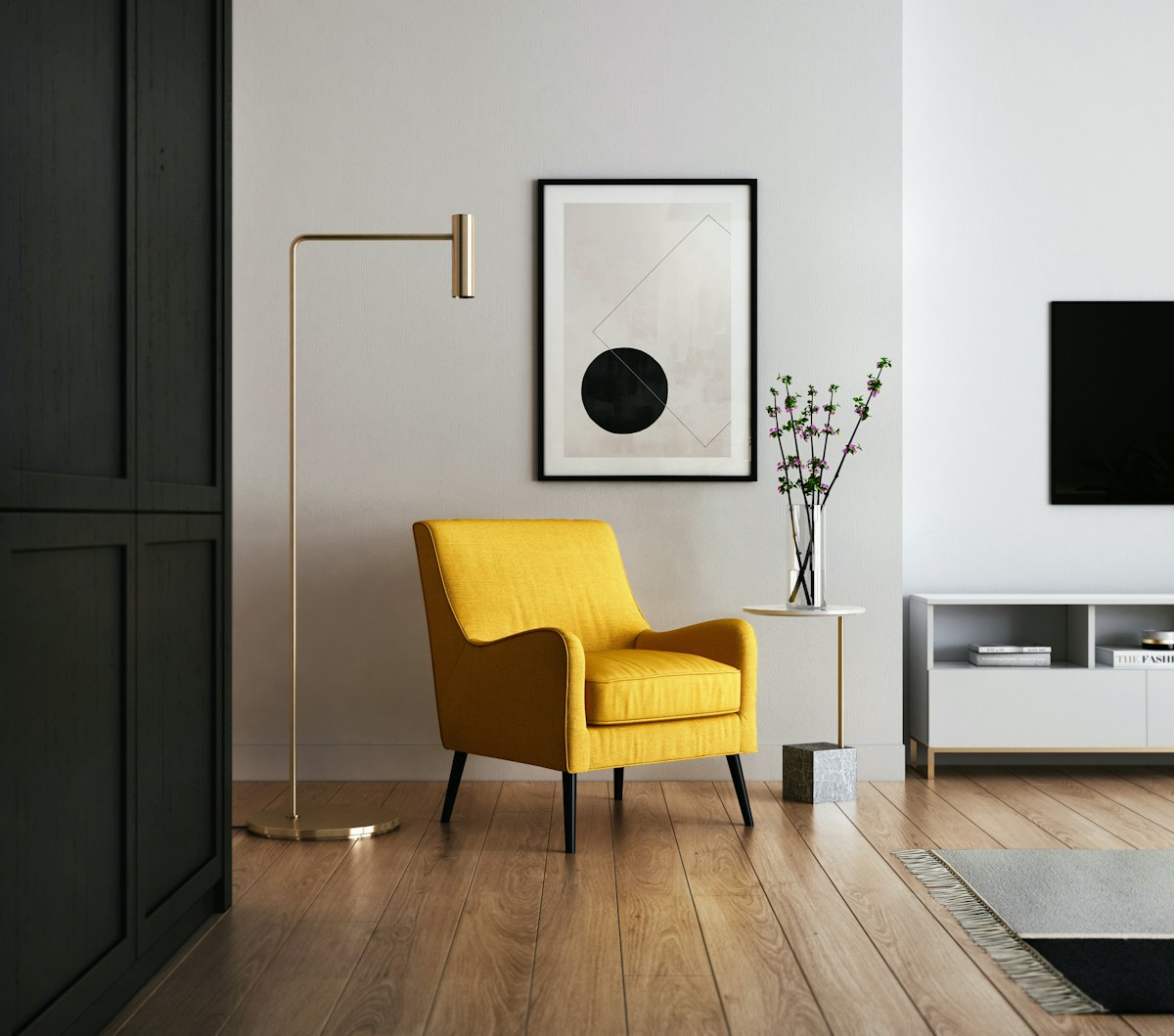
The Pottery Barn Irving and the Case for Leather Construction
The Pottery Barn Irving Chair occupies a specific position in the living room furniture market: a genuine leather accent chair with legitimate luxury construction at the lower end of the price range where genuine leather chairs are available. At $999 to $1,599 depending on leather grade and configuration, it is expensive but not inaccessible, and the construction story is real.
Top-grain leather is the second-highest grade of leather, below full-grain and above corrected-grain, split leather, and bonded leather. It has been lightly sanded to remove natural blemishes, which makes it more uniform in appearance than full-grain but still carries the natural grain structure and durability properties of genuine leather. It breathes like leather, develops a patina like leather, and ages like leather. Bonded or split-grain alternatives do not do any of these things and cannot replicate the material experience of a top-grain product over time.
The Irving also uses 8-way hand-tied spring construction — the same spring system that defines genuine luxury seating. Combined with kiln-dried hardwood framing, the Irving is built to last significantly longer than the typical accessible-tier accent chair. For buyers who want to buy once and not think about replacing the chair for a decade or more, this construction profile supports that aspiration.
Who This Chair Is For
The Irving is the right chair for buyers who want a leather accent chair that will age well and look better in five years than it does today. Top-grain leather develops a patina with use — the surface softens, the color deepens in handled areas, and the chair acquires a character that brand-new leather does not have. Buyers who appreciate this quality in leather goods will find it rewarding in a leather chair.
It is also the chair for buyers who want classic proportions without a period-specific aesthetic. The Irving is club chair-adjacent — generous seat, supportive back, substantial arm height — but updated with cleaner lines that do not require a traditional or masculine room context. In a contemporary living room with a minimalist sofa and neutral palette, the Irving reads as a considered material choice rather than a period piece.
Irving vs. Article Sven: Construction Comparison
Both the Irving and the Article Sven use 8-way hand-tied spring construction. This is the baseline luxury spring specification, and both chairs clear it. Where they differ: the Irving uses top-grain leather, the Sven uses fabric upholstery. Leather has different maintenance requirements and aging properties, and for buyers who specifically want leather, the comparison ends there. For buyers who are fabric-flexible, the Sven delivers the same fundamental spring construction at roughly half the price.
The frame material quality at Pottery Barn is typically strong. Kiln-dried hardwood with reinforced corner blocking is the standard for Pottery Barn upholstered furniture. The Irving frame is built to handle the weight and wear of a leather accent chair used daily over many years. The construction materials are genuinely good at this tier.
The Pottery Barn Brand Premium
Pottery Barn as a brand charges a meaningful premium over what the construction materials alone would justify. You are paying for showrooms, for catalog production, for the service infrastructure that handles returns and replacements, and for the brand assurance that comes with a national retailer. These elements have real value to some buyers and are irrelevant cost to others.
At DTC leather furniture brands, comparable construction in genuine leather would cost $600 to $1,000. The Pottery Barn premium over DTC adds $400 to $600 to that baseline. Whether this premium is worth it depends on how much the non-construction brand elements matter to the buyer. The construction itself is not overpriced for what it is. The brand premium on top is the variable.
Room Placement and Styling
The Irving works in rooms with any palette because natural leather is neutral across its available grades. The warm honey tone of natural tan leather anchors rooms with warm wood tones. The darker espresso grades work in more monochromatic contemporary settings. Leather chairs also require less coordination with upholstered furniture than fabric chairs because leather is a material rather than a pattern.
The Irving proportions are traditional enough to work in formal rooms and relaxed enough for casual living rooms. Pair it with a side table, a quality reading lamp, and a small tray for a drink and book, and the Irving becomes a proper reading chair that serves a household for years. The 8-way hand-tied spring construction makes it comfortable enough for extended single-chair use, which most accent chairs cannot claim.
Leather Grade, Spring System, and Frame Construction
The Pottery Barn Irving uses kiln-dried hardwood framing with corner-blocked joints for structural rigidity. The 8-way hand-tied spring seat system ties each coil spring to the frame at eight contact points, creating even weight distribution and long-term seat resilience. The upholstery is top-grain leather, the second-highest leather grade. Top-grain leather has been lightly sanded to remove natural blemishes and is then treated with a protective finish coat.
Leather Maintenance
Top-grain leather requires periodic conditioning to prevent drying and cracking. A leather conditioner applied every six to twelve months keeps the leather supple and prevents surface cracking over time. Clean spills promptly with a slightly damp cloth and allow to air dry. Do not use harsh cleaners, saddle soap, or anything oil-based unless specifically recommended for finished leather. The protective finish on top-grain leather provides more stain resistance than unfinished full-grain, but it is not impervious to oils and dyes.
Cushion Construction
The seat and back cushions use a foam core wrapped in fiber batting, then covered in top-grain leather. The foam core maintains cushion shape over time. The fiber batting jacket provides a softer initial feel. The cushion covers are not typically removable on the Irving; the leather is cut and sewn directly onto the cushion form. Professional leather cleaning is recommended for significant soiling beyond surface wiping.
Our Ratings
Overall score
Kiln-dried hardwood frame, 8-way hand-tied springs, top-grain leather — genuinely excellent construction that justifies premium positioning. The 8-way hand-tied spring system is benchmark luxury chair construction. The top-grain leather upholstery is durable, ages gracefully, and distinguishes the Irving from chairs using bonded or split-grain leather at lower price points.
Classic club chair proportions updated with cleaner lines — sits in the sweet spot between traditional and contemporary. The Irving is neither aggressively modern nor period-specific. It reads as timeless in the way that well-proportioned traditional forms do when executed without superfluous ornament.
Expensive even for this construction tier; the PB brand premium is real but so is the build quality. At $999 to $1,599 you are paying for construction quality that is objectively present, but also for Pottery Barn brand positioning and retail infrastructure that add cost without adding function. The same construction at a DTC brand would cost meaningfully less.
What People Are Saying
The Pottery Barn Irving receives strong reviews for leather quality and construction durability, with particular appreciation for how the leather ages over years of use. The most consistent criticism is the price premium over DTC alternatives with comparable construction. Buyers who have had the chair for three or more years frequently report that it looks better than it did new, which is a characteristic of quality leather furniture.
What Reddit Is Saying
“The Irving leather has developed a beautiful patina over three years of regular use. The handled areas have softened and the color has deepened in the way quality leather does. This is the correct outcome for top-grain leather and it looks significantly better than it did new.”View thread →
“The 8-way spring construction makes this the most comfortable accent chair I have sat in. Reading in it for two to three hours is genuinely comfortable. Most accent chairs cannot say that. The springs justify the price on their own for daily-use seating.”View thread →
“Top-grain leather with 8-way hand-tied springs is a buy-it-for-life combination if you maintain the leather properly. The Irving construction is exactly right for this category. Expensive but correct for the category.”View thread →
“The Irving is what a club chair looks like when you clean up the silhouette for a contemporary room. It keeps the proportional comfort of a traditional club chair without the dark wood and brass tack details that make most club chairs period-specific.”View thread →
“Five years in and the frame is solid, the springs feel the same, and the leather looks better than new. This is the outcome you buy top-grain leather for. No regrets on the price at this point in the ownership.”View thread →
“The construction is excellent. The price includes a meaningful Pottery Barn brand premium on top of that construction. I bought it knowing both were true and I do not regret it. Just be clear-eyed about what you are paying for.”View thread →
“You do need to condition the leather once or twice a year. It takes ten minutes and costs almost nothing. Buyers who do not want any leather maintenance should buy fabric. For everyone else the maintenance is minimal for what you get.”View thread →
“I found similar leather chair construction at a DTC brand for $700 less. The Pottery Barn showroom and service infrastructure were worth something to me but not $700 worth. The DTC is where I ended up. Know your priorities.”View thread →
What Others Are Saying
“The Pottery Barn Irving is one of the few accessible leather chairs with construction that genuinely supports long-term ownership. The top-grain leather and 8-way spring system create a chair that ages into value rather than degrading from day one.”Source →
“For buyers who specifically want leather upholstery with premium spring construction, the Pottery Barn Irving is the most consistently recommended option at its price tier. Comparable DTC alternatives exist at lower cost for buyers willing to forgo the Pottery Barn showroom experience.”Source →
“Pottery Barn leather furniture holds resale value better than upholstered alternatives because top-grain leather is a recognized quality signal. The Irving in good condition retains meaningful value on the secondary market.”Source →
“The Irving proportions work in both traditional and contemporary rooms because the silhouette is balanced between classical club chair form and contemporary clean-line editing. It is a flexible piece for buyers who may move or redecorate over the life of the chair.”Source →
“Pottery Barn showroom access lets buyers test the Irving sitting comfort, confirm leather grade and color in person, and assess scale relative to the room before committing at this price tier. For a $1,200 purchase, this is a meaningful advantage over online-only alternatives.”Source →
“Top-grain leather requires periodic conditioning to maintain its suppleness. This maintenance is minimal — twice yearly with a quality leather conditioner — and produces a chair that ages into a significantly richer appearance than it has when new.”Source →
“The Irving sits at the lower end of the genuine luxury leather chair market. The construction quality earns its position there. Buyers at this tier should compare against the DTC leather chair market before committing to the Pottery Barn retail premium.”Source →
“Bonded leather alternatives at lower price points will not age the same way as the top-grain leather on the Irving. Buyers choosing between genuine leather at a higher price and bonded leather at a lower price should understand that these are different materials with different long-term outcomes.”Source →