Nectar
Nectar Classic Hybrid Reviews: Real Owner Reports + Our Verdict
By Erin Mitchell · Updated September 2026
Independent editorial review. We never accept payment for coverage, though we may earn a commission if you purchase through our links.
Verdict
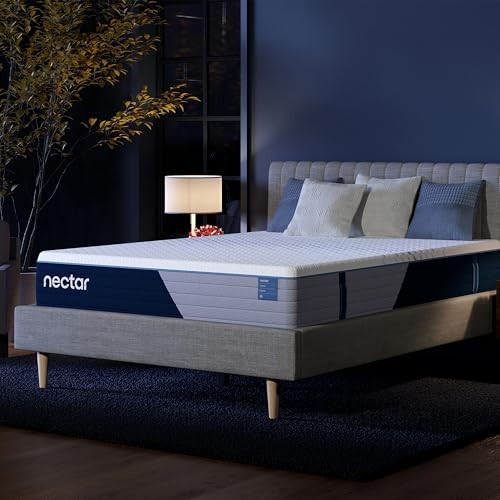
Owner sentiment on the Nectar splits cleanly, and it's more useful to name the split than to average it. The happy group is genuinely happy and genuinely long term: owners at four, five and six years describing zero sagging, firm edges and, in one case, a bed they expect to keep for life. They tend to mention comfort holding up rather than the bed merely surviving. The unhappy group is equally specific and clusters tightly around one failure mode, a body impression forming in the first one to two years, deep enough to roll into. That group also reports friction when trying to claim the warranty. Almost nobody complains about the initial feel, and almost nobody praises the cooling. Read the reports as a whole and the picture is a comfortable bed at a fair price with real variance in how it ages, and a return window generous enough that the risk is mostly yours to manage.
Read full take ↓Similar mattresses
Quick Take
The coils are the reason to choose this over the all-foam Nectar: they hold the middle of the bed up where foam alone sags. The comfort layer is still memory foam, so body impressions remain the thing to watch. The 365-night trial covers the first year or two, which is exactly when impressions would appear.
A mattress with two very different reputations
Nectar built its name on an all-foam mattress sold direct at a price that undercut the showroom, backed by a trial period long enough to cover a full year of seasons. The Classic Hybrid is the version that adds a coil unit under the foam, which changes the support story and, according to owners, changes how the bed ages.
That aging question is the whole review, and it's why this bed carries two reputations. Search owner reports and you find two groups that barely seem to be describing the same product. One has slept on a Nectar for four, five, six years and reports no sagging at all. The other developed a body impression deep enough to roll into inside the first year. Both groups are real, and both are well represented.
What follows is our editorial verdict, scored across build, feel, and value, grounded in what owners report after months and years of nightly use rather than a week on a showroom floor.
What the Classic Hybrid is, and how it differs from the all-foam Nectar
Nectar sells more than one bed under a similar name, and owner reports mix them together constantly, so separate them before reading any review, this one included. The original Nectar is all foam. The Classic Hybrid adds a coil support unit underneath the foam comfort layers. Several of the most enthusiastic long-term reports, including owners at four and six years, are describing the all-foam version, because that's the bed that's been on the market longest.
That matters, because the two age differently. Coils resist the slow compression that leaves foam with a permanent dip, so in principle the hybrid should hold its middle better. Owners who've slept on both tend to say the hybrid has more support. Don't read a six-year zero-sagging report about an all-foam Nectar as a promise about the hybrid, or a hybrid complaint as an indictment of the whole line.
Shopping the line, the practical ladder runs from the all-foam Classic at the bottom, to the Classic Hybrid, to the Premier and Premier Hybrid above it with thicker comfort layers.
Six good years, or a sink hole in one
The most striking thing about Nectar owner reports is how little middle ground there is. On one side, an owner who bought in 2019 says the bed is still just as comfortable, zero sagging, edges still firm in place. Another, six years in, calls it the best bed they have ever had with no sagging or lumps, and expects it to be their bed for life. A third slept on theirs for four years and is replacing it only because they're moving up to a king.
On the other side, an owner reports a sink hole where they sleep within a year, deep enough to feel the incline when they move to the other side of the bed. Another, two years in, reports the bed sank roughly an inch and a half.
Both sets of reports are credible and detailed. The useful question isn't who's right but what separates them. The likeliest variables are sleeper weight, whether one side of the bed carries most of the load night after night, and the base underneath. Foam beds need continuous, well-supported bases, and wide-slat frames are a recurring detail in the failure stories. None of that guarantees anything either way, which is why the trial period matters so much on this particular mattress.
Body impressions, and what a warranty claim involves
Body impressions are the failure mode to understand here. They're what the unhappy owners describe, and they're also the hardest thing to claim against. A mattress warranty typically covers sagging past a stated depth measured with no weight on the bed, and the burden of demonstrating it sits with the owner.
Owners say that's where the process slows down. One owner two years in said they could try to prove the bed had sunk an inch and a half, but that owners they had seen with a Nectar past the two year mark described a runaround when claiming a replacement, so they cut their losses instead. Another owner returning a hybrid at eleven months noted being asked whether the mattress had stains or rips.
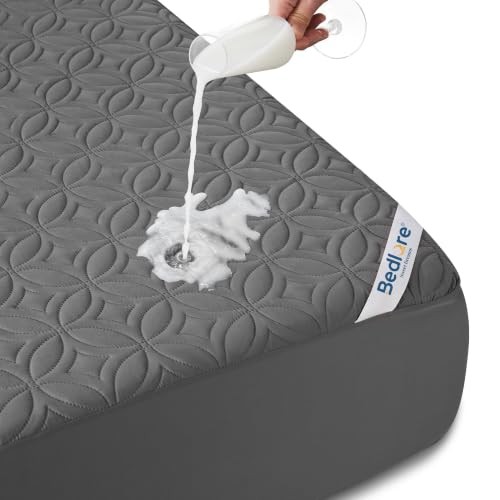
Act on that last detail rather than resenting it. Condition clauses are standard across the mattress industry, and a visibly stained mattress hands any manufacturer an easy reason to decline. A waterproof protector from day one costs a fraction of the mattress and removes that argument entirely. It's the single cheapest thing you can do to protect a claim you may never need to make.
Sleeping hot, and what cooling means on a memory foam bed
Memory foam holds heat. That's a property of the material, not a defect in any particular bed, and every manufacturer in the category sells some version of a cooling treatment to offset it. Nectar is no exception, and neither is the gap between the claim and the experience.
An owner of the cooling model was direct about it: flat out, there was no cooling to be seen, and they allowed only that it might be cooler relative to other Nectar models. That's the right way to hold any cooling claim on a foam bed, as a relative improvement within a warm category rather than a cool sleeping surface.
The hybrid construction helps here more than the marketing does. Coils leave air space that solid foam doesn't, so a hybrid generally sleeps cooler than an all-foam bed of similar thickness. If you sleep genuinely hot, that structural difference is a better reason to choose the hybrid than any cooling cover.
The 365-night trial is the safety net
Most mattress trials run a few months, long enough to learn whether you like the feel and not long enough to learn how the bed ages. Nectar's runs a full year, and one long-term owner raised it unprompted as the thing that made buying online reasonable in the first place, noting that for every mattress on the market there will be people who did not like it, which is why return policies matter.
On this bed specifically, the length of that window lines up almost exactly with the risk. The body-impression complaints cluster in the first twelve to twenty-four months, and the earliest of them fall inside the trial. That's a meaningfully better position than a ninety-day trial would leave you in.
Use it deliberately. Put a protector on it immediately, then check the bed at the six and ten month marks rather than waiting to notice a problem. Lie on it with the sheets off and look across the surface for a dip. If one is forming, act while returning it is still a decision you get to make on your own.
Who should buy it, and who should not
The Classic Hybrid wins if you want memory foam contouring with more support than an all-foam bed, at a price well under a showroom hybrid, and you're the kind of buyer who'll use a trial period rather than let it lapse. Owners with specific back needs are among its strongest advocates, and the initial comfort is the least disputed thing about it.
Look elsewhere if you dislike sinking into a bed, because the coils change the support but not the memory foam feel above them. Look elsewhere if you sleep very hot and expect a cooling cover to fix it. And think hard if you're heavier, sleep in one fixed spot every night, or plan to put it on a wide-slat frame, since those are the conditions that show up most often in the reports of early sagging.
The fairest summary: a comfortable, fairly priced bed with genuine variance in how it ages, sold with a return window long enough to cover most of that risk. Whether that's a good deal depends almost entirely on whether you use the window.
Our Ratings
Overall score
Memory foam comfort layers sit over a coil support unit the all-foam Nectar lacks, and the coils hold the middle of the bed up where foam alone sags. The comfort layer is still memory foam, so body impressions are the recurring complaint: reports run from a sink hole inside a year to zero sagging at five and six years. That variance tracks sleeper weight, position, and especially the base, since wide-slat frames recur in the failure stories.
Sold as medium firm, the memory foam contours hips and shoulders rather than pushing back, making it a favorite among owners with back needs; one with spinal stenosis calls it the only bed they can sleep on their back without pain. Edge support draws consistent praise. Two caveats: you sleep in this bed rather than on it, so the coils won't cure the sinking feel, and the cooling is oversold, at best cooler relative to other Nectar models.
The typical queen price sits well under a comparable showroom hybrid, but the stronger part of the value case is the 365-night trial, which covers the first one to two years when body impressions would show. Past that window, owners report sagging claims turn into a runaround, with questions about stains or rips. Inside the first year your downside is covered, so use the trial deliberately rather than at the end.
Nectar Classic Hybrid Reviews: Real Owner Reports + Our Verdict on Amazon.
What People Are Saying
Owner sentiment on the Nectar splits cleanly, and it's more useful to name the split than to average it. The happy group is genuinely happy and genuinely long term: owners at four, five and six years describing zero sagging, firm edges and, in one case, a bed they expect to keep for life. They tend to mention comfort holding up rather than the bed merely surviving. The unhappy group is equally specific and clusters tightly around one failure mode, a body impression forming in the first one to two years, deep enough to roll into. That group also reports friction when trying to claim the warranty. Almost nobody complains about the initial feel, and almost nobody praises the cooling. Read the reports as a whole and the picture is a comfortable bed at a fair price with real variance in how it ages, and a return window generous enough that the risk is mostly yours to manage.
Reddit and Houzz commentary are weighted 3× against blog and editorial sources in our sentiment score. Brand PR has a well-documented influence on editorial coverage — direct owner reports from message boards tend to be more candid.
What Reddit Is Saying
“Whether or not a mattress is worth it or not is definitely subjective and ultimately for you to decide. That being said, I’ve had my Nectar since 2019 and it’s still just as comfortable. Zero sagging, edges still firm in place, still sleeping comfortably.”View thread →
“I purchased my Nectar about 6 years ago and it has been the best bed I’ve ever had. No sagging or lumps. I would buy again if I had to, but it doesn’t look like I’m going to. I think this is gonna be my bed for life.”View thread →
“Late to the thread but my wife and I have slept on the basic all foam nectar for about 4 years now and are about to replace it with another nectar, not because it’s failing us in any way but because we are just upgrading to a king bed. From what I’ve seen online, buying a mattress is different for everyone. For every mattress on the market, there will be people that didn’t like it. That’s why decent return policies are important. Nectar gives you a full year to return the mattress.”View thread →
“I bought a nectar bed in 2020- still using it with no issues and we love it”View thread →
“I have spinal stenosis and I bought a nectar because it's the ONLY bed I can sleep on my back with and not be in pain. I've had it several months now and I love it. If you were sold on it after sleeping on it then just go for it!”View thread →
“I hate my Nectar mattress! Within a year it has a sink hole where I sleep and every night I move over to the other side. I can literally feel the incline as I move UP to the other side. I will never buy another memory foam mattress. Stearns and Foster is best but big investment. That will be my next mattress.”View thread →
“It’s been 2 years so no, I could try to prove it sunk 1.5 inches (their “lifetime warranty” claims they’ll send you a new mattress). But everyone I’ve seen who’ve had a Nectar for 2+ years say customer service will give you the runaround if you try to claim a replacement. I’m cutting my losses. I was using a slatted wooden bed from Wayfair.”View thread →
“Yup! I'm currently trying to return my 2nd nectar. This one is also the hybrid that I paid 1400 for. It was good at first, and Def had more support than the original Nectar, but 11 months in and my entire back hurts. Normally I have lower back pain but now it's my whole back. They're asking if the mattress has stains or rips etc. Such bullshit. They're gonna toss it anyway.”View thread →
“Hey! I have the cooling Nectar and flat out, no cooling to be seen. It may be cooler relative to the other Nectar models. I loved my nectar for 2 years, tolerated for this past year and now am ready to replace it. Its a great mattress for a guest room but for 365 day a year use? Not so much. Best of luck!”View thread →
Frequently asked questions
Is the Nectar Classic Hybrid worth it?
The coils are the reason to choose this over the all-foam Nectar: they hold the middle of the bed up where foam alone sags. The comfort layer is still memory foam, so body impressions remain the thing to watch. The 365-night trial covers the first year or two, which is exactly when impressions would appear.
How is the Nectar Classic Hybrid built?
Memory foam comfort layers sit over a coil support unit the all-foam Nectar lacks, and the coils hold the middle of the bed up where foam alone sags. The comfort layer is still memory foam, so body impressions are the recurring complaint: reports run from a sink hole inside a year to zero sagging at five and six years. That variance tracks sleeper weight, position, and especially the base, since wide-slat frames recur in the failure stories.
What styles does the Nectar Classic Hybrid work with?
Sold as medium firm, the memory foam contours hips and shoulders rather than pushing back, making it a favorite among owners with back needs; one with spinal stenosis calls it the only bed they can sleep on their back without pain. Edge support draws consistent praise. Two caveats: you sleep in this bed rather than on it, so the coils won't cure the sinking feel, and the cooling is oversold, at best cooler relative to other Nectar models.
What do real owners say about the Nectar Classic Hybrid?
Owner sentiment on the Nectar splits cleanly, and it's more useful to name the split than to average it. The happy group is genuinely happy and genuinely long term: owners at four, five and six years describing zero sagging, firm edges and, in one case, a bed they expect to keep for life. They tend to mention comfort holding up rather than the bed merely surviving.
Options Worth Checking Out
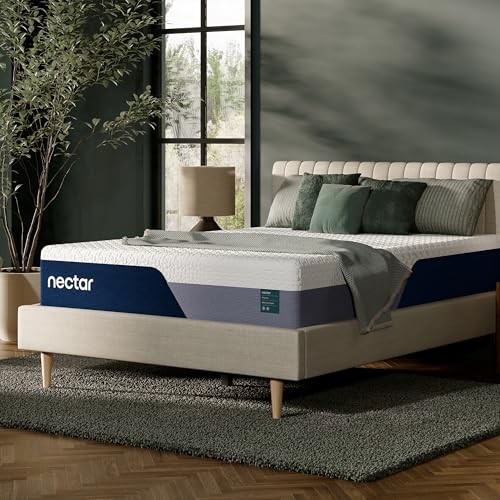
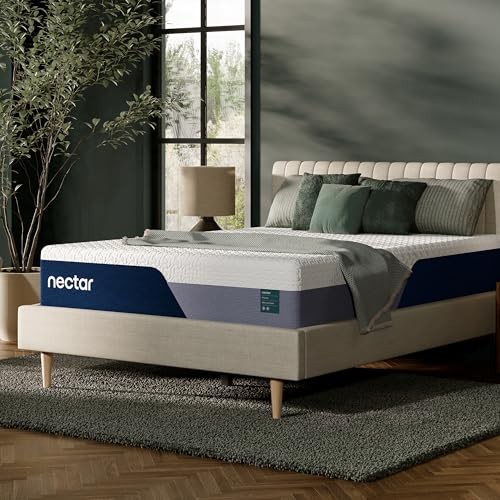
Nectar Premier 13 inch Queen Mattress
The step up inside the same line, with a thicker comfort layer and more contouring than the Classic. Worth the difference if you want a deeper memory foam feel, though it does not change the underlying material or how it ages.
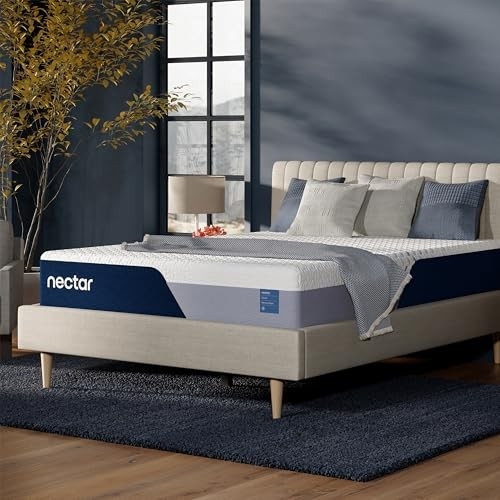
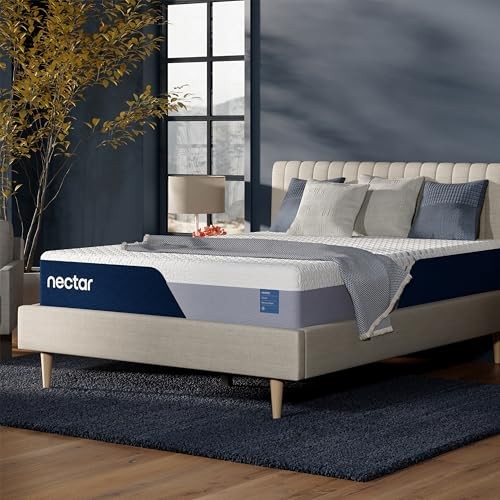
Nectar Classic 12 inch All-Foam Queen Mattress
The all-foam original that most of the long-running owner reports describe. Cheaper than the hybrid and the same comfort feel, but with no coil unit under the foam, which is the layer that helps resist a sagging middle.
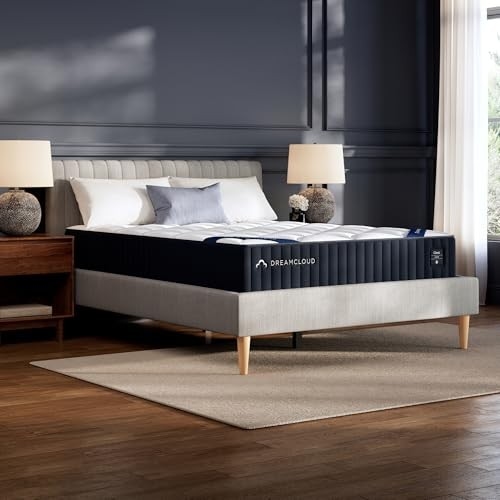
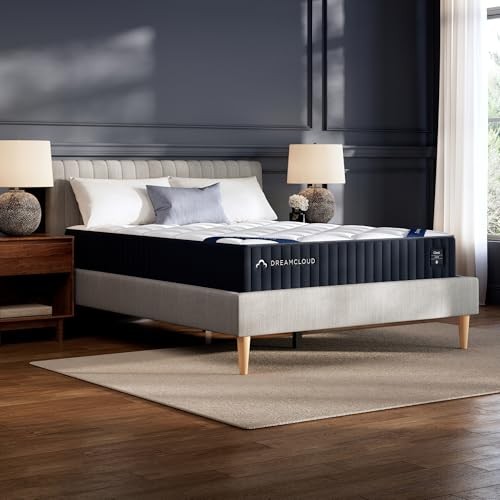
DreamCloud Classic 12 inch Queen Hybrid Mattress
The obvious cross-shop at the same price as the all-foam Nectar. A hybrid build with a firmer reputation, worth a look if the Nectar reports about sinking in the middle are the thing giving you pause.
You Might Also Need
Accessories worth grabbing alongside your purchase
More Mattresses Reviews
See all →
Saatva Classic Mattress Reviews + Our Editorial Verdict
Helix Midnight Mattress Reviews + Our Verdict
Tuft & Needle Original Reviews: Real Owner Reports + Our Verdict

Avocado Green Mattress Reviews: Real Owner Reports + Our Honest Verdict