Joybird
Joybird Briar Sofa Reviews + Our Honest Verdict
By Sam Hollis · Updated September 2026
Independent editorial review. We never accept payment for coverage, though we may earn a commission if you purchase through our links.

Verdict
Joybird's community reputation is one of the more polarized in the mid-range furniture market. Owners who have had good experiences, the majority in most thread surveys, describe the Briar as a beautiful, comfortable sofa that has held up well through several years of regular use. Owners who have had poor experiences describe delivery delays, quality control failures, and frustrating warranty claim processes with insufficient resolution. The Briar specifically generates fewer complaints than the Eliot sectional, with quality control concerns appearing less frequently in Briar-specific discussions. r/BuyItForLife periodically debates Joybird's durability credentials, with the consensus generally being that the frame quality is legitimate but cushion longevity and customer service execution are less reliable than the brand's marketing implies. The La-Z-Boy acquisition narrative, that manufacturing quality has improved, appears in community discussions but hasn't produced the kind of clean post-acquisition track record that would settle the debate. Current buying advice in most forums: use a Joybird sale, select performance fabric if pets are present, and document the sofa's condition thoroughly at delivery.
Read full take ↓Similar sofas
Quick Take
Authentically mid-century proportions on a kiln-dried hardwood frame with a lifetime frame warranty, which is more than Article, Burrow or Apt2B offer at lower prices. Cushion longevity is what pulls the score down. Check the leg bolts at delivery and expect to refresh cushions before the frame ever gives you trouble.
The Joybird Briar
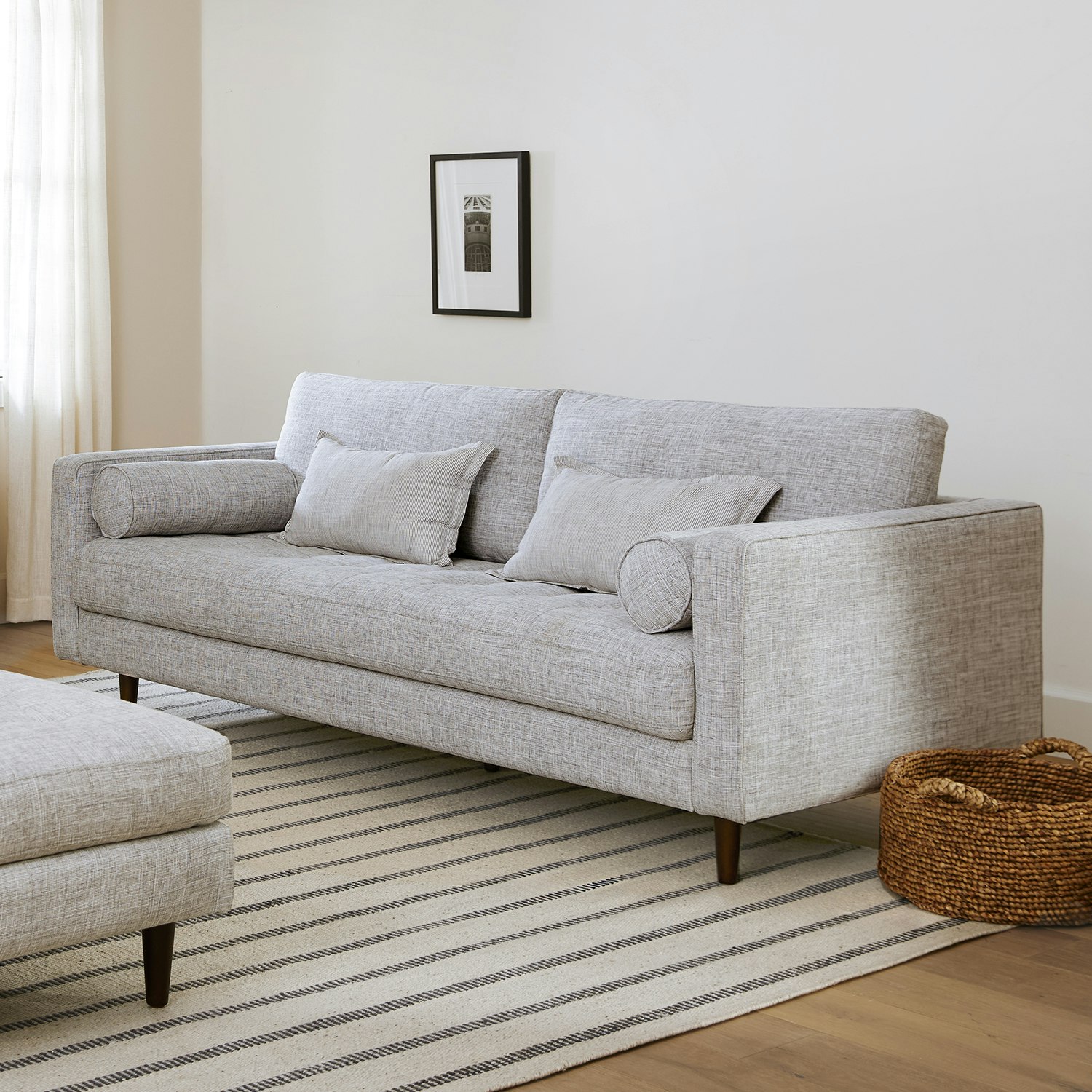
The Joybird Briar sofa is one of those pieces that photographs exceptionally well. The low-slung tufted back, solid wood legs, and clean mid-century proportions translate beautifully across Instagram, Pinterest boards, and Joybird's own marketing. At $2,413 to $2,800 depending on fabric and configuration, the Briar positions itself as the mid-century sofa for buyers who have outgrown IKEA but aren't ready for full custom upholstery pricing. The design language is authentic and well-executed. The question that deserves more attention than the photography answers is what happens after delivery.
Joybird, now owned by La-Z-Boy, operates at a price point that buyers reasonably interpret as premium. A $2,400 sofa should carry expectations of quality control, reliable customer service, and a product that holds up under normal residential use for several years without major issues. The Reddit record on Joybird as a company, particularly on the r/BuyItForLife subreddit, which maintains high standards for what constitutes durable value, is more complicated than the marketing implies.
The Briar specifically draws fewer complaints than some other Joybird models like the Eliot sectional, but it exists within a brand context where delivery delays, quality control inconsistencies, and customer service difficulties appear regularly enough in owner accounts to warrant honest attention. Understanding these patterns is not cause for automatic avoidance; it is cause for informed purchasing. Buyers who want the Briar's aesthetic should know what they're entering into.
The honest verdict: the Briar is a well-designed sofa that delivers on its aesthetic promises and offers a comfortable seat in the mid-century tradition. The value case is complicated by quality inconsistency that makes the at-purchase experience variable and by customer service that owners report as difficult when problems arise. At $2,400, the risk-adjusted value is more moderate than the design quality alone would suggest.
Joybird's ownership by La-Z-Boy since 2018 is background context that colors the brand's current quality narrative. La-Z-Boy is a traditional American furniture manufacturer with strong quality control standards in its own line, and the acquisition was positioned partly as a manufacturing quality upgrade for Joybird. Whether that upgrade has fully materialized is a question the community continues to debate: some owners who purchased after the acquisition report notably improved quality; others report the same inconsistencies documented in earlier Joybird reviews. The brand has invested in its Texas manufacturing facility and its customer service infrastructure, and the trajectory appears positive, but the purchase history carries enough quality variability that buyer due diligence remains warranted.
The Briar's position in the Joybird lineup is as the more restrained alternative to the Eliot sectional, the two sofas draw the most attention in Joybird communities, with the Eliot receiving more criticism for quality control issues. The Briar's simpler construction, a standard two-cushion sofa without the Eliot's additional section joints and connection hardware, may partly explain its better quality track record. Fewer assembly points means fewer places for manufacturing variance to manifest as owner problems. This is a relevant consideration when comparing between Joybird models, and it partly explains why we're reviewing the Briar rather than the Eliot despite the Eliot's higher sales volume.
Construction and materials
The Joybird Briar is built on a kiln-dried hardwood frame, which Joybird describes as their standard frame construction. Kiln drying removes moisture from the wood to reduce warping and cracking risk, a legitimate quality marker that Joybird correctly emphasizes as differentiating them from furniture that uses green or wet wood. The frame construction uses corner blocks and multiple attachment points that are standard practice in upholstered furniture. Joybird offers a lifetime warranty on the frame, which is meaningful coverage if honored as described.
The cushion system varies by configuration, with most Briar models using a high-density foam core wrapped in down-alternative fiber fill for the seat cushions. The foam density Joybird uses has been a subject of discussion in owner communities, with some reporting faster-than-expected softening of the seat cushions within twelve to eighteen months of regular use. The tufted back cushions use a softer fill that provides the characteristic mid-century appearance but compresses predictably under regular use.
The fabric selection is one of the Briar's genuine strengths. Joybird offers an unusually wide range of fabrics including performance options, Sunbrella-grade outdoor fabrics suitable for indoor use in high-traffic or pet household situations, and a standard velvet and linen range. The Sunbrella upgrade costs more but delivers demonstrably better durability per owner reports, particularly for households with cats whose claws would damage most standard fabrics. The fabric quality varies by selection, and buyers should research their specific chosen fabric rather than treating all Joybird fabrics as equivalent.
The tufted back panel is a construction element that deserves specific attention. Tufting is more labor-intensive to produce than a smooth back cushion, and the quality of the tuft pulls, whether they're even, tight, and properly spaced, is a visible indicator of upholstery craftsmanship. On the Briar, the tufting is generally well-executed, though the community notes occasional examples with uneven tuft depth on specific units. Inspecting this at delivery and documenting any irregularities immediately is worth doing, since tufting that's slightly uneven at delivery is unlikely to self-correct and becomes more visible over time as fabric relaxes around the pulls.
The solid wood legs are a positive construction detail at the Briar's price point. Many mid-range sofas at this price use plastic or composite material legs that look acceptable in photographs but feel and sound cheap when struck. The Briar's wooden legs provide better acoustic and tactile quality and can be refinished or replaced if scratched. The leg-to-frame connection uses a bolt system that owners should check at delivery and periodically afterward, Joybird has documented some examples of loose leg connections on delivery, which are easily addressed with a wrench but ideally caught before the sofa is positioned in a room and in regular use.
Our Ratings
Overall score
The kiln-dried hardwood frame is a genuine quality baseline, backed by a lifetime frame warranty, and the solid wood legs are a plus if you check the bolts at delivery. What pulls the score down is cushion longevity: owners report the foam and fiber wrap softening faster than expected inside eighteen months. Sunbrella and performance weaves hold up far better, especially against cats, and the tufted back shows QC variance, so inspect on delivery.
The proportions are authentically mid-century rather than pastiche: low seat, wide cushion span, and a tufted back at the height where it reads as design rather than decoration, so it looks designed instead of assembled from trend parts. Over 50 fabrics and multiple sizes let it hold one look across rooms of different scale. The velvet options photograph especially well and have become a signature Joybird look in aspirational interiors.
At $2,400 it sits above Article, Burrow, and Apt2B ($800-$1,400), where it offers better design and a frame warranty they don't match, and below Room & Board ($2,800-$3,500) for a comparable look with more variability. The 365-day return and La-Z-Boy warranty backing help. The honest read: a well-made unit is fairly priced, but a bad one plus a hard warranty claim feels expensive. Waiting for a frequent 20-30% Joybird sale improves the math.
What People Are Saying
Joybird's community reputation is one of the more polarized in the mid-range furniture market. Owners who have had good experiences, the majority in most thread surveys, describe the Briar as a beautiful, comfortable sofa that has held up well through several years of regular use. Owners who have had poor experiences describe delivery delays, quality control failures, and frustrating warranty claim processes with insufficient resolution. The Briar specifically generates fewer complaints than the Eliot sectional, with quality control concerns appearing less frequently in Briar-specific discussions. r/BuyItForLife periodically debates Joybird's durability credentials, with the consensus generally being that the frame quality is legitimate but cushion longevity and customer service execution are less reliable than the brand's marketing implies. The La-Z-Boy acquisition narrative, that manufacturing quality has improved, appears in community discussions but hasn't produced the kind of clean post-acquisition track record that would settle the debate. Current buying advice in most forums: use a Joybird sale, select performance fabric if pets are present, and document the sofa's condition thoroughly at delivery.
Reddit and Houzz commentary are weighted 3× against blog and editorial sources in our sentiment score. Brand PR has a well-documented influence on editorial coverage — direct owner reports from message boards tend to be more candid.
What Reddit Is Saying
“We have had a Joybird sofa going on 2 years now and it has held up beautifully so far. We got it during a 30% off sale and splurged on the Sunbrella fabric because we have cats that claw everything. I almost puked at spending that much but it's been worth it.”View thread →
“I have one. It is decidedly not a "buy it for life" item. I've had it about 3 years. If you look at my post history, then it is the yellow couch in the living room. Positives are that it looks good, the upholstery is easy to clean, and it's comfortable. But, it arrived dirty and about a month later than initially stated. Joybird gave us a discount for the inconvenience.”View thread →
“I hope you didn't. They are beautifully designed, but need better quality control. One sofa - the Chelsea- started to collapse- especially one of the legs was bad. And kids could remove the decorative bars so had to hide them. Got that replaced with Lewis sofa and now it has been maybe a week? One of the back cushions is already starting to come apart and one of the arms is wobbly.”View thread →
“I have the Eliot sectional from 2016. It's made so poorly! It looks great at first but your mom's couch from the 90s was made better and lasted decades. First on the sofa part I noticed the leg was looking bent...The support wood piece was LOOSE and screwed back in wrong.”View thread →
“Just wanted to chime in on how terrible Joybird is. Quality is only so-so, TERRIBLE customer service, delays in production, delays in shipping, and god forbid you need help after you receive your items. No one will help you for weeks and weeks.”View thread →
“Oh! I love an opportunity to talk about how horrible Joybird is! My Joybird sectional fell apart at the seams, quite literally. This whole company is wretched. There isn't anything to restock if they haven't even sourced materials yet.”View thread →
Frequently asked questions
Is the Joybird Briar Sofa worth it?
Authentically mid-century proportions on a kiln-dried hardwood frame with a lifetime frame warranty, which is more than Article, Burrow or Apt2B offer at lower prices. Cushion longevity is what pulls the score down. Check the leg bolts at delivery and expect to refresh cushions before the frame ever gives you trouble.
How is the Joybird Briar Sofa built?
The kiln-dried hardwood frame is a genuine quality baseline, backed by a lifetime frame warranty, and the solid wood legs are a plus if you check the bolts at delivery. What pulls the score down is cushion longevity: owners report the foam and fiber wrap softening faster than expected inside eighteen months. Sunbrella and performance weaves hold up far better, especially against cats, and the tufted back shows QC variance, so inspect on delivery.
What styles does the Joybird Briar Sofa work with?
The proportions are authentically mid-century rather than pastiche: low seat, wide cushion span, and a tufted back at the height where it reads as design rather than decoration, so it looks designed instead of assembled from trend parts. Over 50 fabrics and multiple sizes let it hold one look across rooms of different scale. The velvet options photograph especially well and have become a signature Joybird look in aspirational interiors.
What do real owners say about the Joybird Briar Sofa?
Joybird's community reputation is one of the more polarized in the mid-range furniture market. Owners who have had good experiences, the majority in most thread surveys, describe the Briar as a beautiful, comfortable sofa that has held up well through several years of regular use. Owners who have had poor experiences describe delivery delays, quality control failures, and frustrating warranty claim processes with insufficient resolution.
Options Worth Checking Out
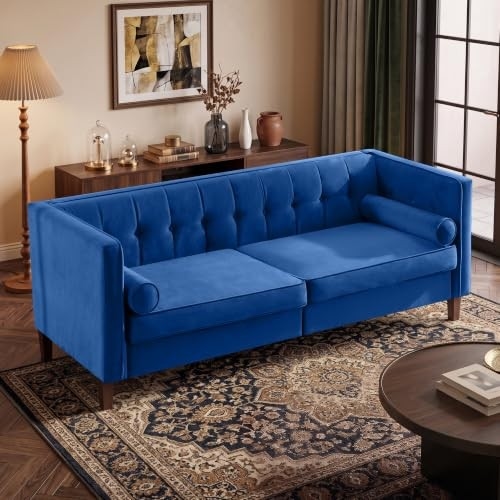
78" Button-Tufted Velvet Sofa, 3-Seater with Bolster Pillows
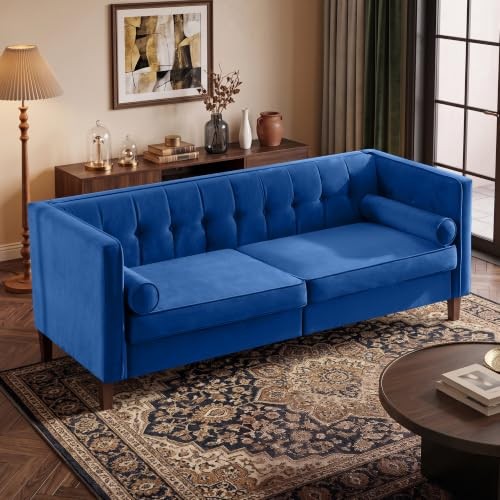
Button-tufted velvet in a 78-inch three-seat frame with bolster pillows, the cheapest route to the Briar's tufted mid-century silhouette. A much lighter build than the Briar, and velvet rather than its full fabric range.
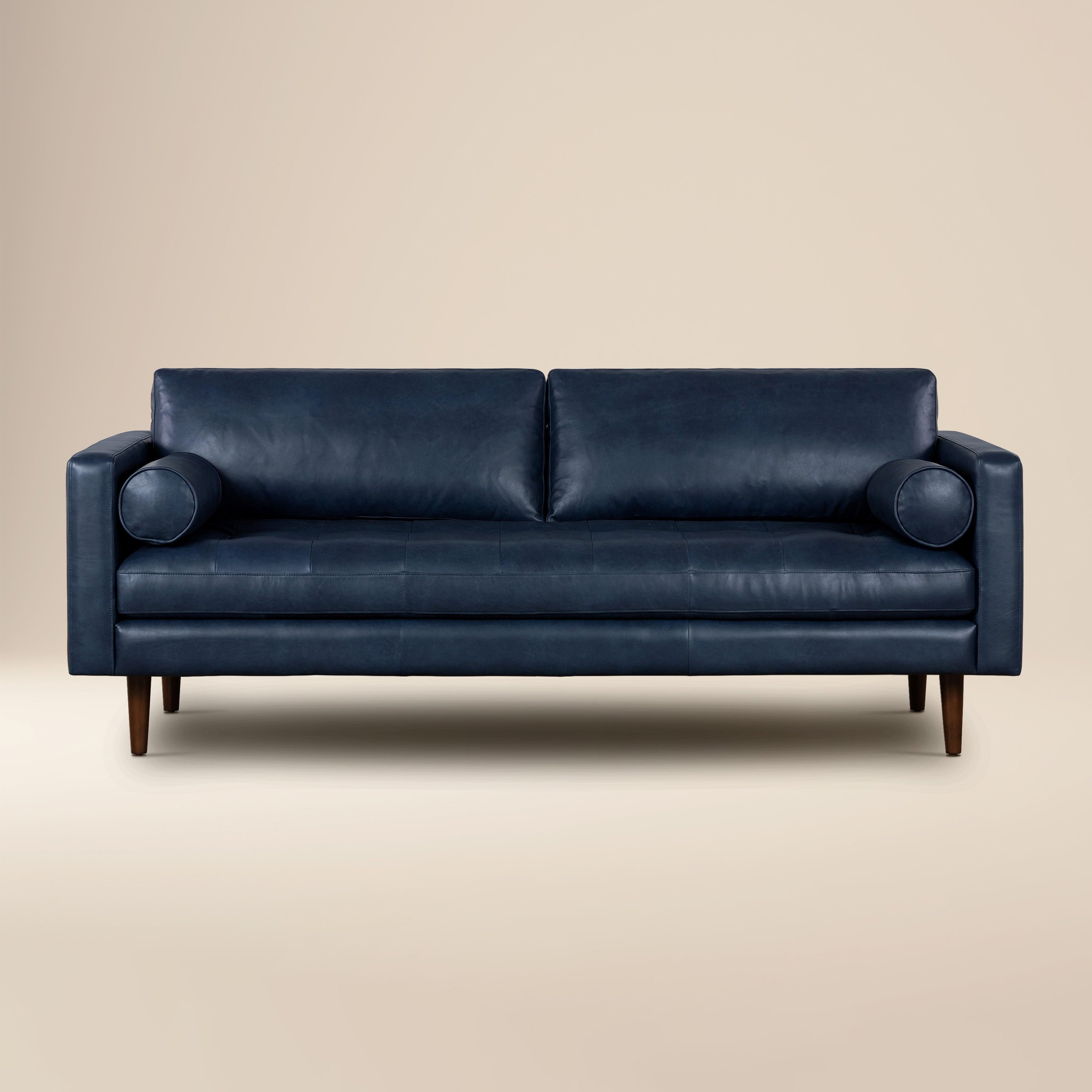
POLY & BARK Napa 88.5" Full-Grain Italian Leather Sofa
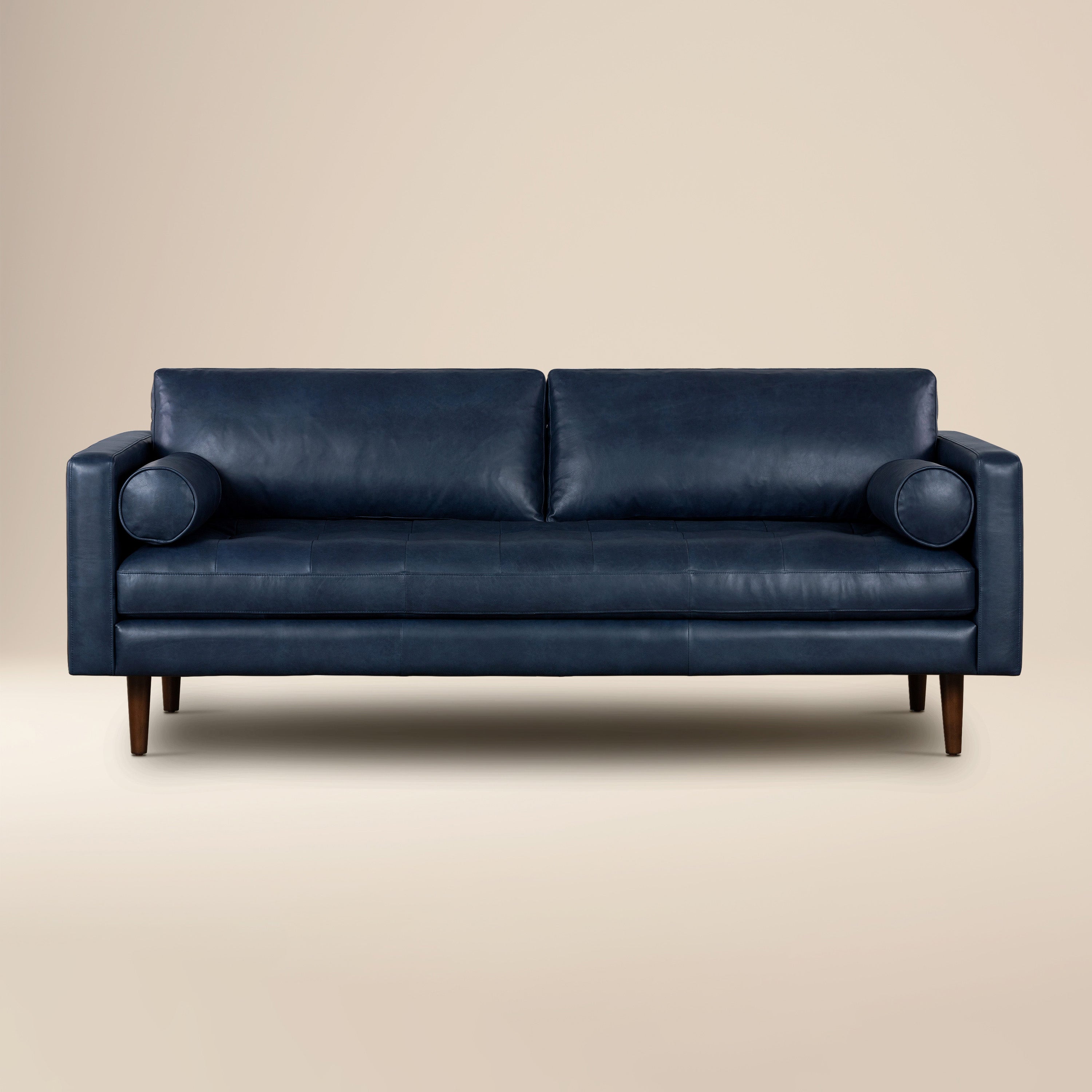
Full-grain Italian-tanned aniline leather on solid oak legs, 88.5 inches wide. Develops a natural patina over time and comes in cognac plus three other hides.
More Joybird Reviews
See all →
More Sofas & Sectionals Reviews
See all →
How Does It Compare?
Side-by-side breakdowns featuring this product