Breville
Breville Barista Express Reviews: Real Owner Reports + Our Verdict
By Sam Hollis · Updated September 2026
Independent editorial review. We never accept payment for coverage, though we may earn a commission if you purchase through our links.
Verdict
Because the Barista Express shares most of its design with the rest of Breville's Express line, owner reports span years of daily use, and sentiment skews clearly positive. Three themes recur. It's genuinely beginner-friendly, with owners repeatedly describing drinkable shots in the first week and good ones within a month. It lasts, with multi-year ownership stories common and most failures traced to skipped descaling rather than the machine itself. And the honest limits are the built-in grinder, which serious owners eventually outgrow, and the single boiler, which turns back-to-back milk drinks into a waiting game. The people who end up disappointed wanted cafe speed and cafe grind quality at a home-machine price. Set against realistic expectations, the Express earns its long-running reputation.
Read full take ↓Similar alternatives
Quick Take
The grinder being in the box is the whole case. A standalone espresso machine plus a separate grinder that reaches espresso-fine usually costs more than this bundle, which is why it stays the default beginner pick. The built-in grinder is convenient rather than excellent, and the single boiler means a wait between brewing and steaming.
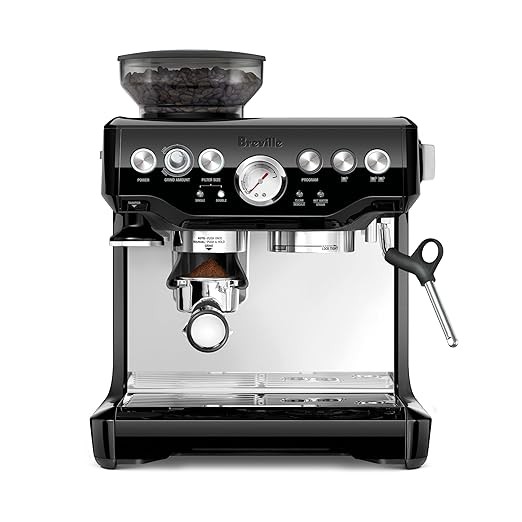
The Breville Barista Express: one machine, grinder included
The Barista Express solves the beginner's hardest espresso problem: a good shot needs a good grinder and a good machine, and buying both separately runs the bill up fast. Breville puts a conical burr grinder, a 15 bar pump, a portafilter, and a steam wand in one body, so a bag of whole beans turns into a shot without a second appliance eating counter space.
That integration is the whole pitch, and it's where the arguments start. The built-in grinder is convenient and it isn't the finest available. The single boiler switches between brewing and steaming instead of doing both at once, so milk drinks come with a short wait. None of that is hidden, and owners who go in understanding the tradeoffs tend to keep the machine running for years. What follows is our editorial verdict, scored across build, design, and value, grounded in Breville's published specifications and in what actual owners report after months and years of daily shots.
What the built-in grinder does, and where it stops
The grinder is why this machine exists and why most of the arguments about it exist too. It's a conical burr grinder that doses straight into the portafilter, with a dedicated grind-size dial and an inner burr you can adjust further if the outer range runs out. For pulling drinkable espresso from fresh beans, owners consistently report it does the job.
The honest limit is dose consistency, not grind fineness. One owner about fifty shots into two days put it plainly: the built-in grinder does grind fine enough for espresso, and the inconsistency shows up in how much or how little lands in the basket. That's the practical ceiling. You can hit a good grind size, but the shot-to-shot dose wanders, which is what pushes detail-focused owners toward weighing every dose or eventually adding a standalone grinder. It's also the biggest single driver of the value debate around this machine, and better understood before you buy than after.
The single boiler and what the wait costs
The Barista Express runs one boiler with digital PID temperature control, so it brews at one temperature, steams at another, and has to move between the two. In practice that's a short pause between pulling a shot and steaming milk. For one or two drinks in a morning, a non-issue. For a run of milk drinks for guests, it's a rhythm you work around rather than ignore.
The steam wand is capable, and it's the entry-level version of Breville's wand. An owner four years in called the machine underpowered for milk texturing: latte art is doable but demands you get everything right instead of forgiving a sloppy pour. Owners who move up to the Barista Pro usually cite its four-hole steam tip as the upgrade they felt most. None of this makes the machine bad at milk. It makes it slower and less forgiving than a dual boiler costing two or three times as much.
The learning curve and the first month
The Express shortens the distance between unboxing and a real shot on purpose. The layout runs left to right the way you work, the grind dial is dedicated rather than buried in a menu, and the front pressure gauge tells you right away whether a shot is running fast or slow. That gauge is the most underrated teaching tool on the machine. It turns an abstract problem into a needle you can watch.
Owners describe the same arc: drinkable shots in the first week, genuinely good ones within a month once grind and dose settle. Bean freshness matters more than most beginners expect, and it's the first variable to fix when shots go strange. The people who struggle expected cafe results on day one with no adjustment. The people who are happy treated the first few weeks as calibration.
Cleaning, descaling, and what breaks
Living with the Express comes down to a schedule, and the consumable parts are meant to be consumed. Group-head gasket, shower screen, water filter, all come out for cleaning or replacement without tools, and Breville sells cleaning tablets specified for the machine's backflush cycle. Owners who run that cycle on a schedule report the machine holding up for years.
Failures cluster in two places. Skipped descaling is the most common cause of a machine going strange or dying early, and it's entirely preventable. The other is the grinder assembly, where plastic components in the chute and hopper crack or clog over years of heavy use. Purging the grinder periodically is the cheap habit that heads that off. The long tail of owner reports running six years and beyond is the bigger signal here. This isn't a fragile machine. It's a machine with a maintenance schedule.
The value argument and the case against it
The pitch is simple. A capable espresso machine and a capable grinder in one box for less than buying both separately. That's kept the Express a default beginner recommendation for over a decade, and at a discount it's an easy call.
The counter-argument from experienced owners deserves equal weight. At full price, the same money buys a Bambino or Bambino Plus plus a better standalone grinder, and you end up with a better setup and an upgrade path. Several owners make exactly this point, and one framed the whole machine as a great brewer with a sub-par grinder: outgrow the grinder and you add a better one, then keep using the Express as a brewer only. That's the fairest read available. The Express isn't a mistake. It's a bundle whose weaker half is the part enthusiasts outgrow first.
Which finish you are buying
The Barista Express sells under a different model code for each finish, and they are the same machine inside. Black Sesame is the BES870BSXL at $694.95, and Black Truffle is the BES870BTR at $699.95. Both carry a 4.4-star average, and Amazon pools the reviews across finishes, so a rating you read on one color is drawn from owners of all of them.
Worth knowing before you shop by price: listings for the machine turn up under several model codes and sellers, and some of the cheapest results are reconditioned units rather than new ones. We only link new stock, and we re-check the link when a price moves. If you find a lower number somewhere, read which condition it is for first.
The buyer this machine is built for
The Barista Express is the machine if you want one machine that makes real espresso from whole beans without a second appliance, if counter space or simplicity matters, and especially if you can find it discounted. It rewards a little patience and then quietly does its job for years.
Look elsewhere if you already own a good grinder, since the Bambino Plus gives you the same drinks in a smaller footprint for less. Look elsewhere if grind precision is the thing you care most about, since a Bambino or Gaggia paired with a dedicated grinder gets you further for the same spend. And look elsewhere if you want fast back-to-back milk drinks, which is the Barista Pro's argument. For the buyer it was built for, someone starting espresso at home who wants a complete setup that works, it stays one of the easiest recommendations in the category.
Our Ratings
Overall score
Hardware carried across the Express line for a decade: a conical burr grinder dosing into the portafilter, a 15 bar pump, and a single stainless steel boiler with PID control. Wear parts are consumables by design, the gasket, shower screen, and filter pop out without tools. Two known limits: plastic in the grinder chute can crack or clog over years, and the single boiler caps milk-drink speed. Six- and eight-year ownership stories are common.
Design here is mostly usability: the layout runs left to right, grind on the left, dose and tamp in the middle, brew and steam on the right, with a grind dial, a razor puck tool, and a front pressure gauge showing whether a shot runs fast or slow. The body fits under most cabinets, and the machine comes in several finishes. Honest knocks: it isn't small, the steam wand is slower than a dual boiler, and the plastic hopper looks cheap.
The value case rests on the grinder being in the box: a standalone machine plus a separate grinder that hits espresso-fine usually costs more than the Express bundle, why it's a default beginner pick. The catch is that the built-in grinder is also the ceiling: serious owners often add a better grinder later and pay for grinding twice. The machine outlasts that phase, used daily for most of a decade. A strong first setup, not a final answer.
Breville Barista Express Reviews: Real Owner Reports + Our Verdict on Amazon.
What People Are Saying
Because the Barista Express shares most of its design with the rest of Breville's Express line, owner reports span years of daily use, and sentiment skews clearly positive. Three themes recur. It's genuinely beginner-friendly, with owners repeatedly describing drinkable shots in the first week and good ones within a month. It lasts, with multi-year ownership stories common and most failures traced to skipped descaling rather than the machine itself. And the honest limits are the built-in grinder, which serious owners eventually outgrow, and the single boiler, which turns back-to-back milk drinks into a waiting game. The people who end up disappointed wanted cafe speed and cafe grind quality at a home-machine price. Set against realistic expectations, the Express earns its long-running reputation.
Reddit and Houzz commentary are weighted 3× against blog and editorial sources in our sentiment score. Brand PR has a well-documented influence on editorial coverage — direct owner reports from message boards tend to be more candid.
What Reddit Is Saying
“I got mine in late summer and have been absolutely loving it. I’ve gotten a few upgrades, and I’m sure you will too but this video was hands down the best starter tips I found online for setting the machine up for best results. Breville Barista Express tips”View thread →
“hahaha yeah that's what I was asking. love it. I used to take an Aeropress to the office. Barista Express is next level.”View thread →
“BBE is a great brewer with a sub-par grinder. Purchasing it at full price is almost always a mistake, since you can get a Bambino or Bambino Plus with a much better separate grinder for about the same price. But getting one at a steep discount, like you have, is a great way to get started. As you get more experience, you may start to feel limited by its grinder. Should that happen, just get a better grinder, and continue to use it as a brewer only.”View thread →
“From what Ive heard they are only really bad because the grinder isnt great and doesnt have any good upgrade mods so you get limited out by that, and then just have half the machine taking up space. The Bambino is essentially the espresso machine half of the barista express so then you have the ability to upgrade grinders when the time comes. You got a machine and grinder from a trusted name brand at a great discount though so thats a big score.”View thread →
“Not ‘really that bad’ but at full price you can often go further with your money with a bambino and standalone grinder So yeah, not bad. Not the best in class either. Pretty good by most measures”View thread →
“Regardless of the consensus, the built in grinder does grind fine enough for espresso, it mostly inconsistent in how much or little you get. ARO espresso makes a single dose adapter you can add to your Breville that will also help and you have to purge the grinder, I’d say at least every week. When was the last time you descaled it?”View thread →
“looks a lot better than my art. yeah, Im thinking our express machine is just underpowered. It's doable but you have to get it just right in order to pour good art. I thought about buying a 4 hole tip for the express, but someone on the forums said you cant interchange the tips.”View thread →
“It's not that good imo. For less than half the price I bought a De'Longhi ECP, very good grinder, and accessories (bottomless porta filter, spring tamper, milk carafes, puck screen, funnel). Heck, I bought a gaggia magenta superautomatic for less, and it also makes great drinks. Better to get a good machine and a separate, better grinder.”View thread →
Frequently asked questions
Is the Breville Barista Express worth it?
The grinder being in the box is the whole case. A standalone espresso machine plus a separate grinder that reaches espresso-fine usually costs more than this bundle, which is why it stays the default beginner pick. The built-in grinder is convenient rather than excellent, and the single boiler means a wait between brewing and steaming.
How is the Breville Barista Express built?
Hardware carried across the Express line for a decade: a conical burr grinder dosing into the portafilter, a 15 bar pump, and a single stainless steel boiler with PID control. Wear parts are consumables by design, the gasket, shower screen, and filter pop out without tools. Two known limits: plastic in the grinder chute can crack or clog over years, and the single boiler caps milk-drink speed.
What styles does the Breville Barista Express work with?
Design here is mostly usability: the layout runs left to right, grind on the left, dose and tamp in the middle, brew and steam on the right, with a grind dial, a razor puck tool, and a front pressure gauge showing whether a shot runs fast or slow. The body fits under most cabinets, and the machine comes in several finishes. Honest knocks: it isn't small, the steam wand is slower than a dual boiler, and the plastic hopper looks cheap.
What do real owners say about the Breville Barista Express?
Because the Barista Express shares most of its design with the rest of Breville's Express line, owner reports span years of daily use, and sentiment skews clearly positive. Three themes recur. It's genuinely beginner-friendly, with owners repeatedly describing drinkable shots in the first week and good ones within a month.
Options Worth Checking Out
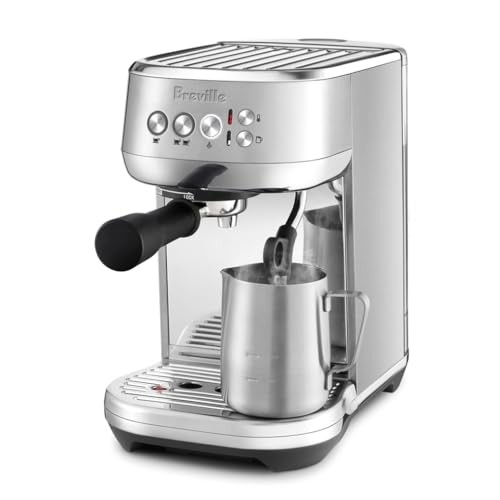
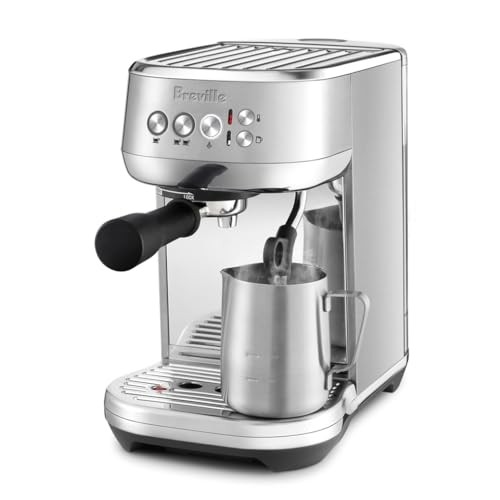
Breville Bambino Plus
Same 15 bar pump and automatic milk texturing in a much smaller body, but no built-in grinder. Pick it if counter space is tight and you already own a burr grinder, or plan to buy one better than the Express includes.
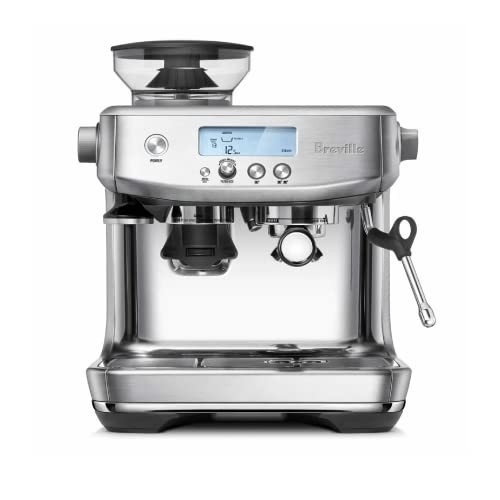
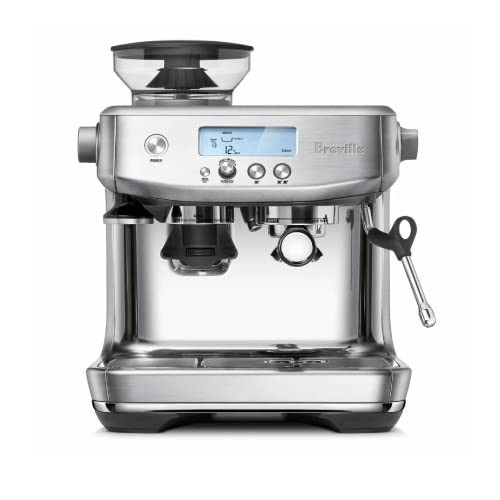
Breville Barista Pro
The step-up. ThermoJet heating reaches brew temperature in about 3 seconds and the grinder gains a wider, more repeatable range. Worth the premium if faster mornings and finer grind control matter more than saving money.
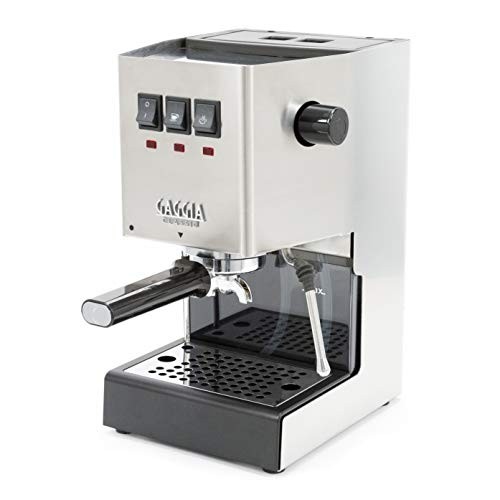
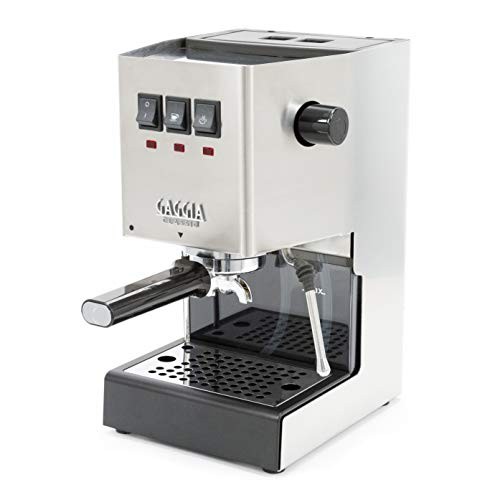
Gaggia Classic Pro
The enthusiast cross-shop. No grinder and a steeper learning curve, but a commercial-style portafilter and a metal body owners rebuild for years. Choose it if you want to grow into manual espresso and buy a grinder on the side.
You Might Also Need
Accessories worth grabbing alongside your purchase
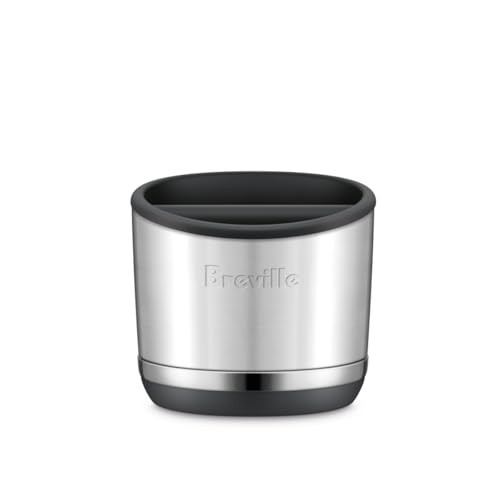
Breville Knock Box
A spent-puck bin sized for the Express portafilter, so you knock and reset the workflow instead of banging grounds into the trash and clogging the sink. A small buy that keeps the whole routine tidy.
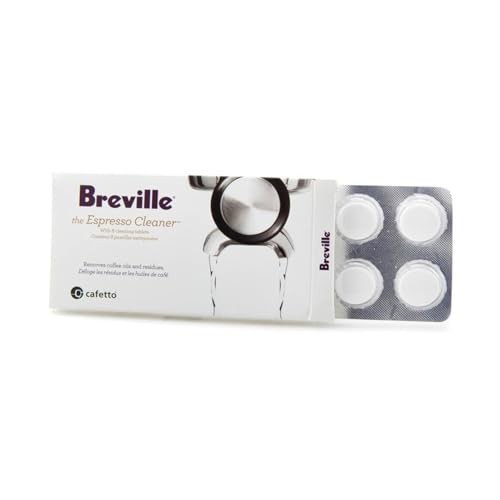
Breville Espresso Cleaning Tablets
The cleaning tablets Breville specifies for the Express backflush cycle. Running them on a schedule clears the oils the group head traps, which owners tie directly to shots staying sweet and the machine lasting.