West Elm Peggy Sofa Review (2026): The Most-Hated Sofa of the Decade, 9 Years Later
Independent editorial guide by The Furnished Review. Affiliate links may be present; we never accept payment for coverage.
Quick Take
West Elm pulled the Peggy from sale in February 2017 after Anna Hezel's viral takedown in The Awl. Buttons popped off, cushions slid forward off the seat, and the frame routinely failed within 1,3 years of light use, West Elm staff reportedly told customers that was the expected lifespan. The brand offered refunds or replacements to anyone who'd bought a Peggy in the U.S. or Canada after July 2014.
Today, secondhand Peggys list for $300,700 on AptDeco and lower on Craigslist. Should you buy one? Almost certainly not. The original failure modes still apply, the refund program is closed, and current West Elm models in the same price slot (Andes, Henry, Drake) are genuinely better-built. But if the price is right and you understand what you're getting, the silhouette still photographs well.
Jump to the current sofas we'd actually buy in the Peggy's design lane. See picks ↓
The Peggy is the only sofa most furniture buyers know by name. Not because of the design, which was a perfectly competent mid-century reproduction, but because of the 2017 reckoning. Anna Hezel's essay in The Awl ("Why Does This One Couch From West Elm Suck So Much?") went viral on a Monday. West Elm pulled the Peggy from its website on Tuesday. Hundreds of refund requests followed within a week. It became the textbook example of an internet-era brand-trust collapse in furniture retail.
Nine years later, the Peggy is still around, just not where West Elm wants it to be. It lives on AptDeco listings, Craigslist for-sale posts, and as a warning in every "is West Elm worth it?" Reddit thread. This guide synthesizes the original 2017 coverage, current secondhand-market reality, and an honest take on whether a used Peggy is worth buying today.
What Actually Happened in February 2017
Timeline, verified from the original news cycle: Monday, February 20, 2017, The Awl publishes Anna Hezel's first-person essay describing her Peggy collapsing during a party after just over a year of use. The buttons had popped off within months. The cushions had been sliding off the seat the whole time. West Elm's customer service response had been to mail her a kit containing a wooden dowel, two replacement buttons, and instructions for re-attaching.
Tuesday, February 21, West Elm removes the Peggy from its website. By midweek, BuzzFeed, Fast Company, and HuffPost are running follow-up coverage. Reddit's r/malelivingspace, Apartment Therapy comments, and Twitter (then) light up with similar stories. Within days, West Elm formally offers refunds or replacements to anyone who purchased a Peggy in the U.S. or Canada after July 2014.
The accumulating context behind that single week: complaints about Peggy quality had been documented in West Elm's own user reviews and on Instagram since at least late 2015. The Awl piece wasn't an isolated bad experience, it crystallized 18+ months of similar reports into a single, well-written essay that became impossible for the brand to ignore.
The Three Specific Failure Modes
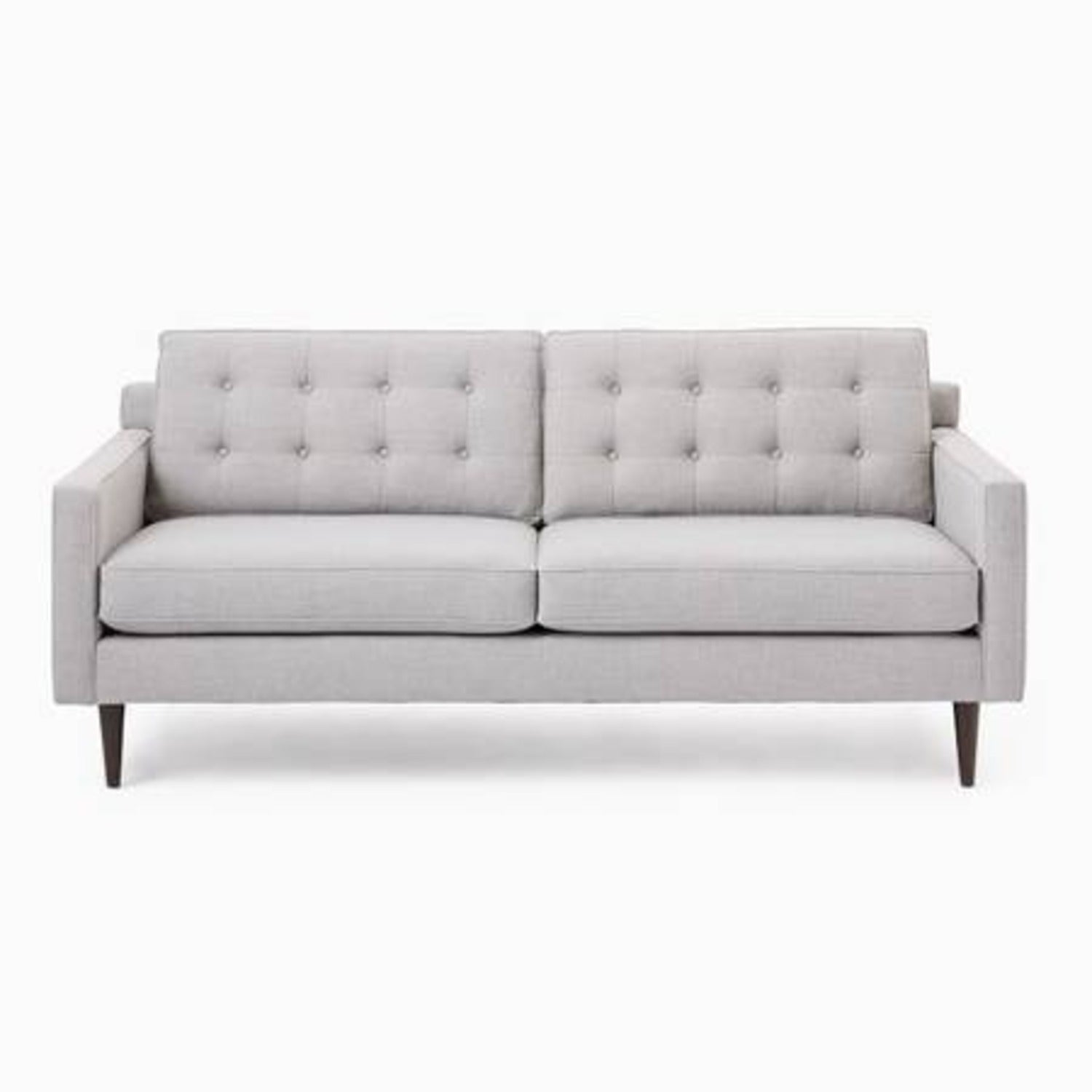
Button failure. The Peggy's tufted seat and back cushions used cloth-covered buttons attached to the cushion with what amounted to short threads. Within weeks of normal use, owners reported buttons popping off. Once one button failed, neighboring buttons routinely failed in cascade. West Elm's repair kit assumed owners would re-attach individual buttons; the real solution most owners arrived at was removing every button entirely.
Cushion slide. The seat cushions weren't secured to the deck of the sofa. Under normal sitting weight, particularly leaning forward, cushions would shift forward over the front edge. Owners reported having to reset cushions multiple times per day. The fix some owners adopted: velcro strips between cushion and deck, which was effective but a tell-tale sign of a known design flaw.
Frame failure. The most-cited catastrophic case is Hezel's Peggy losing a leg during a party at the ~14-month mark. West Elm staff she spoke with described 1-to-3-year lifespan as expected for the line at light use. The frame was engineered hardwood with corner-blocked joinery; the failure point was typically where the leg met the frame underside, often during a move or a heavier load.
What 9-Year-Owners Report Now
Owners who held onto their Peggys past the 2017 refund window (or bought them used after) consistently report the same long-term arc: buttons all removed within the first year, cushion-shift solved with velcro or aftermarket cushion-restoration foam, frame held up under careful use. Most surviving Peggys are now button-less, modified cushion arrangements, and used in low-traffic rooms, guest spaces, secondary living rooms, photography backdrops.
The aesthetic that made the Peggy popular has aged better than the construction. The silhouette, low profile, tapered legs, generously tufted, is genuinely mid-century-correct and photographs as well today as it did at launch. A surviving Peggy can be the room's best-looking piece. It's also still uncomfortable, still slides forward when you sit on it, and still won't survive a move.
The Current Secondhand Market
Peggys cycle through AptDeco constantly. As of this writing, listings range from $300 for cosmetically-worn loveseats to $750 for full-size sofas in less-common colors (Cayenne, deep blue, mustard). Sectionals occasionally appear at $900,1,200, these are dramatic markdowns from the original $2,400 sectional price, but still reflect Peggy's enduring aesthetic demand.
Craigslist tends to be cheaper than AptDeco, typical Peggy sofa listings on local Craigslist run $100,400. The price differential reflects AptDeco's curation and delivery service vs. Craigslist's pickup-only-and-take-your-chances model. Facebook Marketplace pricing tracks closer to Craigslist.
What to inspect before buying any used Peggy: condition of the buttons (assume all will eventually fail, but visible damage is a tell), tightness of the seat cushion-to-deck fit (gentle forward push, if cushions slide easily, you've inherited the problem), leg attachment (gently rock each leg, any wobble is a hard pass), and frame creaking when you sit and shift weight (a creak is the early signal of joint loosening).
Should You Actually Buy a Used Peggy?
Honest answer: for most buyers, no. The Peggy was designed badly enough that even the surviving units retain the original design flaws, the refund program is long closed, and the secondhand price ($300,700 for a sofa) is approaching the new-buy price of meaningfully better-built West Elm models on sale.
There's one buyer profile where a used Peggy makes sense: someone who specifically wants the silhouette for a low-traffic room (a styled office, a guest bedroom, a photography setup), has under $300 to spend, and is comfortable doing the cushion-velcro fix and removing buttons. That's a real, narrow use case.
For anyone shopping their main living-room sofa: skip it. The replacement options at the same or slightly higher price are substantially better engineered.
Current West Elm Alternatives in the Same Slot
West Elm has spent the last seven years effectively retiring the Peggy's reputation by releasing replacement models that are built better. The current sofa lineup in the Peggy's price range includes:
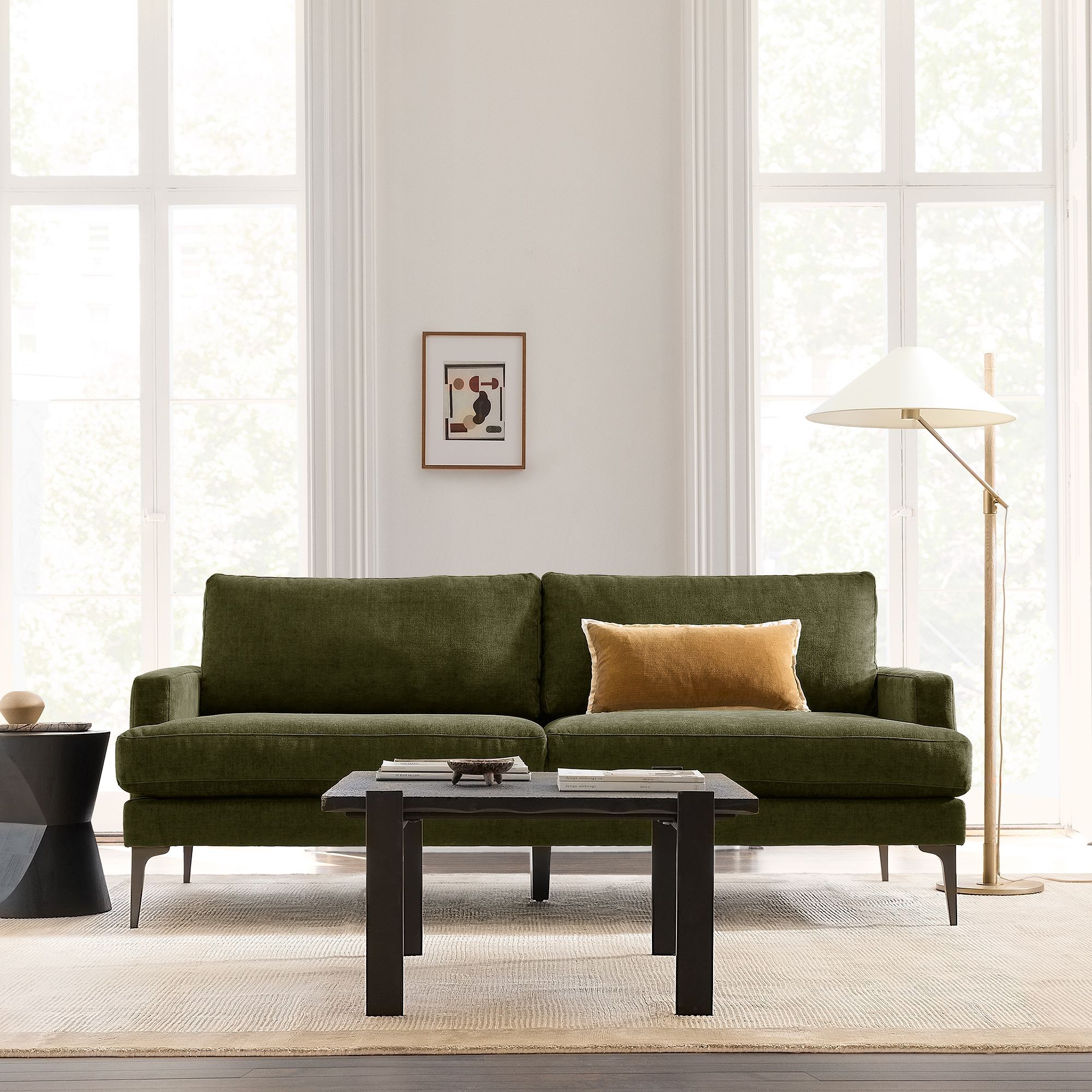
West Elm Andes, deep-seat MCM silhouette, the most direct successor to the Peggy's aesthetic. Cushion construction is meaningfully improved (down-wrapped, not button-tufted), seat depth is genuinely livable, and 5-year owner reports are mostly positive. Read our full Andes review for the trade-offs.
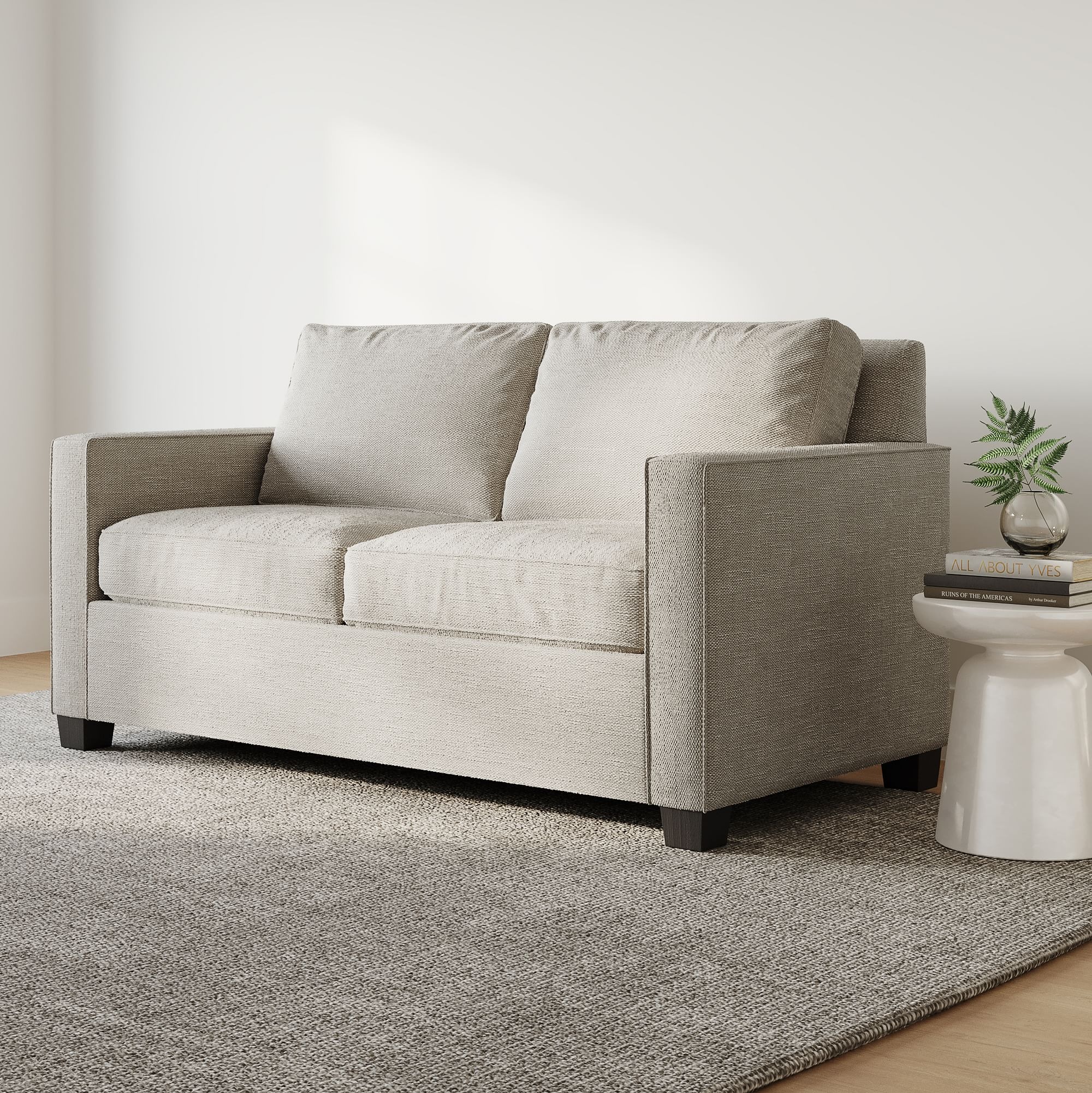
West Elm Henry, tighter, more tailored silhouette than the Peggy. Less photogenic but better-built. Solid pick if you want "clean modern" rather than "tufted mid-century."
West Elm Drake, firmer mid-century sofa, intentionally polarizing on comfort. Best for buyers who want sharp lines and don't mind a firm seat. The Peggy aesthetic at higher quality, if you can tolerate the firmness.
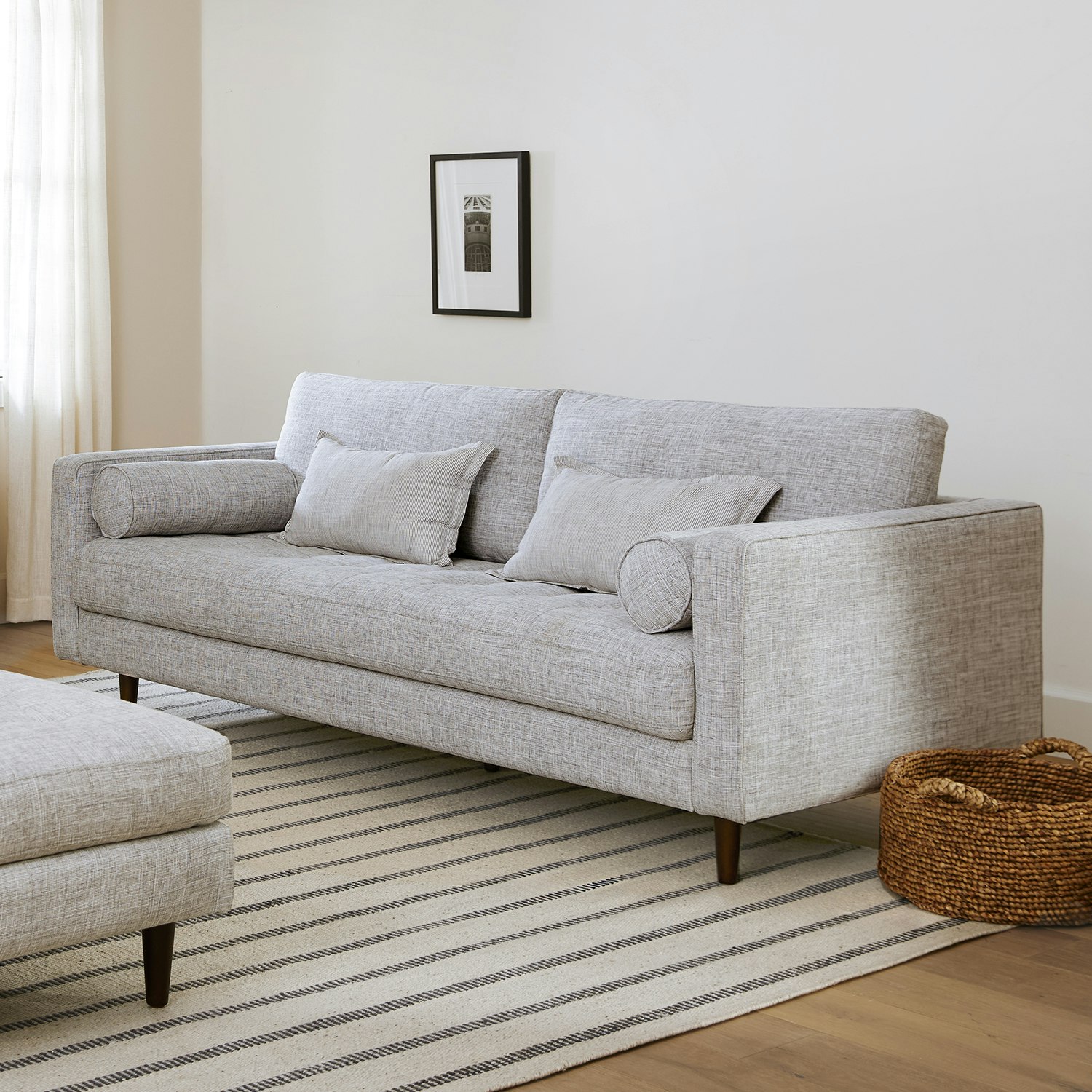
Article Sven (non-West-Elm option), the broader leather-MCM alternative if you're willing to step outside the West Elm catalog. Substantially better build at a comparable price tier. Our Sven review covers the long-term picture.
Recommended
Products related to this guide.
CHITA Mid-Century Modern Tufted Sofa (Peggy aesthetic alternative)
If the Peggy silhouette is what drew you in, this is the closest Amazon-available alternative — tufted MCM sofa on tapered solid-wood legs, faux leather but well-reviewed for the price. The construction is dramatically better than the original Peggy, with no documented button-failure or cushion-slide issues.
AMERLIFE Mid-Century Modern Genuine Leather Sofa
Step up to genuine leather while keeping the MCM silhouette. Solid wood frame, tapered legs, no buttons to fail. A meaningful quality upgrade from a used Peggy at not much more than the current secondhand asking price.
POLY & BARK Napa 88.5" Full-Grain Italian Leather Sofa
For buyers willing to step up to genuine premium leather — full-grain Italian aniline on solid oak. The Peggy was supposed to be a $1,200 design statement; this is what an actual $1,800 design statement looks like 9 years later. Substantially better build, real leather aging characteristics.
Velcro Industrial-Strength Adhesive Strips (for Peggy cushion-slide fix)
If you already own a Peggy and the cushions slide forward off the seat, the standard owner fix is industrial-strength velcro between cushion and deck. This is the specific product cited in long-term Peggy-owner Reddit threads as the working solution. Won't fix the buttons, but solves the most-annoying daily-use problem.