The Best Room Divider Screens for Studio Apartments on Amazon (2026)
By Maya Chen · Updated June 2026
Independent editorial guide. We never accept payment for coverage, though we may earn a commission if you purchase through our links.
Quick Take
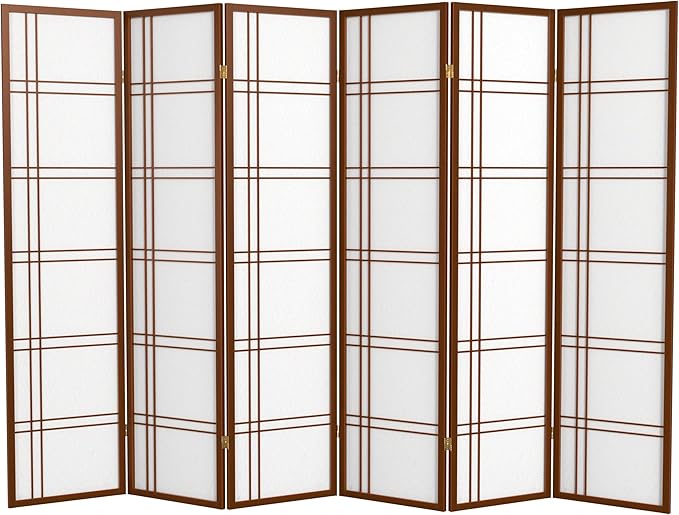
For a studio apartment, the honest answer is the Oriental Furniture 6 ft Double Cross Shoji Screen at $238. It is a real shoji build (kiln-dried spruce frame, fiber-reinforced rice paper, double-action hinges), and at 6 feet tall it divides the room instead of just decorating it. If your studio is short on storage, the Sauder bookcase-style divider at $296 is the budget stretch worth making: it draws the bedroom-from-living-room line and gives you open shelving on both sides. If $238 is too much, the VEVOR 4-panel with wheels at $61 is the budget pick that rolls out for guests and tucks away the rest of the week. Jump to the five room dividers and the one accessory we would buy for a studio apartment. See picks ↓ See picks ↓
Search results for room divider screens are full of generic 4-panel accordion screens from brands you have never heard of, all photographed in the same loft, all promising the same thing. Most are flimsy, wobble when you brush past them, and show up with cracked panels. The market that matters for studio-apartment dividers is smaller, built around a few brands that have been making screens for years: Oriental Furniture for shoji, Sauder for storage-doubling bookcase dividers, Legacy Decor and Giantex in the middle, and VEVOR for the rolling budget pick. Those are the picks here, plus the felt pads that keep your floors intact when you move the divider around.
What a room divider does in a studio
A divider in a studio is not a wall. It is a visual cue that says "the bed lives here and the couch lives there," and most of that cue's value is psychological. You stop feeling like you are sleeping in your living room, even though technically you still are. That is the job.
It does two practical jobs on top of that. It blocks the sightline from the front door to the bed, which matters when you have guests over, and it gives a desk or a video call a backdrop that is not your unmade bed. Anything past that, blocking sound or full light, is beyond what a folding screen can do. Buy a curtain or a real bookcase for those jobs.
Oriental Furniture shoji, the honest top pick
Oriental Furniture earned its reputation in this category by building shoji screens the way shoji screens are supposed to be built. The frame is kiln-dried spruce, the paper is fiber-reinforced rice paper instead of the printed plastic film on the cheap knockoffs, and the hinges are double-action brass-plated, so the screen folds either direction rather than only one.
At 6 feet tall the Double Cross model does the room-dividing job. The cheap 4-foot screens you see on Amazon are decorative; they block the view from chair height, and anyone standing sees straight over them. Six feet is the line where a screen starts behaving like a wall.
The tradeoff is price. At $238 it is the most expensive pick on the list after the Sauder budget stretch, and the rice paper, however reinforced, is still paper. If you have cats that jump or kids that throw, the Giantex solid-wood pick lower on this list is the more honest choice.
Sauder bookcase divider, the budget stretch worth making
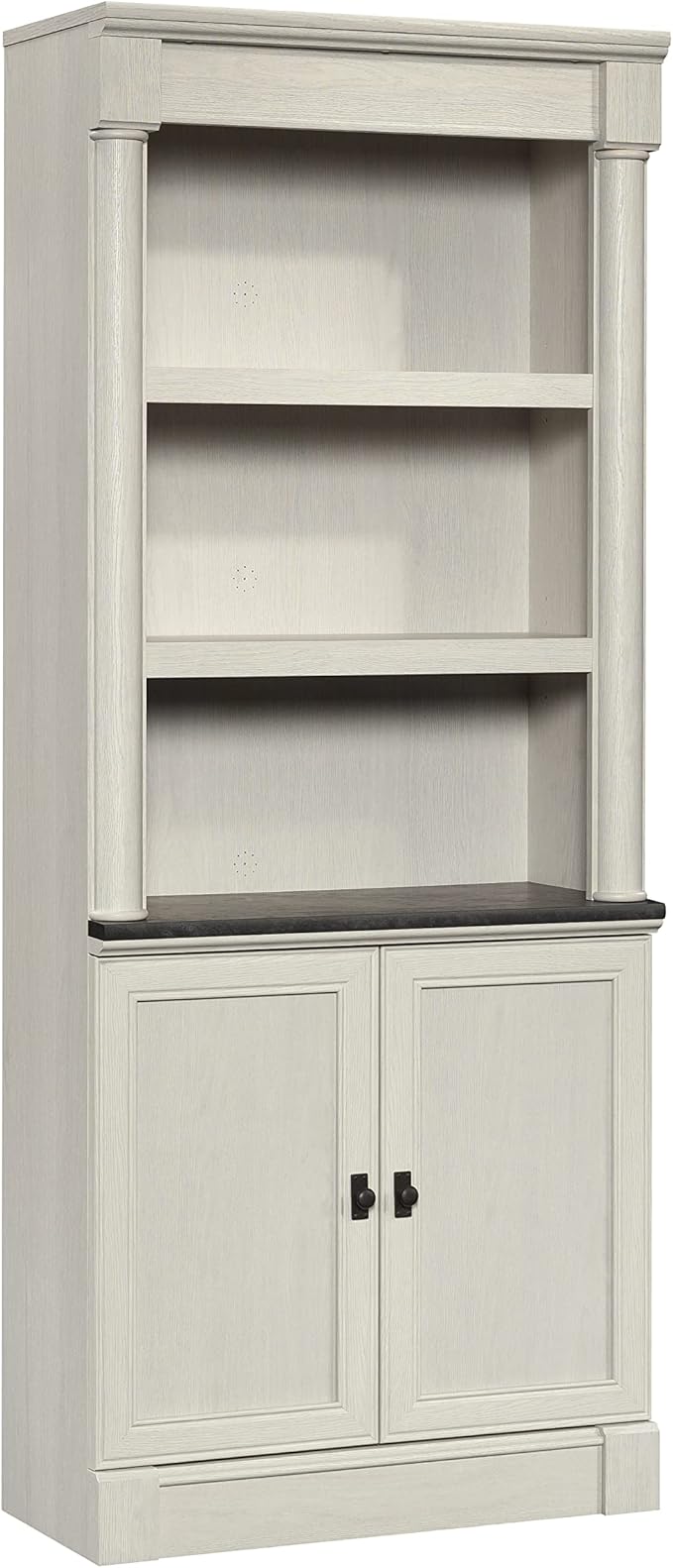
In a studio, a divider that doubles as storage earns its footprint twice, which is why the Sauder bookcase room divider is the budget stretch pick. Open shelving on both sides takes books, plants, decorative bins, and the small things that otherwise end up on the floor.
It is also the only pick on this list that does not fold. In a studio where the divider draws a permanent bedroom-from-living-room line rather than rolling out for guests, that is a feature. If you move every year, or your studio layout might change, the folding picks are more flexible. At $296 it costs $58 more than the Oriental Furniture shoji. If your studio is short on storage (most studios are), that $58 is the best money on this page.
Legacy Decor and Giantex, the middle of the market
If the Oriental Furniture pick is out of stock, or $238 is too much, two recommended picks split the middle in different directions. The Legacy Decor 6 Panel Shoji at $175 gives you more coverage: six panels instead of three or four, which wraps farther around a bed or a desk corner and folds flatter against the wall when you want it out of the way.
Build quality on the Legacy Decor sits a clear step below Oriental Furniture. Softer wood in the frame, thinner-feeling paper, and reviews mention panels arriving with small tears more often. At $175 with six panels, that is the honest tradeoff.
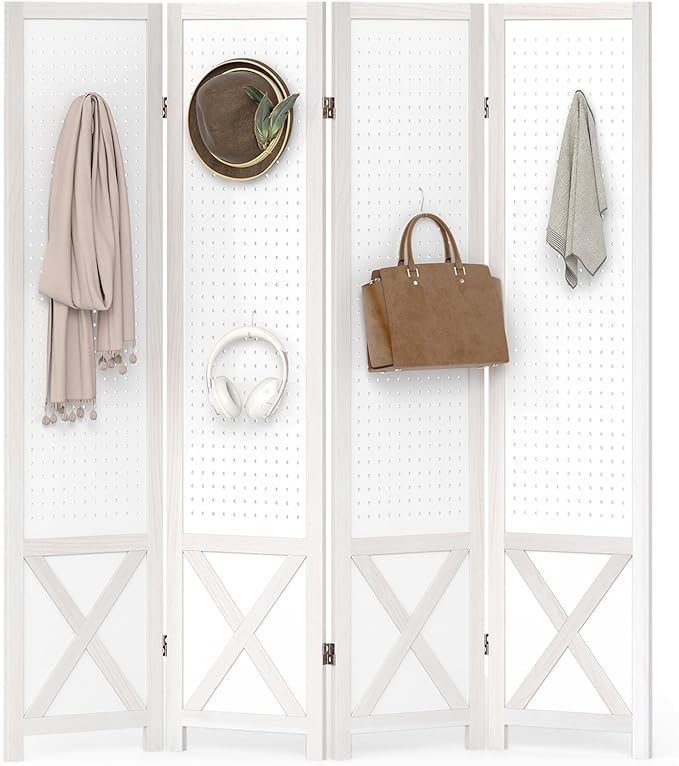
The Giantex 4 Panel Solid Wood Divider at $100 goes the other way: full wood panels instead of rice paper, which blocks light and sightlines completely and feels closer to a real wall. Take it if you want the bedroom corner of the studio genuinely closed off, especially when a partner's schedule runs opposite yours.
VEVOR with wheels, the budget pick that solves the studio problem
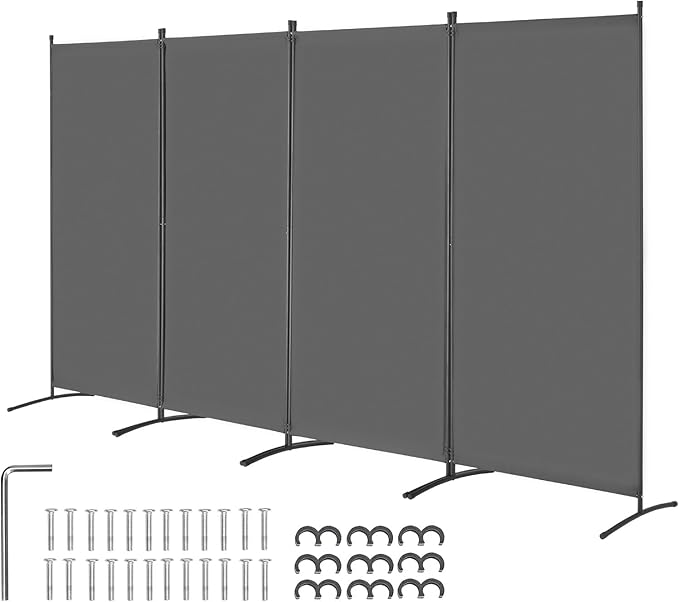
Most $60 room dividers are disposable garbage. The VEVOR 4 Panel with Wheels is the exception, because it has the one feature that matters most for a studio: it rolls. Park it against the wall during the day, roll it out to divide the room when guests come over or when you want a backdrop for a video call, roll it back after.
Build quality is what you expect at $61. Lighter frame, fabric-over-metal panels rather than wood and paper, plastic wheels. None of that matters for the studio use case it was built around. If you need a divider that lives in one spot 24/7, spend up to the Giantex or the Oriental Furniture pick instead.
Floor protection, the accessory most people forget
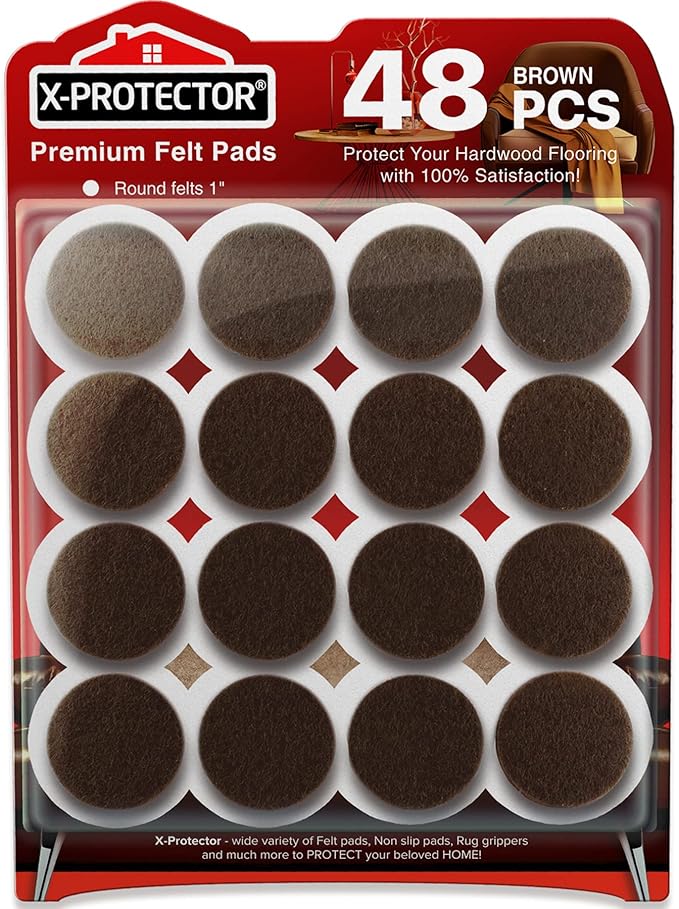
Every divider on this list except the VEVOR has feet that will scratch a hardwood or LVP floor the first time you drag it. The fix is felt pads, and the only ones worth buying are the X-Protector brand at $8. Cheap adhesive felt pads from the dollar store peel off inside a month, especially if you slide the divider regularly. X-Protector uses a stronger adhesive and thicker felt, and they stay put. In a rental where your security deposit rides on the floor, $8 of felt pads is the cheapest insurance on this page.
What we'd skip
The $40 to $80 Amazon search results for "room divider" are dominated by no-name 4-panel accordion screens from brands like FDW and a rotating cast of others. In a thumbnail they look like the Oriental Furniture shoji. They are nothing like it. Thin pine frames, printed plastic film for paper, hinges that fold one direction only, and panels that arrive cracked or warped often enough that reviews flag it.
Stay at the $100 Giantex price for anything that has to live in your studio longer than a year. Below that, only the VEVOR with wheels earns its price, and only because the wheels do something the more expensive picks cannot.
Picking the right divider for your studio
Short on storage? The Sauder bookcase divider is the honest answer even at $296, because it solves two problems at once. Storage handled, and you want the screen to look like a designed object? The Oriental Furniture shoji. Pets, kids, or a roommate situation where the divider gets knocked around? Skip the paper picks and go to the Giantex solid wood. A divider that needs to move in and out of position regularly? The VEVOR with wheels is the only pick on this list that makes that easy.
Recommended
Products related to this guide.
Frequently asked questions
What are the best room divider screens for studio apartments?
Oriental Furniture 6 ft Tall Double Cross Shoji Screen. The honest top pick for a studio.
What are the best budget room divider screens for studio apartments?
VEVOR 4 Panel Room Divider with Wheels. The budget pick with the feature that matters most in a studio: wheels.
What are the best premium room divider screens for studio apartments?
Sauder Bookcase Room Divider — Budget Stretch. Budget Stretch: at $296 it costs more than the shoji, but in a studio a divider that doubles as storage earns its footprint twice.