The Best French Presses for Coffee on Amazon (2026)
By Maya Chen · Updated July 2026
Independent editorial guide. We never accept payment for coverage, though we may earn a commission if you purchase through our links.
Quick Take
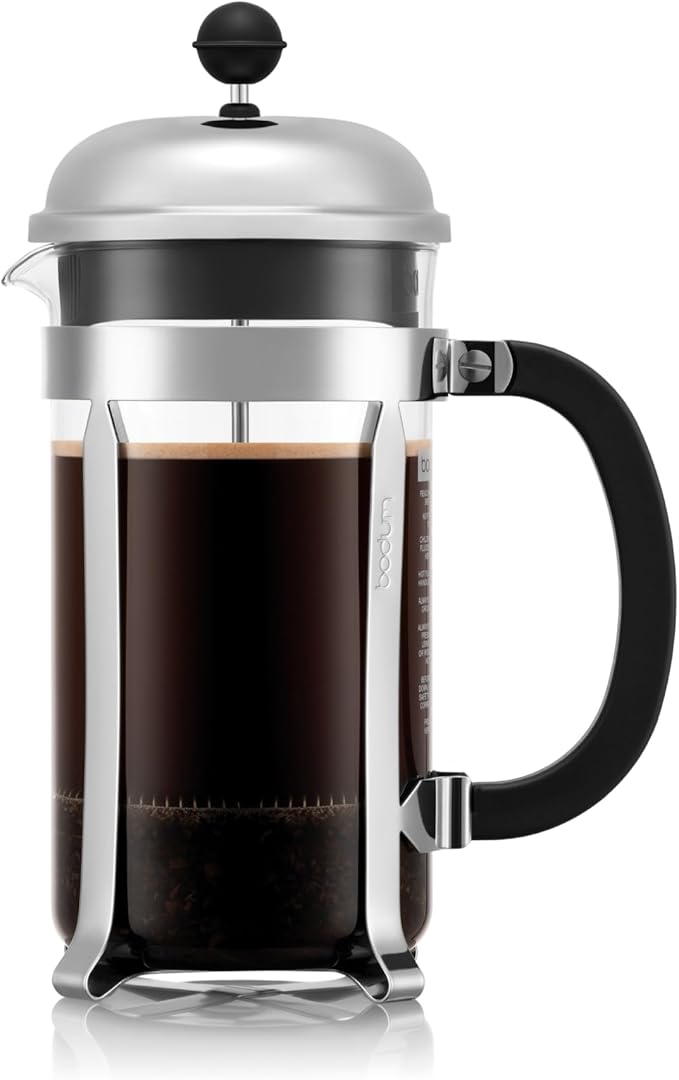
For a daily-driver French press the answer hasn't moved in two decades: the Bodum Chambord, 34 ounce, around $35 to $40. It's the press most coffee shops keep as a backup brewer, the one every barista owns at home, and the one whose parts are still in stock 15 years after purchase. Most of the buying decision is whether you want to spend more than $40 on a coffee plunger, and for most kitchens the answer is no.
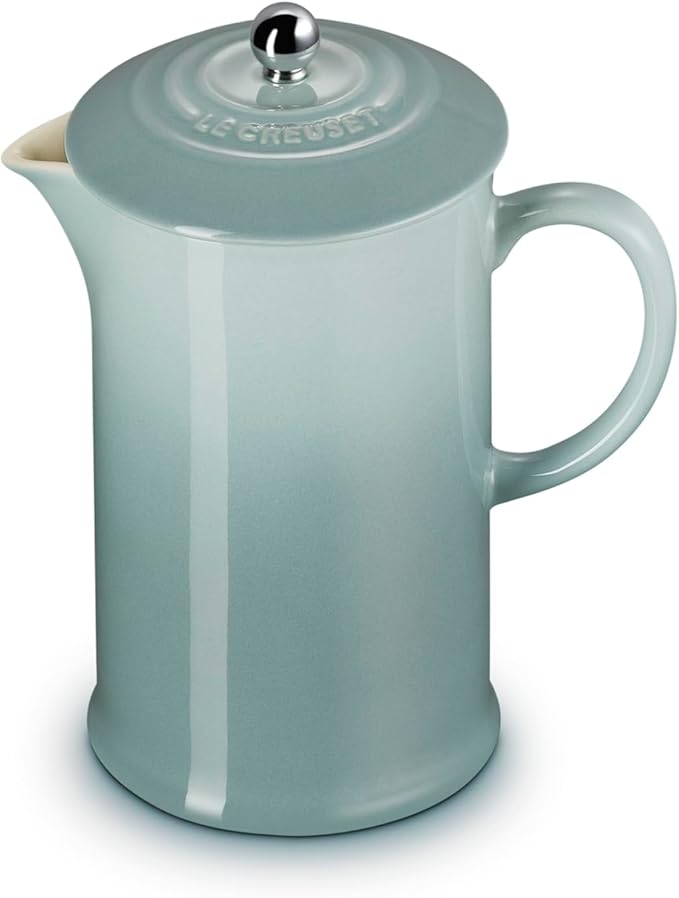
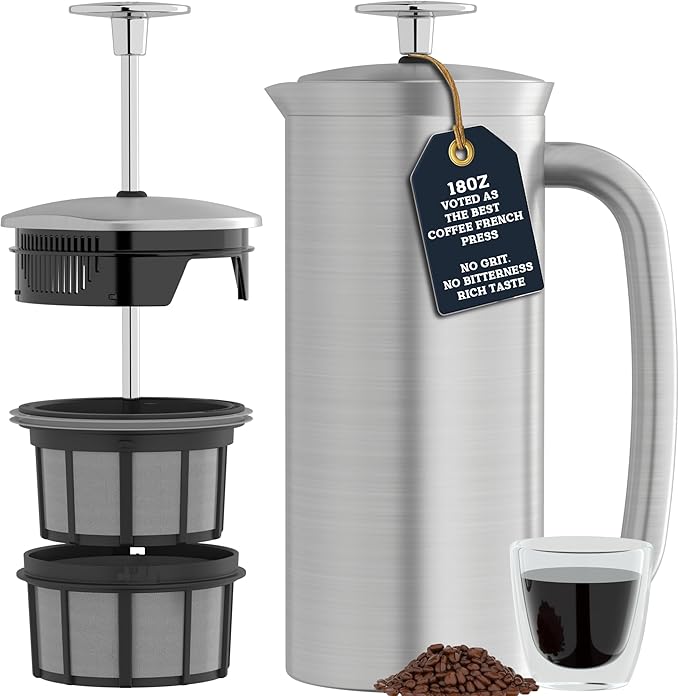
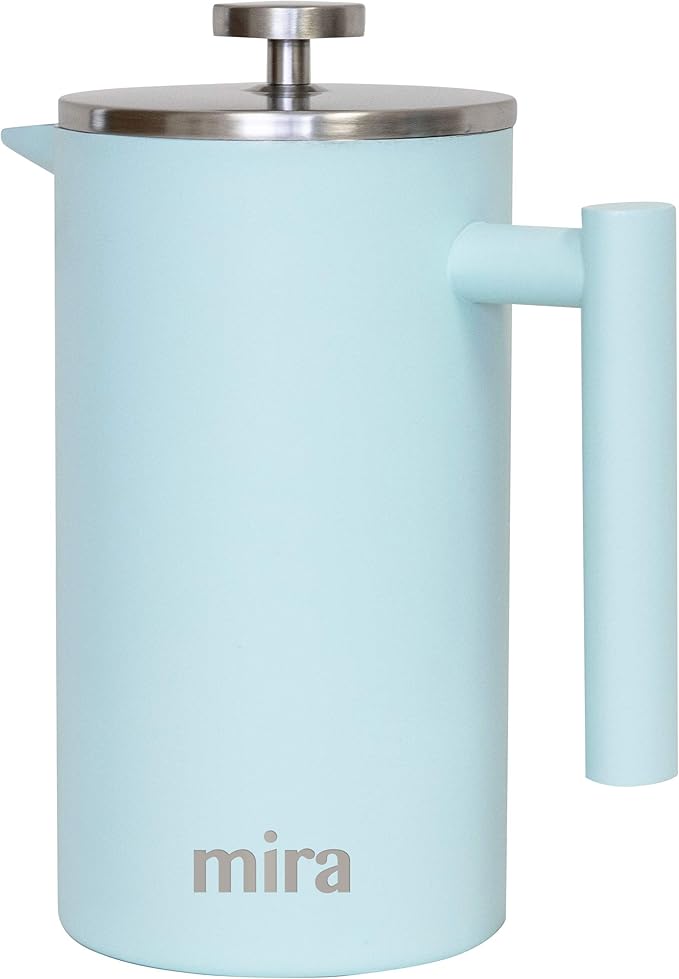
Above the Chambord, the upgrades split three ways. Espro P7 if sediment in the cup is the deal-breaker, since its double micro-filter is the only press that brews a genuinely clean cup. Le Creuset if the press lives on the counter and aesthetics matter, because the stoneware is a showpiece and holds heat longer than glass. Stainless steel double-wall presses if the carafe gets dropped in a busy household. Below $30, the trouble is thin glass and fast-rusting screens; the MIRA stainless pick is the floor that won't fail inside a year.
Skip the $15 stamped-metal Amazon presses with 4-star reviews and 300-character titles. The mesh tears, the handle melts, and the gasket warps inside six months. See picks ↓
French press is the lowest-fuss way to make real coffee. No paper filters, no machine to descale, no pods. Coarse grind, hot water, four minutes, plunge. What you give up is sediment in the cup and a carafe that holds heat maybe 20 minutes before the brew goes cold. Every pick below answers one of those two problems.
The category hasn't changed much. The Bodum Chambord has been the default since 1958 and still is; the Espro P7 double-filter is the only meaningful design innovation of the last two decades; and stainless steel double-wall presses fixed heat retention without touching the brewing method. Everything else is a variation on those three, plus a flood of sub-$25 lookalikes that don't survive a year of daily use.
The four jobs a press has to do
Four jobs. Hold near-boiling water without cracking. Seal the plunger against the carafe wall so grounds stay below the screen. Keep brewed coffee warm at least 15 minutes so the second cup isn't cold. And survive getting knocked against the sink edge during cleanup, which is when most presses die.
Glass presses handle the first two and fail the last two. Stoneware and stainless do all four, but they cost more and weigh more. The Chambord wins on price-per-year because you can replace the glass carafe yourself for around $15, so a break doesn't mean throwing out the whole press.
Bodum Chambord is the default and probably the right answer
The Chambord has been in continuous production since 1958 and the design hasn't meaningfully changed. Borosilicate glass carafe, three-part stainless steel filter, chrome frame. Around $35 to $40 for the 34 ounce, which covers two large mugs or one Stanley thermos refill.
The case for spending more is narrow. If you brew one mug a day, the Chambord is enough press for the rest of your life. Bodum and Amazon both stock replacement glass beakers, the filter screen runs $8, and the frame outlasts both. The case for spending less doesn't exist. The $15 lookalikes save you nothing once you've bought the second one inside two years.
Espro P7 if sediment is the dealbreaker
Standard French press filters let fines through, the powder-fine grounds at the bottom of the burr grinder, which is why the last sip of every cup has grit. Espro's double micro-filter stops that. Two screens, a coarser one that traps the bulk and a fine paper-like one that catches the rest, gasketed against the carafe wall. The cup comes out genuinely clean, closer to pour-over than to traditional press.
You pay twice for it: fiddly cleanup, two screens to rinse instead of one, and around $115 for the stainless P7, more than three Chambords. Worth it if sediment bothers you. Overkill if you shrug at the last sip.
Le Creuset if the press lives on the counter
The Le Creuset stoneware press is the aesthetic pick, and it holds up as a product too. The stoneware keeps brewing heat noticeably longer than glass, the wide base won't tip when half-empty, and the colors match the rest of the Le Creuset range if that's already your kitchen. Around $90, which is Le Creuset markup but in line with the brand.
Wrong pick if the press lives in a cabinet between uses, or if your household is rough on dishware. Stoneware is heavy, it chips at the rim if you drop it, and the lid is the most fragile part. This is a counter-display press for people who already own enamel cast iron.
Stainless steel for households that drop things
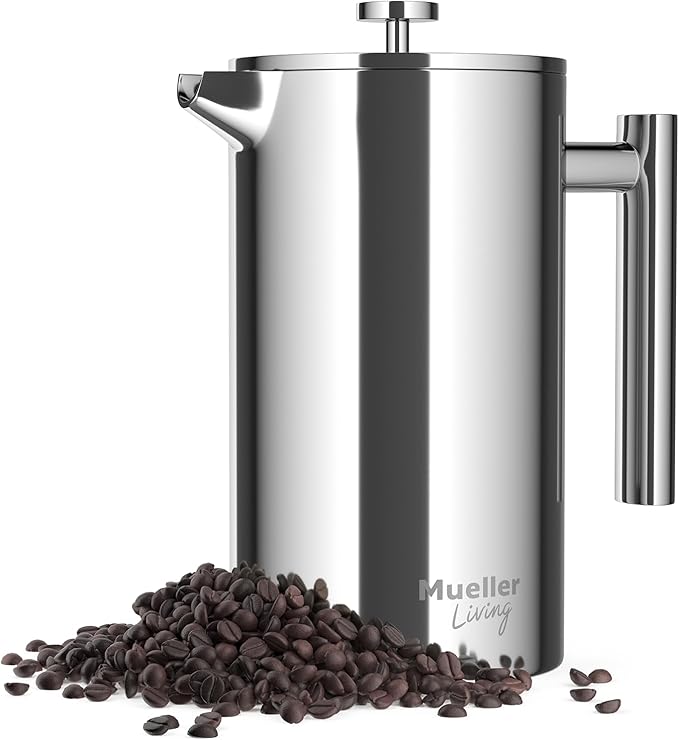
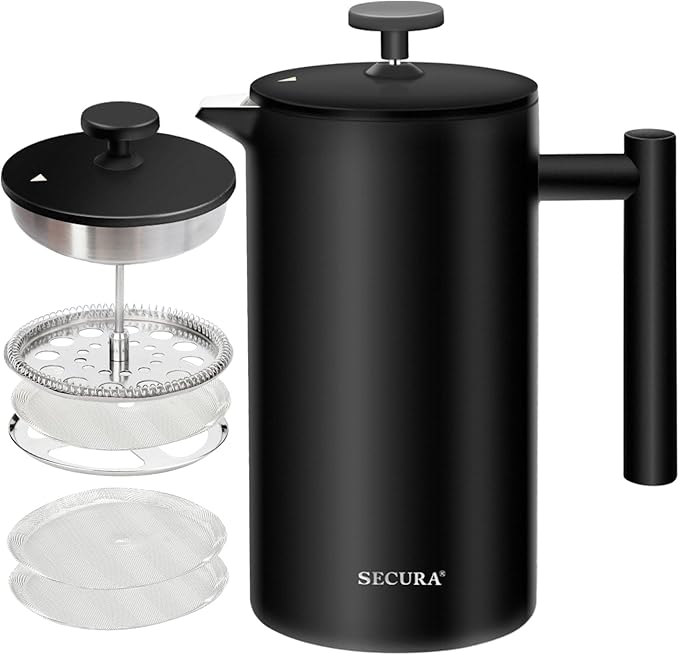
Double-wall stainless steel presses solve heat retention and breakage at once, an hour-plus of warmth against 20 minutes for glass. The MuellerLiving 34 ounce is the honest mid-tier pick. It isn't a Frieling, but it's the same construction for half the price and it survives daily use. The four-filter design adds a fine screen layer that catches more sediment than a single mesh.
The MIRA 34 ounce is the budget floor for stainless. Thinner wall, less heat retention than the MuellerLiving, but the brewing screen is real stainless and the carafe doesn't rust. Get it if you want stainless without spending $50 on a coffee plunger.
Presses to leave alone
Sub-$25 presses with five-word brand names you've never heard of. The glass is thinner than borosilicate, the screen is stamped instead of woven mesh and tears within months, and the handle attachment is the failure point that ends the press.
Travel French press mugs. Grounds need to settle for four minutes after plunging, and a mug shaken around in a bag never settles. Buy a regular insulated travel mug and brew at home in a real press.
Electric French presses. The heating element doubles the price, the water temperature won't adjust to where it matters, and the brewing method doesn't need electricity in the first place. A kettle and a Chambord cost less and last longer.
Grind and brew notes
Coarse grind only. Anything finer than kosher salt clogs the filter and pushes fines through, which is the sediment problem again. A burr grinder does more for French press cup quality than any pricier press will. Blade grinders throw inconsistent particle sizes, and that's why most home press coffee tastes muddy.
Four minutes steep, plunge slow. Pour all the coffee out of the carafe right after plunging; brewed coffee sitting on wet grounds keeps pulling bitter compounds for as long as the grounds stay wet. Decant into a thermal carafe if the second cup is 20+ minutes away.
Replacement parts and lifespan
The Bodum Chambord is the only press in this guide with broadly stocked replacement parts. Glass beakers, filter screens, plunger rods, gaskets, all available from Bodum direct and on Amazon. Put a fresh beaker and screen in a 15 year old Chambord and you can't tell it from new.
Le Creuset stocks lid and plunger replacements but not carafes, so a cracked stoneware body ends the press. Espro stocks filter replacements, the consumable part, and you need them every 12 to 18 months to keep the clean-cup performance. Stainless presses rarely need replacement parts and rarely offer them either; plan on replacing the whole press when the screen tears.
Recommended
Products related to this guide.
Frequently asked questions
What are the best french presses for coffee?
Bodum Chambord 34 oz French Press. The default French press since 1958 and still the right answer for most kitchens.
What are the best budget french presses for coffee?
MIRA 34 oz Stainless Steel French Press. The floor that does not fail inside a year.
What are the best premium french presses for coffee?
Le Creuset Stoneware French Press. The counter-display pick.