The Best Cutting Boards for Meat and Veggies on Amazon (2026)
By Sam Hollis · Updated June 2026
Independent editorial guide. We never accept payment for coverage, though we may earn a commission if you purchase through our links.
Quick Take
For a household that cuts both raw meat and produce, the answer is two boards, not one. A teak or walnut wood board in the $80-180 range handles veggies, bread, fruit, and finished proteins without dulling knives; a dishwasher-safe plastic (HDPE or polypropylene) board in the $25-50 range handles raw chicken, pork, and beef, then goes straight into the dishwasher at 150F to sanitize properly. One wood board for both jobs works, but it means hand-washing with hot soapy water after every raw-protein contact and re-oiling more often.
Bamboo boards look like the budget way into wood, but the cheap ones are glued together with food-contact adhesives that delaminate after a year of rinsing, and the harder fiber dulls knives faster than maple or walnut. Fine as a second prep surface or for fruit. Not a main board. End grain wood (the checkerboard-looking pattern) is the premium tier: the knife sinks between fibers instead of slicing across them, which is gentler on edges and self-heals visible cut marks. Edge grain is the workhorse tier at half the price.
Jump to the wood, plastic, and bamboo boards worth pairing for a meat-and-veggies kitchen, plus the dedicated raw-protein board that settles the cross-contamination question. See picks ↓
Cutting boards are a category where the right pick depends less on the product than on how you cook. Someone who breaks down whole chickens and runs pounds of vegetables through the same session needs something different from someone who chops onions twice a week and orders pre-cut chicken from the grocery store. This guide is written for the first cook, with picks that scale down cleanly for the second.
The picks below cover the four boards worth owning in a meat-and-veggies kitchen: a daily-use wood workhorse, a premium end-grain wood board for the people who care about edge retention and looks, a dedicated dishwasher-safe plastic board for raw protein, and a budget bamboo option for fruit and light prep. Wood-vs-plastic gets treated honestly here, since both are correct answers for different jobs in the same kitchen.
Wood or plastic, or both
The internet treats this as a culture war with two sides. It isn't. Wood boards are gentler on knife edges, better looking, and naturally antimicrobial within reason, but they can't be sanitized in a dishwasher and they need periodic oiling. Plastic boards (HDPE or polypropylene) go in the dishwasher, cost little to replace once scarred, and are the professional-kitchen standard for raw meat handling, but they dull knives faster and open deep cut grooves that hold bacteria over time.
A well-set-up kitchen uses both. Wood covers the 80% of the work that's vegetables, bread, fruit, and finished proteins; a dedicated plastic board takes raw chicken, pork, and beef and goes into the dishwasher after every use. That ends the cross-contamination argument driving most of the home-cook anxiety about cutting boards.
End grain vs edge grain
End grain boards, the checkerboard or butcher-block pattern, are built from wood blocks turned so the knife meets the cut ends of the fibers instead of the long sides. The edge sinks slightly between fibers rather than slicing across them. That's gentler on knives, hides cut marks because the fibers spring back, and it's how professional butcher blocks are built. You pay for it in price, roughly double edge-grain at the same size, and in weight: an end-grain walnut board at 16 by 12 inches typically runs 8-12 pounds.
Edge grain boards are long planks glued side to side. The knife meets the long fibers, which is harder on an edge over thousands of cuts and completely fine for a home cook who sharpens regularly. Edge grain is lighter, thinner, and the right pick for the daily driver if budget matters. For most kitchens, an edge-grain teak or maple board is the correct call until the upgrade itch hits.
The case for a dedicated raw-meat board
Professional kitchens keep a separate plastic board for raw poultry, pork, and beef and run it through the dishwasher between sessions. The reason is straightforward: HDPE survives the 150F wash cycle that denatures protein residue and sanitizes the surface. Wood does not. Hand-washing a wood board with soap and hot water cleans what you can see, but it doesn't hit the same sanitation threshold.
This also settles the perennial Reddit debate about whether rinsing raw chicken spreads bacteria. If raw protein goes from package to a dishwasher-safe plastic board to pan, the cross-contamination surface area is small and gets sanitized within an hour. The wood board stays clean for vegetables, herbs, bread, and any cooked protein.
Materials worth paying for and ones to skip
Worth paying for: teak (naturally oily, water-resistant, harder than maple), walnut (softest of the hardwoods used for boards, easiest on knives, premium looks), hard maple (the American butcher-block standard), and food-grade HDPE or polypropylene for the dedicated meat board. Bamboo gets a qualified yes when the brand discloses the adhesive used and the board is single-piece construction rather than laminated strips.
Skip glass, marble, and stone boards, which destroy a knife edge on contact. Skip very thin plastic boards under 0.5 inches, which warp in the dishwasher, and cheap bamboo boards under $15, which delaminate within a year of normal use. Acacia sits in the middle: pretty, affordable, softer than teak, and prone to deep cut grooves over time.
Size, thickness, and weight
The right daily-use board is bigger than most people buy. A 15 by 20 inch board fits a whole chicken plus space to move it; a 12 by 18 inch board handles one serious vegetable prep without ingredients sliding onto the counter. Anything smaller than 12 by 15 inches is a sandwich board, not a cooking board.
Thickness buys two things: heavier boards don't slide while you chop, and thicker wood resists warping through years of moisture cycles. For daily use, 1 to 1.5 inches thick is right. End-grain premium boards run 1.5 to 2 inches and weigh accordingly. Look for non-slip rubber feet or a juice groove around the perimeter if the board will see a lot of raw protein, even on a dedicated wood-for-cooked-only rotation.
Oiling, washing, and what kills a wood board
A wood board lasts decades with simple care and dies within two years without it. Never put a wood board in the dishwasher, never soak it in the sink, hand-wash with hot soapy water and dry immediately. Re-oil with food-grade mineral oil (not olive or vegetable, which go rancid) every 1-3 months for daily-use boards, less often for occasional ones. The cue is wood that looks dry or pale; oiled wood has a soft sheen.
The killers: leaving the board wet in the sink, which warps and cracks it; setting it on a hot stove or in direct sun, which dries and cracks it; and using one side only, which pulls moisture unevenly and curves the board. Flip the board between uses and rotate which end faces the sink. Do that and even a $25 bamboo board outlives a $200 walnut board that gets soaked and propped on its edge to dry.
Price tiers and what they buy
Under $30: bamboo and basic plastic. Workable as a second board, prep surface, or fruit board. Not a daily driver for serious cooking. Plastic in this tier is the right pick for a dedicated raw-meat board because it's cheap to replace when scarred.
$30-90: edge-grain teak and basic maple. This is where the daily driver lives. A board in this range, hand-washed and oiled, lasts ten years easily.
$90-180: edge-grain walnut, premium teak, and entry-level end grain. A step up in materials or pattern, with the durability that follows. Worth it if the board sees daily heavy use.
$180-300: full end-grain walnut or maple, premium dimensions, juice grooves, feet. Furniture-grade construction that doubles as a countertop centerpiece. The looks-and-keepsake tier.
Recommended
Products related to this guide.
What owners say
Real owner reports from the threads and editorial sources we drew on for this guide.
“I have come to find a lot of people rinse their chicken for some reason, prior to cooking. Why? I'll pat mine with a paper towel sometimes.. But usually I just take it out of the deli wrapped container and plop the breast/thigh on my cutting board and chop it up and then clean the board afterward. People are rinsing their chicken in the sink spreading bacteria? I doubt people clean their sink with bleach and its difficult to avoid splatter while cleaning. What gives?!”
— r/Cooking / Darktider
“Butchers still wash and go home to cook in a sanitary kitchen. They don't just cook where they handle all the raw meat. So many people wash their babies in the same sink they wash their raw meat. You can disagree all you want but research has already been done and rinsing meat in a sink exposes you and your loved ones to increased risk.”
— r/Cooking / TheGreenGoatess420
“Yes! It's called biofilm and it's slimy and gross. I also worked in butchering (small farms) and at grocery stores where they cut up meat. Those cutting boards and areas get full of grease and bits of skin and meat. I don't want to eat meat that's been rubbing all over those little bits (including bone fragments). Yuck.”
— r/Cooking / DarkSideofTaco
“How does it matter? You wash the cutting board in the sink after having chicken on it, how does that not spread bacteria just as if you washed the chicken in the sink? You wash your hands in the sink after touching the chicken.”
— r/Cooking / stephanosblog
“Speaking as a chef, don't do it. There's no benefit whatsoever and you're going to be spreading bacteria from the meat farther than you realize”
— r/Cooking / TheRemedyKitchen
“You're putting it on your cutting board and then washing the cutting board and "splashing raw chicken everywhere" I prefer to be rid of the slime from being packaged, and I clean and sanitize my sink every day. Still not dead nor have I ever been sickened by my cooking lol”
— r/Cooking / somniopus
“How do you clean your cutting board after the chicken was on it, no splatter from it while you're washing it? I grew up in a household where we rinsed meat with a vinegar and water mixture before marinating it. It makes a difference in the taste for me. It's hard to describe but it tastes cleaner. And we did wash the sink with bleach water after”
— r/Cooking / Into_the_rosegarden
“Plastic cutting board just for raw meat into the dishwasher.”
— r/Cooking / blackcherrytomato
“Before I had a dishwasher I washed mine in the sink on hot soapy water, rinsed in clear water then dried it with a towel. Pretty easy unless you have a teeny tiny sink. How those people cope in the kitchen I genuinely do not know. I turned down nice apartments that had. What looked like a bathroom sink in the kitchen. Ain't no way I'm doing dishes in that.”
— r/Cooking / Careflwhatyouwish4
“You don't rinse it if you've been cutting on it? What happens if your dishwasher isn't running for a day cause its empty?”
— r/Cooking / jimmcfartypants
“The advice in England is to not wash raw meat. For chicken in particular, as it spreads E. coli and Campylobacter. Potentially contaminating other foods and utensils. There is also a slogan for chicken of 75 to stay alive. The internal temperature should be at least 75 degrees Celsius, to have confidently killed all bacteria.”
— r/Cooking / DrWkk
“I think you'd be surprised just how much it spreads out that you can't see with the naked eye. It's not just where you can visibly notice water splashing. Washing chicken is strictly prohibited in professional kitchens where I live (UK). I would give my staff one warning and educate them about it. If I found them doing it a second time I would fire them immediately. It's a major breach of hygiene standards.”
— r/Cooking / JamesAntonyChef
Frequently asked questions
What are the best cutting boards for meat and veggies?
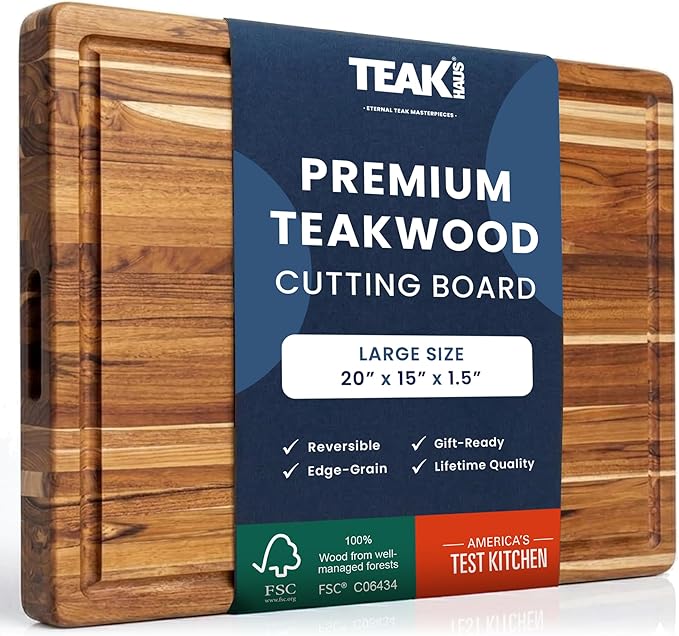
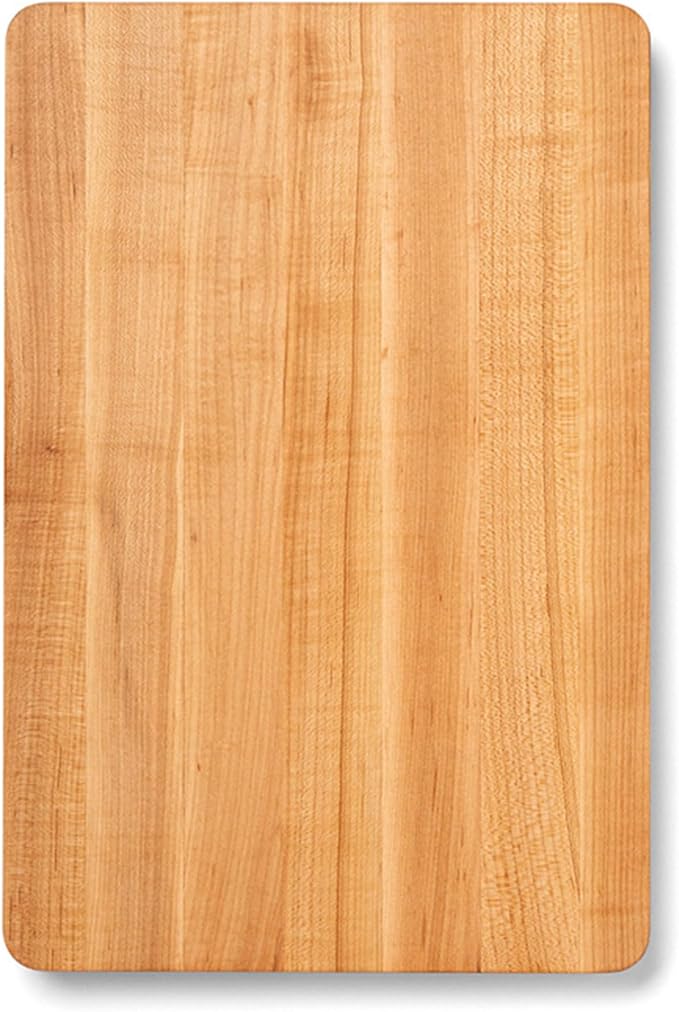
Teakhaus Edge Grain Cutting Board (Large). The everyday wood workhorse for a meat-and-veggies kitchen.
What are the best budget cutting boards for meat and veggies?
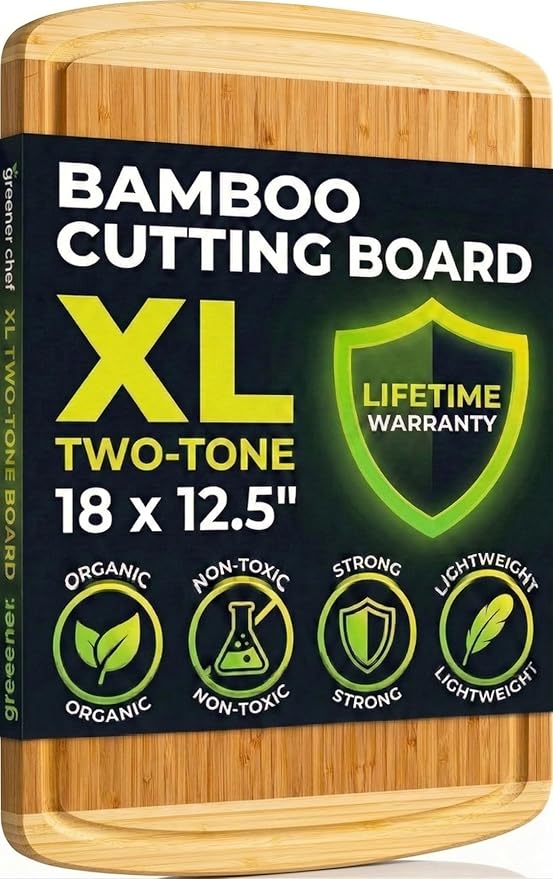
Greener Chef Organic Bamboo Cutting Board (Small). The honest budget pick.
What are the best premium cutting boards for meat and veggies?
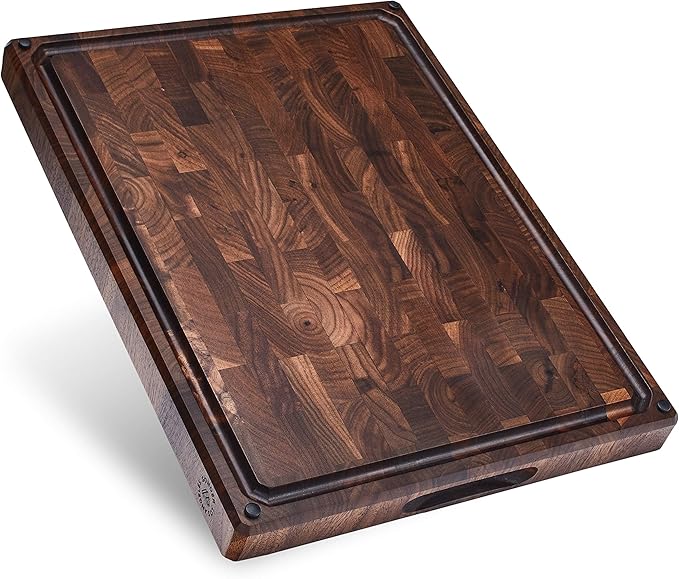
Sonder Los Angeles Alfred Black Walnut End Grain Cutting Board. Full end-grain walnut for the cook who notices the difference.